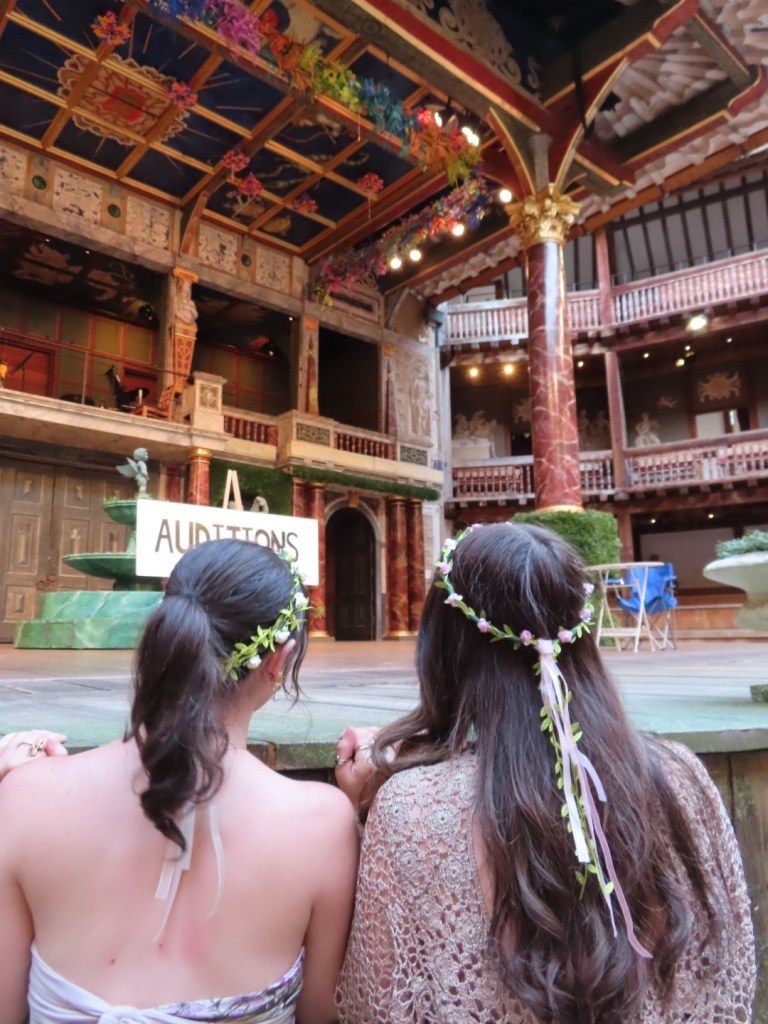
#flowercrown #dreambig #takemebacktoshakespeareantimes

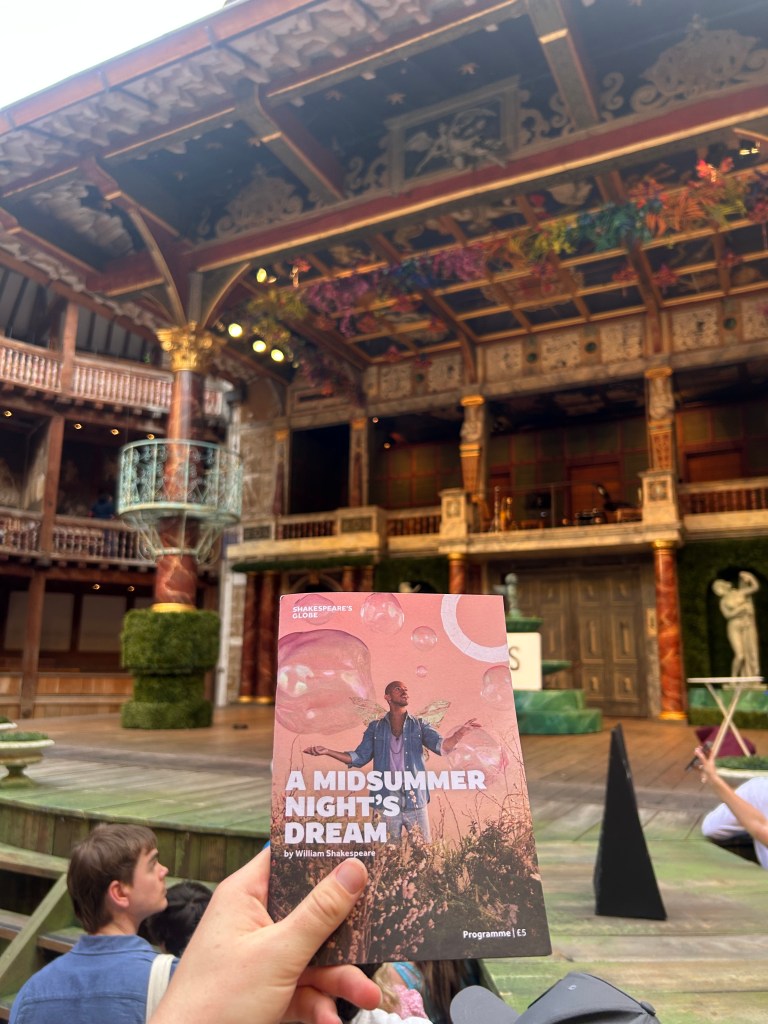
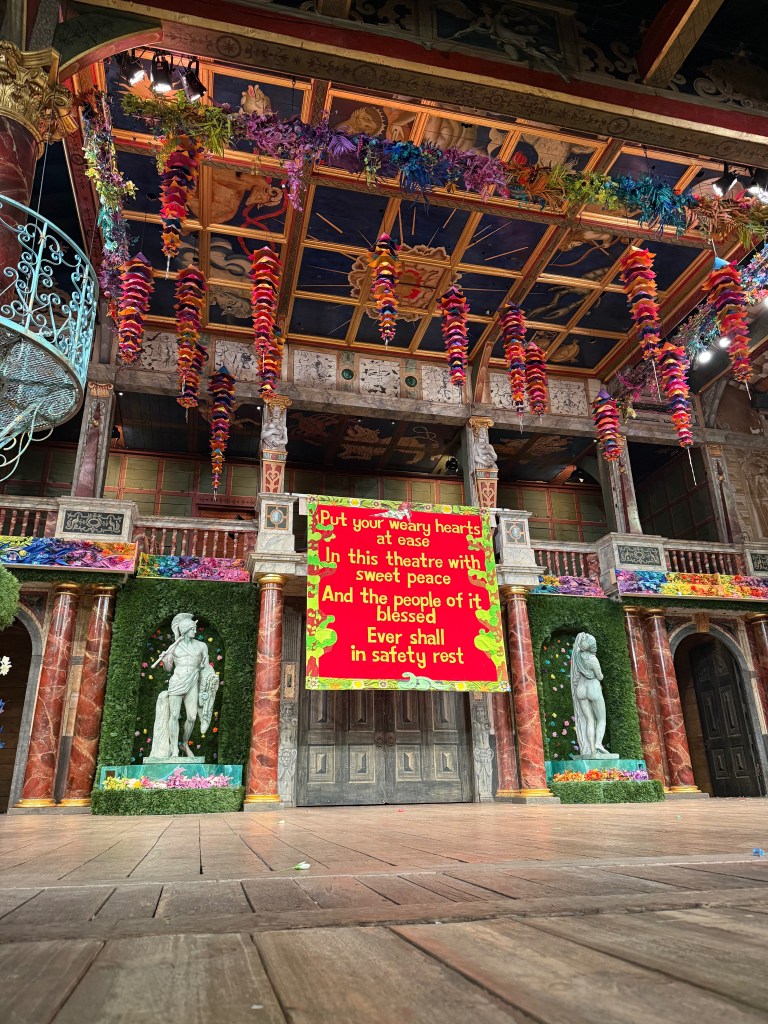
The experience I had at Shakespeare’s Globe Theatre was like no other. The first time I saw a play at this theatre for Mother Courage I was quite literally left speechless. Afterwards at lunch, Emmy, Reese, and I all couldn’t stop talking about the experience and just how amazing it felt. With this being said, if I felt this way at Shakespeare’s Globe Theatre when watching just any play, I knew watching an actual Shakespeare play, nonetheless one of the most celebrated of his works (and my first Shakespeare play), would be an unfathomable and amazing experience.

I took professor Mark Scott’s Introduction to Shakespeare class this past spring semester, so we had actually discussed Shakespeare’s Globe Theatre and how it was during Shakespeare’s time. Because of this, as soon as the actors started interacting with the audience and the play was clearly beginning, I immediately imagined how similar this probably was to how it would have been during Shakespeare’s time. We learned in class that Shakespeare’s Globe was built how it was with mostly standing-room only because the actors interacted with the audience often back then as well. Obviously, the amount of interaction would depend on the audience themself, as well as the type of play. For A Midsummer Night’s Dream, because it is a comedy, the interaction with the audience I imagine would have been pretty similar to the interaction we experienced ourselves on Thursday.

To be completely honest, our experience was exactly what I expected/dreamed of and much more. I felt very properly immersed in the culture of Shakespeare. I feel if I had seen this play anywhere else, especially in contemporary America, it would simply just not feel the same. I probably would have chuckled a bit because Shakespeare can be pretty funny at times by himself without the help of the actors. But, I certainly would not have been so immersed, and literally involved with the show as I was. One of the elements I believe has stayed the same from performances in Shakespeare’s Globe Theatre during his time is the amount of over-explanation and repetition within the actual play. During Shakespeare’s time, the audience was much less polite, and really did not pay very close attention to the actors. The crowds back then were far less silent and far less interested in the play’s plotlines. Because of this, Shakespeare wrote in such a way that would help keep the audience either involved/interested or at least helped them keep a moderate idea of the play’s plotline. This resulted in repetitive lines or seemingly obvious ideas being plainly stated outloud, allowing for little nuance to be required in order to understand. It’s kind of similar to how shows nowadays have actors say what their characters are doing over and over again because the current audience is too busy scrolling to understand what is going on.

In terms of differences, I think the biggest difference is the audience in general. The theatre etiquette has changed drastically since Shakespeare’s time. Audiences now give actors respect by being quiet and fully paying attention. I’m not sure what else would be much different. I feel like, for the most part, at least with the big things, it’s all still the same. I think that’s the point of this theatre, to keep Shakespeare’s theatre culture alive. Overall this experience was just as I expected it to be and 100 times better at the same time. The experience was also heightened with my new Shakespearean flower crown and my “Dream Big” stamp!
Adieu!

  • Jill Qualls

photosprinted (iykyk)

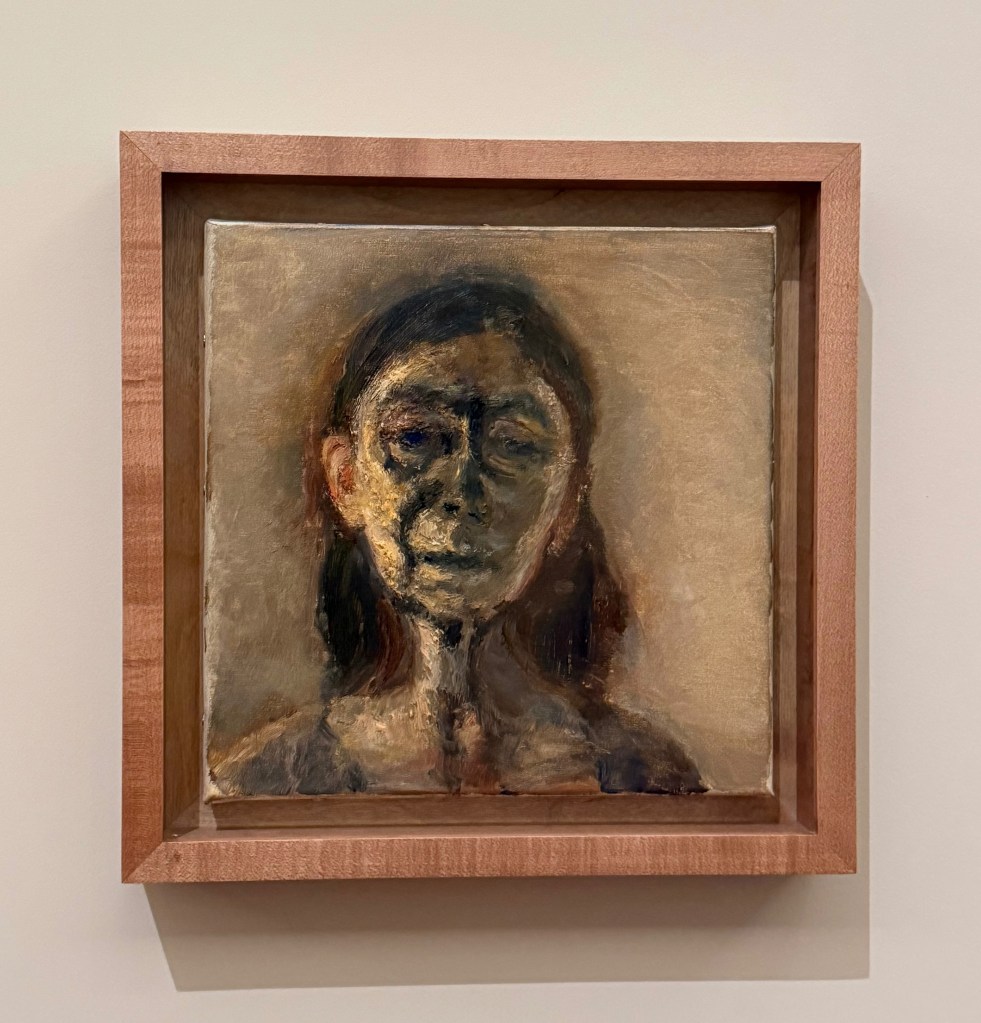
For this blog, I decided on the portrait named Portrait, Eyes Lowered by Celia Paul. This portrait is more abstract, depicting a figure who looks to be naked, or possibly wearing a navy blue tank top, at least from what we as viewers can see. The hairstyle of the sitter is a sort of disheveled look, seeming barely brushed through with the hair tucked behind the sitter’s ears. Along with the minimal clothing, there are also pretty much no accessories to be seen within the frame of the portrait.

For color, Paul almost entirely sticks to shades of brown or beige. There seems to also be some hints of dark blue, grey, or even black to portray certain facial features of the sitter. These dark colors, and the consistency of the color palette portray an overall moody feeling, as well as a sort of feeling of containment for the sitter. The colors create an image of the sitter being trapped within the color palette of their gloomy outlook on the world, leaving them without the ability to see any color other than the sullen shades of brown. The choices of light Paul chose for this sitter also indicate a feeling of deep sadness or even hopelessness with the light coming from the sitter’s right side casting a shadow on the left side of the sitter’s face. This, along with the portrayal of the sitter’s expression, creates a very intense feeling of connection and sympathy from the viewers perspective.

The background of this portrait flows with the image smoothly, creating the feeling of sadness the artist is portraying by being completely plain and a neutral light shade of brown. This light background also creates more contrast with the darkness of the sitter’s facial expression which allows for the viewer to better experience and empathize with the emotional darkness of the sitter’s feelings.

If I could step into this portrait, I believe, in a literal sense, I would see the floor as it looks like the sitter’s gaze is pointed downwards. In a more poetic sense, I believe I would not really see anything. I think I would be in a sort of dissociated state, allowing for my mind to escape reality, but not into a more peaceful place. Instead, the escape would be into a rather terrifying and anxiety inducing state, resulting in the expression of the sitter in this portrait. Along with this, I believe I wouldn’t really hear anything either. I believe if I was in this portrait, I would have no sense of sight or hearing, and would be left with my thoughts alone.

  • Jill Qualls

#portraitmode

Yesterday, all of us made our way to the National Portrait Gallery to, once again, be in awe of art. I thought I would’ve been tired of staring at art by now, but of course I was made aware by the Gallery how art never fails to not only capture your attention, but keep it. I was enthralled the whole way through, and wanted so badly to simply stop, sit, and stare at all the paintings for hours. 

One of the very first portraits I stumbled upon immediately caught my eye- it was of Cary Grant, one of the most iconic and talented actors in history (at least, in my humble opinion). I grew up watching a lot of his movies, as my parents were adamant about me being well-versed in the classic old Hollywood style films that they grew up on. As I stared at Cary Grant, I realized it wasn’t the setting that I found to be anything striking or unusual, as you couldn’t see much of it anyway, just a simple chair and a desk, but it was his pose that struck me. He was sitting on the desk with one leg propped up on a chair, arms wrapped around his leg. It was a very feminine pose for a man that, to me, always seemed very masculine. However, I do believe that this pose signifies Grant’s uniqueness. As I thought back to all the films I’ve seen with him as a main character, he never fails to carry an air of matchlessness, as if nobody could embody someone the way he could. 

The portrait was also in black and white, which is fitting for the time period. Despite this, the lack of color made the portrait feel even more timeless, as if it existed outside of any one specific moment. Without any bright colors or tones, one’s attention is solely on Cary Grant. One could argue it’s too simple a portrait, but I think that’s what makes it so exceptional. Grant had effortless charisma, something I think the simple black and white portrait portrays. 

If I were to step into this portrait, I think the first thing I would notice would be the sound. The sounds of Cary Grant laughing while posing, the hum of the air conditioning, and faint jazz music in the background. To see art being created right before my eyes would be absolutely unreal. 

-Emmy

Science, yo!

Man, I like portraiture more than I thought! I think it is one of my top three favorite visual art forms (probably still below architecture, though). I visited our National Portrait Gallery in Washington, D.C. a few years ago, and I remember being delighted by it at the time, but I didn’t quite realize the depth of my admiration. I think portraits are so interesting to me because they are physical (and often symbolic) manifestations of self-expression and conceptualization. I like to see how both the sitter and the artist perceive the subject, all the little choices that convey those impressions. One of my favorite high school classes was also AP Art History, so I just generally enjoyed being immersed in art and having the opportunity to critically engage with it. 

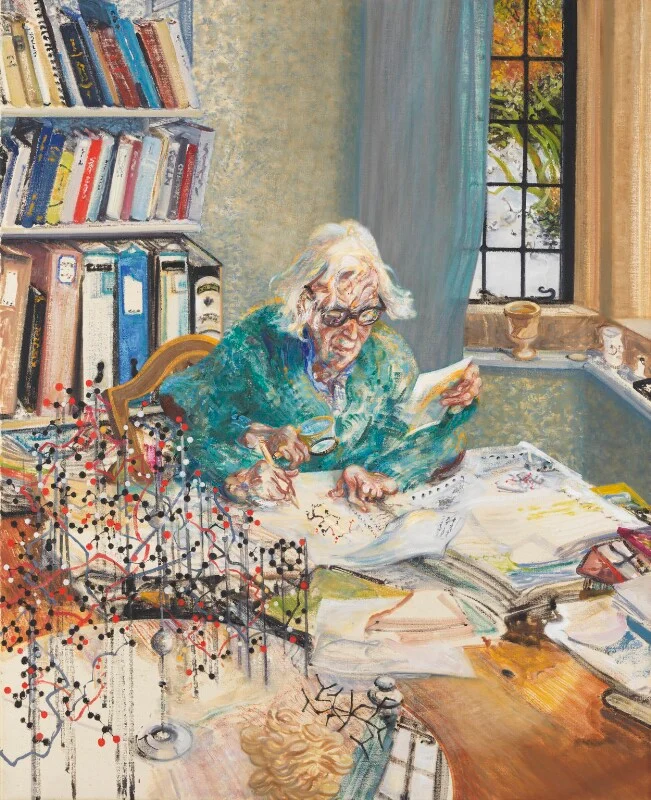
One work that particularly stuck out to me was a portrait of Dorothy Hodgkin (1910-94), painted by Maggi Hambling. I vaguely recognized the name but I knew little about her before seeing this painting. Apparently, she was the first British woman to win the Nobel Prize in Chemistry, largely for defining the structures of things like penicillin, insulin, and B-12. This very much contextualizes the scientific adornments surrounding Dr. Hodgkin in this portrait—the DNA models, books, papers scattered all over the desk, a magnifying glass. Even in my ignorance I was able to determine that she had a career in the sciences.  

Although she is central in the composition, her figure is smaller overall than the desk and models that the small room where she sits; in fact, nearly half of the painting vertically is occupied by Hodgkin’s desk. This seems to suggest that Hodgkin’s work and discoveries loom large in her life, crowding her, comforting her, whichever you choose to believe. The items on the desk specifically reveal that she is disorganized (talk about clutter!), but also that she is quite studious and tenacious as a professional. The model on the desk actually depicts the structure of insulin, a small nod to her scientific achievements.  

This is also a subtly busy and bustling work. She has four hands instead of two, which are each completing or aiding in a different task. This tells me that she is someone who worked like she would die tomorrow, the next hour, the next second, worked tirelessly and with incredible fervor. She also had arthritis from the age of 28, so the hands have a red sort of hue to them and a strange, distorted curve. And yet she continues plodding ahead! That contrast is quite effective. Everything on her desk is in a picked-over state as well, with some papers looking recently discarded, others lazily strewn about, kind of a swirl of past or future activity. Additionally, the palette is quite bright, which adds an atmospheric sense of liveliness, of movement. The orange highlights around her shirt and hair attract attention and almost seem like a glow, suggesting that she is inspired and a person to be noticed. The contrast between her deeper blue and the mostly white and beiges of the desk kind of guide your eye and more clearly demonstrates how she interacts with her surroundings.  

I feel I would be remiss if I didn’t also mention the National Gallery! What a beautiful, beautiful museum! Same as with St. Paul’s except even more, I was struck by how little time I had to absorb all the details, all the artistry. I’ve decided the best way to visit such a large museum is to pick a movement, region, or time period of art and spend the trip only perusing those pieces. Maybe I’ll try it someday. Regardless, I’m just feeling incredibly grateful to see such stunning, transformative, inspiring objects of expression! 

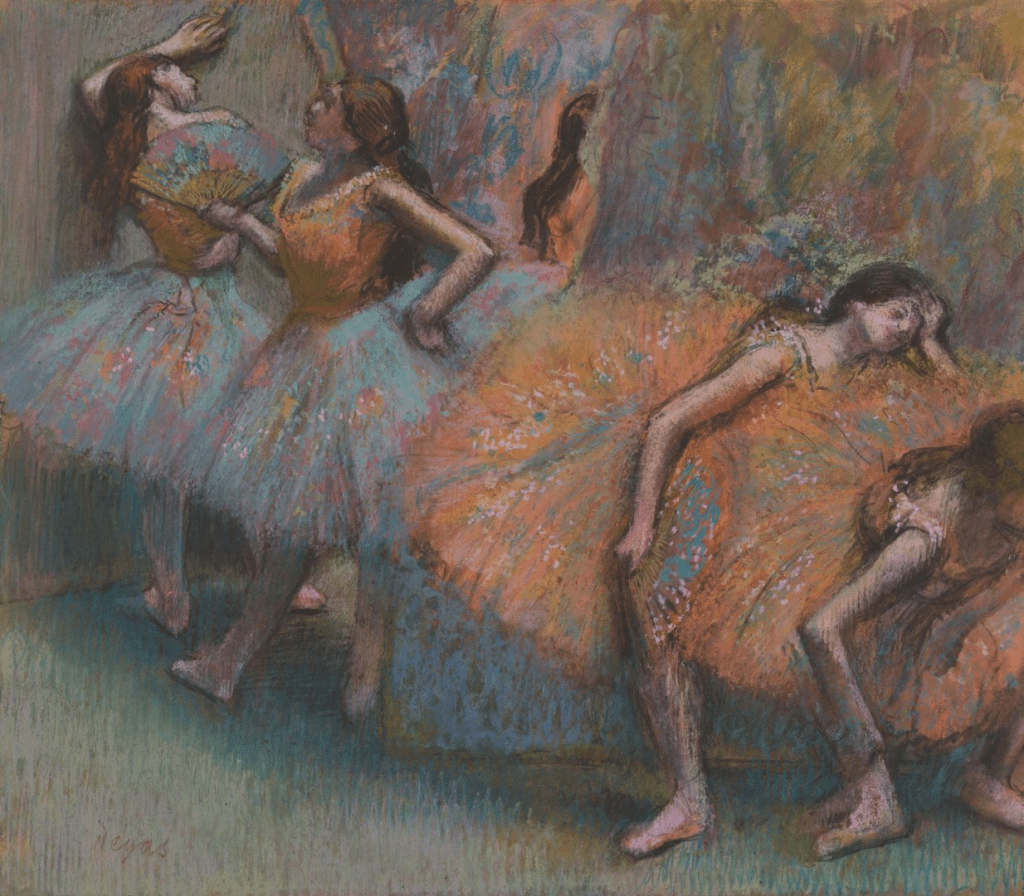
Ballet Dancers, Degas, pastel, found in the National Gallery

Ciao for now, 

Reese 

I ‘WANNABE’ at the National Portrait Gallery

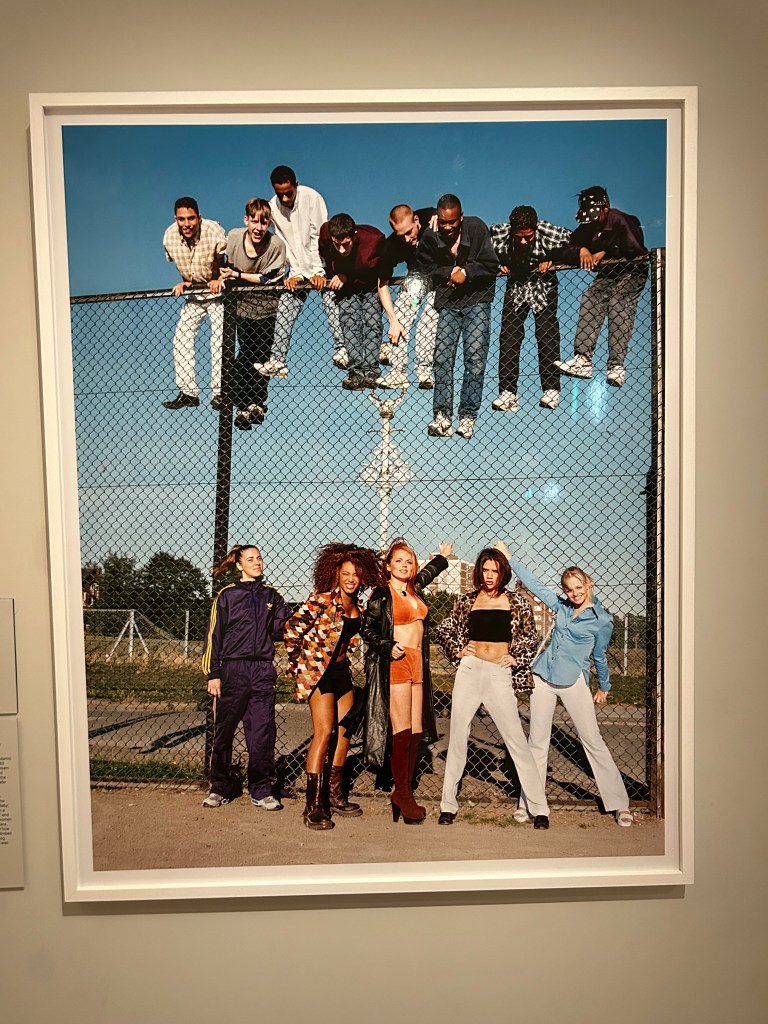
They say that a picture is worth 1,000 words. This saying definitely rang true at the National Portrait Gallery this morning. The gallery is filled with hundreds of paintings, photographs, and sculptures of incredibly influential people. Out of all of the museums we have been to, I think this one is my favorite. As I roamed the rooms of the building I was struck by the gorgeous interpretations of humanity. The galleries went from standard portraits of royals of the past, to incredibly artistic and theatrical photographs from modern times. While there were many pieces that struck me, there was one in particular that stopped me in my tracks. This was the photo “Spice Girls” by Andreas Bleckmann. The photo depicts the members of the girl group Spice Girls in front of a fence. On top of the fence are a group of teenage boys looking down at them. The story is that the Spice Girls were doing a photoshoot for The Face when this group had to climb the fence to escape an angry dog. Bleckmann says “no one was hurt and I got the shot.” 

 I’m still trying to unpack exactly what it is about the photo that strikes me, but I think it just reminds me of living in the moment. The photo feels real and candid. I see this in everyone’s expression. Mel B has a huge grin on her face that feels completely natural and authentic, and some of the boys aren’t even looking at the camera which feels very natural and uncurated. A lot of the other portraits were clearly very posed and thought out, and while I appreciate that, it is the moments of true humanity that have the biggest impact on me. I also believe that it struck me because there seems to be a real bond between the members of each of the two groups. These legitimate friendships make me feel nostalgic and comfortable.

The photo is hitting me especially hard right now because of this trip. These past couple of weeks have truly been a dream come true. I have seen so many incredible things, made and deepened many friendships, and made memories that will last a lifetime. This photo radiates that for me. It feels like a photo that you look back on twenty years from when it was taken, and remember the good and the bad of that period of your life. You remember all of it, and that is the beautiful part. You remember it because it was real. I feel like there have been photos taken on this trip so far that will be that for me. It won’t be the most aesthetic photo, or the one with the “perfect” angle, but the photo that someone took when I didn’t even realize they were taking it. I love the candid nature of the photograph, and that is why this one drew me in. It wasn’t the photographer’s brilliant pre-planning, it was the brilliance of seeing a moment and seizing it.

These feelings of living in the moment were exacerbated by the production of “A Midsummer Night’s Dream” that we saw this evening as well. The production was interactive in a way that I have never seen before, and this created a shared energy between audience and actors that was unparalleled to any show that we have seen on this trip. Getting to see my friends be a part of the show reminded me of just how special live art and life is. I love that this life is fleeting, because it forces you to wake up and live.

Cheers,

Thatcher

Portrait Gallery: 7/10 bathroom.

Hello. This is the portrait I picked out. Wow. What a cool portrait. 

To start off, the Portrait Gallery was very beautiful. I had a very peaceful time and found myself trying to mimic the facial expressions of every sitter I saw. I think it makes me more in tune with my facial control. I think there was also a great variety of classical and contemporary art.

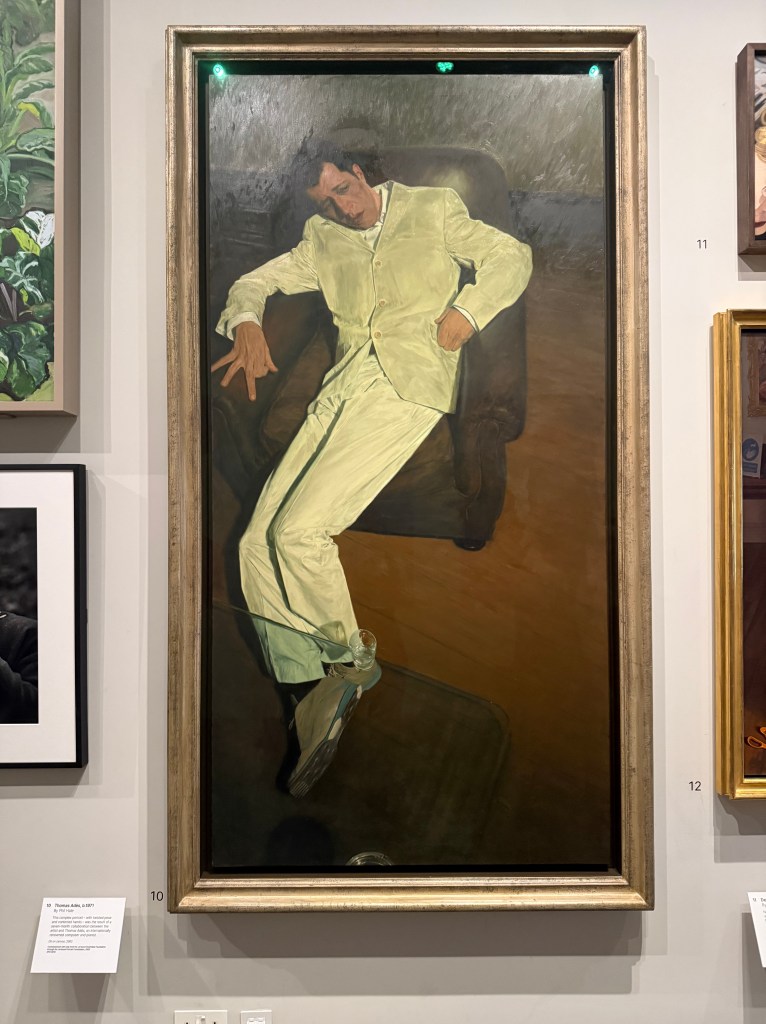
Anyways, the painting I chose is titled Thomas Ades and was painted by Phil Hale. The portrait was made as a collaboration of the two, that being the sitter and the painter. 

Shortly after the title, we see ‘b.1971.’ While the painting was made in 2002, the theme of the sitter’s outfit does align with the time slot of the 70’s. The lighting and stark contrast between the man’s suit and the background create an unsettling aura, and give the viewer almost a sense of distress. When it comes to composition, the sitter is posed in a quite distorted way, with his hands being shaped incorrectly, and his posture being very unnatural in the chair. The painting is almost at an angle that is unnatural to a viewer’s eye. It’s not quite a bird’s eye view, but as if we are looking from the corner of the room. 

To me, the sitter is very sad in this. Not only sad, but feeling broken in a way. His mouth is slightly agape, and his eyes are focused downwards, indicating a lack of presence. The background adds a contrast of minimalism. The room around him is very barren, and we don’t see much of his surroundings, besides the chair he is sitting in and a coffee table in front of him. There is a glass on the table in front of him that is empty, but placed on the very edge of the table. This indicates that a drink has been finished and creates an idea of a depressing life. 

I would NOT wanna step into this portrait, dude. If I did, that room probably smells like must and stink dude that dude is not taking care of himself. There’s very little light, so it would be very creepy to see a man with contorted hands sitting there in the dark, and overall, I would feel gross and weirded out. Cool painting though.

How do I get my portrait into the National Portrait Gallery?

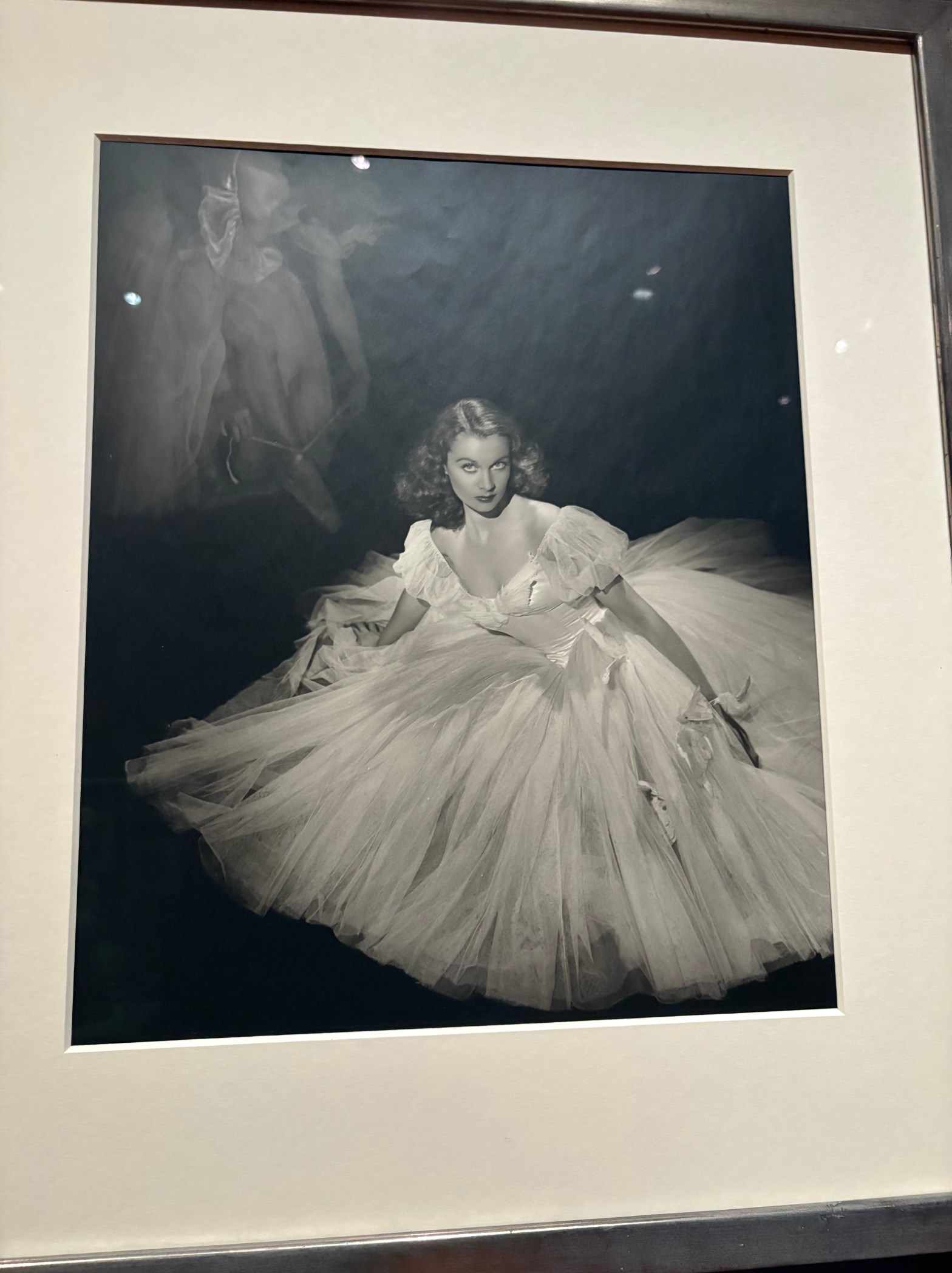
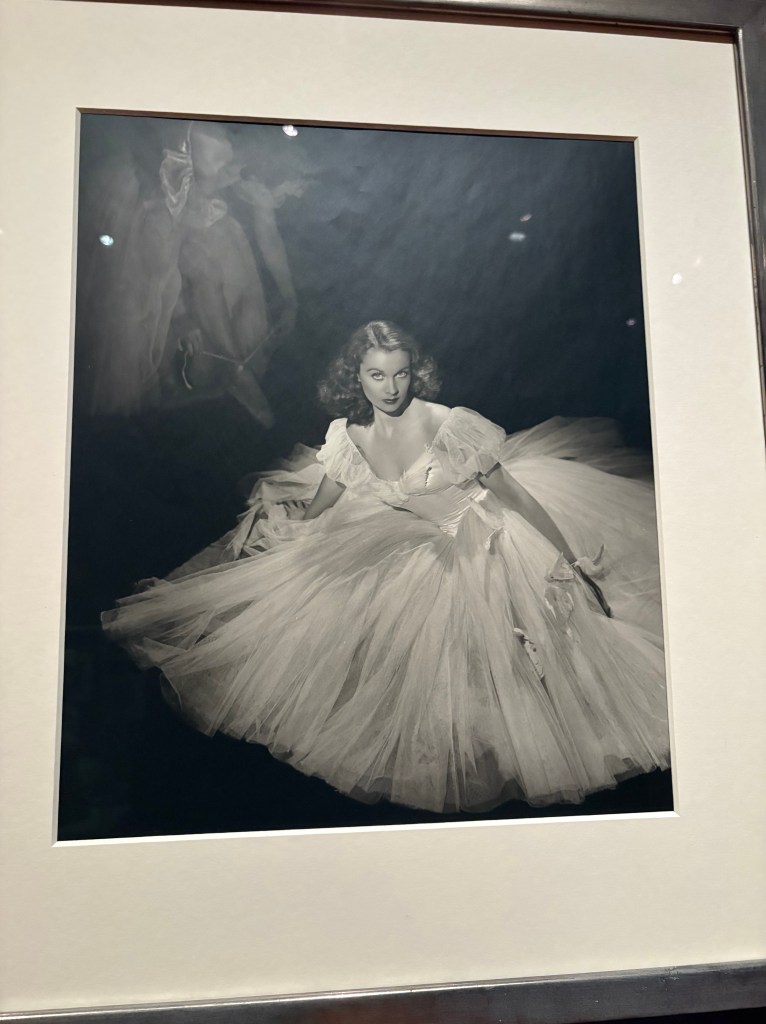
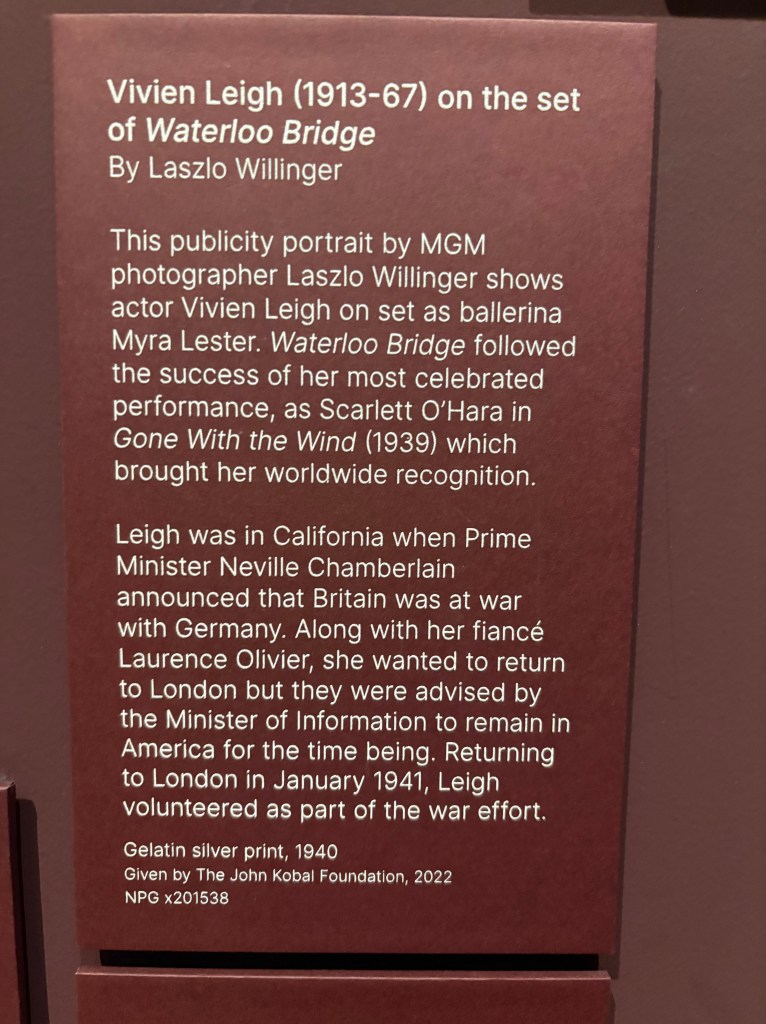
There are a million different personalities within the National Portrait Gallery. I found it hard to pick just one portrait to write about. I kept finding so many. What I found really interesting was that the portraits that stood out to me for possibly writing about, turned out to be actors. Crazy! Anyways. I finally decided which portrait to do. Vivian Leigh on the set of Waterloo Bridge. The portrait is absolutely beautiful. It’s black and white, and Vivian is wearing a tulle dress. 

If I were to just look at this portrait, I could assume that this person was all glamor. That she is very confident with who she is. She would never leave the house without being dressed to the nines. She speaks smoothly and softly, but can have a very sharp tongue. She does not tolerate funny business. She makes sure that everyone is on track. She can let you know what she is thinking with just a look. She walks gracefully, but with a purpose and with intention. She is beauty and she is power. 

The artist uses light to convey that this person is striking and very important. The photo being in black and white allows for no distraction from her face. The fact that the background is completely black really allows for her to stand out. In the top left corner, you can see that someone else is there. But their face can not be seen. They don’t draw the eyes of the viewer, or the photographer. All eyes are just on her. 

If I could step into this portrait, I don’t think anyone would notice me. I feel that I would hear music playing softly in the background. And based on the title, I would hear a director giving directions, and the sound of set pieces moving. Maybe a dance instructor calling out things. I imagine it being slightly warm from all of the people around. 

Here is the image below:

Blurred Identity

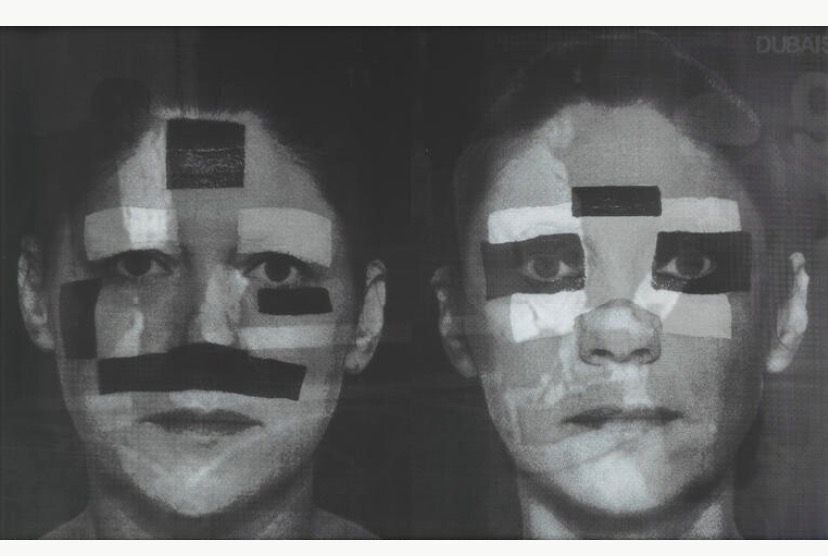
I’ve now been through my fair share of museums and art galleries here in London, however, the National Portrait Gallery certainly had the highest number of intriguing faces. I love a good portrait. I believe that a persons face, particularly their eyes, can tell so much in a painting. Many of them fight my eye, but a portrait called False Positive, False Negative Jane and Louise Wilson certainly made me stand and stare the longest. Two faces belonging to a set of twins, both covered in shapes to appear “camouflaged.” This done in black and white had already caught my attention. The description of the camouflage’s purpose enticed me further stating that it was meant to stop one from being identified on CCTV. While these were all interesting trait, the thing that made me fully stop in my tracks was the reflective nature of the painting. Among the camouflage there were large areas of reflective material that acted as a mirror. This did me in and I took a seat and observed.


The painting almost seemed to me like a mug shot. The two women were quite expressionless. Their hair was pulled back simply and they wore no makeup or jewelry. The two look very similar, granted they are twins. The choosing of twins for a portrait about blurred identity felt very intentional to me. The reflective nature making patrons look at themselves within the portrait struck me as well in terms of discussing identity. The camouflage reminded me of a mask being worn by the two twins. Masks in art often represent that sort of identity being discussed in the Wilson sisters’ work.


The faces that lack completion almost make me uneasy, yet drawn by the lack of communication. The piece feels quiet for the most part, I could possibly imagine the sound of slight static or chatter within it. I believe that the portrait would be cold and slick like glass due to its reflective aspect.


The Wilson twins certainly drew me in and swallowed me up in their work. They forced a reflection on identity through a reflection of my own face. I found it to be a beautiful piece to get to see in person. The photograph doesn’t do it justice.

Screenshot

West-Mr-Abbey

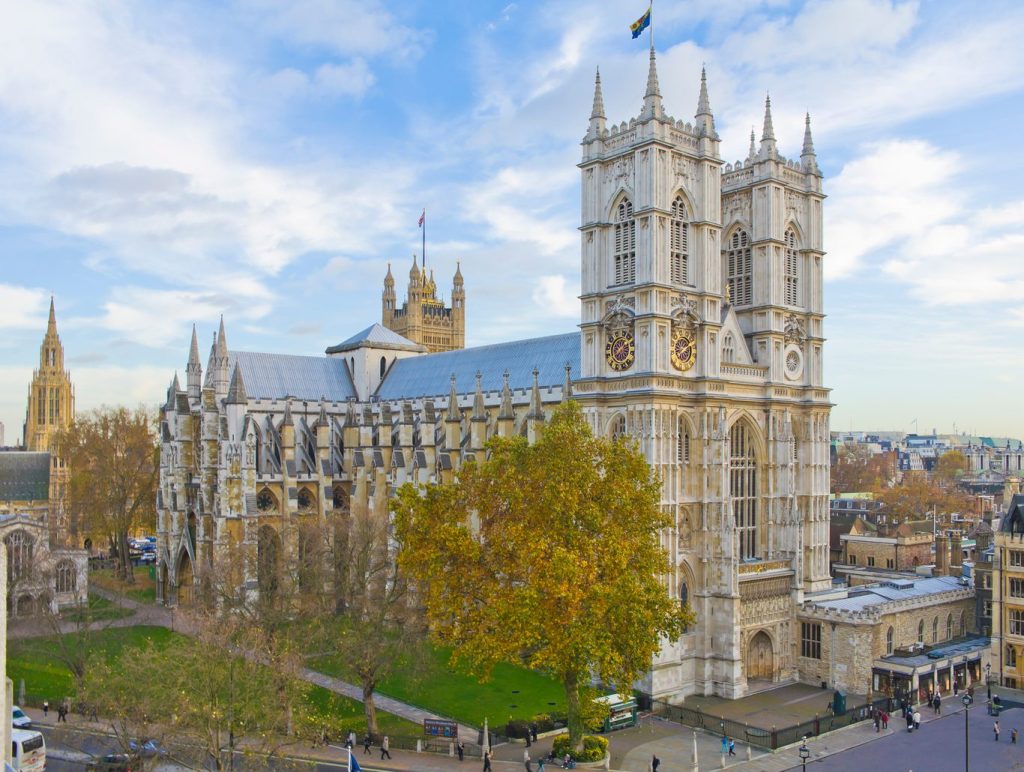
Tuesday morning me and the group tubed on over to the gorgeous Westminster Abbey!

Westminster Abbey, London, UK

I had absolutely no idea what this building was and I learned so much! The Westminster Abbey is home to many royal coronations, burials, and several royal weddings. I read on their site that it is known as “one of the most representative places of British identity” and it was very interesting to walk around and take in so much history and culture. As I listened to the guide I learned that the Abbey dates back to the 10th century when Saint Dunstan founded a Benedictine monastery on the site, through the years it’s been a place of worship and burials and most recently held the wedding of Prince William and Catherine Middleton in 2011.

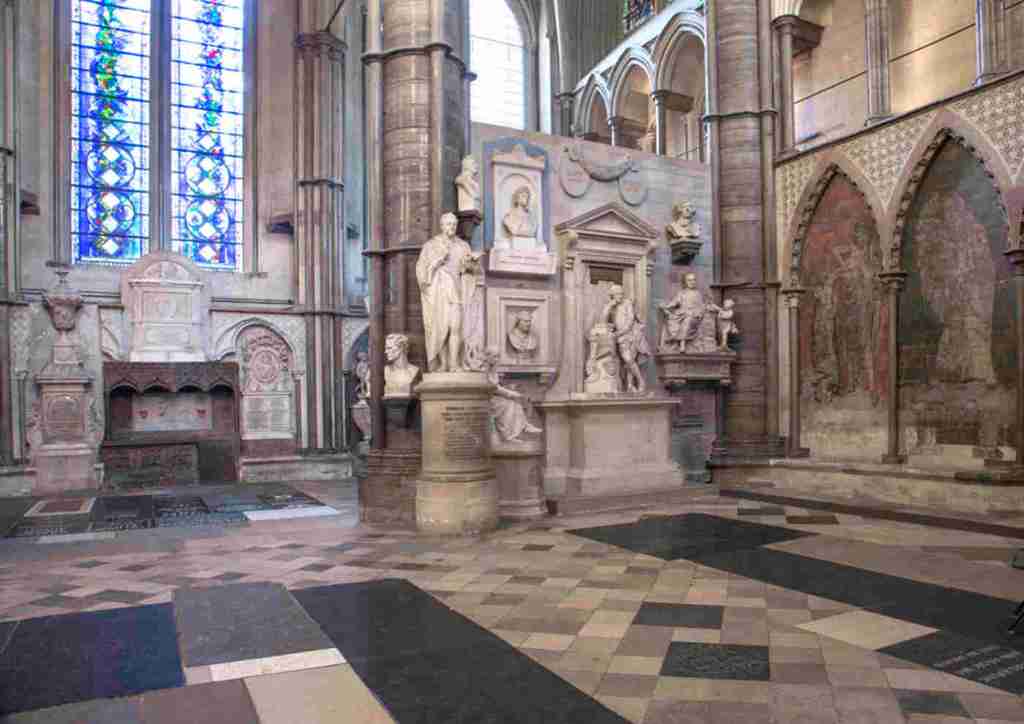
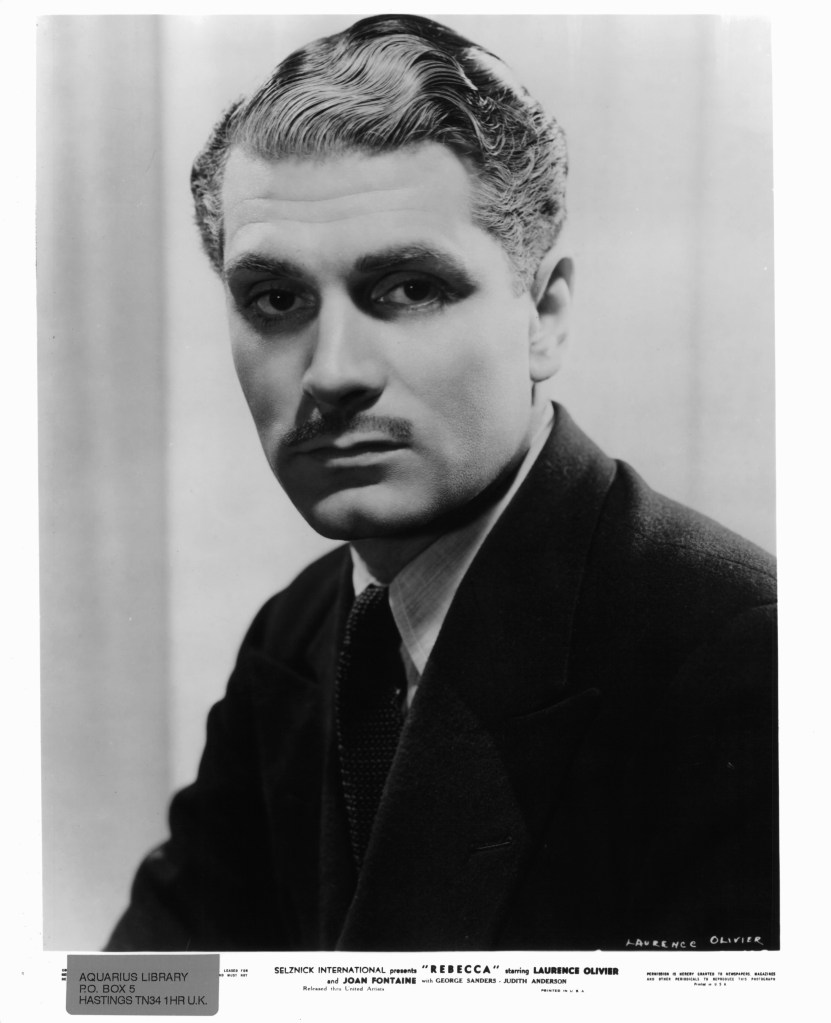
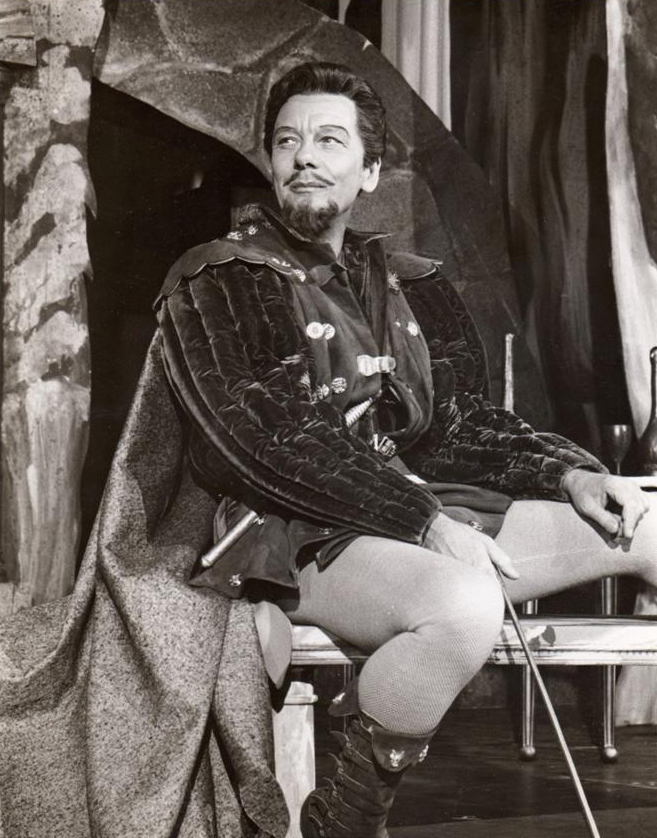
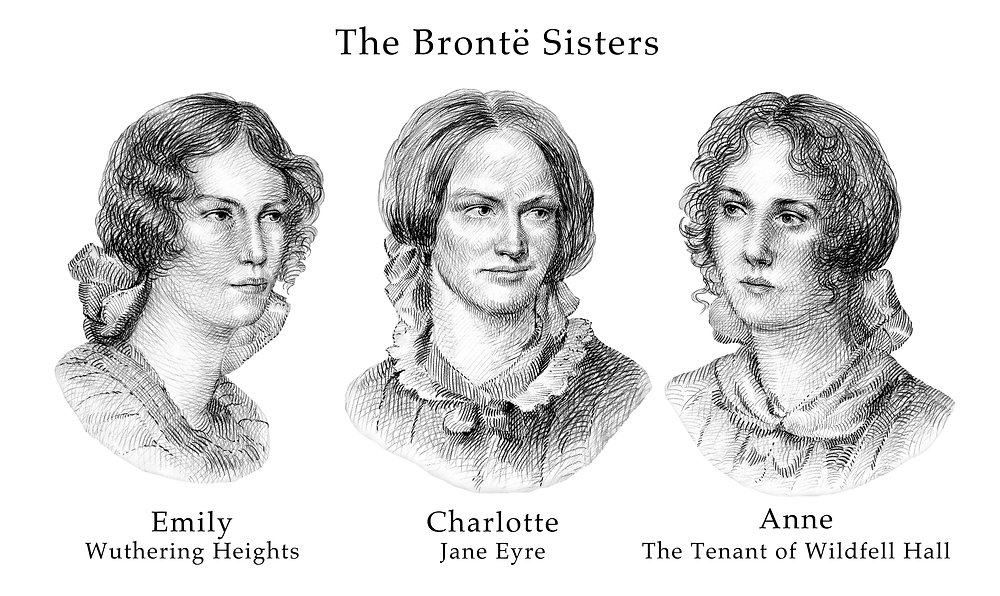
After I read a million burials including Nelson Mandela, Steven Hawking, and even Queen Elizabeth the First, I found myself in, (arguably the best part), The Poets Corner. Here lies a memorial for many famous English actors, playwrights, authors, and poets. Three Graves that stood out to me were the ones of Laurence Olivier, John Gielgud, and The Bronte sisters. In case you don’t happen to be familiar with them I’ll provide some quick facts on them!

Laurence Olivier was an English Actor and Director. He became a huge actor on stage and in tv/film performing over fifty cinema roles in his lifetime, some of his most popular being Sophocles in Oedipus, Heathcliff in Wuthering Heights, and Shylock in Merchant of Venice. He founded the National Theatre company at The Old Vic theatre and most notably has the Laurence Olivier Awards named after him (basically the British Tony Awards.)

John Gielgud was also an English Actor and Director who was friends with Laurence Olivier and the pair often worked together. Gielgud was a stage star in the West End and on Broadway, appearing in classics. He began a career as a director, and set up his own company at the Queen’s Theatre, London. He was regarded by many as the finest Hamlet of his era, and was also known for high comedy roles such as John Worthing in The Importance of Being Earnest. In the 1950s Gielgud feared that his career was threatened when he was convicted and fined for a homosexual offence, but his colleagues and the public supported him loyally. He also was an EGOT winner. He was knighted for his distinction in 1953, and the Gielgud Theatre was named after him in 1994.

The Bronte sisters Charlotte, Emily, and Anne, were a 19th-century English literary family raised in Haworth, Yorkshire. They defied Victorian societal conventions to publish some of the most influential and passionate novels in English literature, initially using male pseudonyms to bypass gender-based discrimination. Their stories attracted attention for their passion and originality immediately following their publications. Charlotte’s Jane Eyre was the first to achieve success, while Emily’s Wuthering Heights, Anne’s Agnes Grey and other works were accepted as masterpieces of literature after their deaths. Overall the three sisters helped change literacy for females, and that is why they were my favorite to see at Westminster Abbey.

-Erin

ACTRESSES, BALLERINAS, AND LEGENDS!

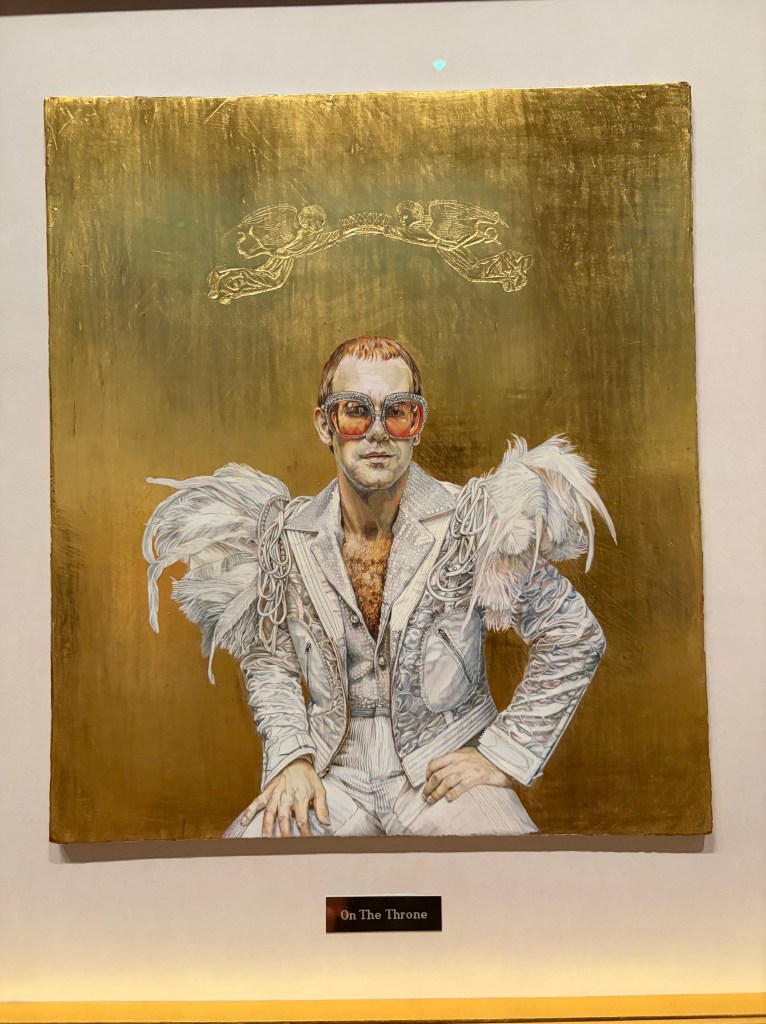
Today we went to the National Portrait Gallery, a multi-storied museum filled with halls and halls of paintings and portraits ranging from historic figures from the 1700s, like Napoleon Bonaparte or Toussaint L’Ouverture, to more recent historical legends, like Elton John!

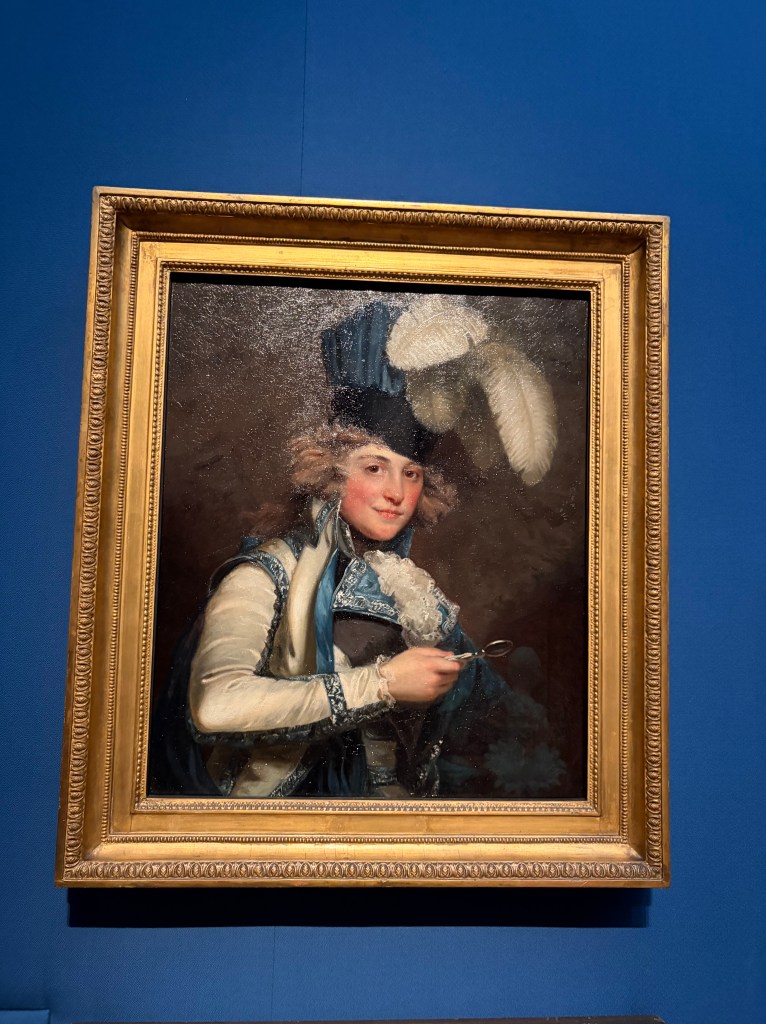
One portrait that first grabbed my attention and then became even more interesting as I read about it was this painting of Dorothy Jordan. She was an extremely popular actress in the later 1700s who was well known for cross-dressing as men for certain roles, which was something that wasn’t that common or women to do, or well received by audiences. Being such a prominent and controversial actress in her time, I’m not surprised the artist John Hoppner wanted to paint her. This was painted in 1791, well into her career, but I’m sure that the room was silent while Hoppner focused on the exact details of her costume.

In this portrait, she’s wearing the costume of a young male soldier, potentially one of her costumes for a show she was in. I love her expression in this, too! I love the shading and the lighting of the blue throughout her costume, how it fades the farther down it goes and how it pops more around the center of the portrait. The feathers on the top of her hat look so natural and detailed, the way they flow downward. I also love the contrast between the blue and the white of her sleeves.

Jordan was also extremely famous for her relationship with the Duke of Clarence, who eventually was known as King William IV. They had ten children and never actually married, but Jordan would pay off the duke’s gambling debts from the money she got from her plays. She was dropped by him in 1811, where he found a wife, and she died in France after fleeing there to escape her debts. Not the best ending, sadly.

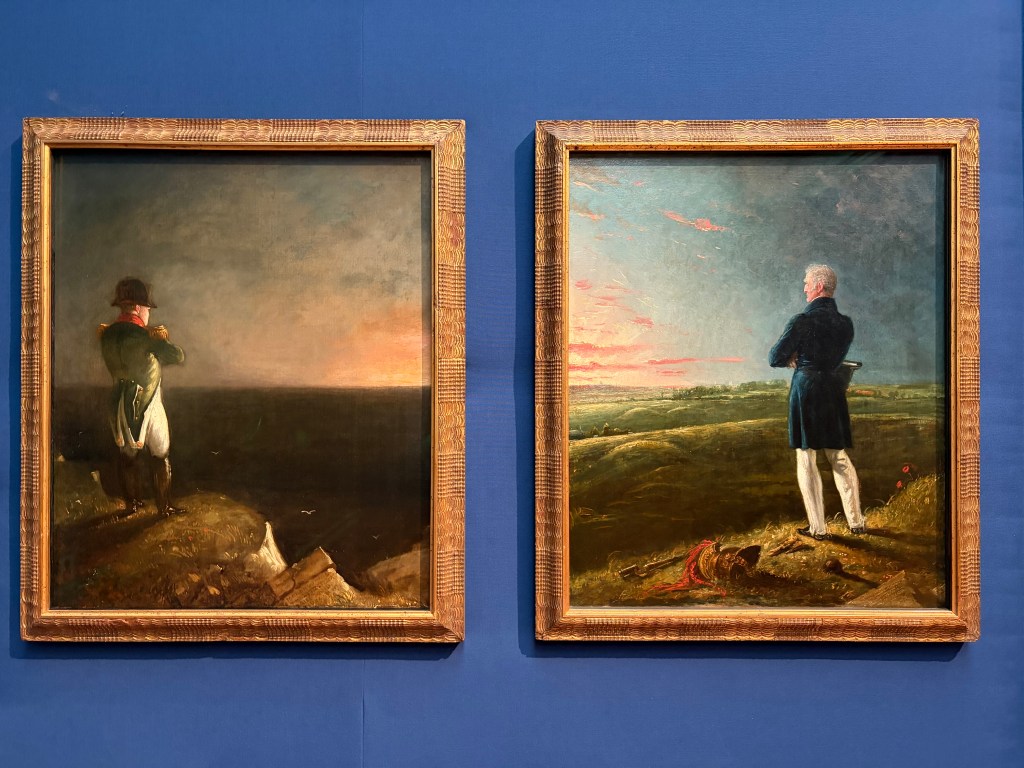
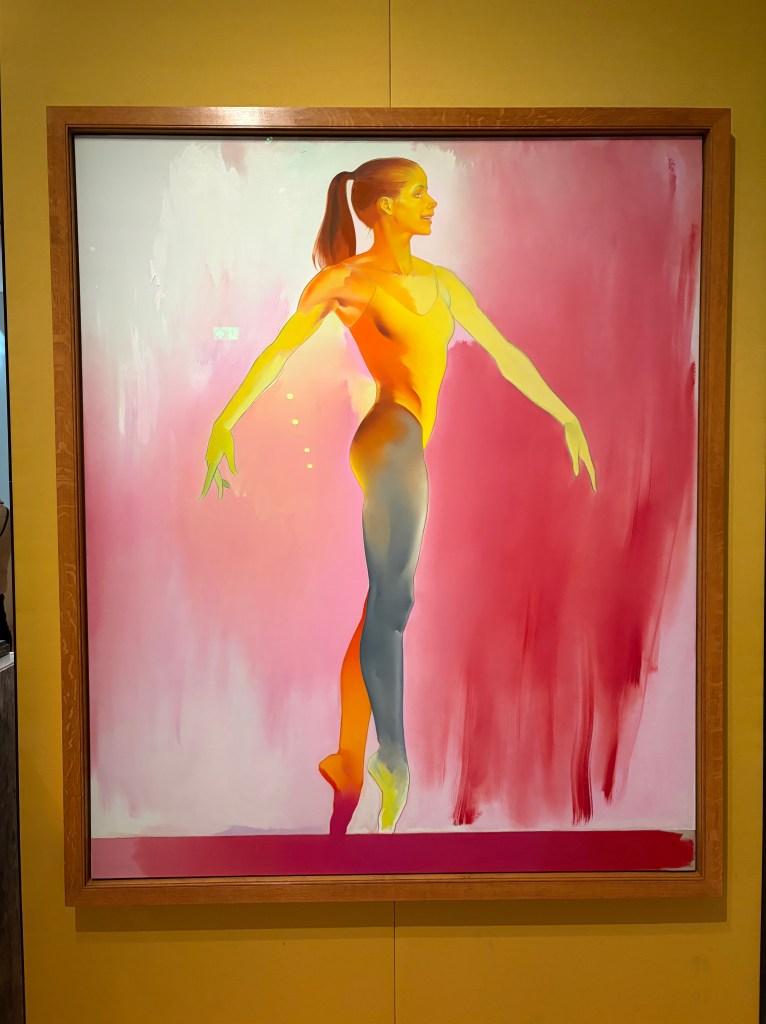
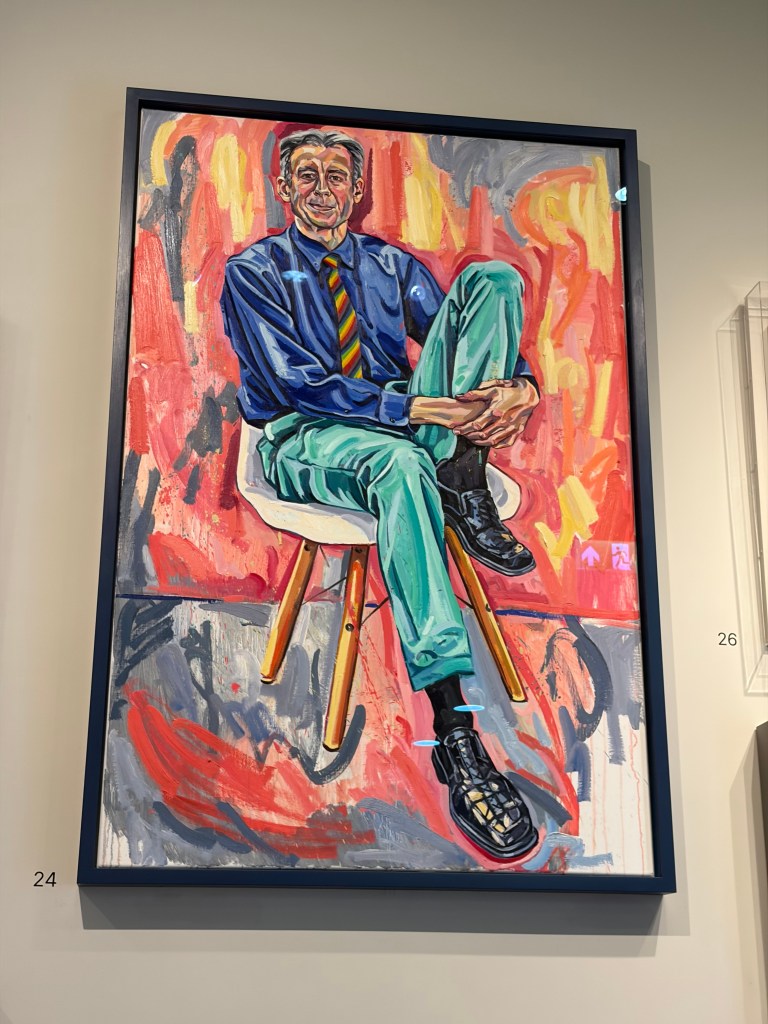
It was so much fun reading about all of the different artists behind the paintings and their intentions with them. Some of my other favorites were Dame Darcey Bussell (by Allen Jones), The Duke of Wellington Surveying the Field of Waterloo / Napoleon on St Helena (by Benjamin Robert Haydon), and Sir Elton John (by Suzi Malin).