This painting is my favorite from the National Portrait Gallery.
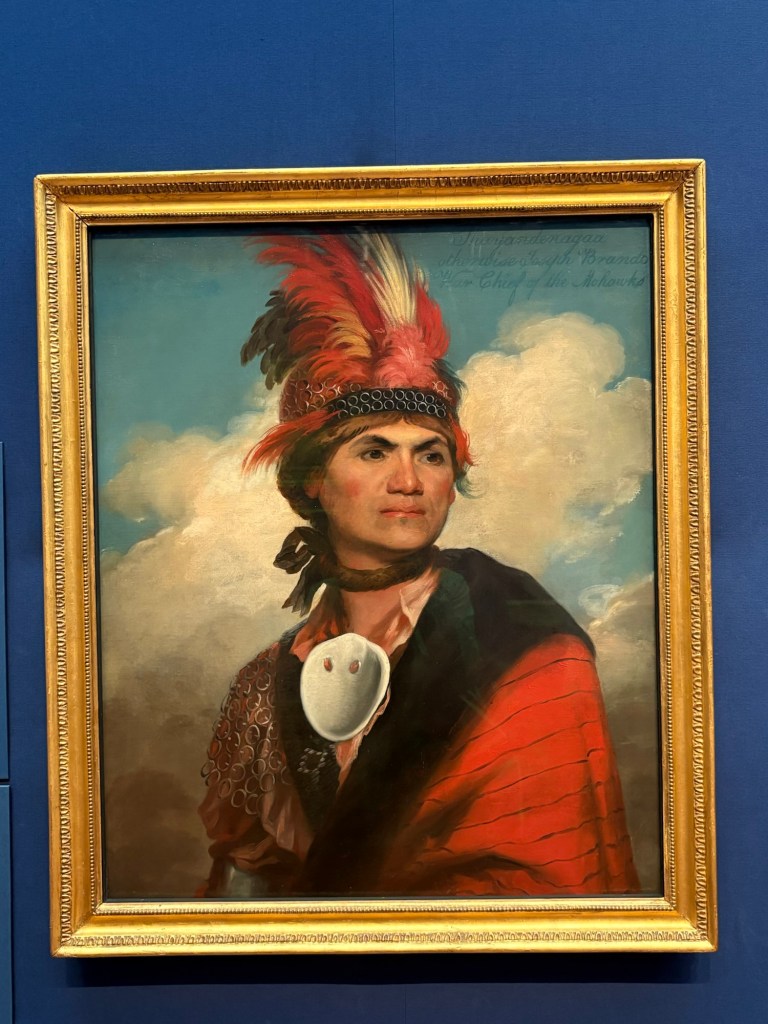
The Indigenous American Mohawk Warrior: Thayendanegea (Joseph Brant)
Was an important ally of the British during the American War of Independence. The prominent Mohawk military and political leader, spoke at least 7 languages.
Known as a talented leader & was proud of his identity, independence & ability to move between two worlds which is clearly conveyed in this painting.
Stepping into this painting I see a meadow. A dense green forest with tall trees & deep glacial valleys. He’s wearing a red and white feathered gustoweh aka. a headdress with a black headband ornamented with small silver rings. As well as a large white shell 🐚 (an object of ritual significance to the Iroquois.) The feathers & his clothes, the clouds & the sky, his flushed cheeks, peaceful but fierce expression showcase Brant’s power & influence.
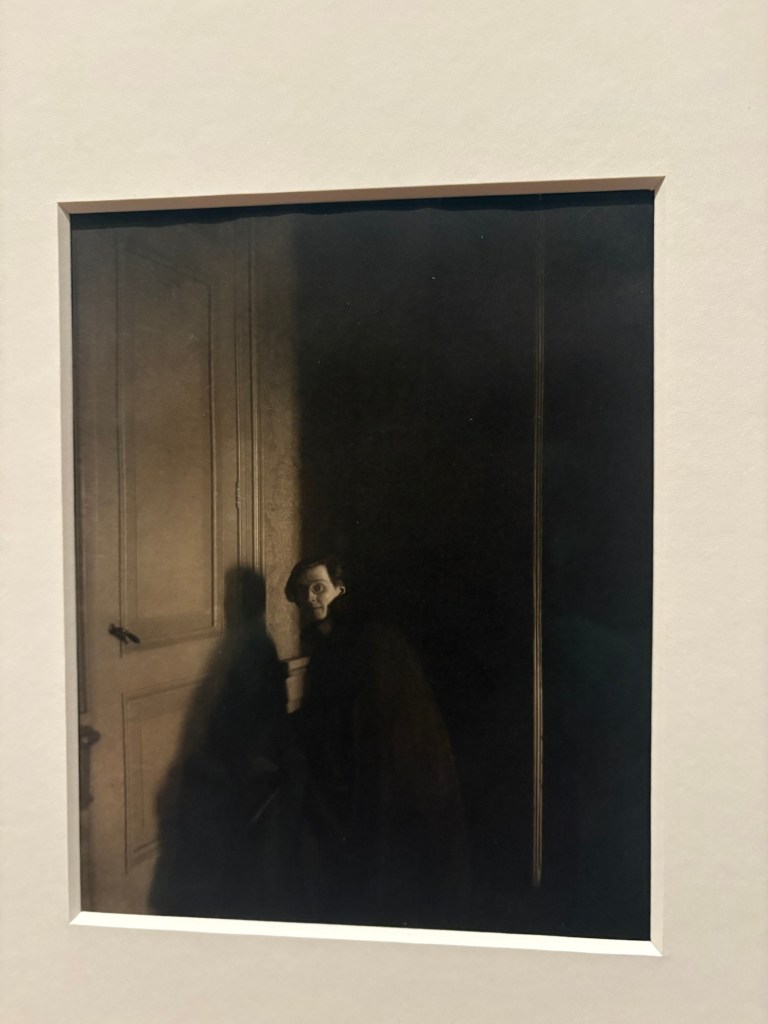
Edward Gordon Craig by Edward Steichen
This is the first portrait that caught my attention. Craig was an English modernist Theatre practitioner! Known as the Father of modern stage design and was highly influential & revolutionized stage design by advocating for symbolic, minimalistic sets & dramatic lighting over pictorial realism. An innovator in the use of mobile, non-representational screens & in stage lighting.
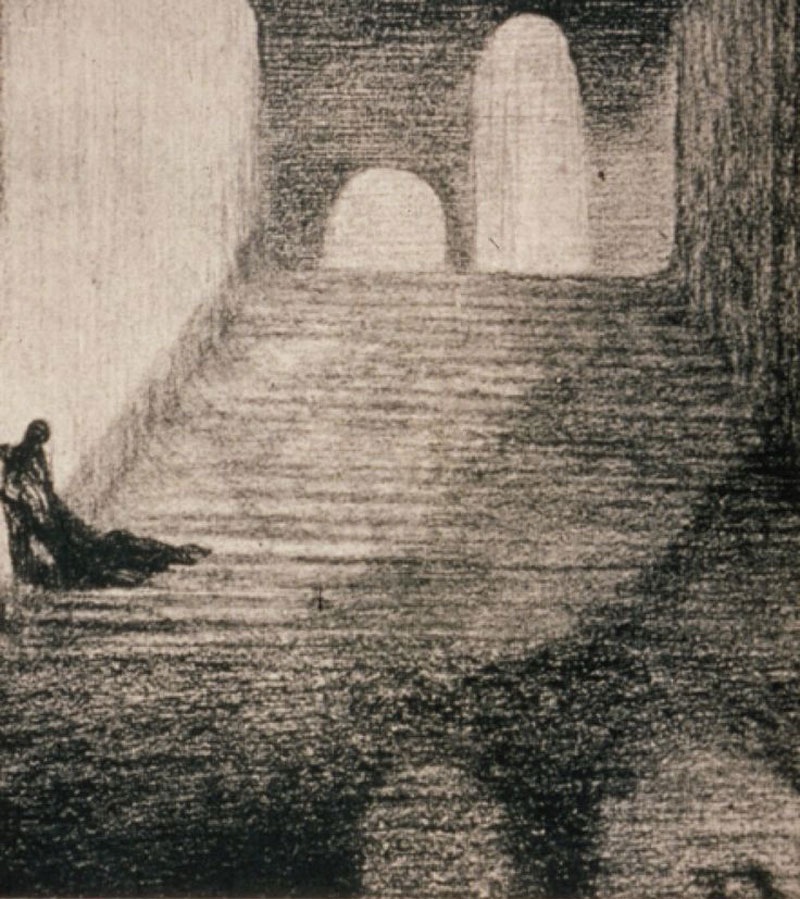
He developed “Übermarionette” which is a metaphor for an ideal performer whose body has a purely “corporeal/material” quality.
He refused to compromise & demanded total artistic control, loyalty & strict obedience. In the 1920s & 1930s his writings grew increasingly reactionary, expressing intense misogyny & fascination with fascist authority.
The darkness & shadows of this portrait, his black robe & how you can only see half of his face bring the rigidness & deeply atmospheric style of how he approached stage design.
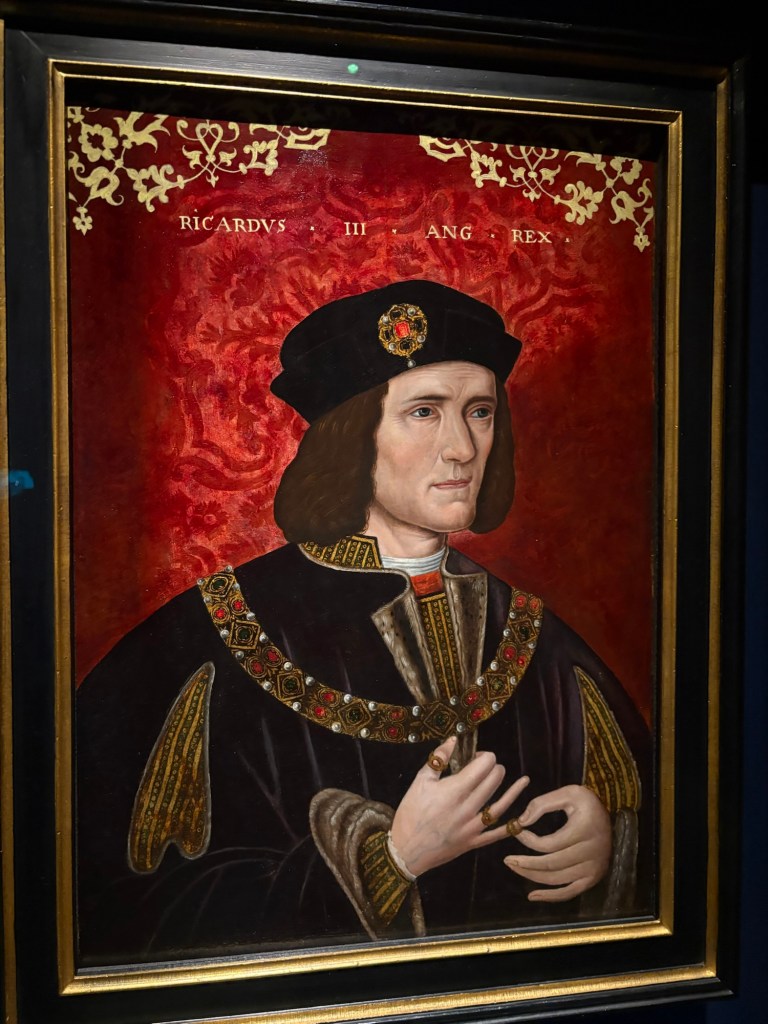
King Richard III
This painting is fascinating ! & was designed to make him look odd. He was the last king of the house of Plantagenet & died fighting Henry Tudor. The dark crimson background & flower design, his royal robe & red, silver & golden jewelry demonstrates his royalty but also weariness. King Richard III looks anxious, cold and untrustworthy.
“He holds no symbols of power, like a sceptre, and the one item he does have, a sovereign ring on his little finger, he fiddles with nervously.”
Fun fact: King Richard III had scoliosis!
 Theatre in London U of A