National Portrait Gallery

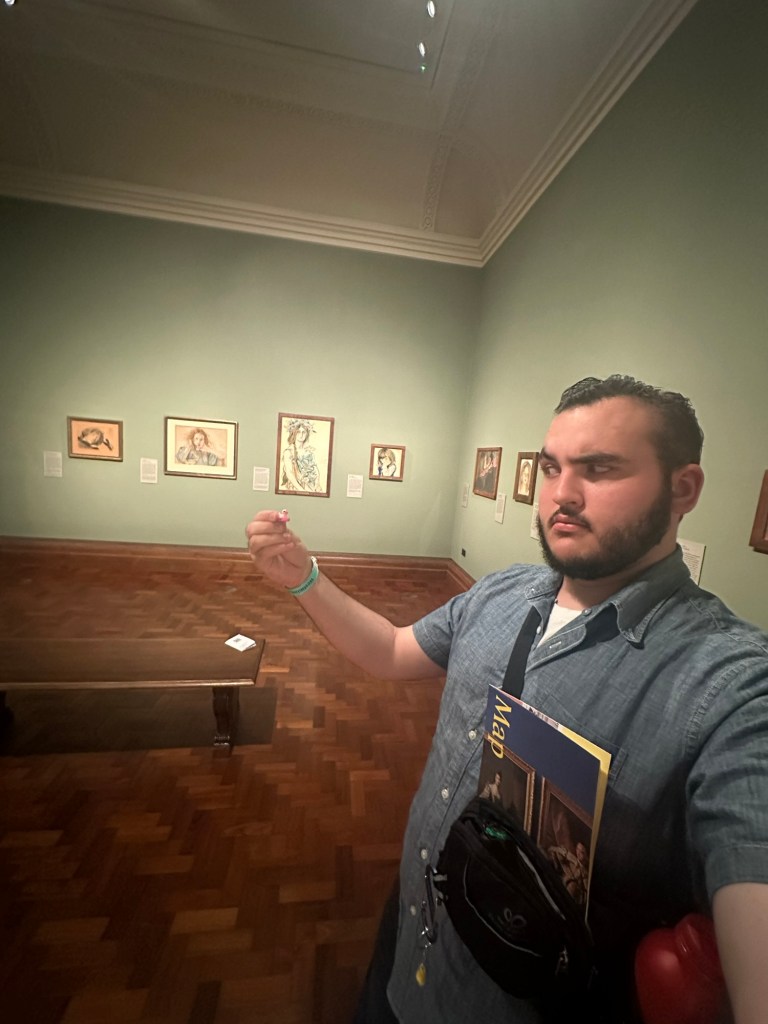
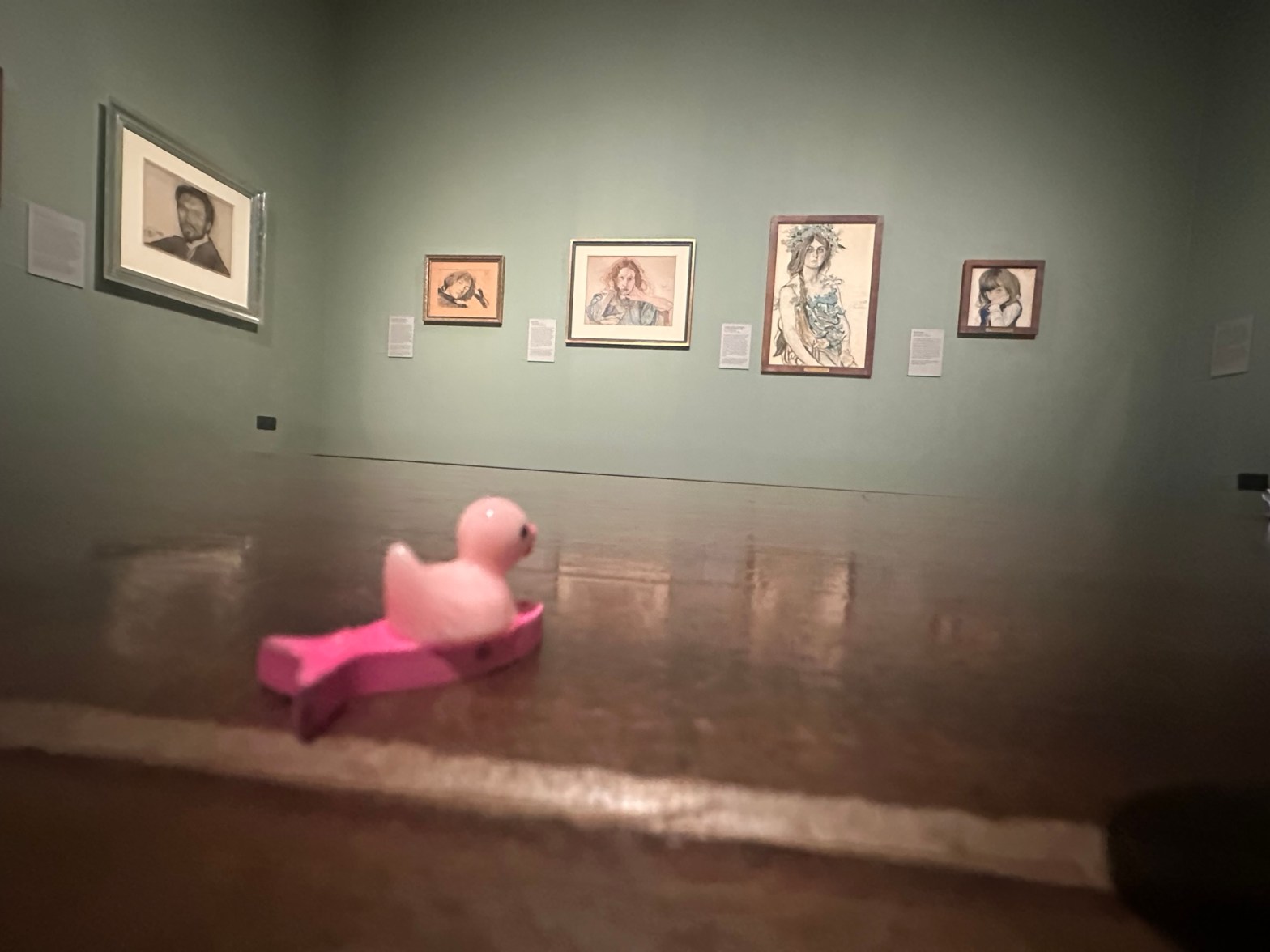
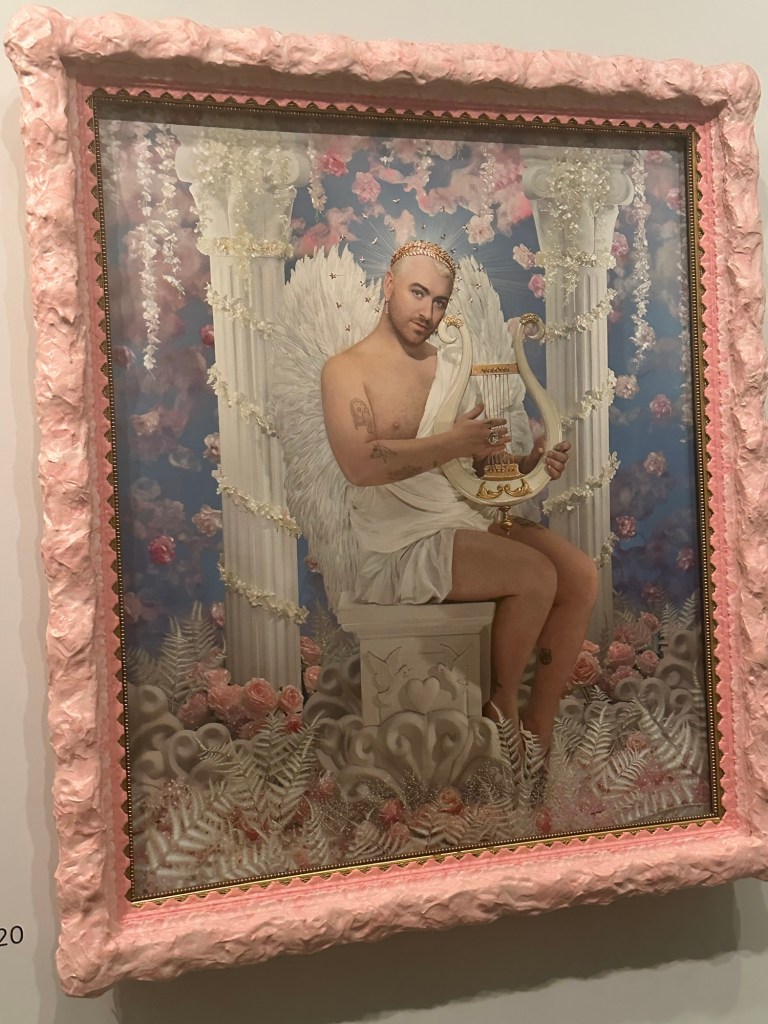
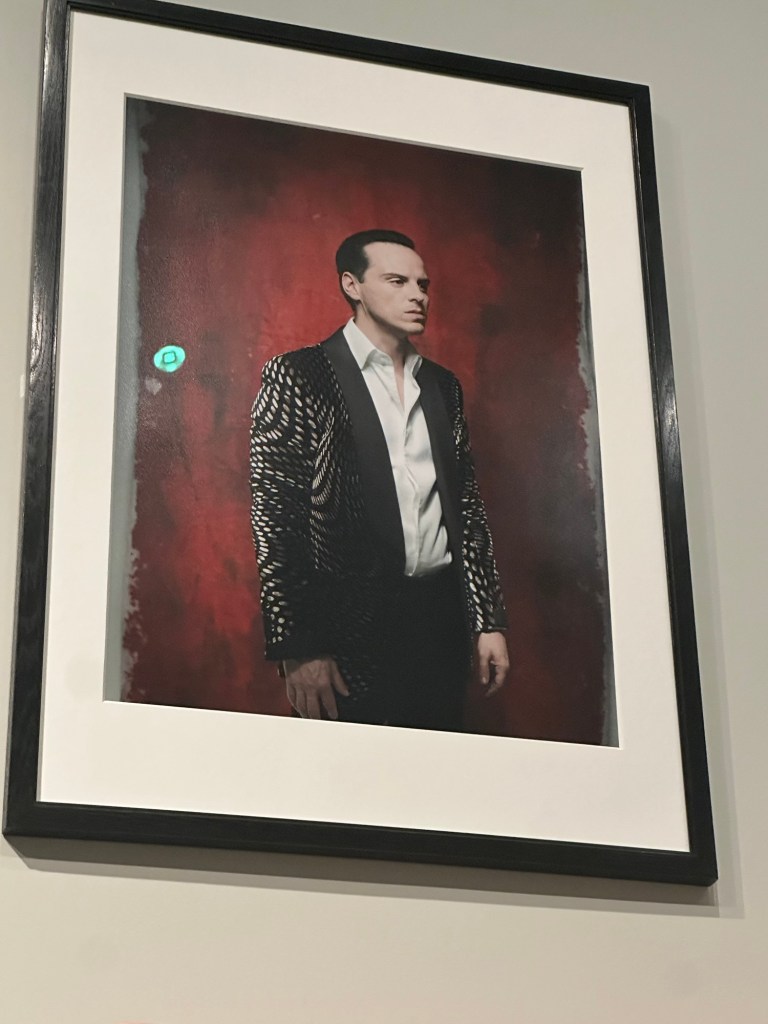
Woohoo paintings!!! More specifically portraits. On June 4th, we went on a little journey to the National Portrait Gallery, and I gotta say, it was definitely my favorite gallery or museum we went to during the whole trip. Although I didn’t quite think it would be, this gallery and the paintings inside just grabbed (and kept) my attention. I’ve always loved paintings, but actually being able to view this sheer amount of portraits FOR FREE was awesome. As a result, I ended up only seeing a fraction of the art I really wanted to. All the art was so fantastic, however, one artist kept me captivated for longer than any other. His work had its own room, one that I spent the majority of my morning inside. This artist is named Stanislaw Wyspiański.

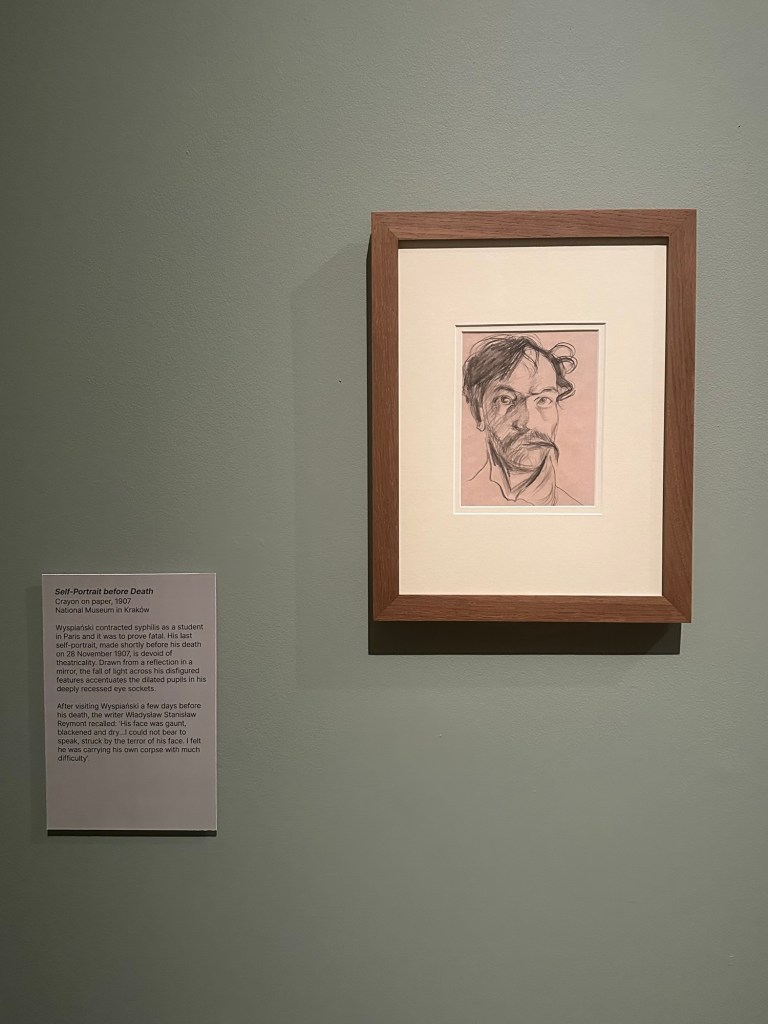
Stanislaw Wyspiański (1869-1907) was a highly acclaimed painter, poet, and playwright in Poland. He had quite an influence on the evolution of Polish theatre and many of his plays are still performed there today. Wyspiański was a large player in the “Young Poland” movement that focused on making distinctly modern art based on traditional folk styles. The gallery I had the opportunity of viewing is the first one to house Wyspiański’s work to this volume outside of Poland. Speaking of, I’d like to talk about a few of his works and his style before honing in on my favorite of his work.
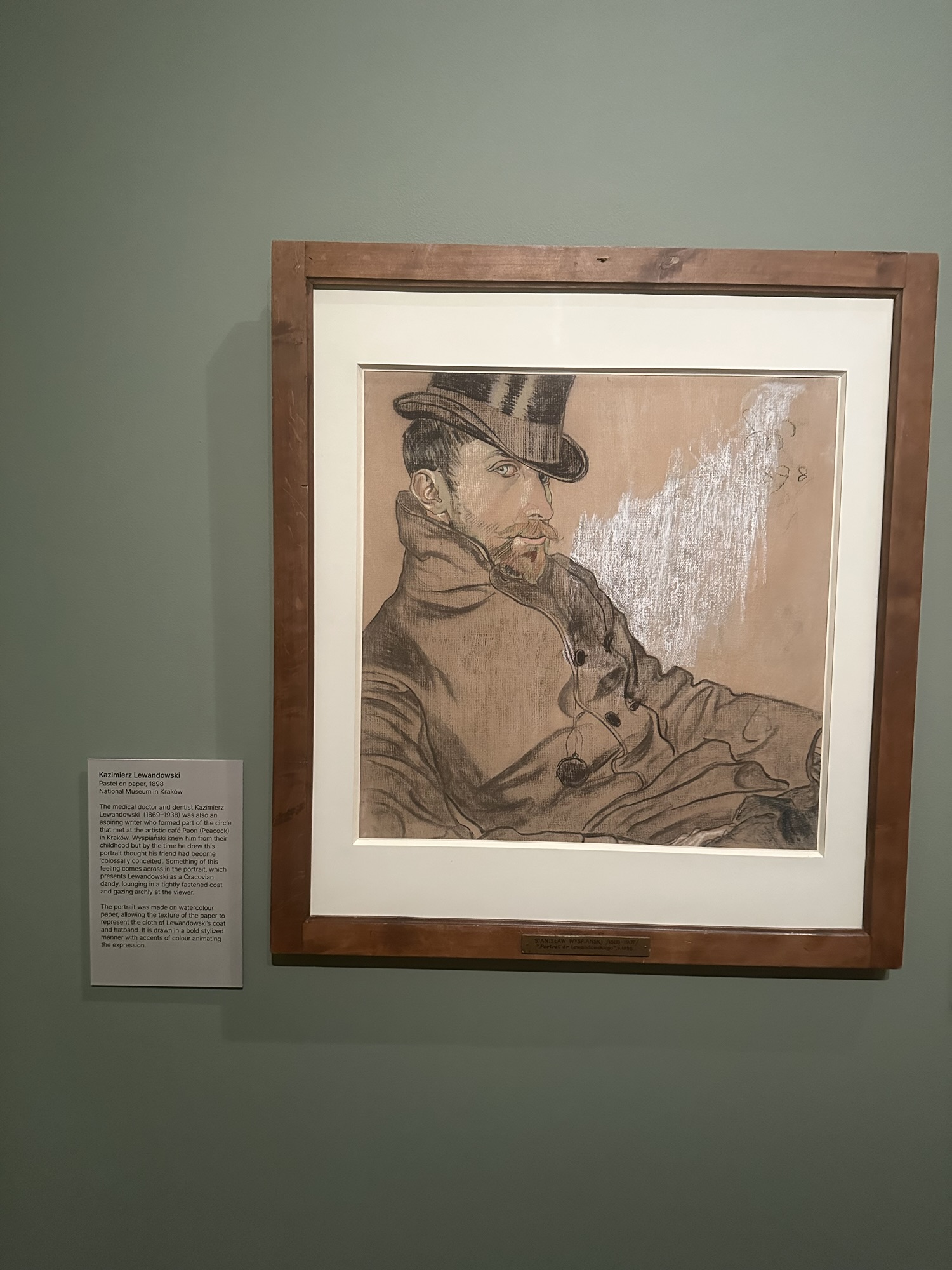
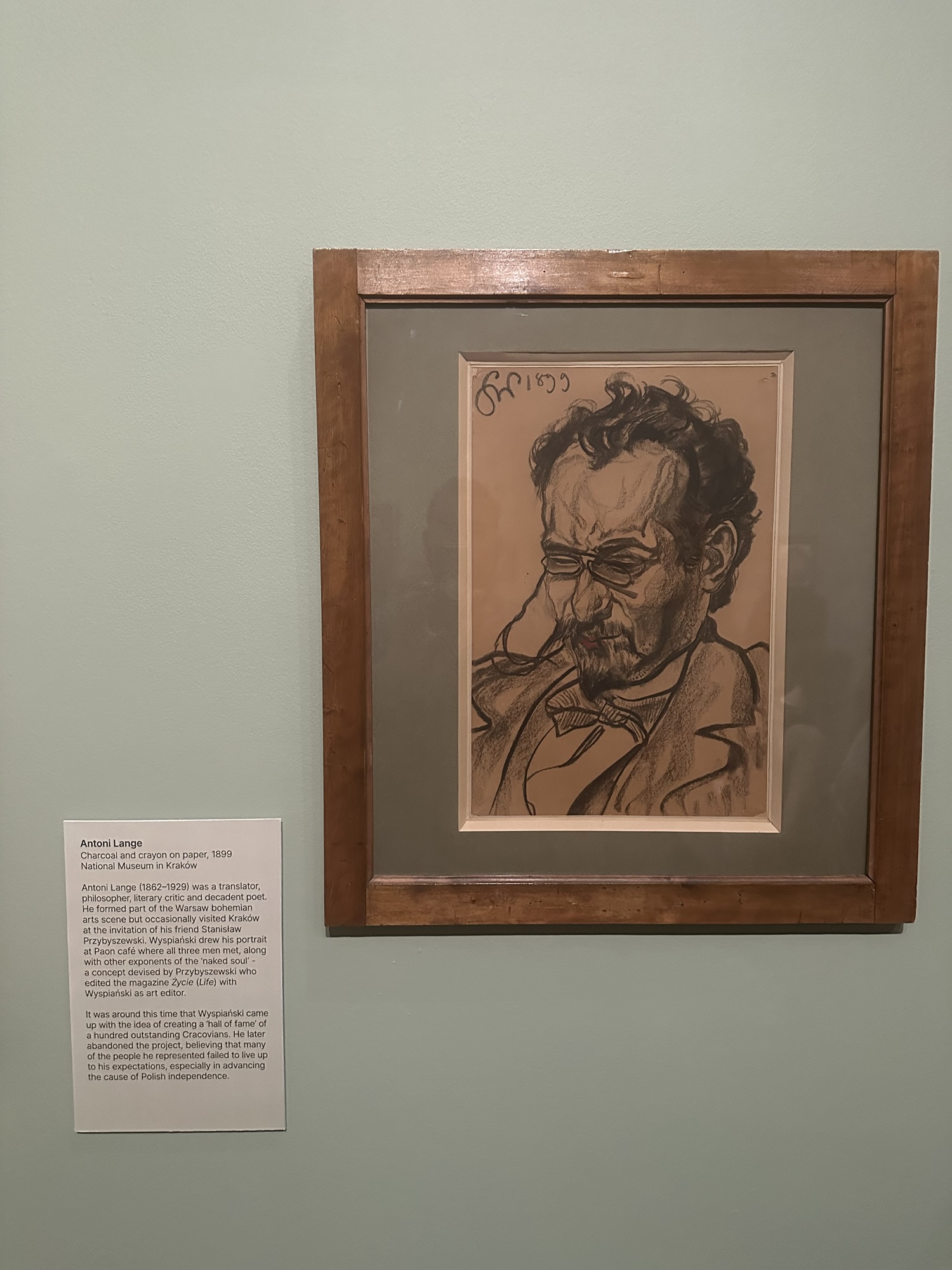
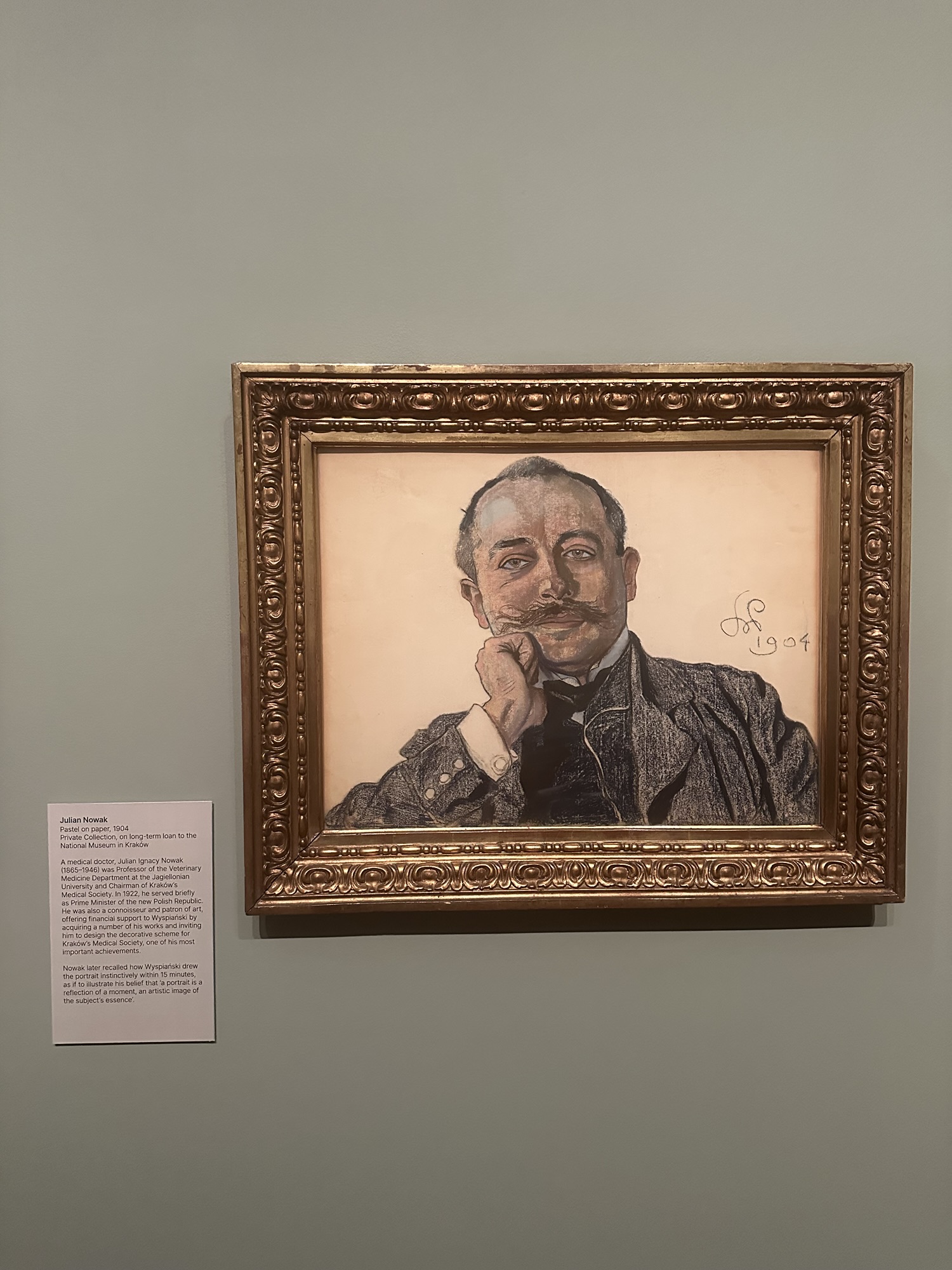
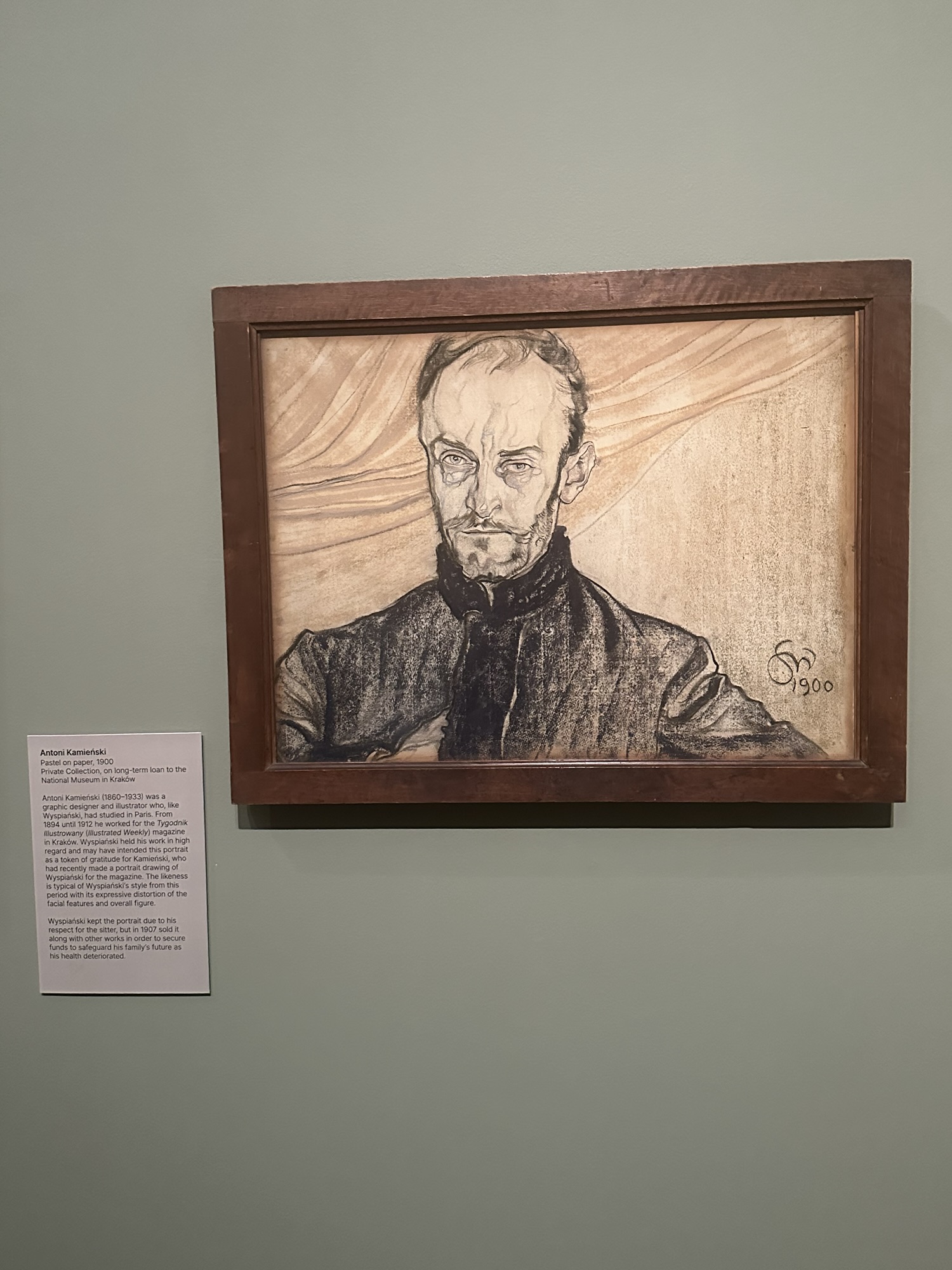
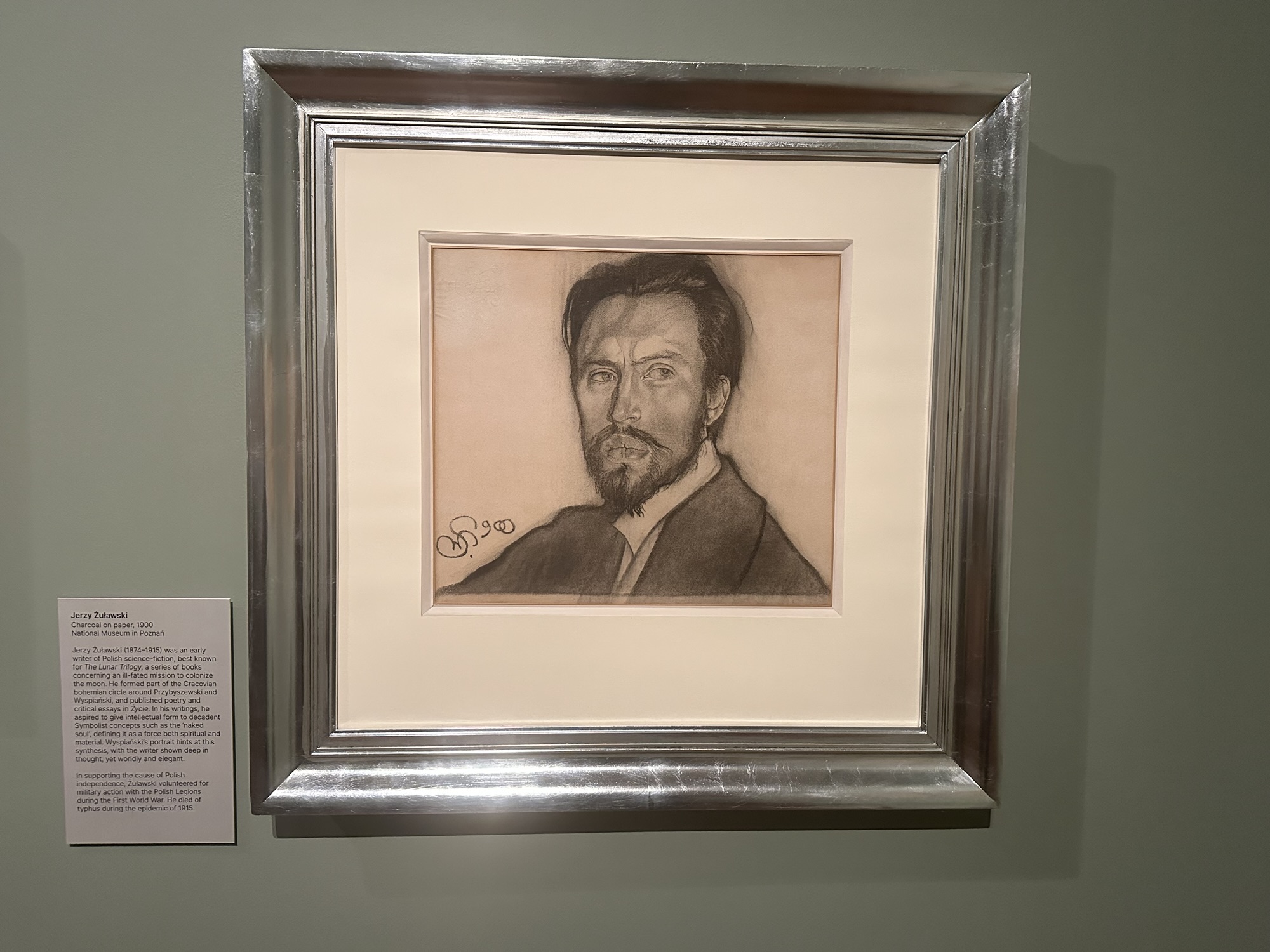
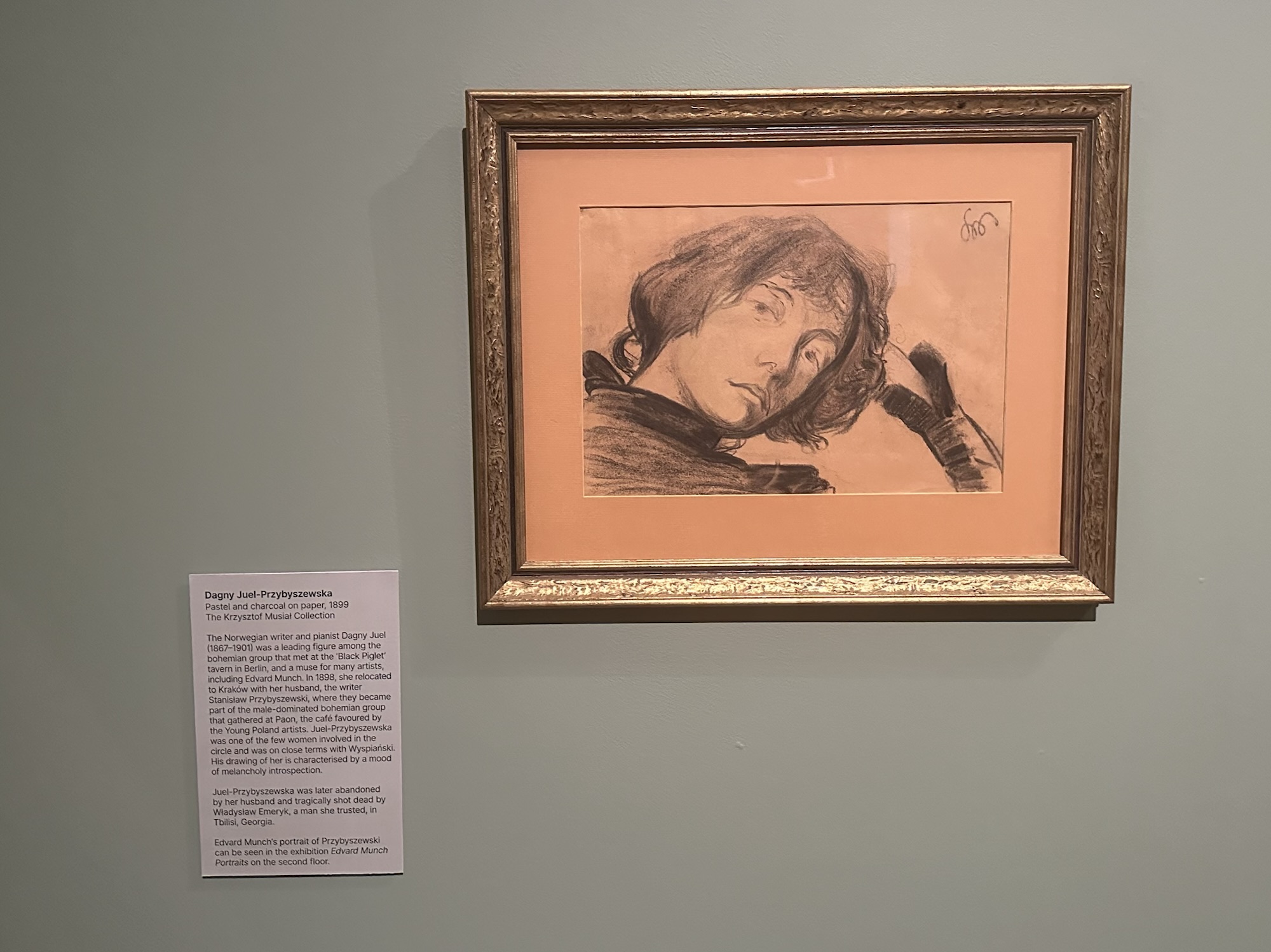
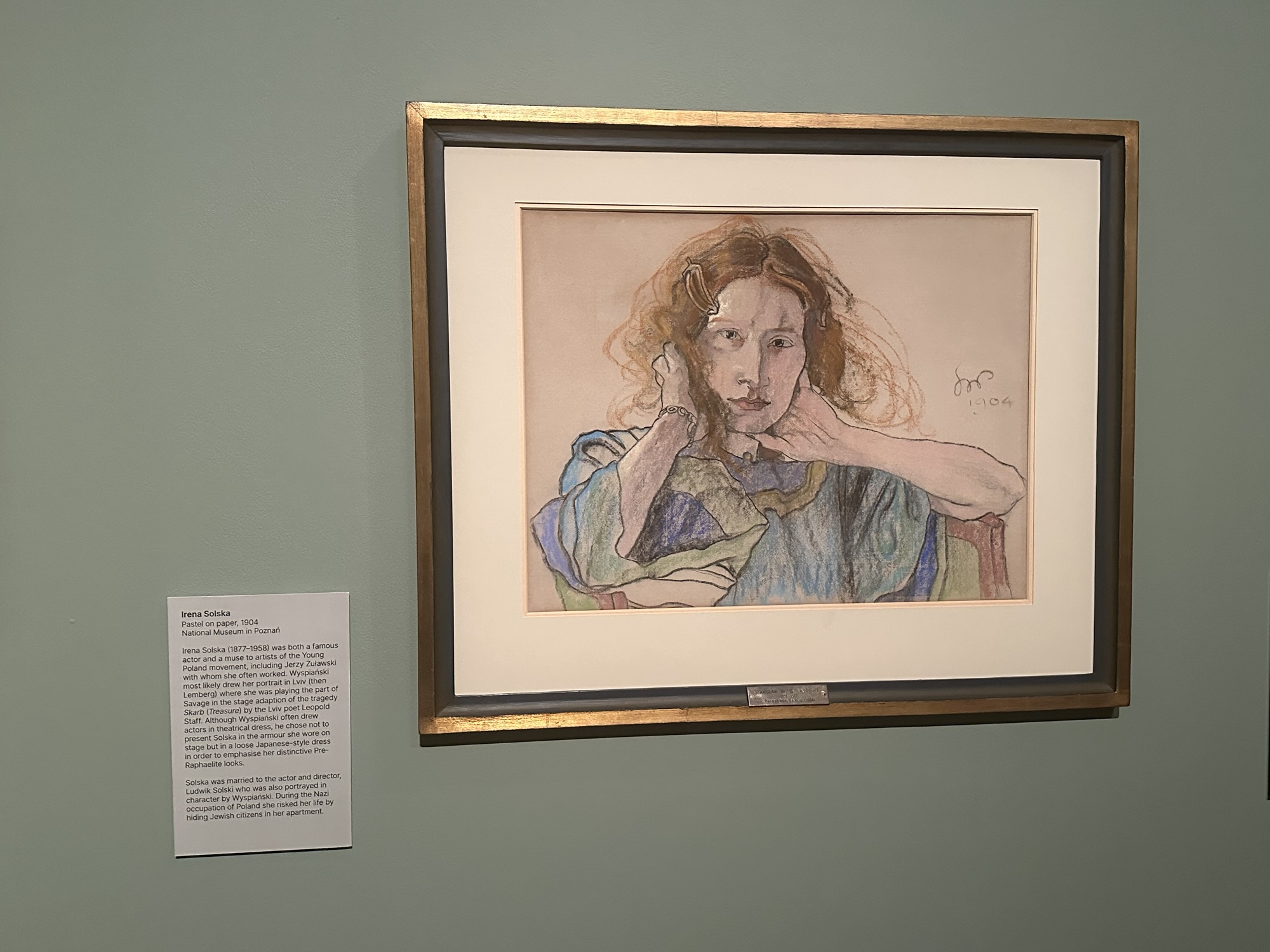
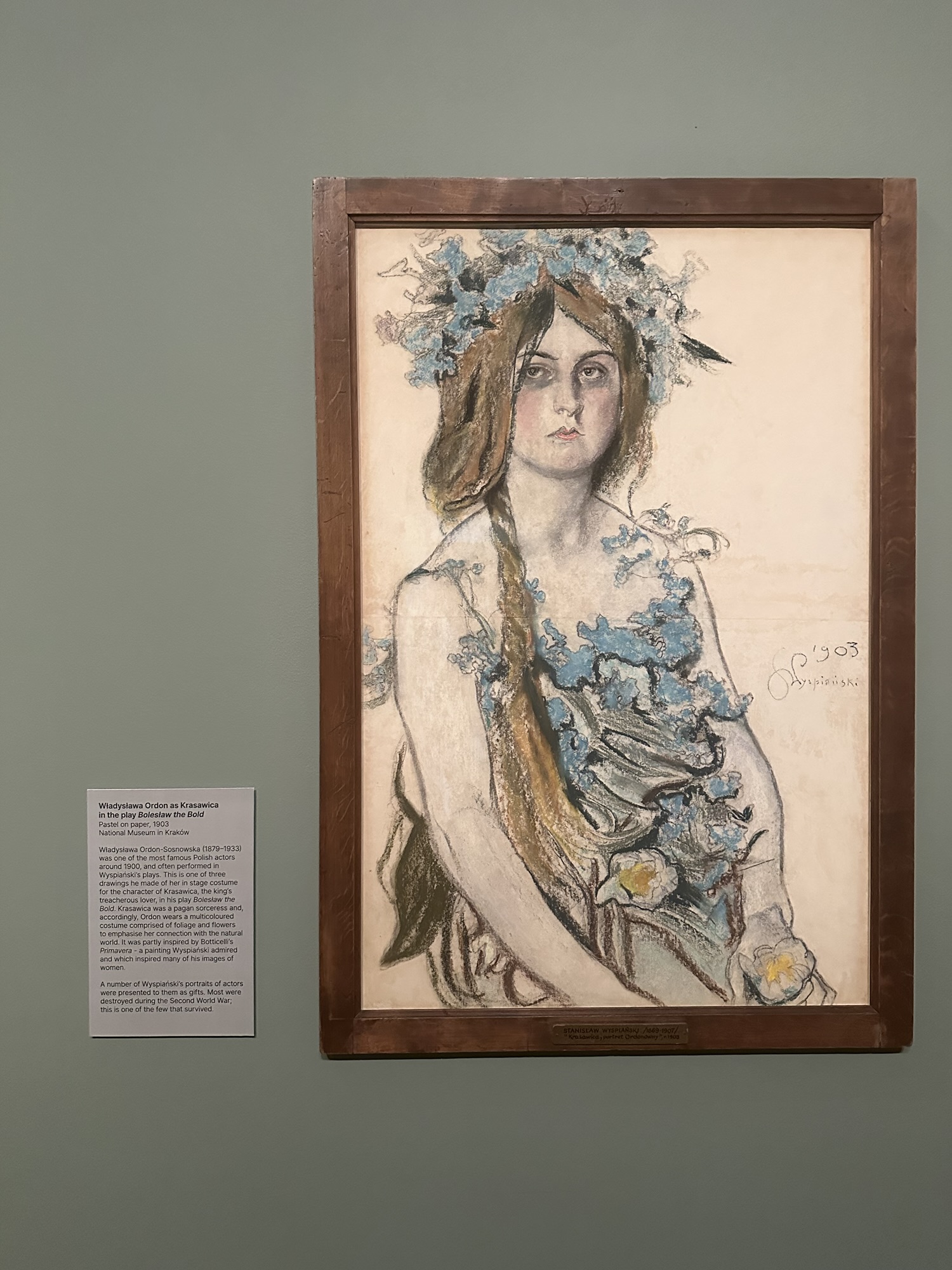
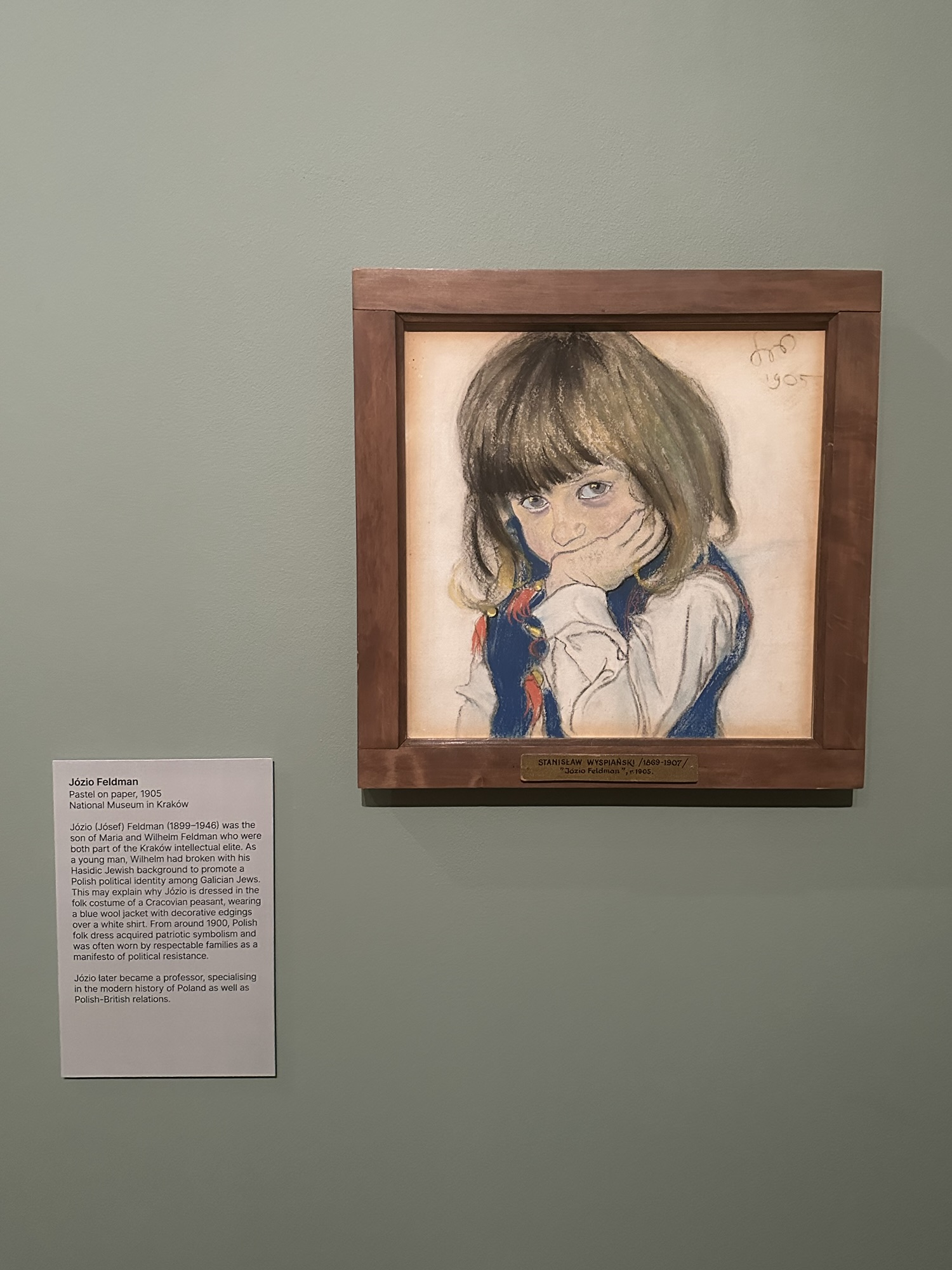
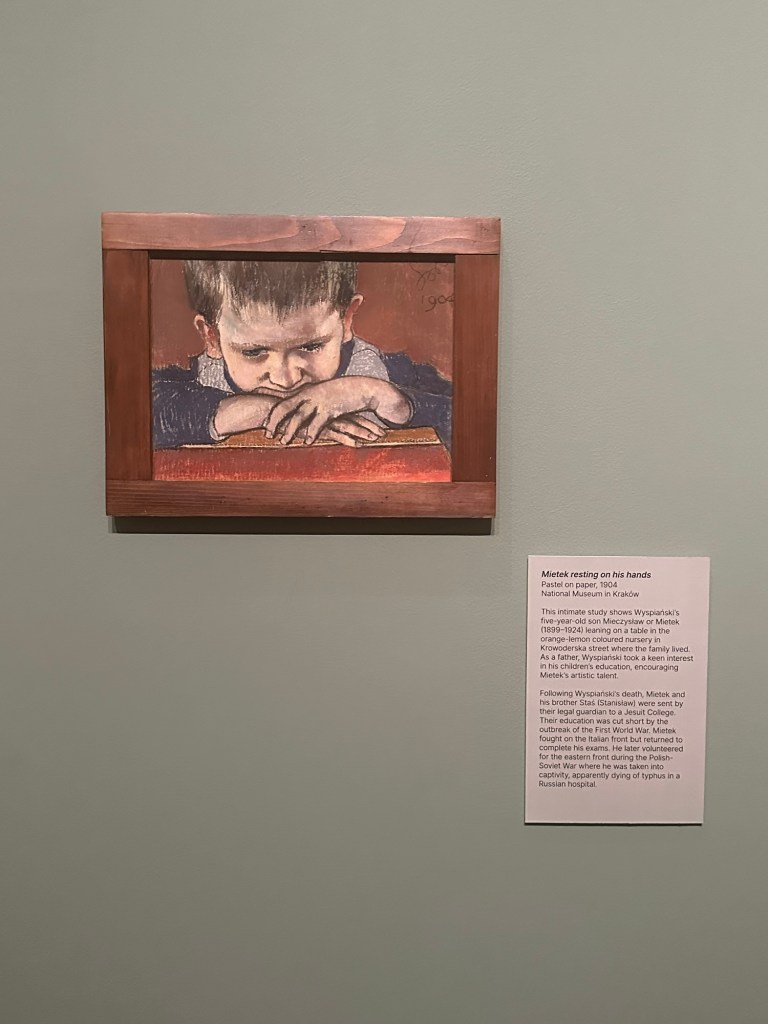
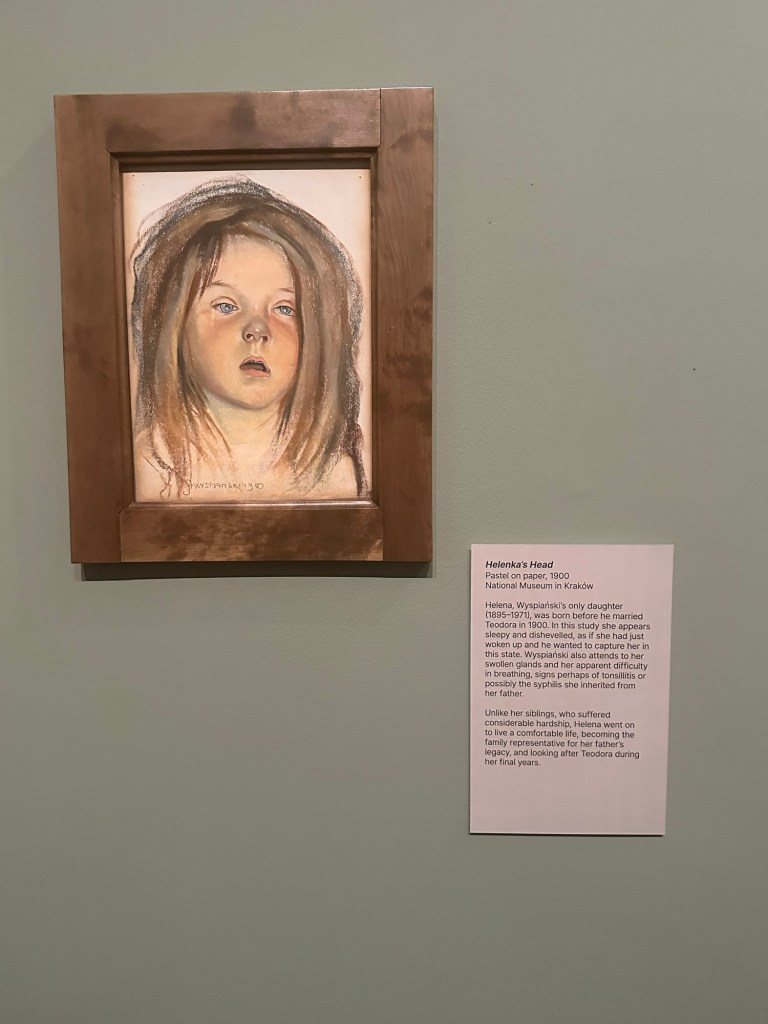
Taking up a large section of the gallery are Wyspiański’s portraits of his fellow Cracovians. Many of the sitters were also fellow aspiring writers who would meet in different Cafes as part of the Young Poland movement among others. A detail of note is that most of these sketches were done in a very short time. Julian Nowak, the sitter of one portrait, recalls how “Wyspiański drew the portrait instinctively within 15 minutes” (per the label). The final four paintings in this slideshow are of popular muses of time, many also muses of Munch. Many of them were writers and actors with Józio being the daughter of Kraków elite. An analysis could be written about any one of these portraits and how they capture both the spirit of the sitter and, especially in a few cases, Wyspiański’s opinion and level of respect for them.
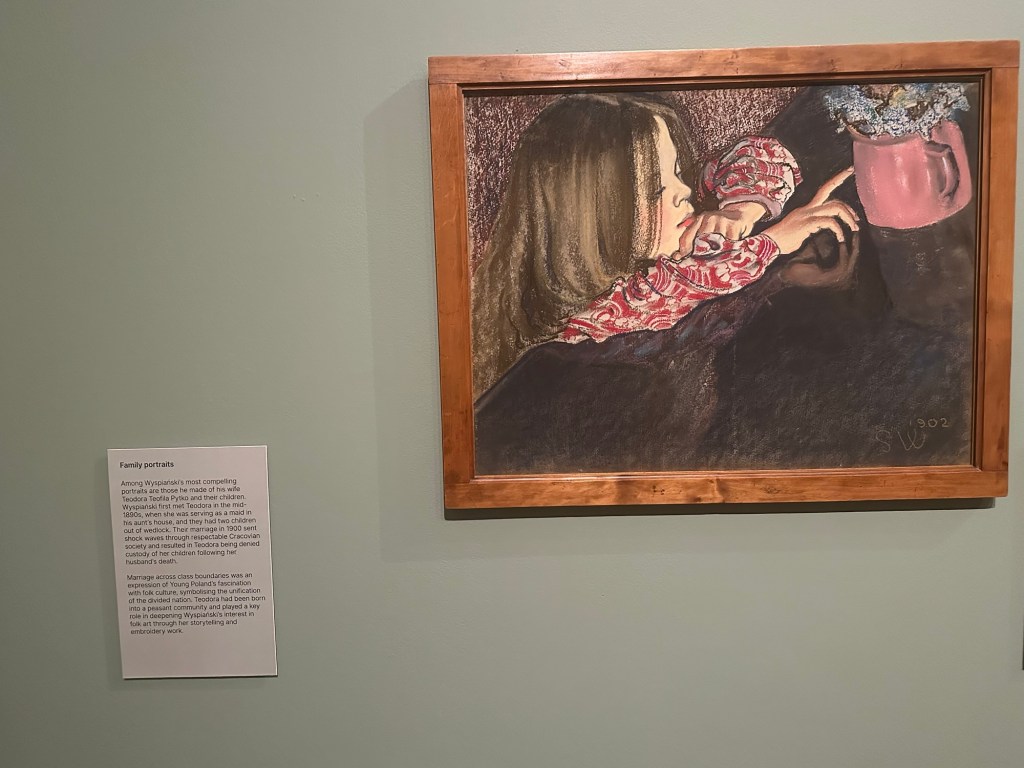
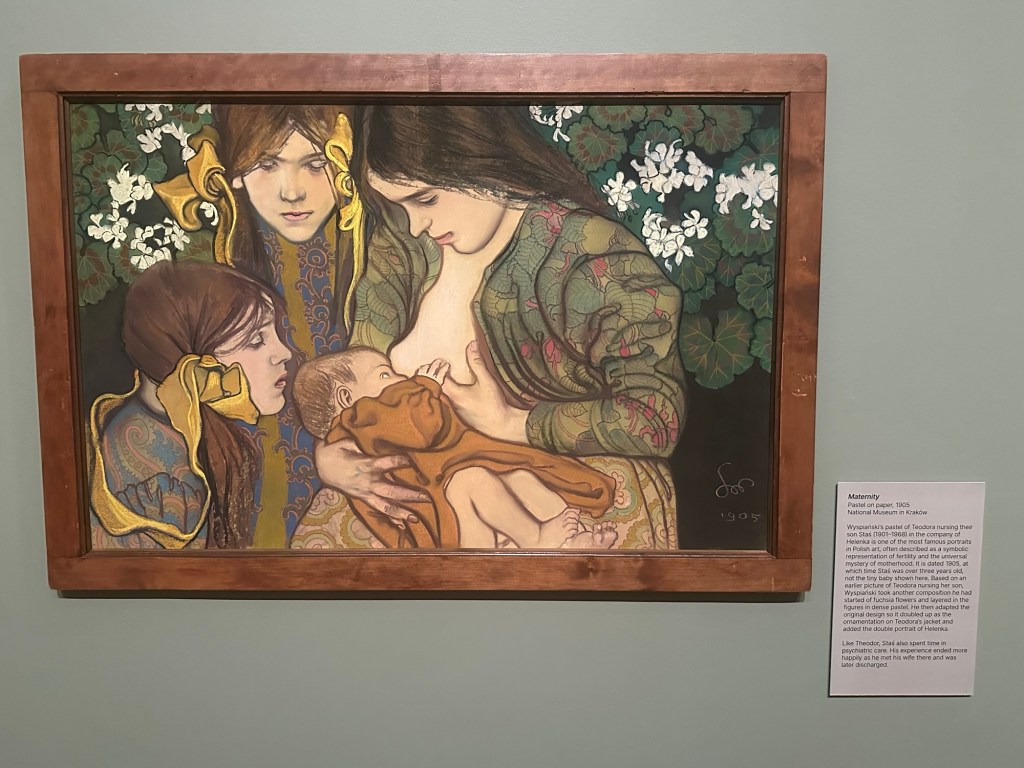
Some of Wyspiański’s most compelling and expressive work are those of his wife Teodora Teofila Pytko and their children. These portraits are all in color and often feature backgrounds and expressions that more deeply portray the personalities of his children. One of these portraits is my personal favorite that I would like to talk about at more length.
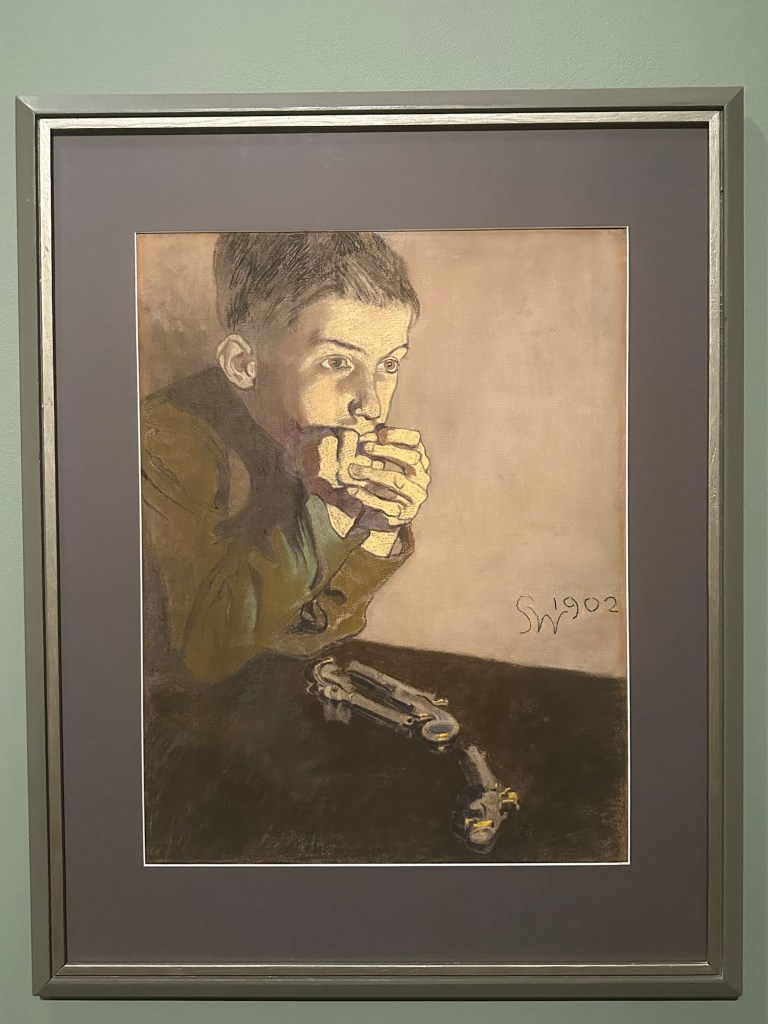
My favorite of Wyspiański’s works is his portrait “Boy with Pistols.” Out of the whole gallery, I spent the most time looking at this one. Wyspiański did this pastel drawing in 1902. The boy in the picture is Wyspiański’s wife’s “eldest illegitimate son, Teodor Tadeusz” (per the label). Like many of Wyspiański’s works, there is not much in the way of background. However, this pastel is in color. The main thing I think that can be gleaned from the portrait is the instability. Teodor’s fingers are somewhat bony as holds his hands over his mouth and stares forward. The label beside mentions him clenching “his fists in fear,” but I don’t really read as much fear from it personally. I think the situation itself influences my perception. Three pistols sit scattered in front of him, their thinness similar to that of his fingers. Teodor is not focused on the weapons, but they still sit very nearby. The portrait makes me feel uneasy. This seemed to be purposeful by Wyspiański as the main details known of Teodor chart his troubles with mental health. Though Wyspiański was Teodor’s legal father through adoption, he was not his biological father. The history and relationship between the two seem indicative of the stance of Teodor, being the only of Wyspiański’s portraits of his children to be facing distinctly away from the viewer’s perspective. I am not very knowledgeable of visual art and symbolism in portraits, so I apologize if my analysis seems somewhat juvenile. Nonetheless, I was fascinated by this pastel and intrigued by the history behind it.
Getting to really immerse myself in one artist’s style was a very strong experience. It makes me wish I was any good at art myself. More importantly, it makes me want to try. I quite enjoyed this venture.

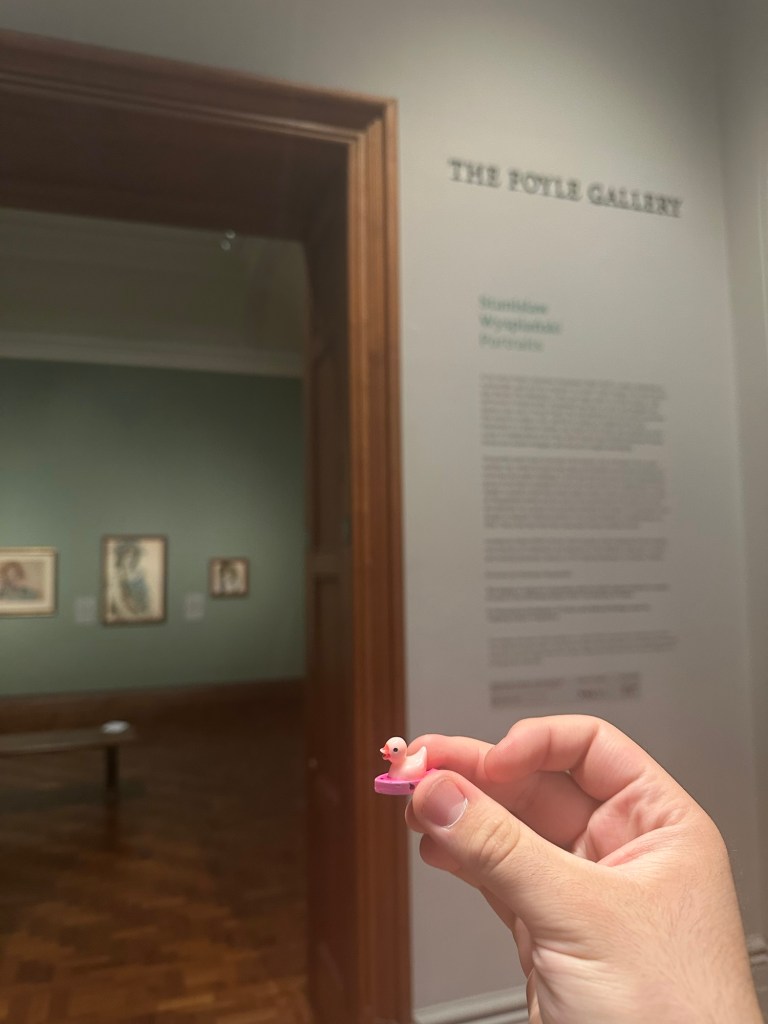
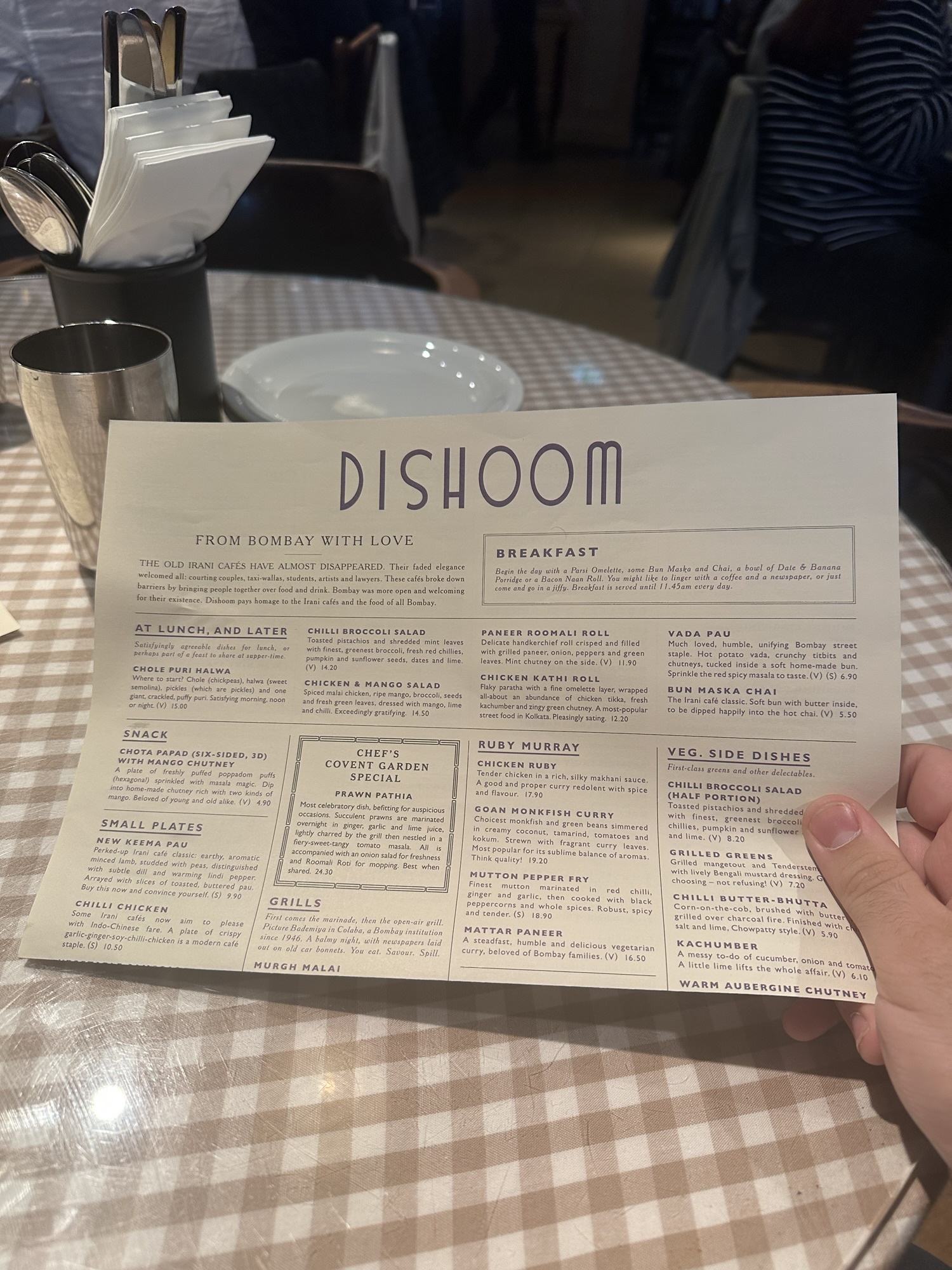
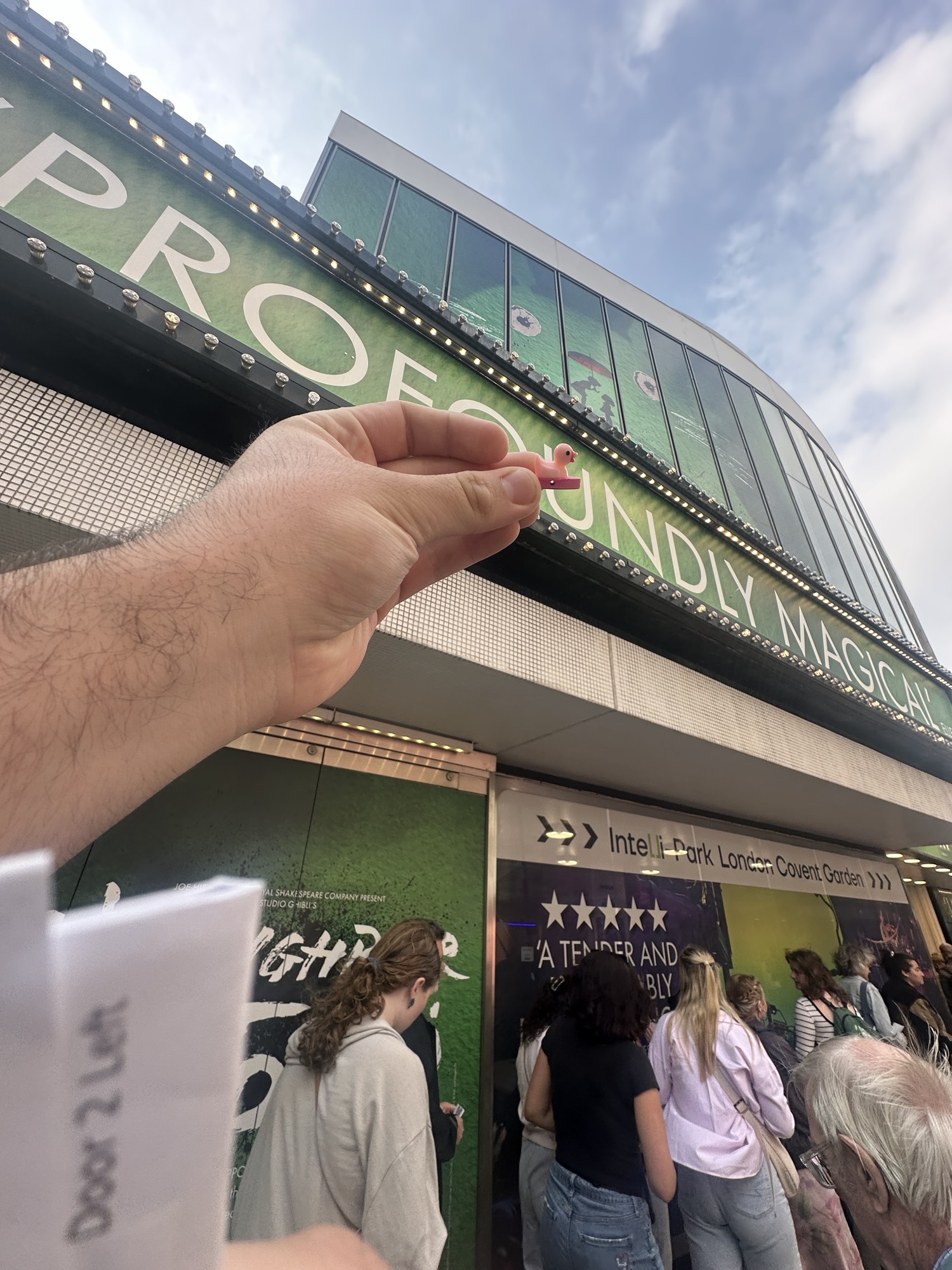
Today’s Squirt and Tucker special starts with a redirection. After viewing all these wonderful portraits, Squirt and I joined Ilaria in a visit to Dishoom, a fantastic Indian restaurant nearby. However, I will not speak any more about it, because I have already done so in my post about the markets and cuisine of London. And, so, you will have to read that (if you haven’t already) to get the full scoop. However, in the slideshow below, you may still enjoy some pictures from the pre-show photoshoot Squirt and I did at My Neighbor Totoro, which our group saw that night. No pictures are available of the set or curtain call as to keep the magic of the puppets and such used in the show. Despite this I hope you enjoy a few silly pictures of Squirt and I!
A tour through the Abbey

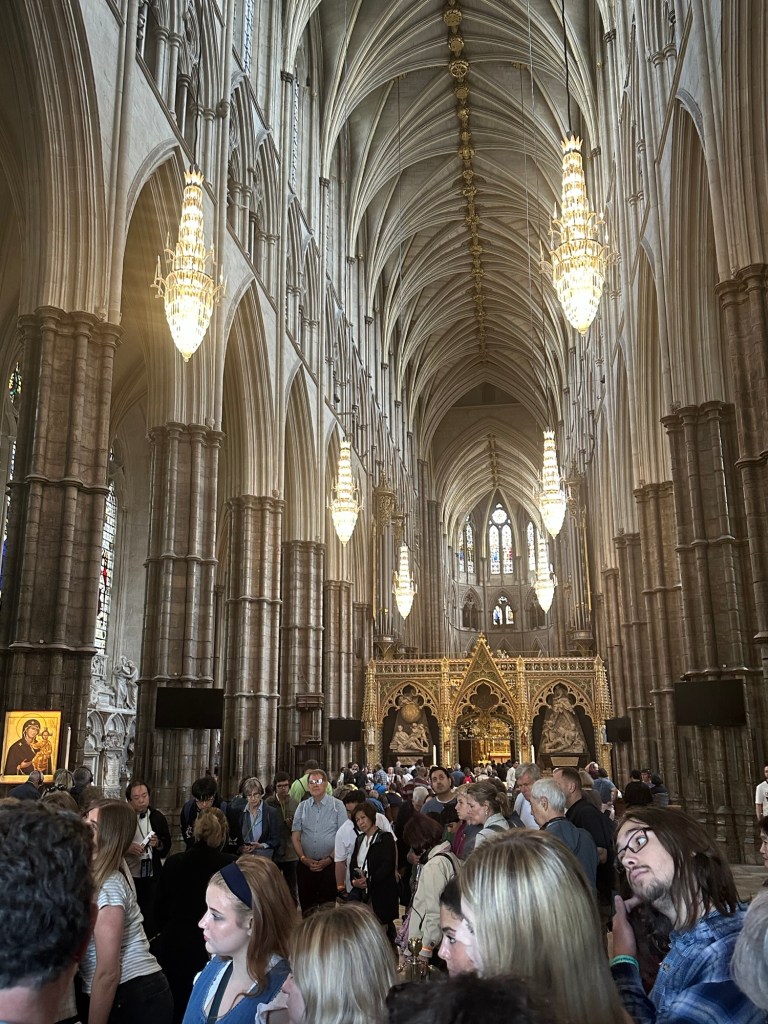
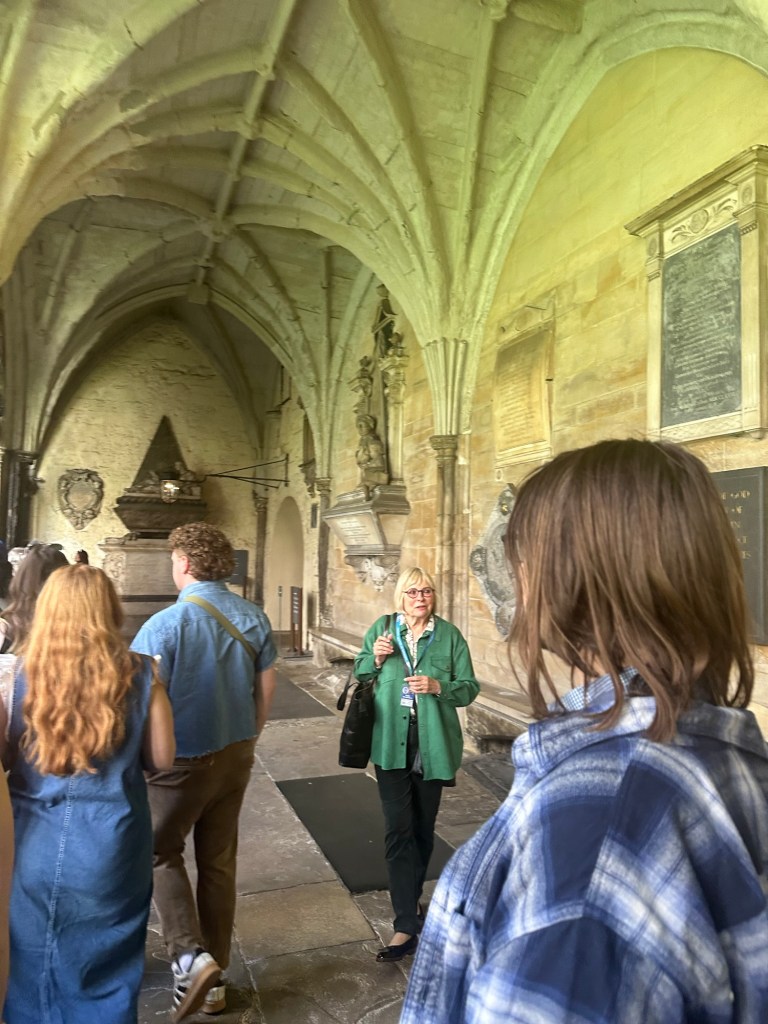
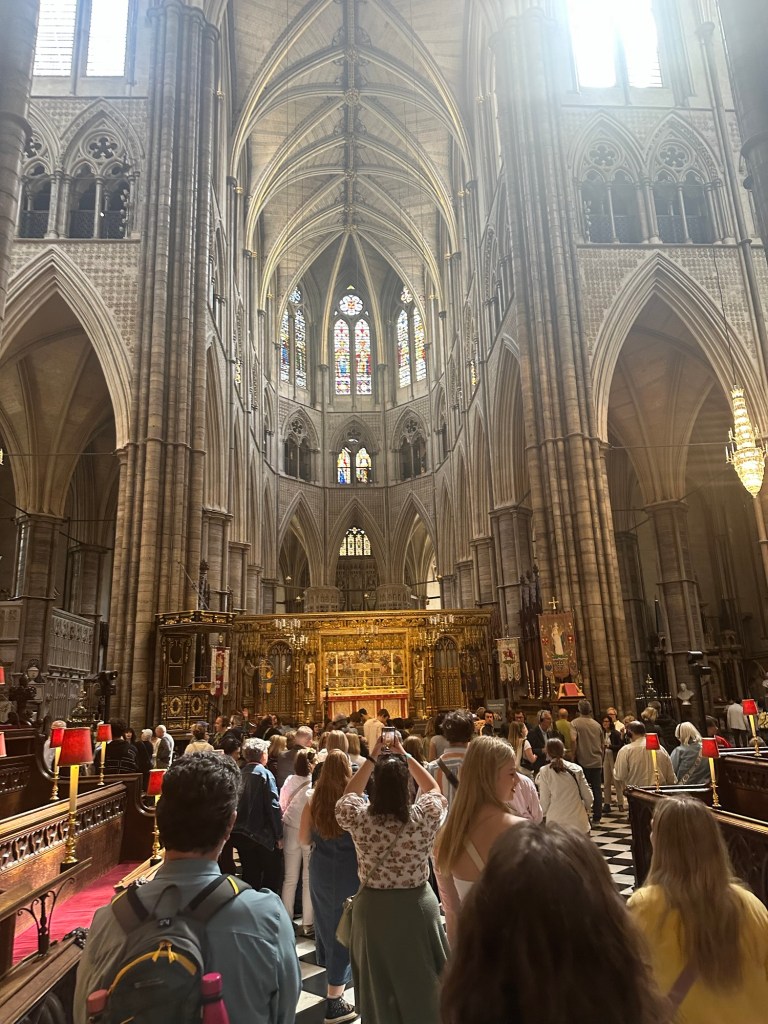
On Monday, June 2nd, we got a guided tour through Westminster Abbey. This historic church is the final resting place for many royals, poets, soldiers, and general people of influence. And many other figures of Britain’s past are also commemorated here, even if their bodies lie elsewhere. With this post, I’d like to cover some of these figures.

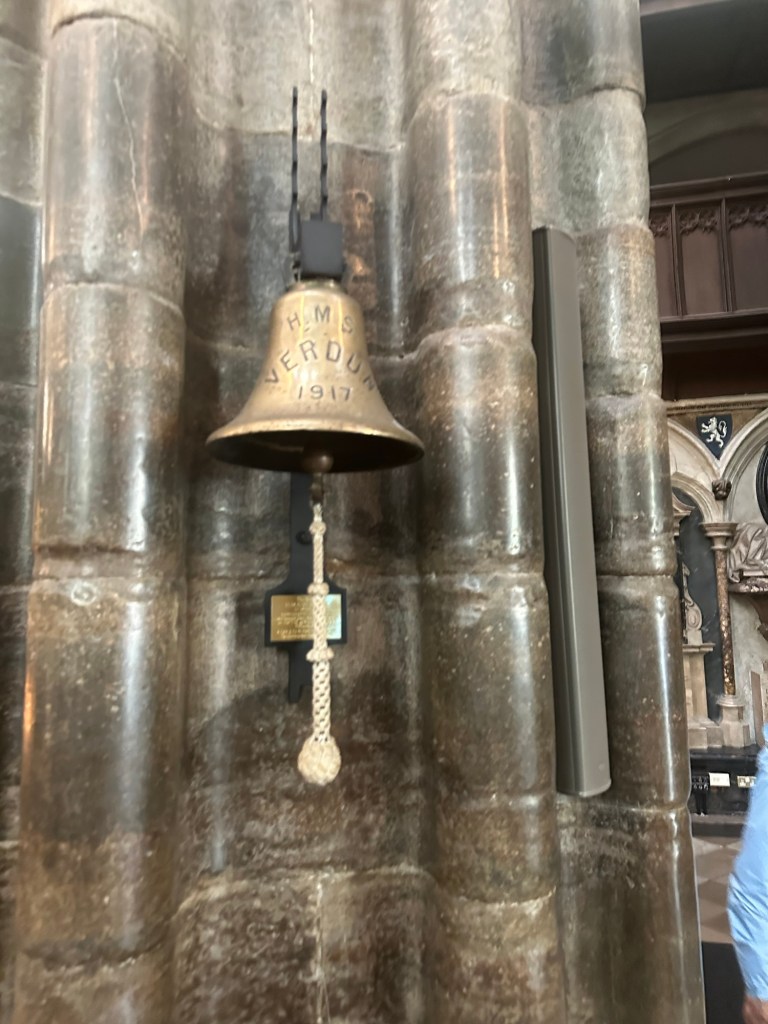
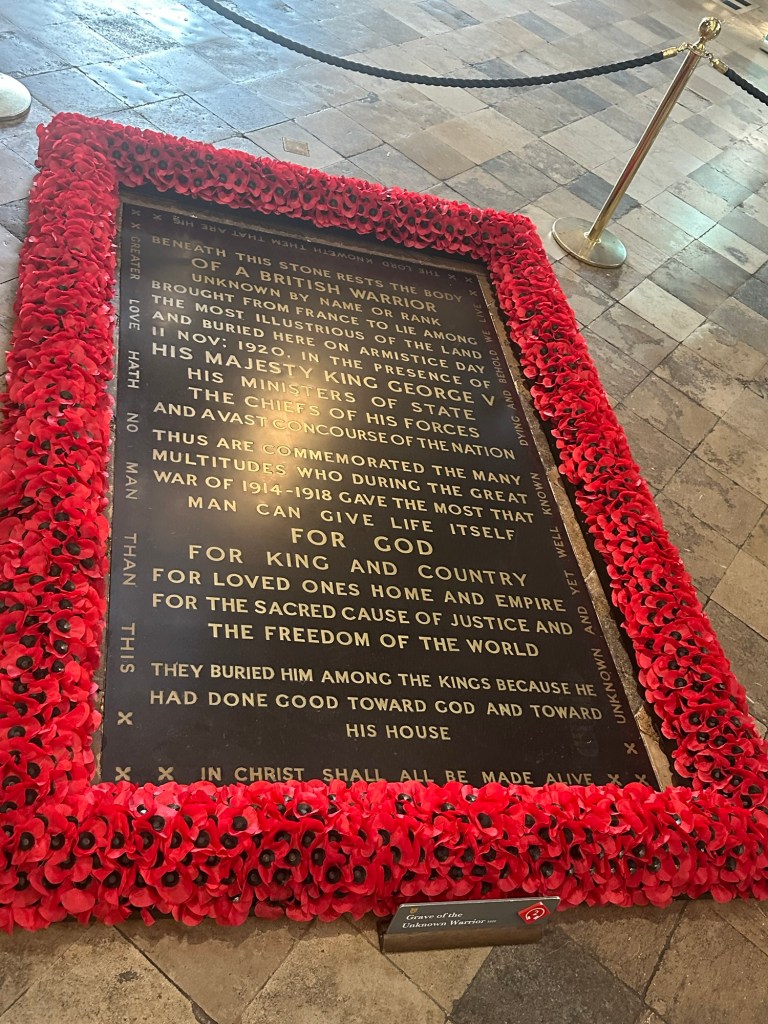
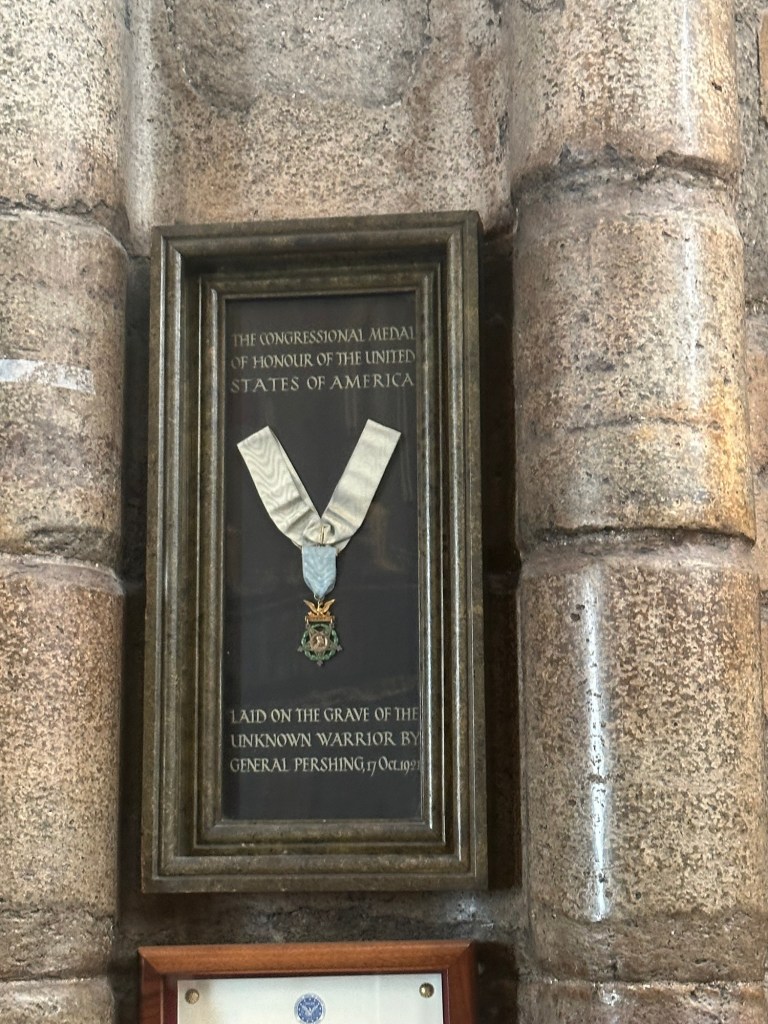
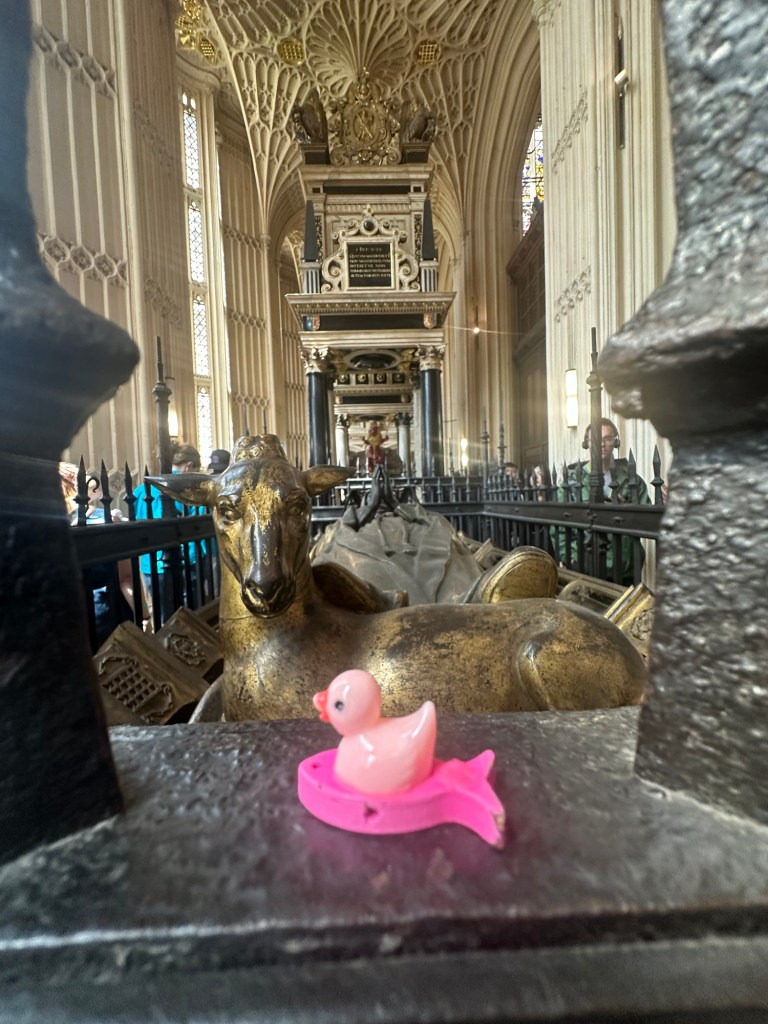
After seeing some sections of the beautiful architecture and learning a lot about the history of the building itself from our tour guide, our group’s first proper stop was at the grave of the Unknown Warrior. As is natural, nothing is directly known about this person. The body itself is that of a British soldier who “fell in the Great War 1914-1918 for King and Country” (per the coffin plate inscription). The memorial itself is representative to the thousands of soldiers who died in war with no grave for their families to mourn at. In general, it represents the sacrifices of every soldier who died and has died in war. The idea itself came from Reverend David Railton who noticed a grave of (by the inscription) “An Unknown British Soldier” in France. He then started the process that ended with an unknown warrior being buried and the memorial being made. Many ceremonies and items have been made or added to commemorate this memorial. The picture above is the bell of H.M.S Verdun which is the ship that brought the body from France. The other is a Congressional Medal of Honor from the United States of America awarded to the warrior on October 17th, 1921. Under that, not visible in the picture, is a flag from the Congressional Medal of Honor Society given in October 2013. Standing in front of this memorial was, in itself, a powerful experience. With all it represents, it was an honor to be in its presence.

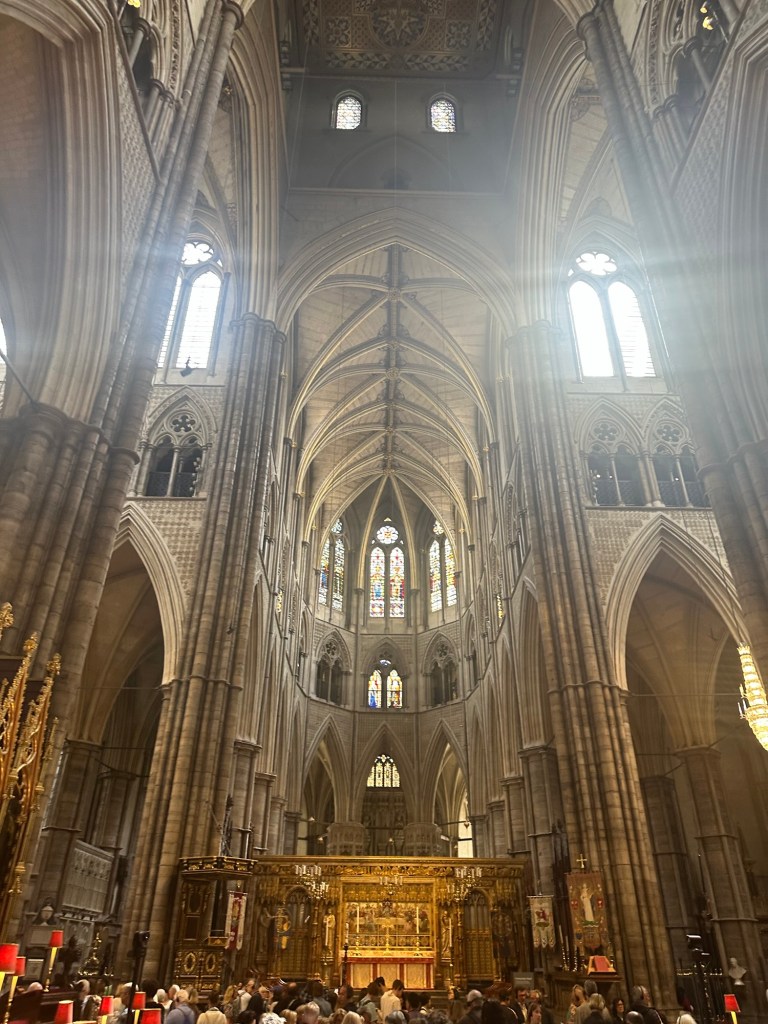
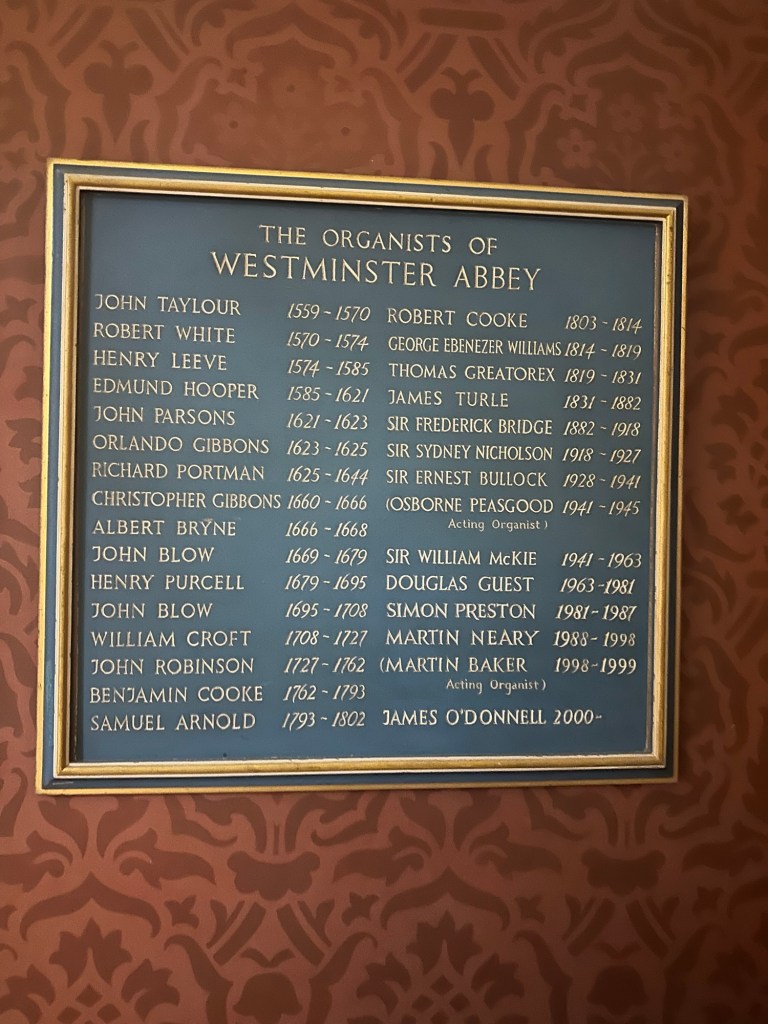
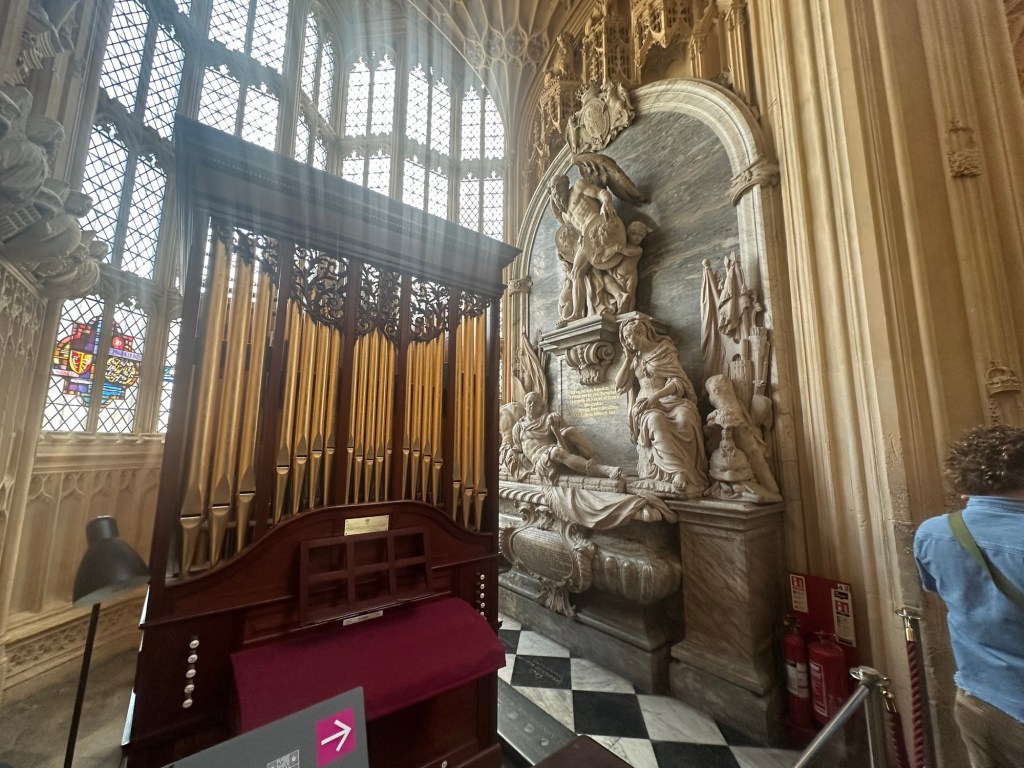
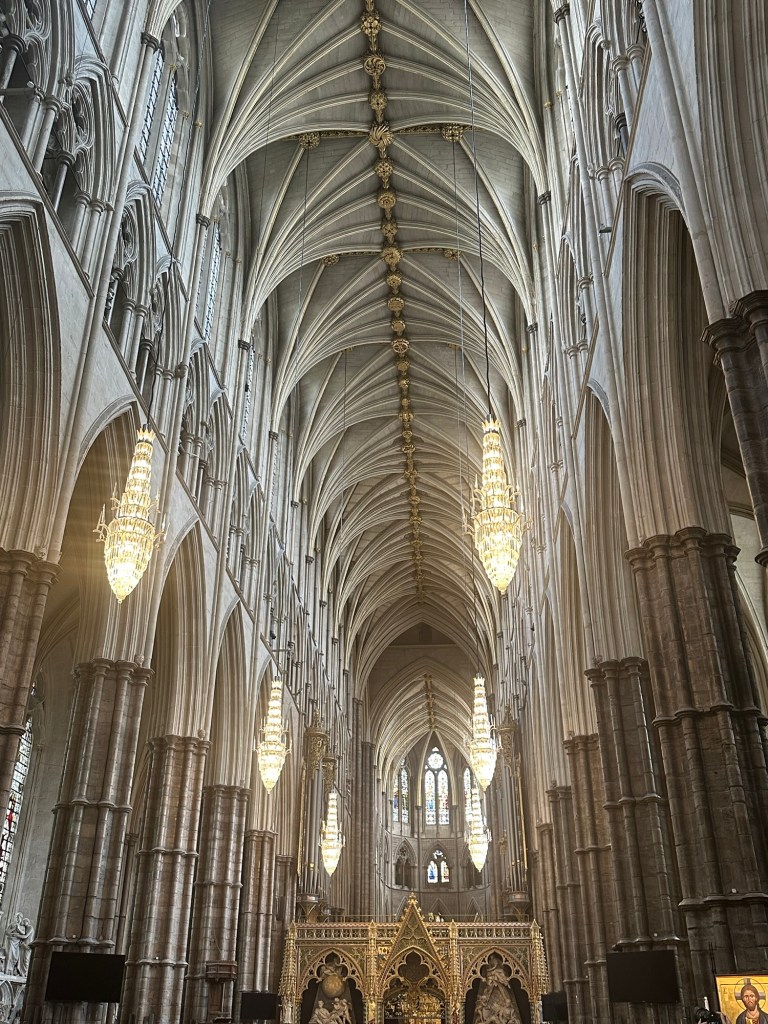
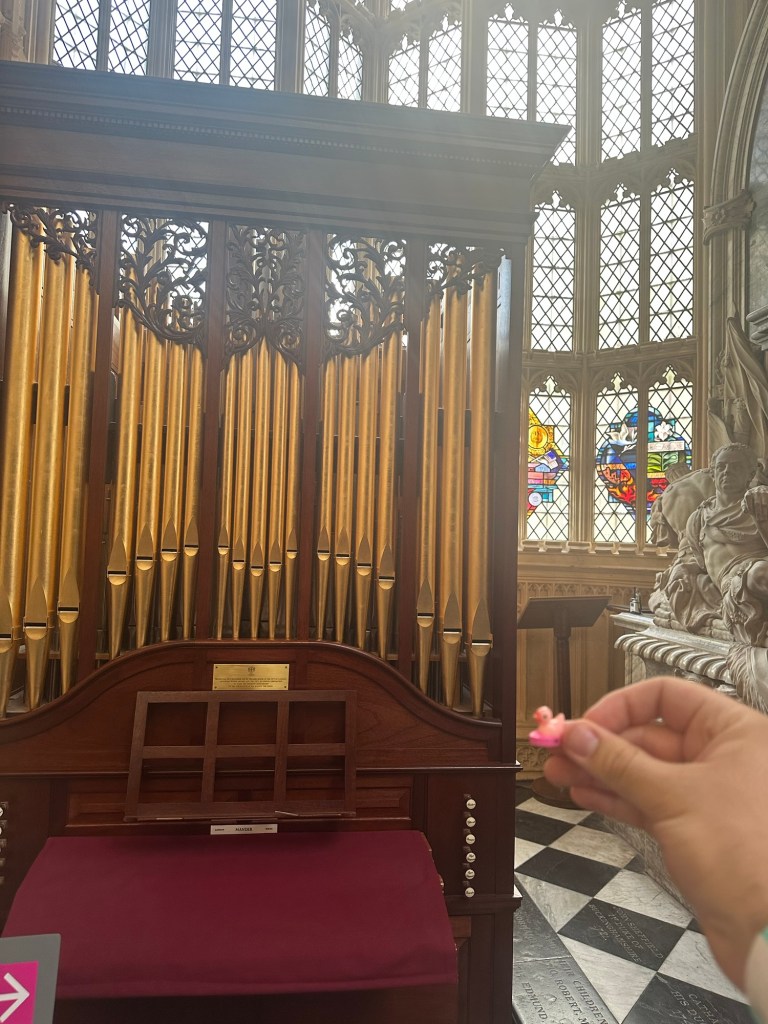
Before explaining the memorial of one man honored in the Abbey, I’d like to explain the item related to him that caught my attention, the Abbey’s organ. Of course, the building is a church and still holds service to this day. Still this church’s organ and its history is quite a marvel in itself. Now, the organ in the picture, The Queen’s Organ, was only made and installed in November 2013. However, there is evidence of organs in the Abbey all the way back in 1304. The main artifact of those older organs are the pipes of the Harrison & Harrison organ. In the distance of the roof picture above, you can see part of the piping for the instrument. Although only installed in 1937, it uses the piping of one of the last manual organs built in 1848. The main other specific history of organ use is through the records kept of the Abbey’s organist from 1559 to now. Some organists only served for a few years, some for ten to twenty, but organist James Turle served for 51 years, from 1831 to 1882. When there, I did not think to take a picture, but Turle has both a monument and a memorial window in the Abbey. Turle was born 1802 and his death in 1882 also marked his retirement from being the Abbey’s organist. From the age of 8, he worked at the Abbey, being deputy to the current organist, Thomas Greatorex. He of course took over as organist and Master of the Choristers when Greatorex died. Burial at the Abbey was offered to Turle before his death. He declined, wanting to be buried with his wife at Norwood cemetery. To be able to keep a job like this for 50 years, until your death, is commendable.

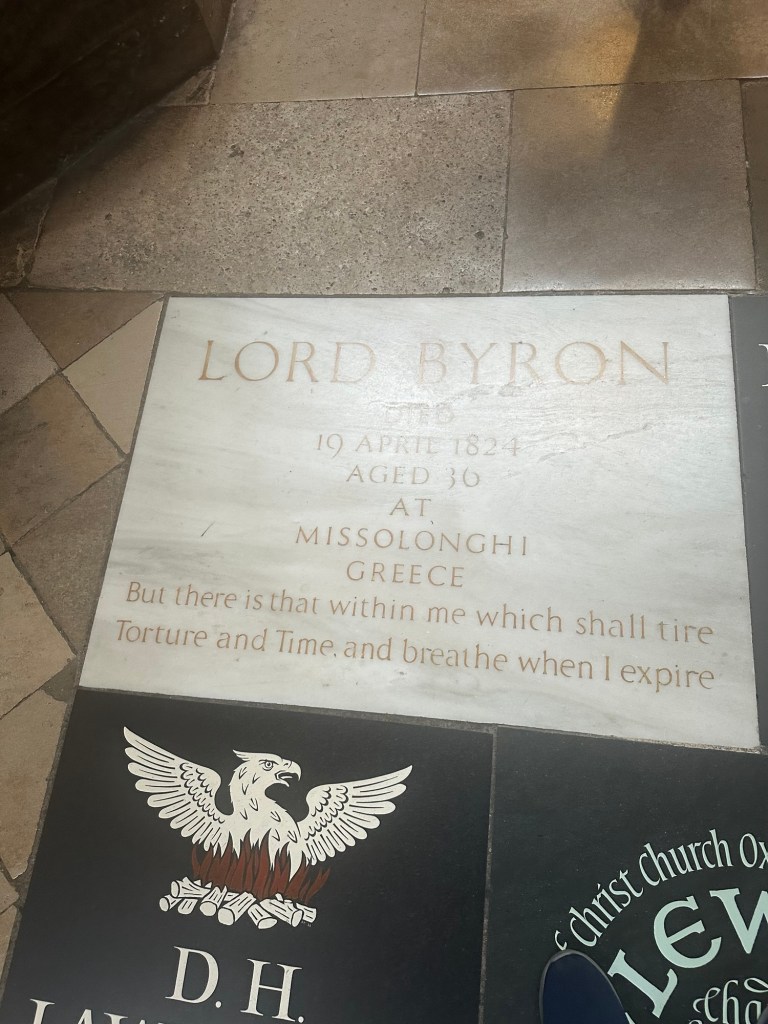
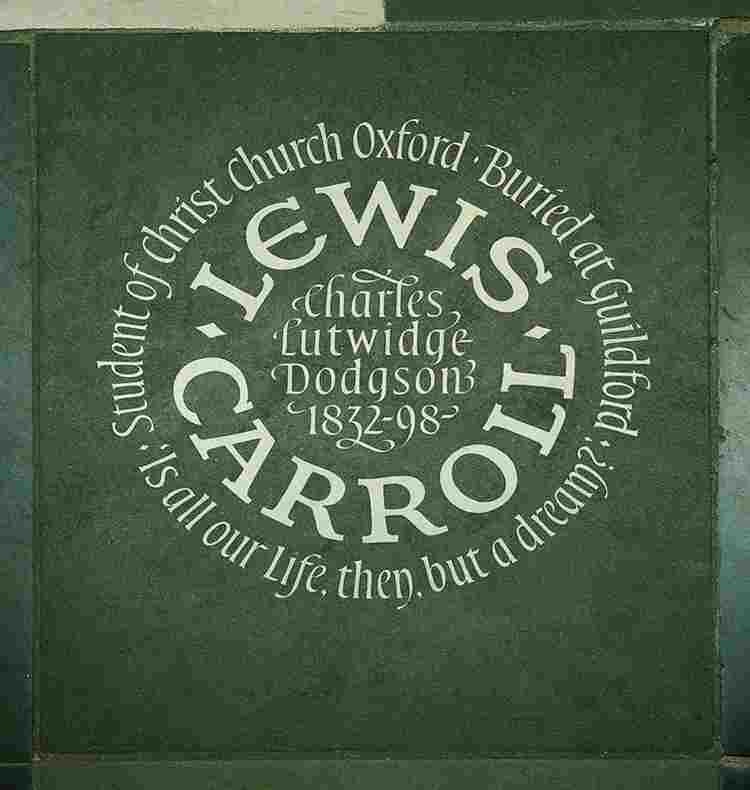
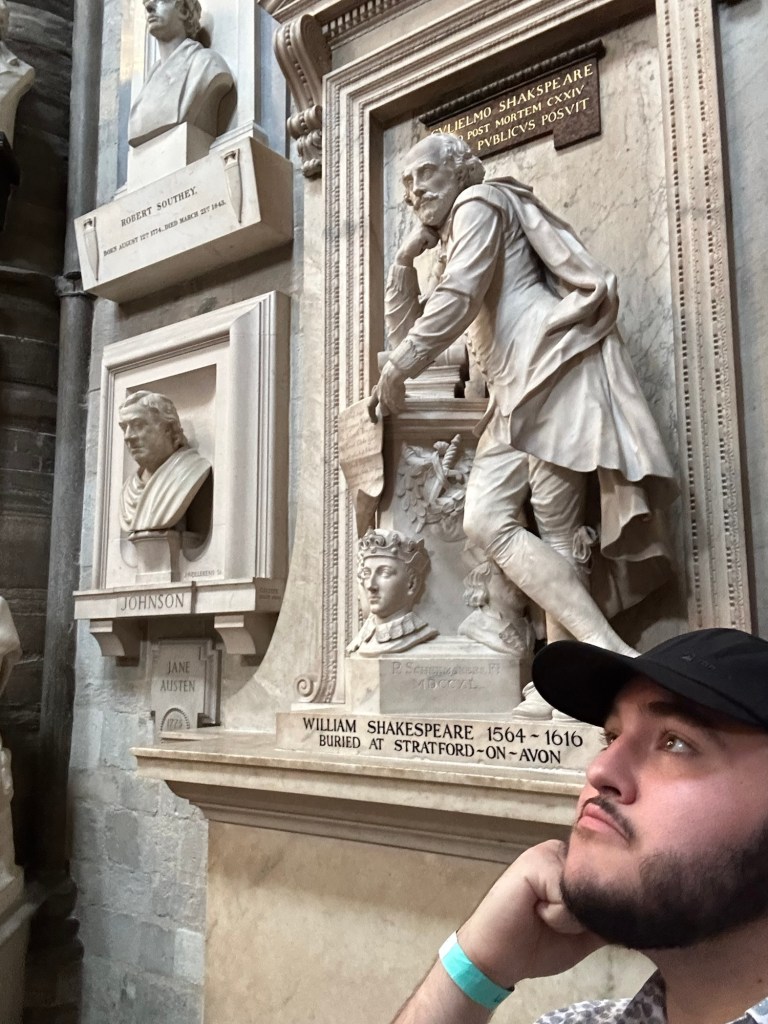
With some of my last words in this blog, I’d like to do a bit of an amuse-bouche of a section I could have written this whole post about: Poets’ Corner. The first is English poet Lord Byron (1788-1824). Byron was a major player in the Romantic movement and is seen as one of Britain’s greatest poets. I personally read a lot of his work in high school and find the crazy history of his life along with the influence his poetry had makes him quite the interesting figure. The second figure is one I actually did not get a picture of while at the Abbey. Though, you can see my foot on it in the picture of Lord Byron, I had to get my picture of Lewis Carroll’s memorial from the inter-webs. Carroll (1832-1898) is a name most will recognize for his works involving Alice and the Wonderland she often travels in. Carroll, non-pseudonym name being Charles Lutwidge Dodgson, in his early life was a mathematical lecturer at Christ Church in Oxford. There is a famous tale of his taking the daughters of the church’s dean rowing on the river. There he told them the story that would eventually be published at Alice’s Adventures in Wonderland. I personally read a lot of Carroll’s work in my senior year of high school when adapting his stories into a play (our teacher could not get the rights to the play we wanted to perform, so I got to write it instead… woohoo!). The influence Carroll’s work has had is obvious by the number of movies and other art that has come from his nonsense stories written almost two centuries ago. Neither of the men with memorials mentioned here were buried at Westminster Abbey, though they are remembered in the church for their work, nonetheless.

I very much enjoyed our journey to Westminster Abbey. The building itself is beautiful, and I find it fascinating that so many important figures are immortalized in one place. Truly a marvel.

Squirt was a bit overwhelmed by the Abbey. The idea of death makes him just a bit queasy, and so, I don’t have many pictures of him to share today. Similarly, I forgot to take any pictures at the play we watched the night of our visit to Westminster Abbey, a play called “1526.” It was absolutely phenomenal, very powerful, and definitely one of Squirt’s favorites!
A change of Pace – Bath!
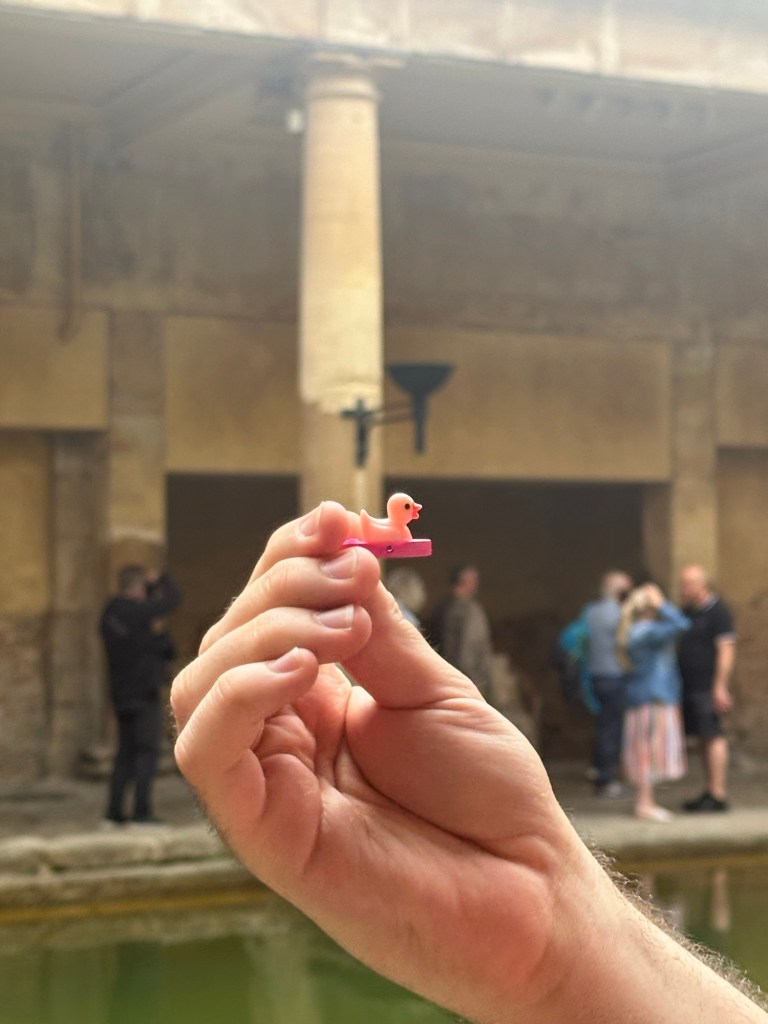
After a little more than a week in London, learning to traverse the maze of streets, tube lines, and bus routes, it was just about time for a change of pace. On the morning of May 29th, we met in the lobby of our hotel and, using our great knowledge of the tubes and such, made our way to Paddington Station (like the little bear guy!). There, we took a long tube ride from the hustle and hustle of London proper to the much smaller town of Bath!

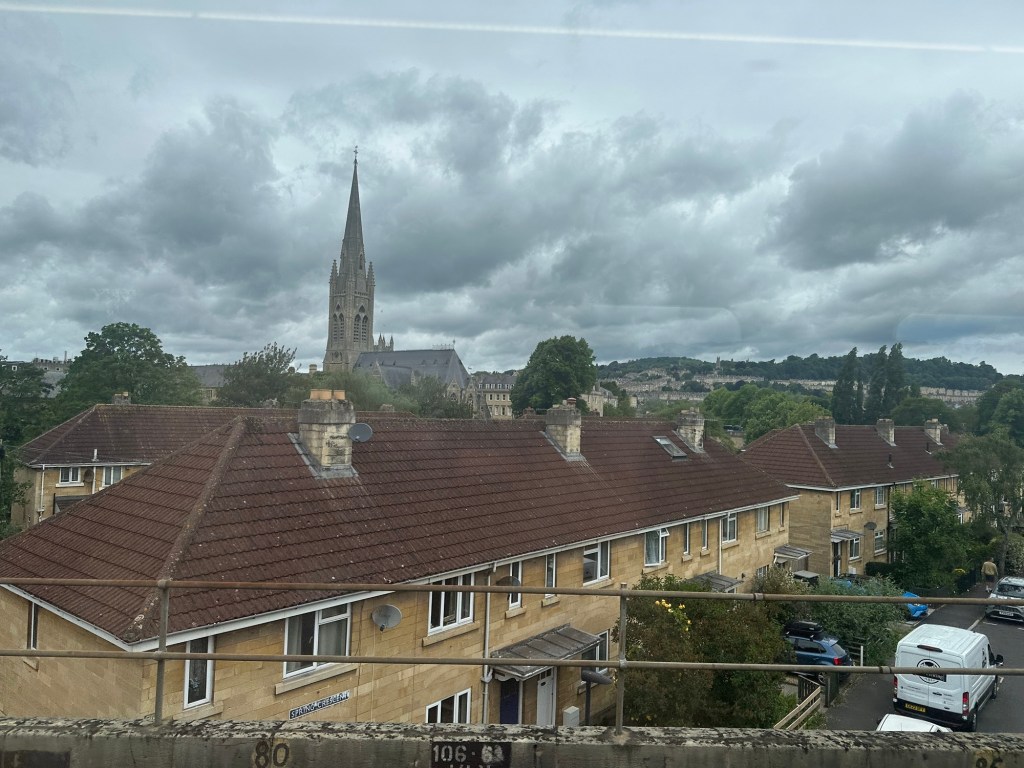
Like I said, it was time for a change of pace. And Bath certainly provided it. The town still had the beautiful architecture and history of London but with a little less activity, car traffic, and uh… McDonalds. Don’t get me wrong, there were still plenty of people all around. However, the population lacked the rush and hurry that haunts most streets in London. One thing it didn’t lack was the tourists, oh which even our pretty large group was only a small percentage. Of course, these tourists were here, like us, to visit the Roman Baths.

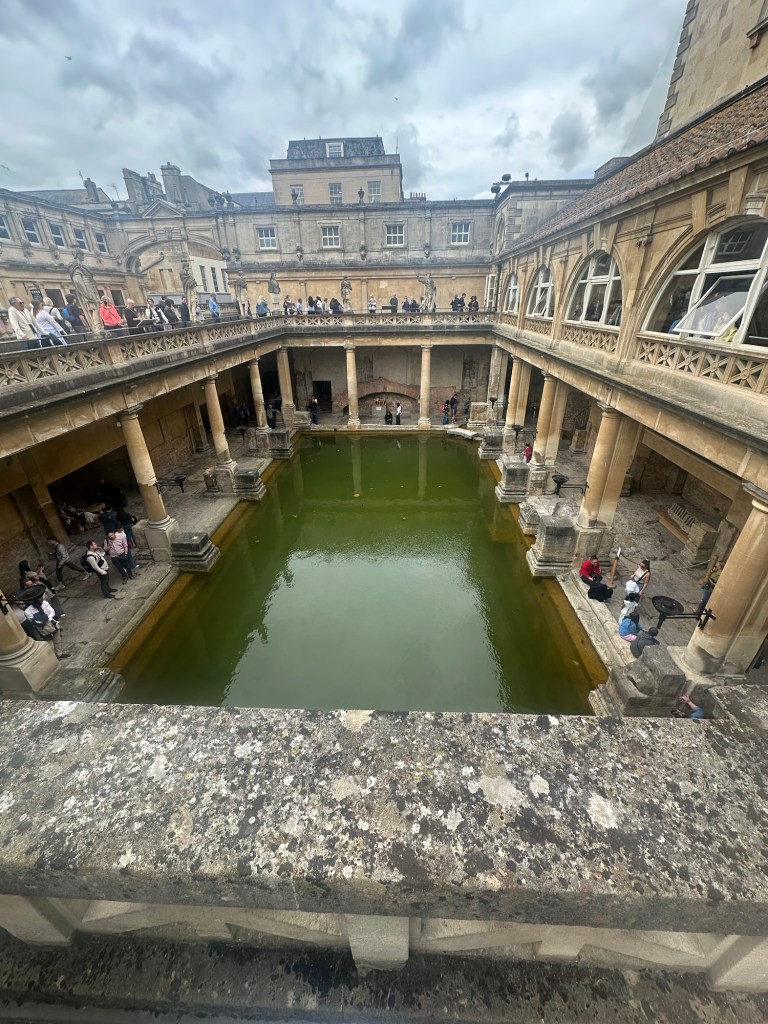
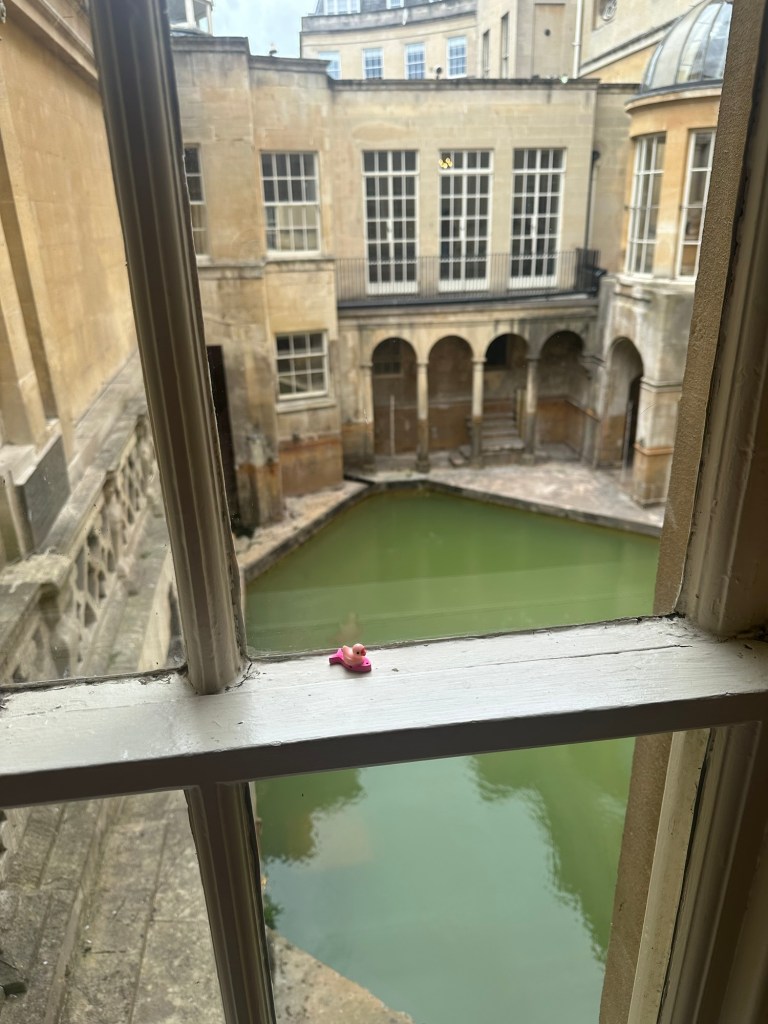
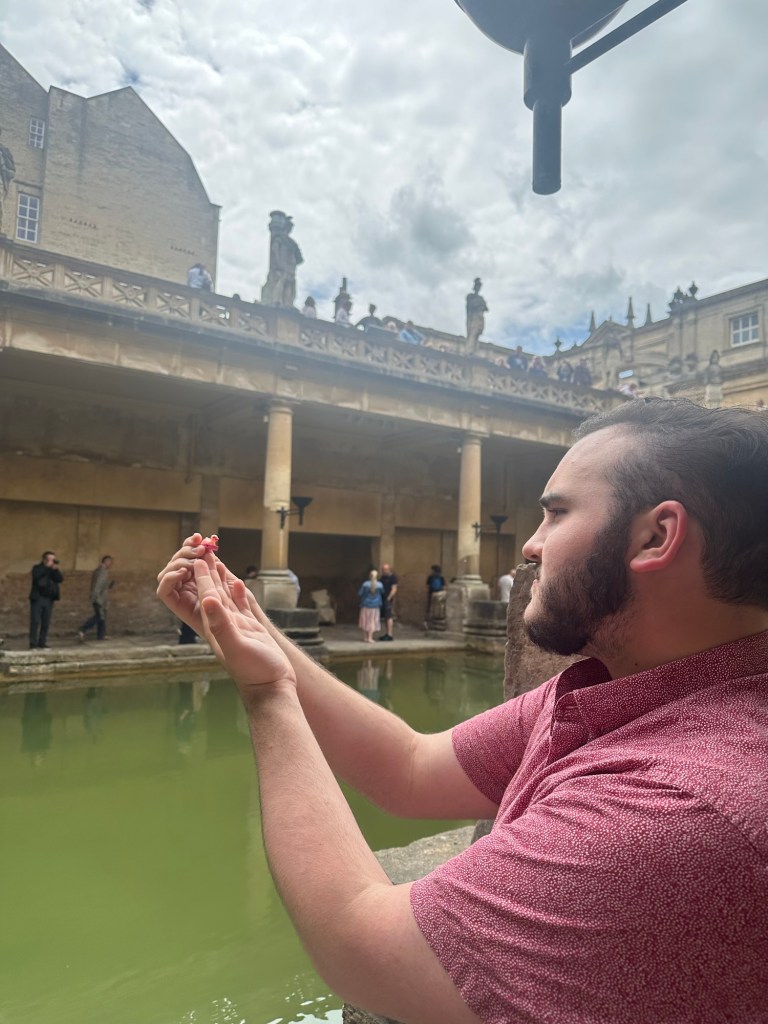
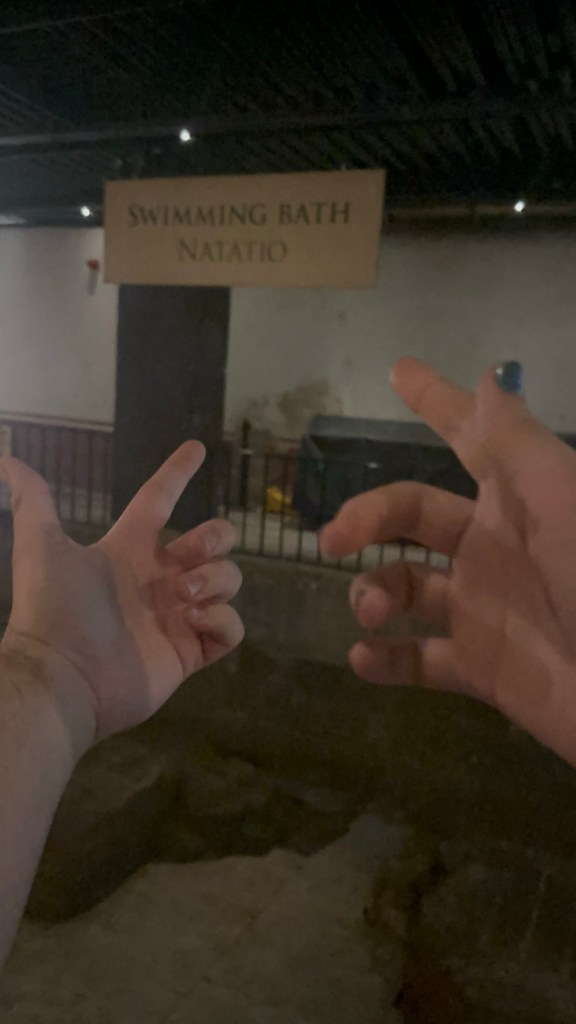
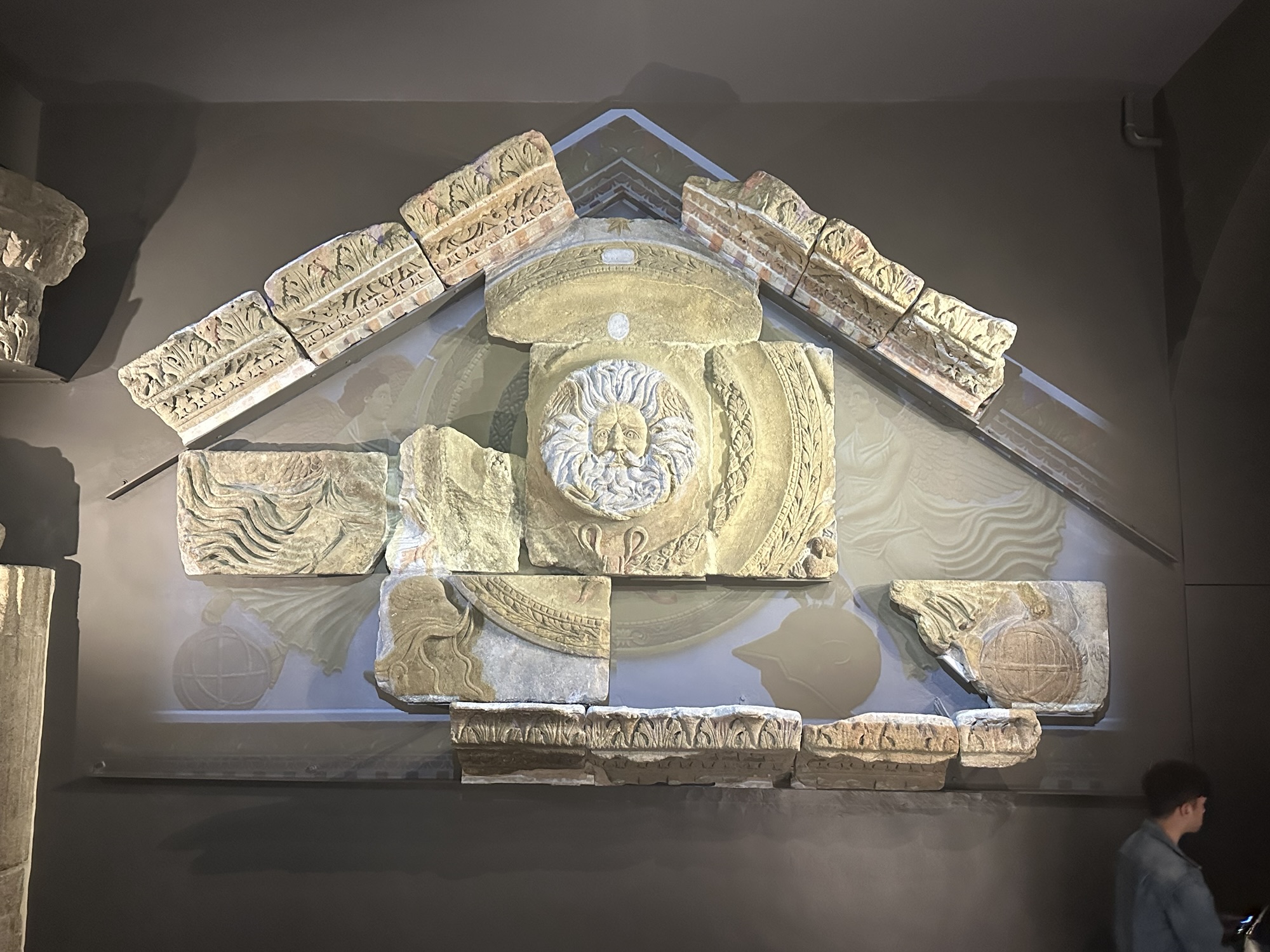
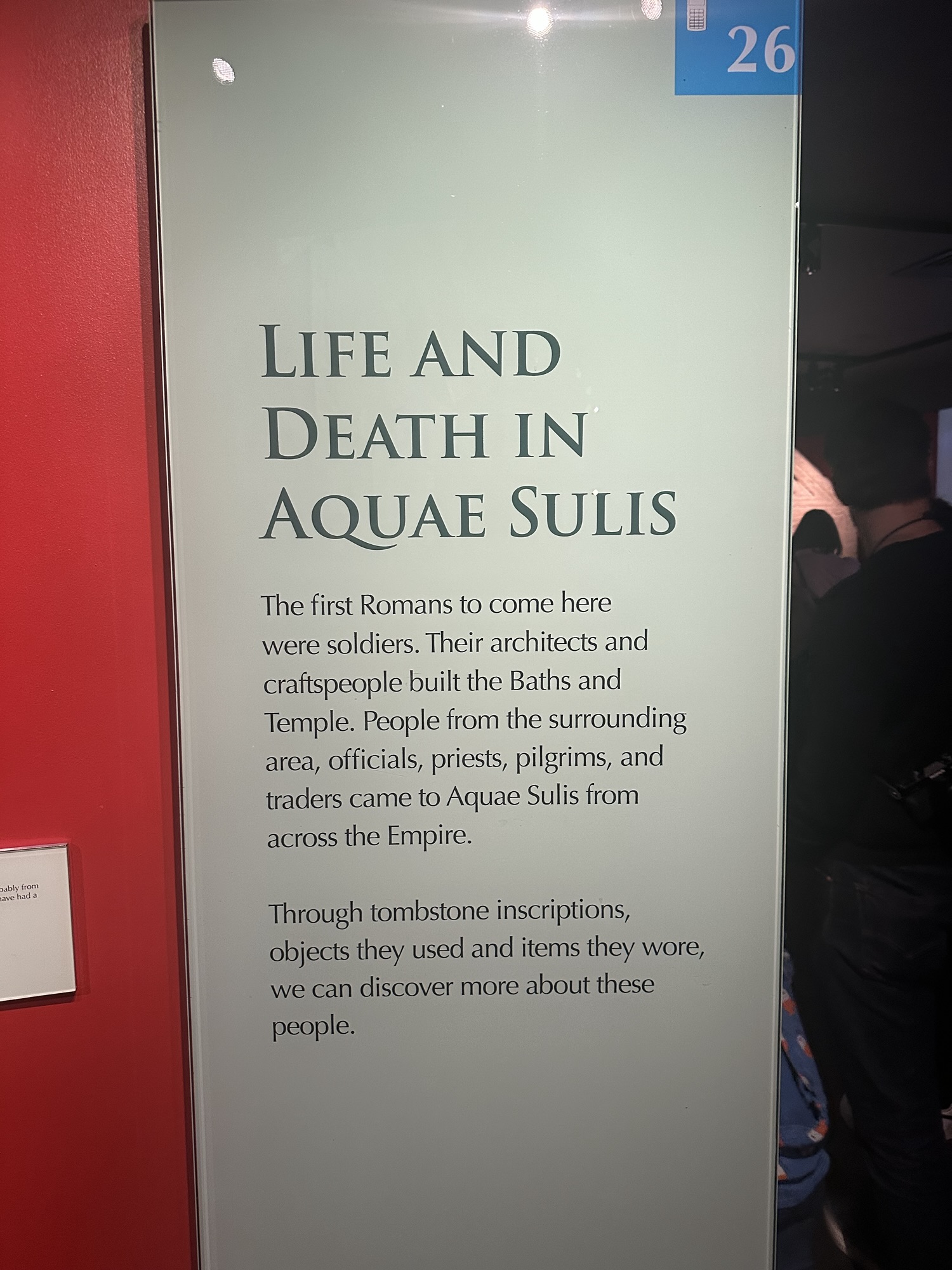
I found the baths to be one of the most interesting pieces of history we saw on our trip. These baths have been used for thousands of years, the waters heated from a natural hotspring. The main pool and structures visible in the pictures beside were made by Roman engineers. Though there is evidence of cultures there even before the Romans using the spring and it’s waters. On our journey through the baths and the many objects on display, we all had auditory guides to which we could listen to at our own pace. Different rooms and exhibits would have their own audios that could be inputted by the numbers on top. One thing me and a few others realized about half-way through our trip was that the audio made for children was often much more fun and engaging than the normal one (I ended up using the audio for children for the remaining half).

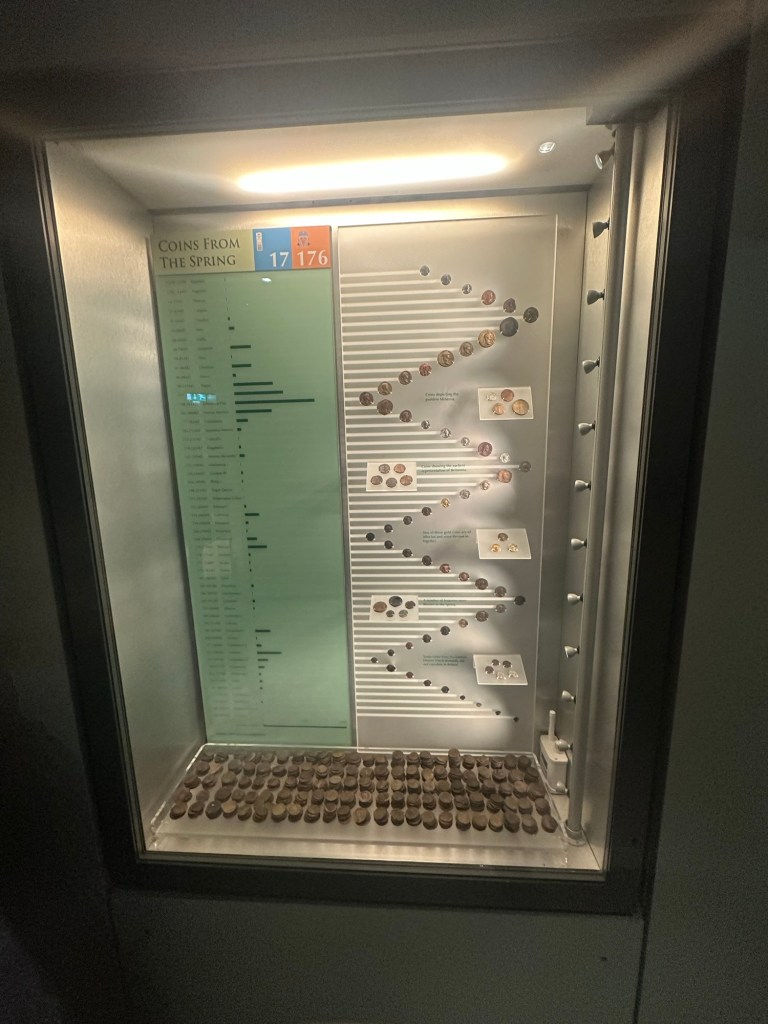
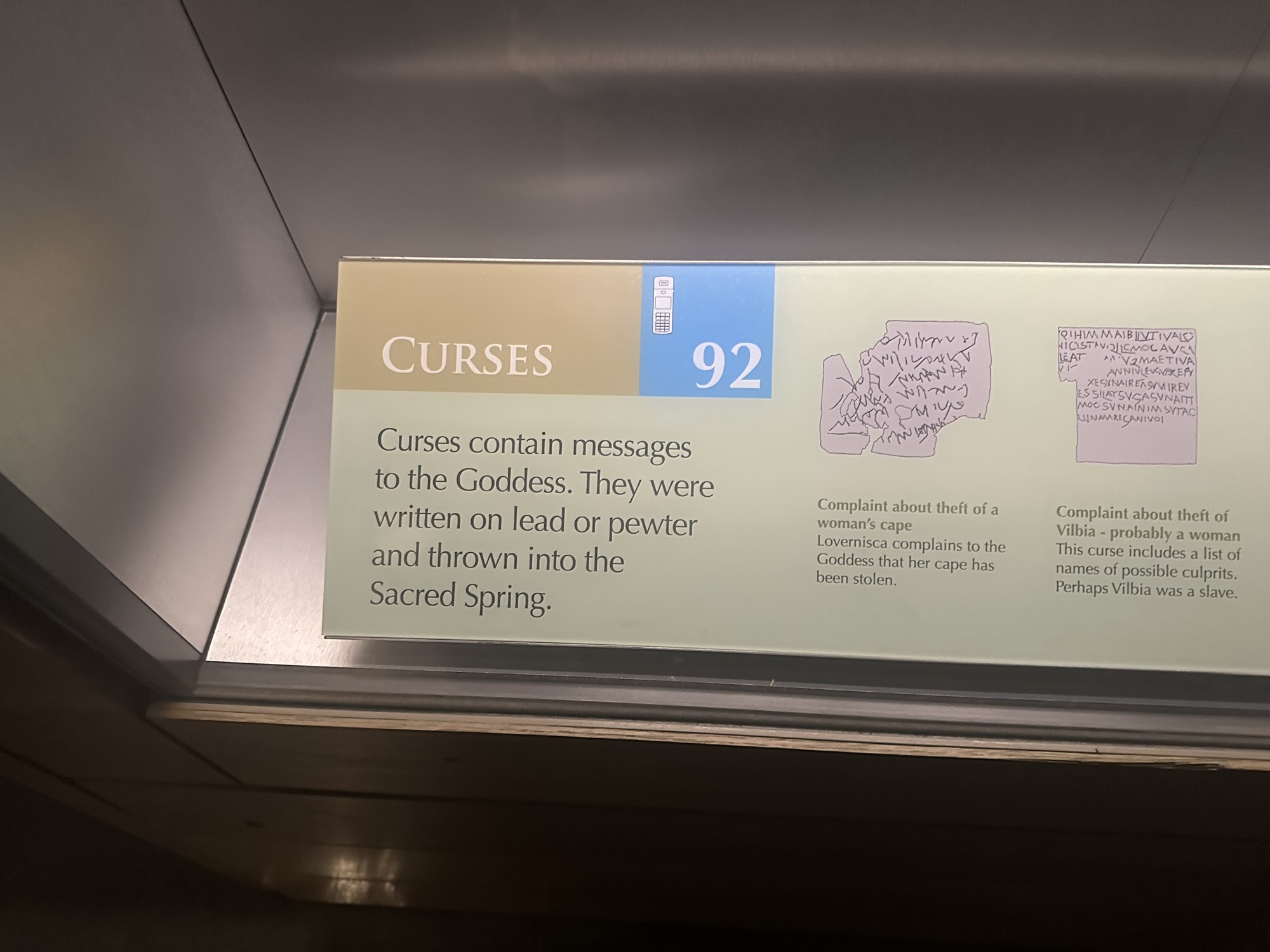
My favorite piece of history that the baths and their caretakers have preserved are what people have thrown into them. The most obvious things that also help the different users of the baths be dated are coins. Whether they were thrown for luck, a wish, religious favor, or for the heck of it, plenty of people as far back as… well really far back… have thrown them into the baths. 

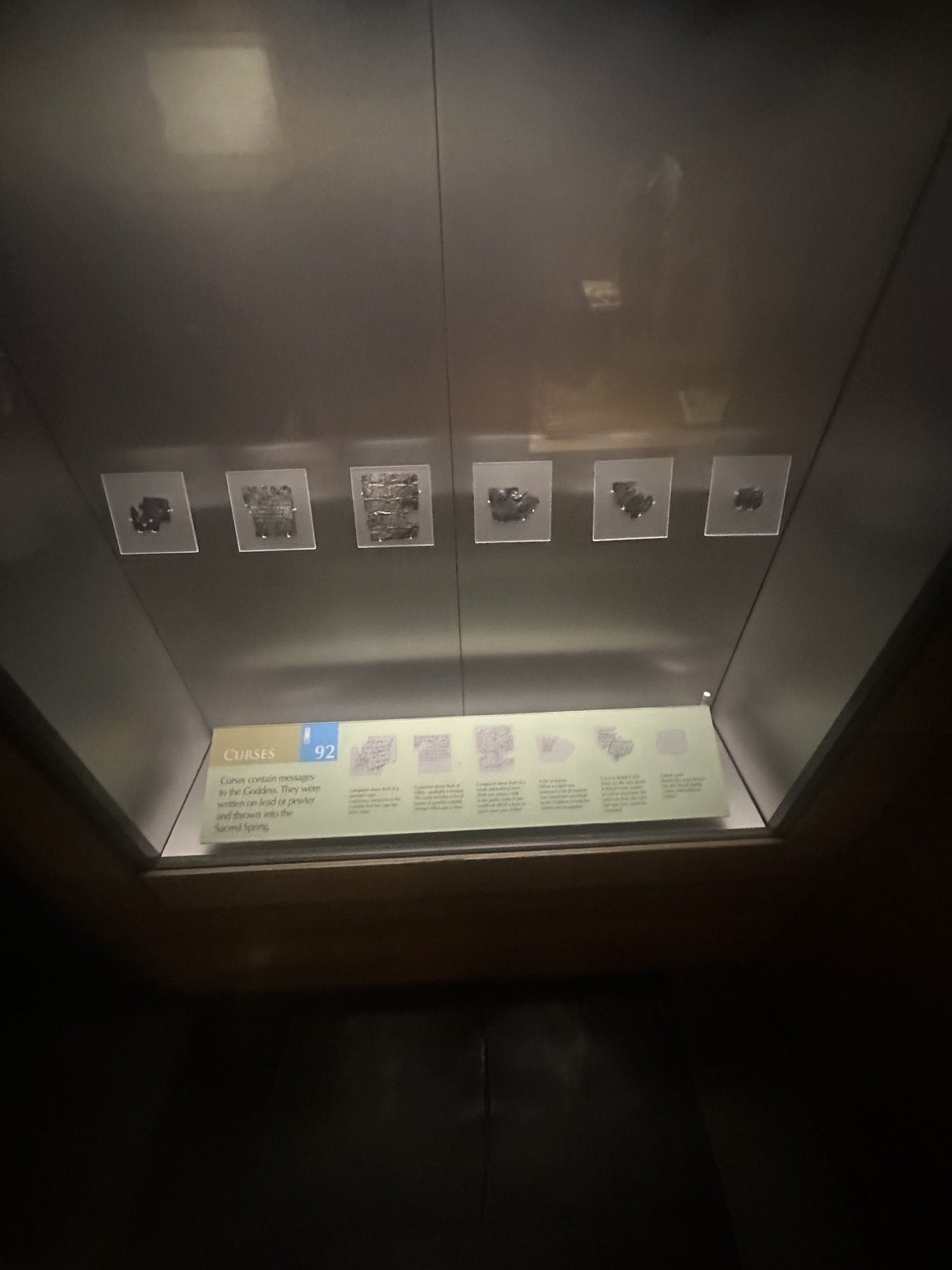
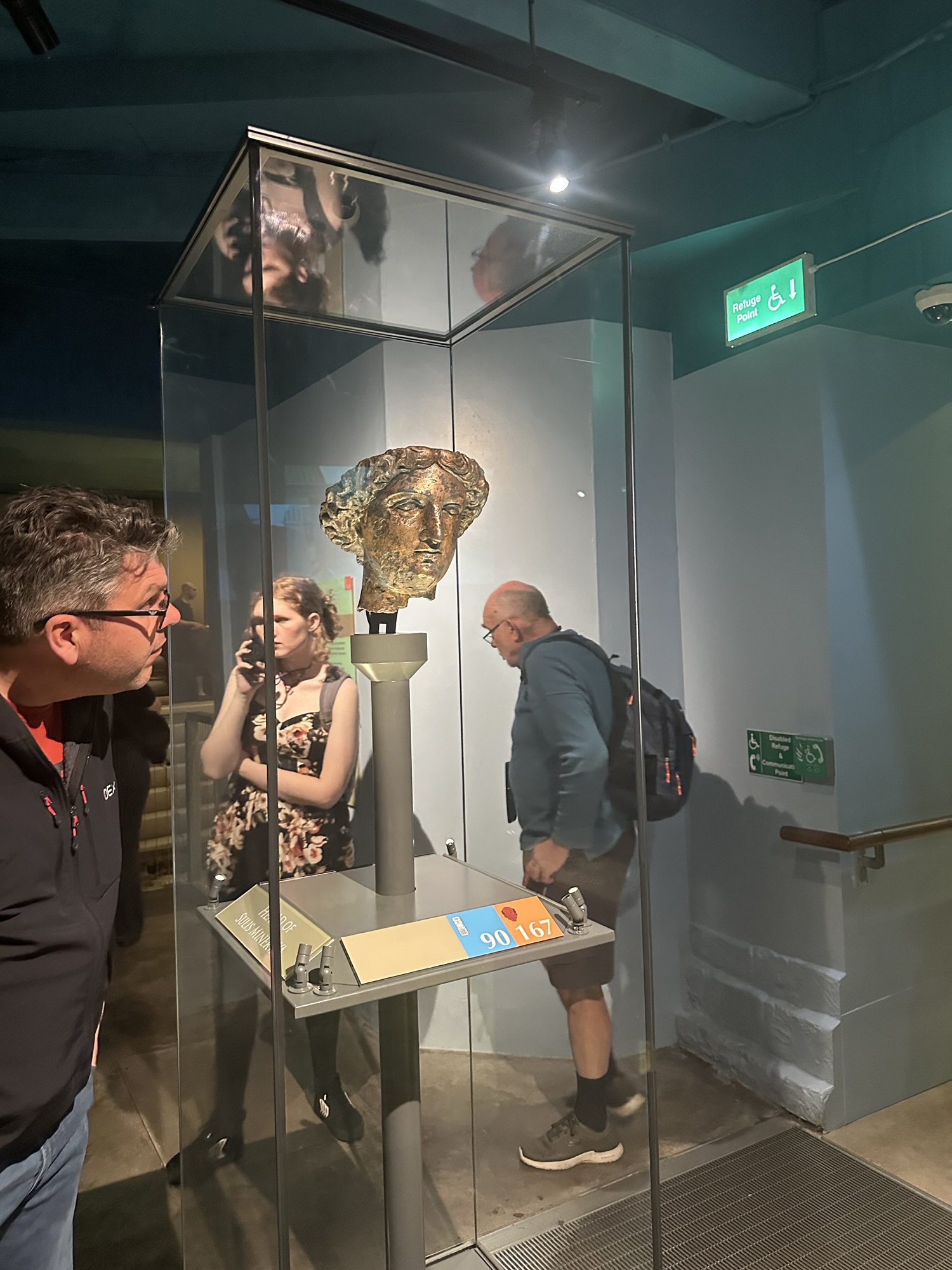
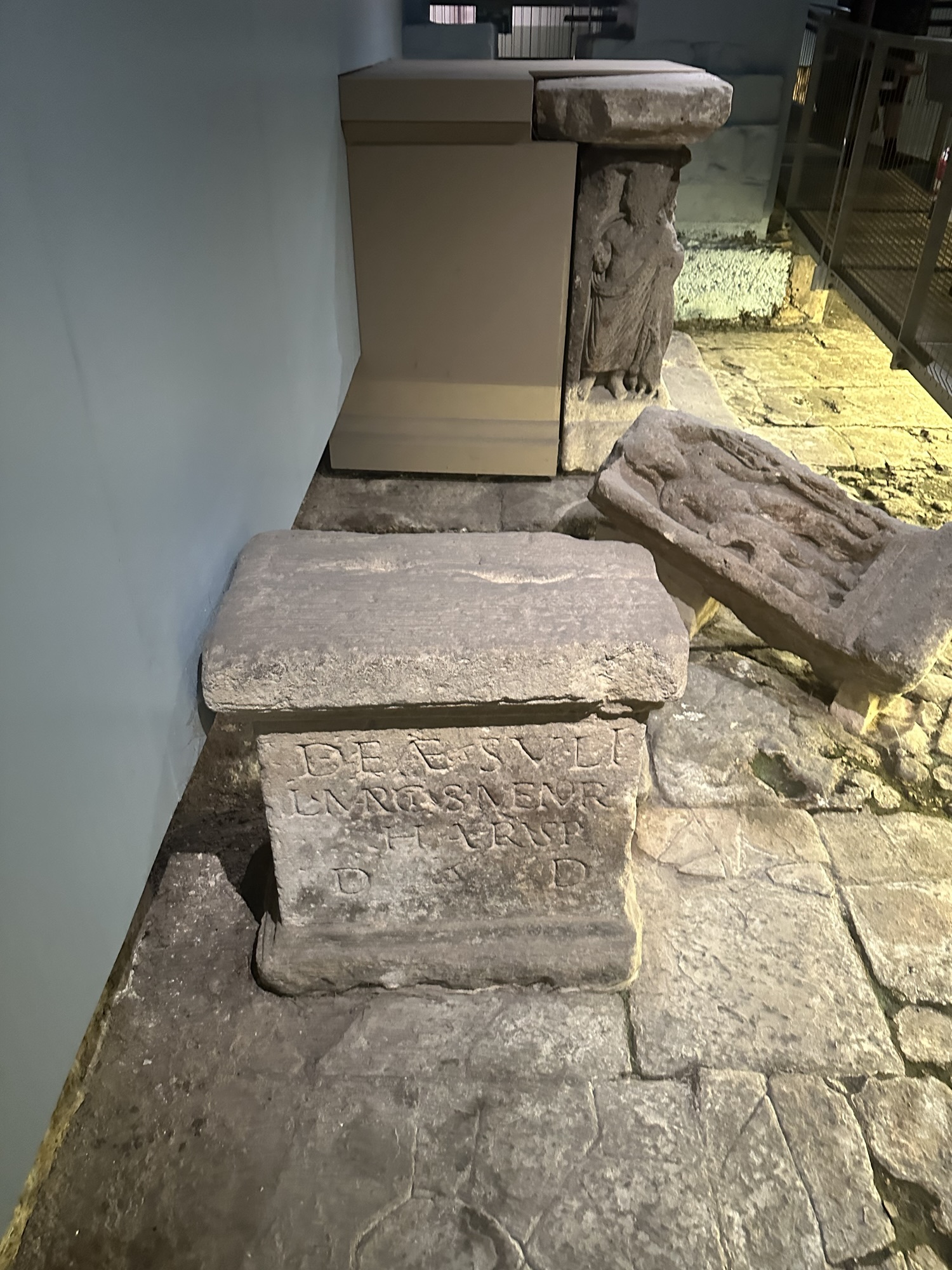
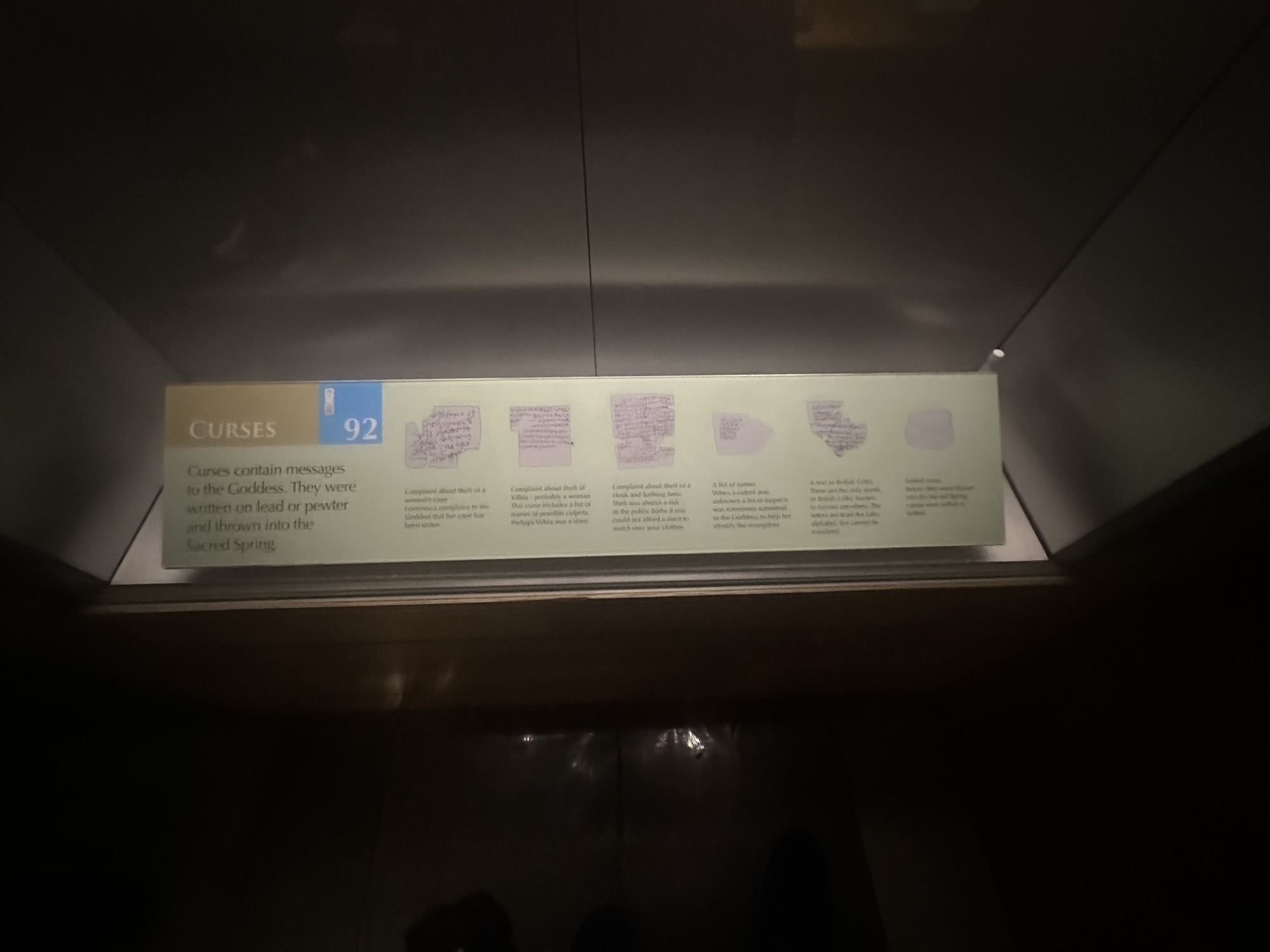
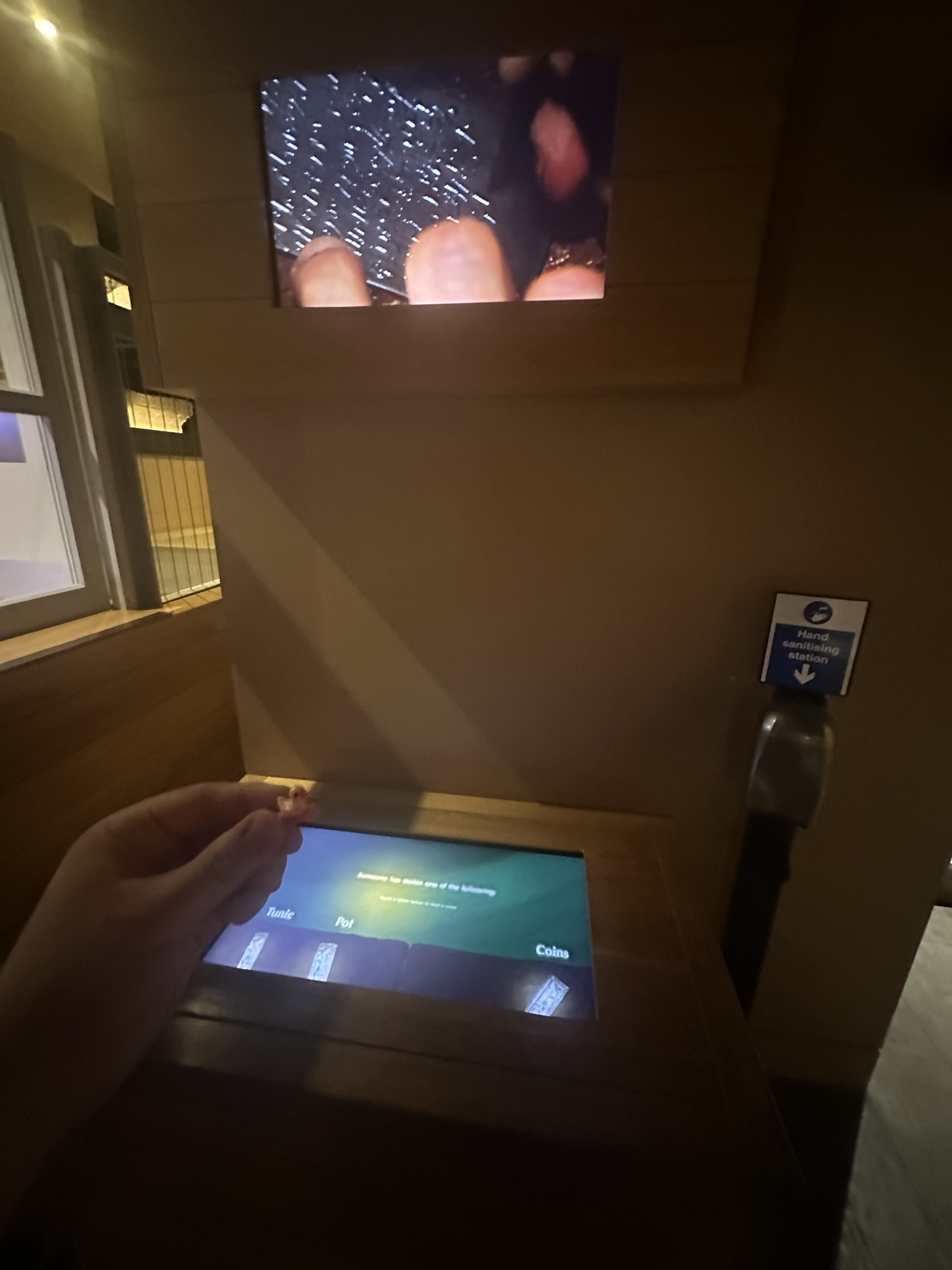
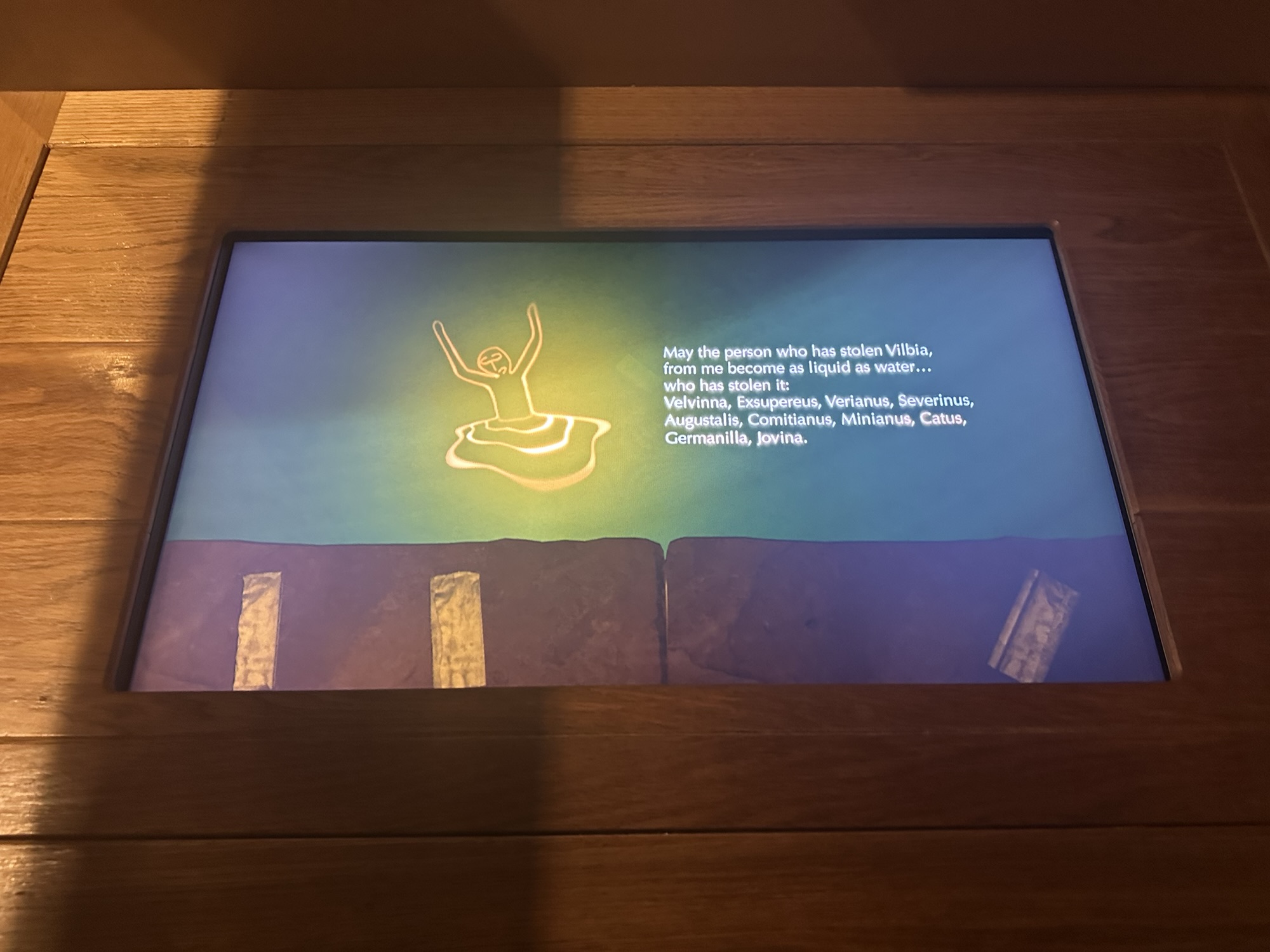
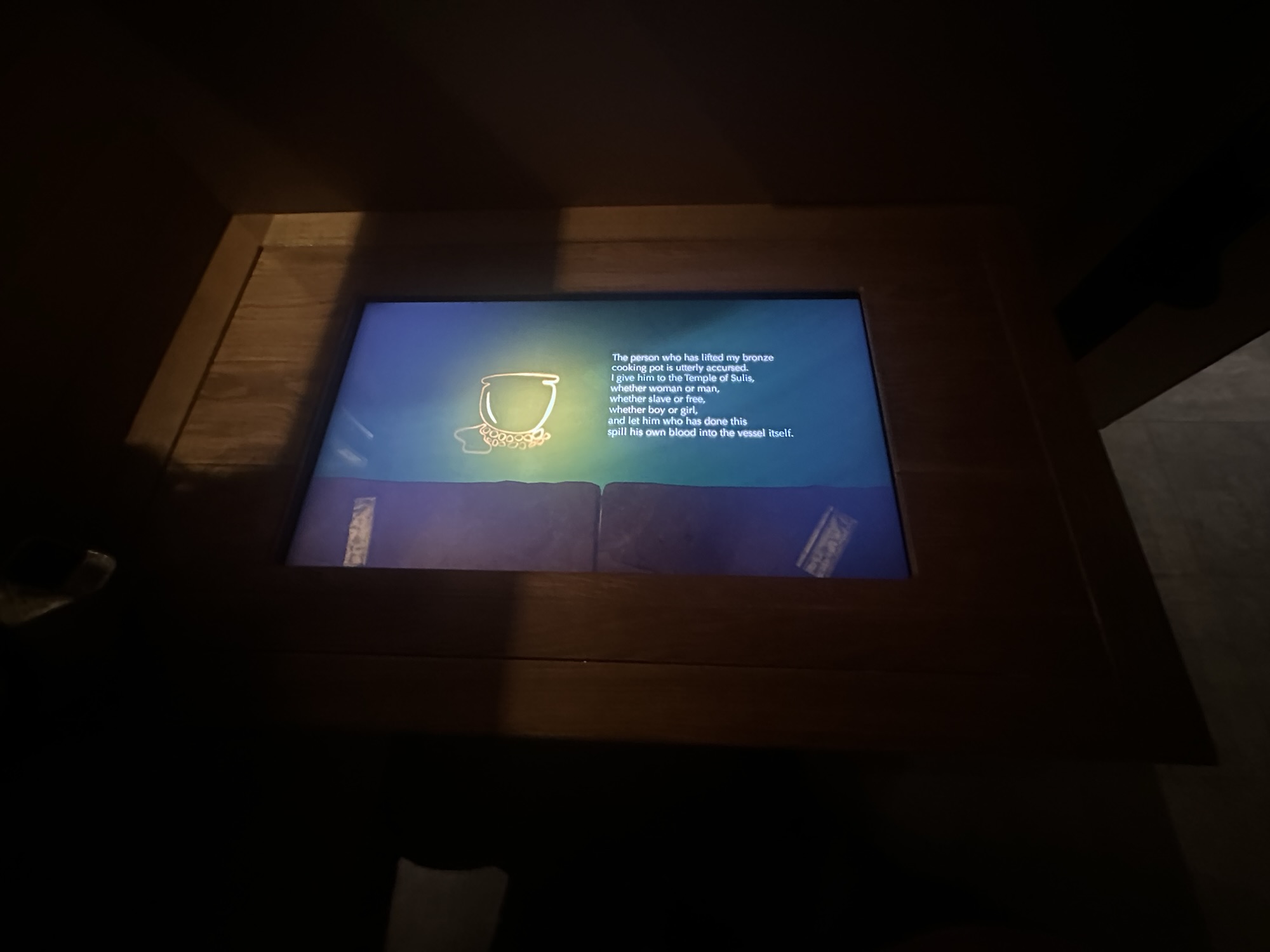
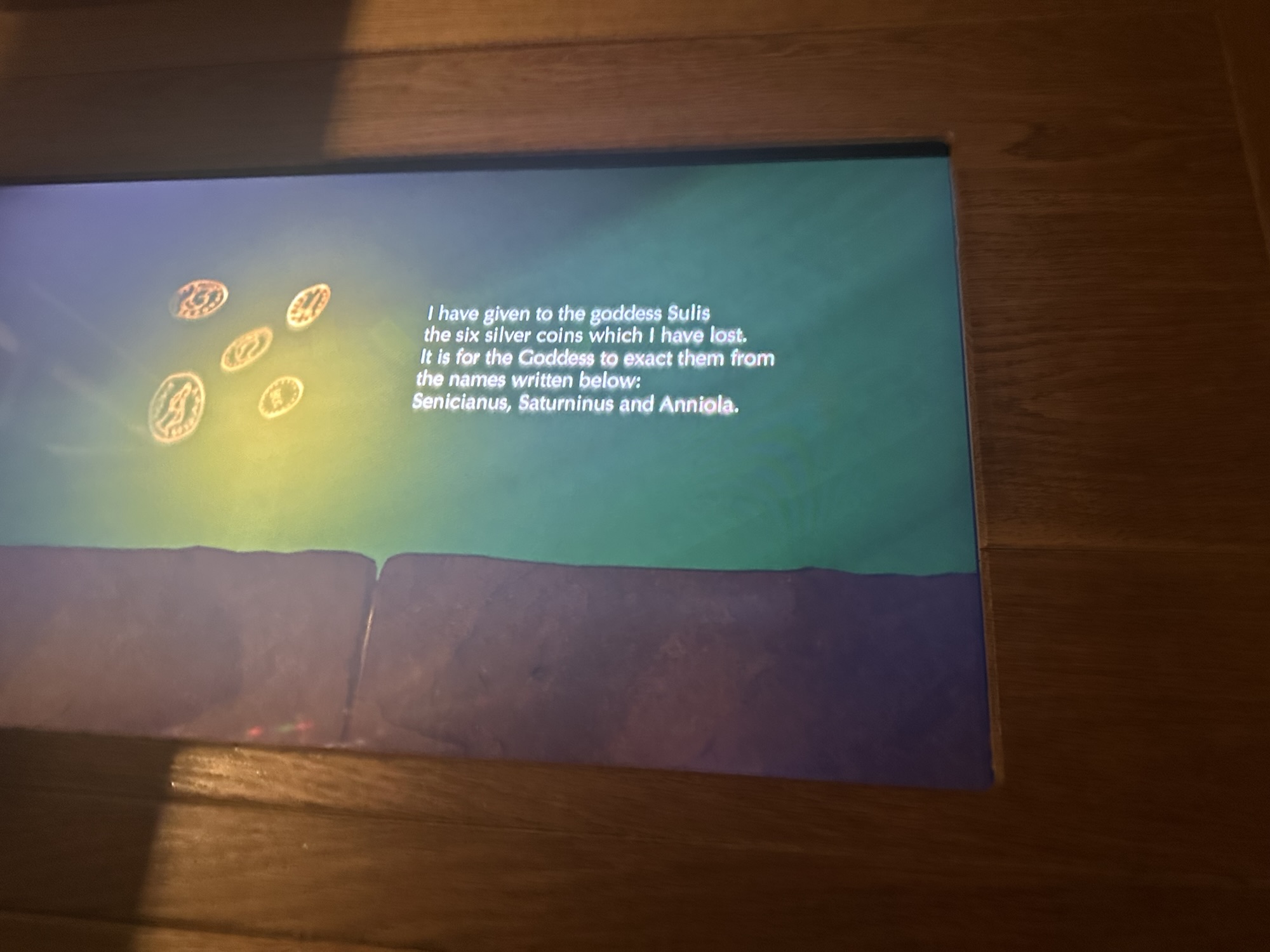
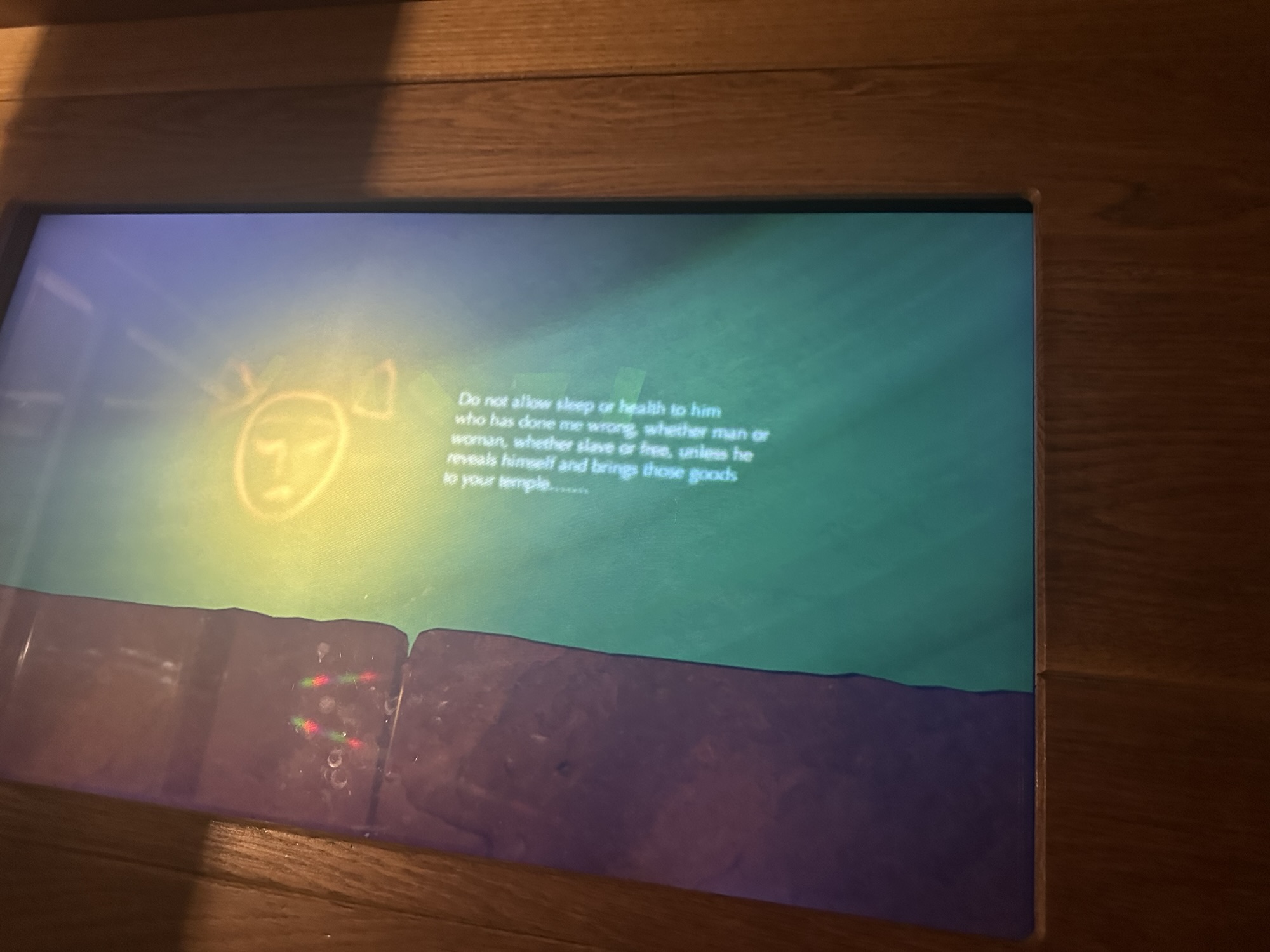
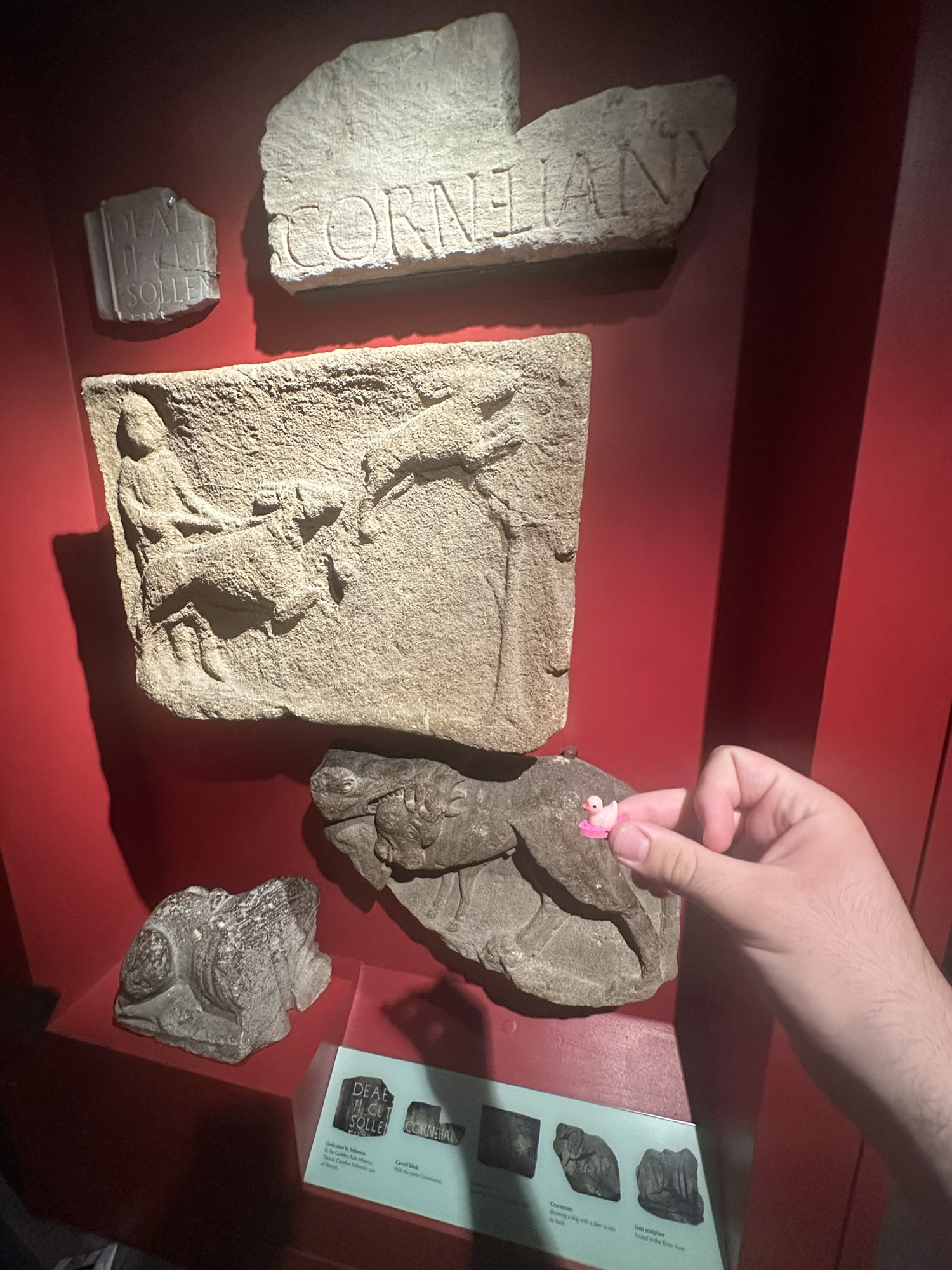
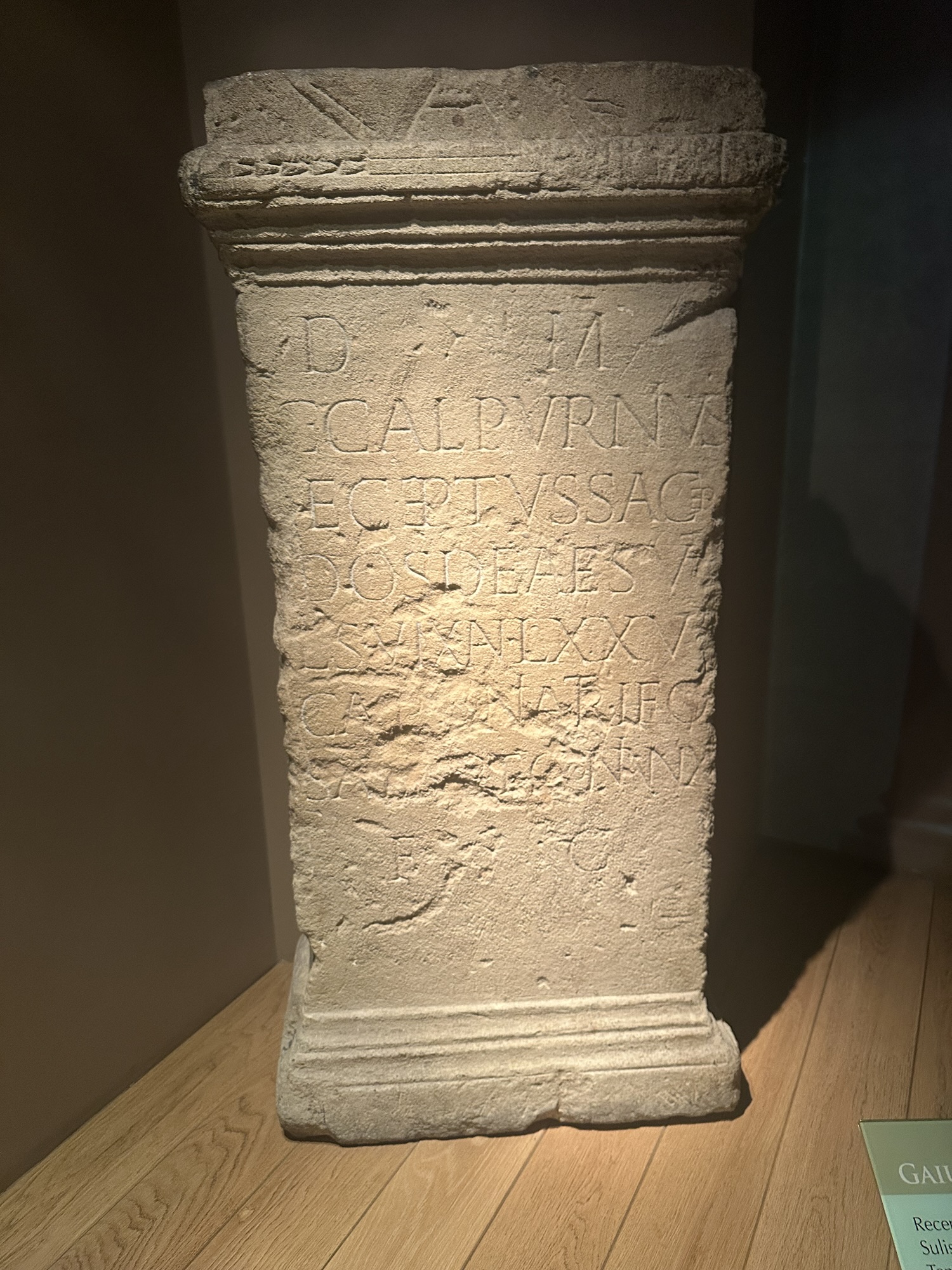
My more specified favorite section of these would have to be the curses that were carved into lead or pewter, then tossed on into the sacred spring. The background information for this is that, as different people of different faiths used the baths, a deity developed for them named Sulis Minerva. Beside this text you will see pictures of some altars used for sacrifice and worship to this god (see some captions for additional info). Another ritual was to carve a complaint and toss it in. These were the curses. Usually, the curser would have had something stolen (or possibly even a person – see the “stolen Vilbia” curse) or have been wronged in some way. Then the curser would carve the names of suspects and possibly also the crime and/or the punishment they wish upon the perpetrator. Then they toss it in. I love learning about this sort of witchcraft or cursing and, as a result, this was my favorite part of the baths.

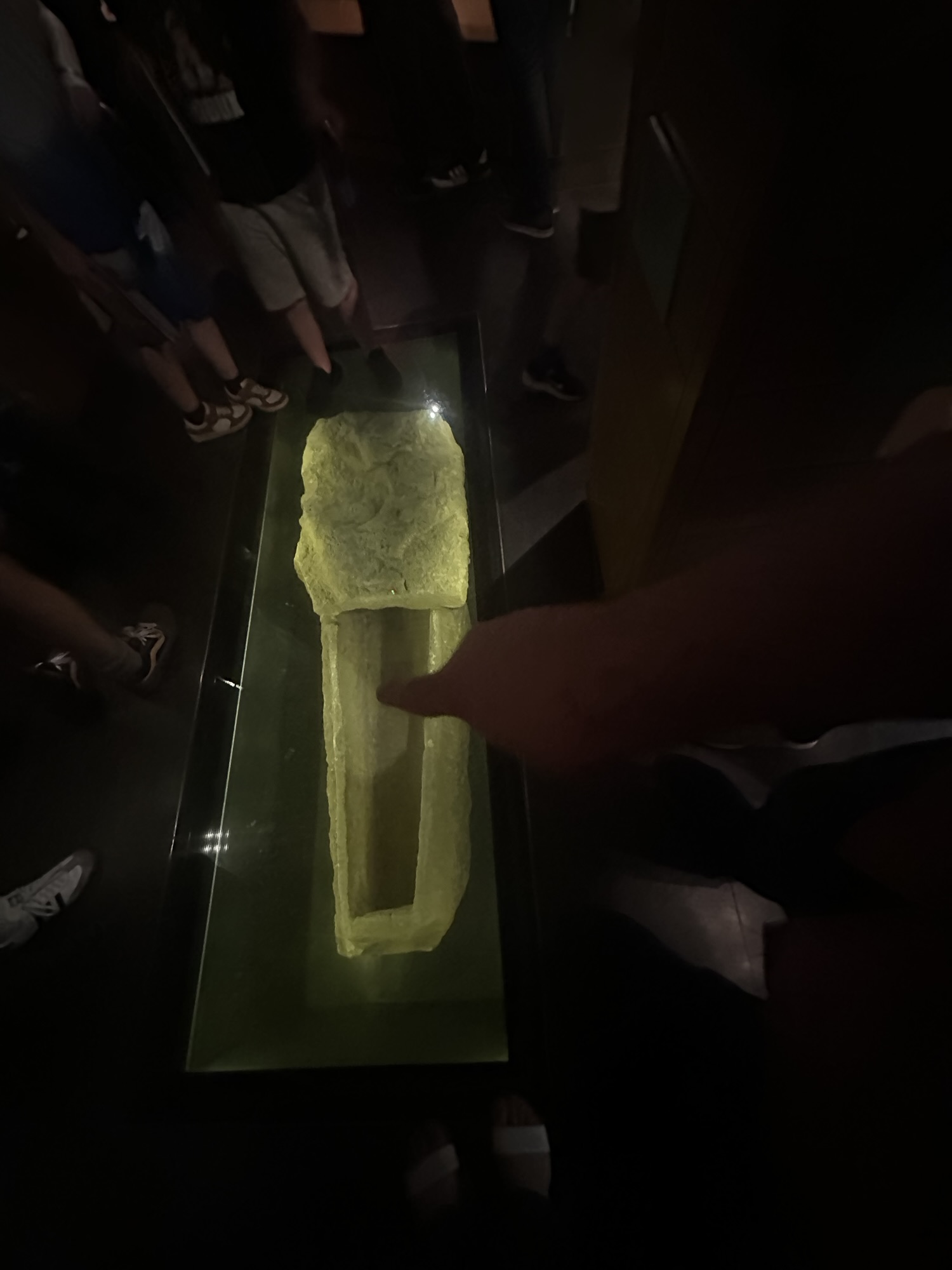
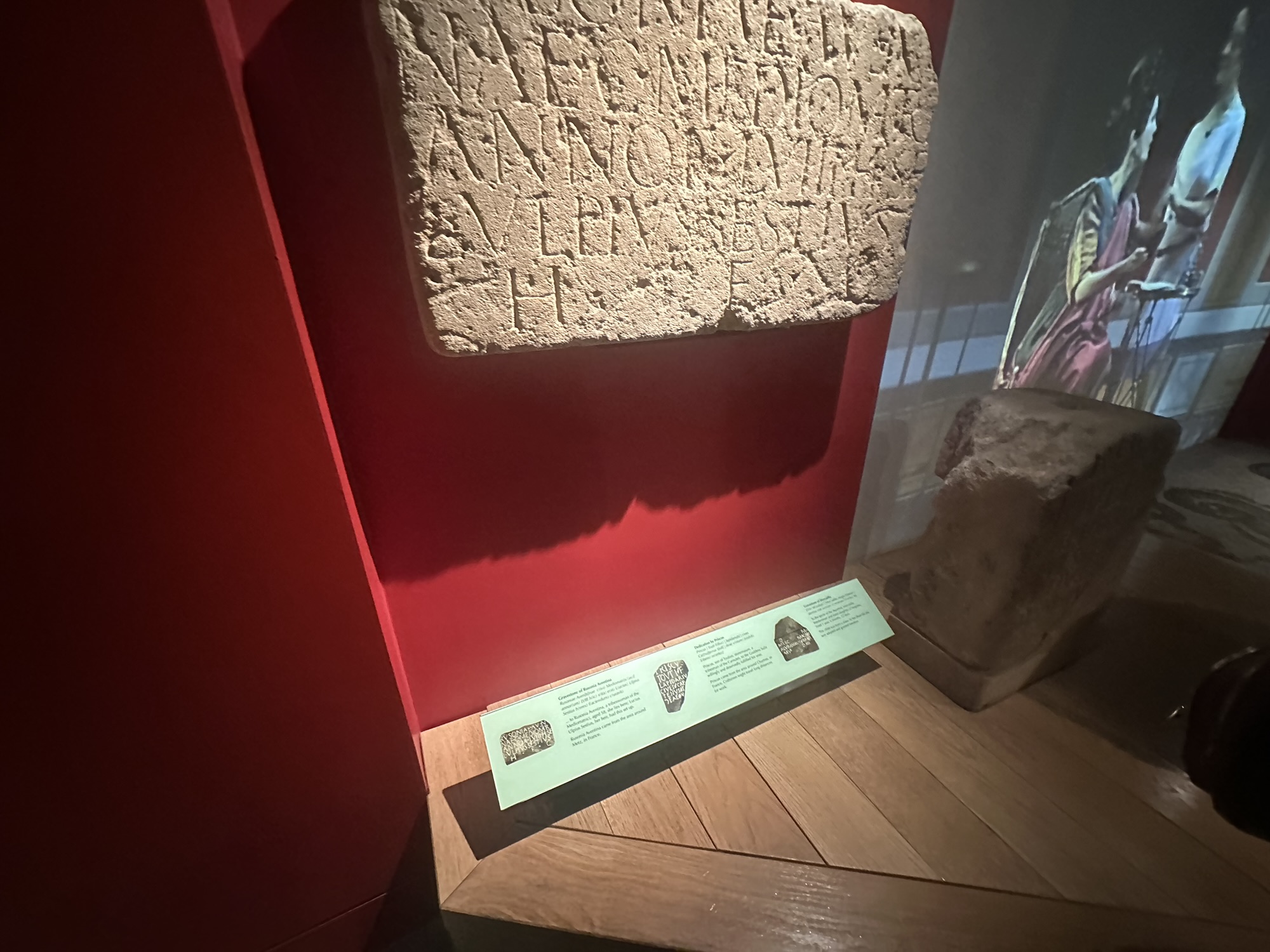
Above is also a slideshow of some images involving some grave sites or carvings left behind for the dead. Very cool!

All in all, the baths were a super interesting experience, but honestly, one of my favorite activities on the entire trip was what we did right after. Other than this steak that I had with Aleah and Ilaria, that was really yummy but not what I’m talking about. The thing I speak of was much more refined: the experience of true royalty.

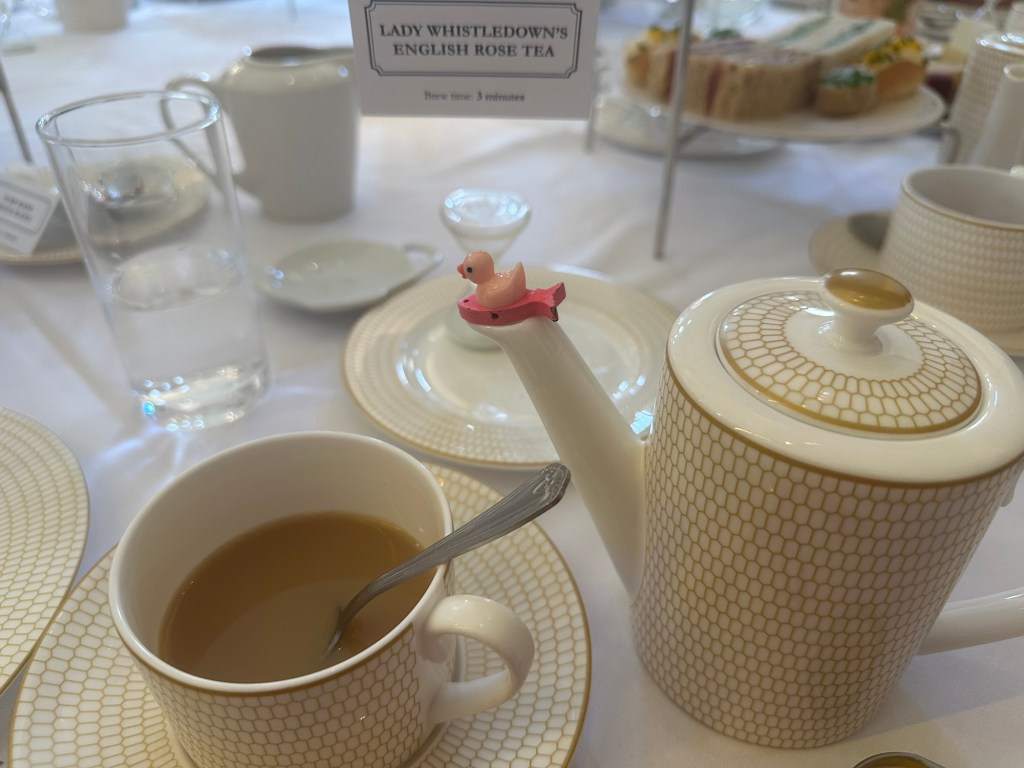
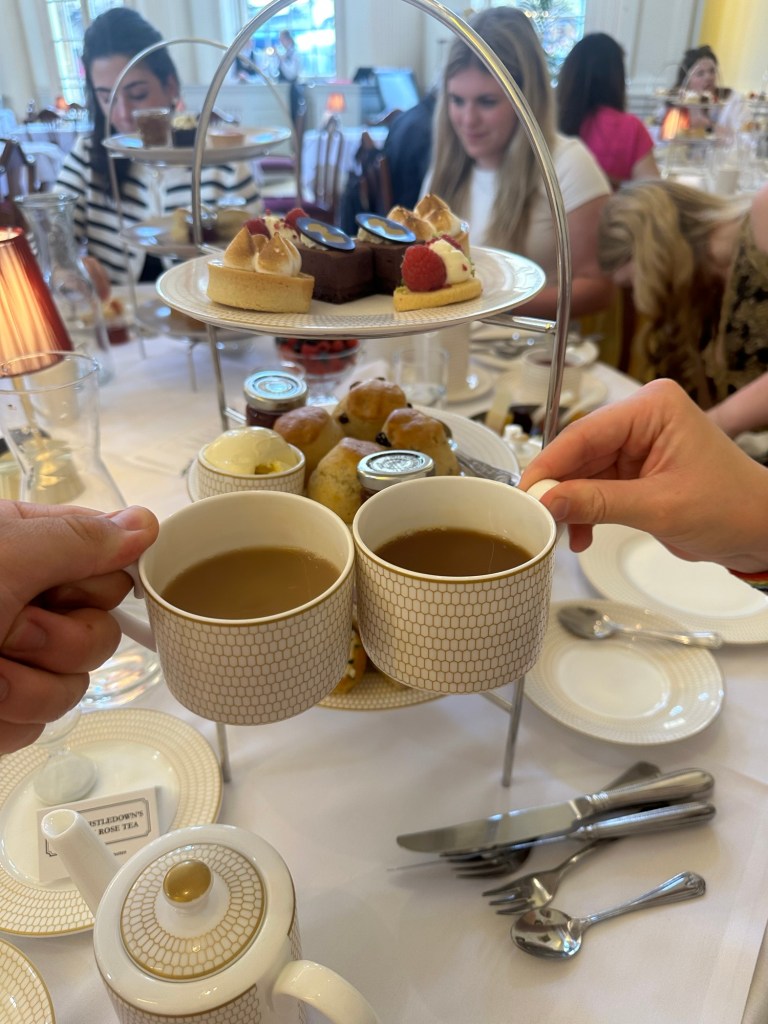
Our Afternoon Tea at the Pump Room was one of my favorite experiences of the entire trip. I feel like the pictures largely speak for themselves. Some delicious treats, both savory and sweet, along with great tea and a live band playing beautiful soothing classical music was an unbeatable combo. I thoroughly enjoyed this experience, pinky out.

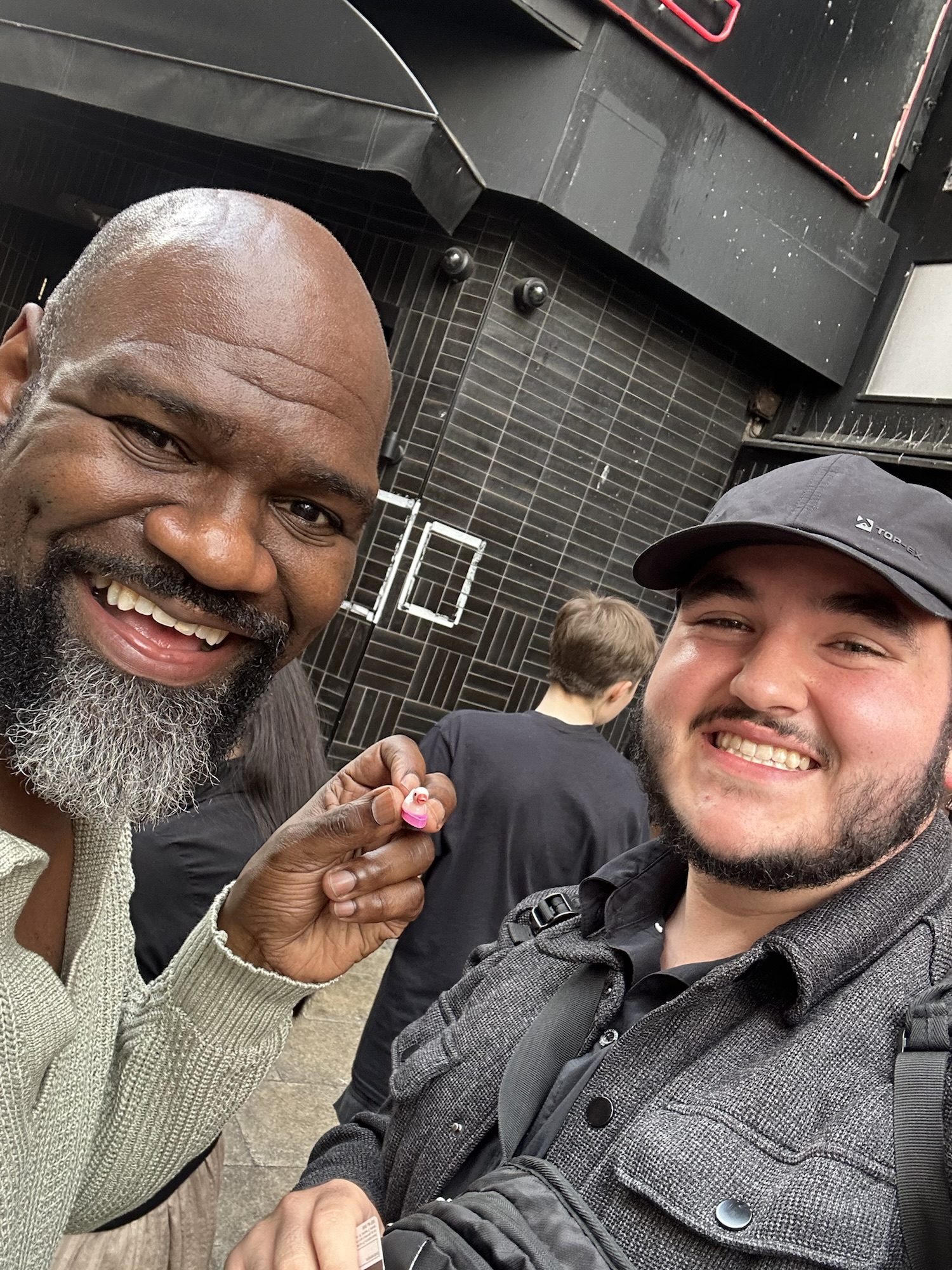
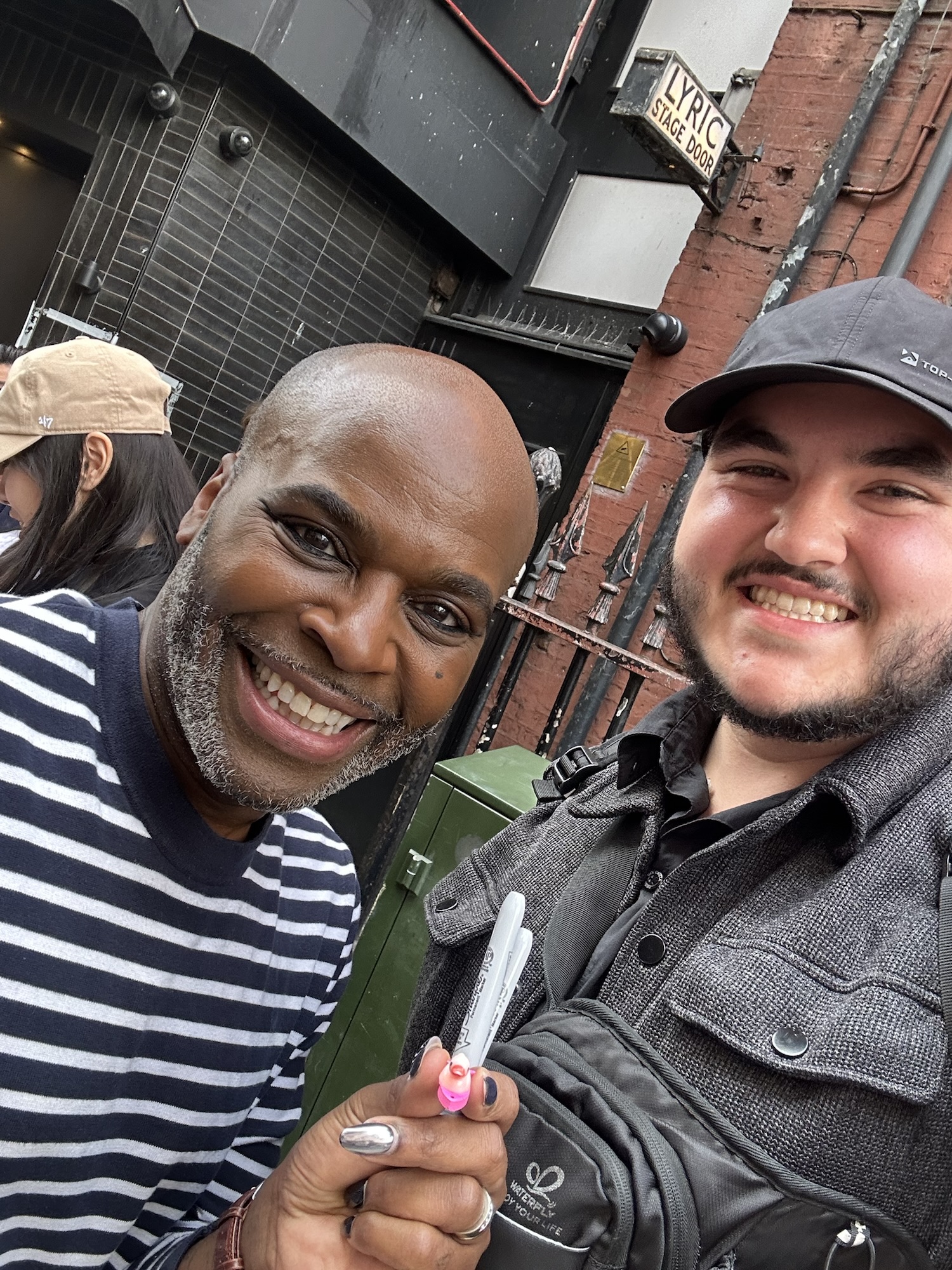
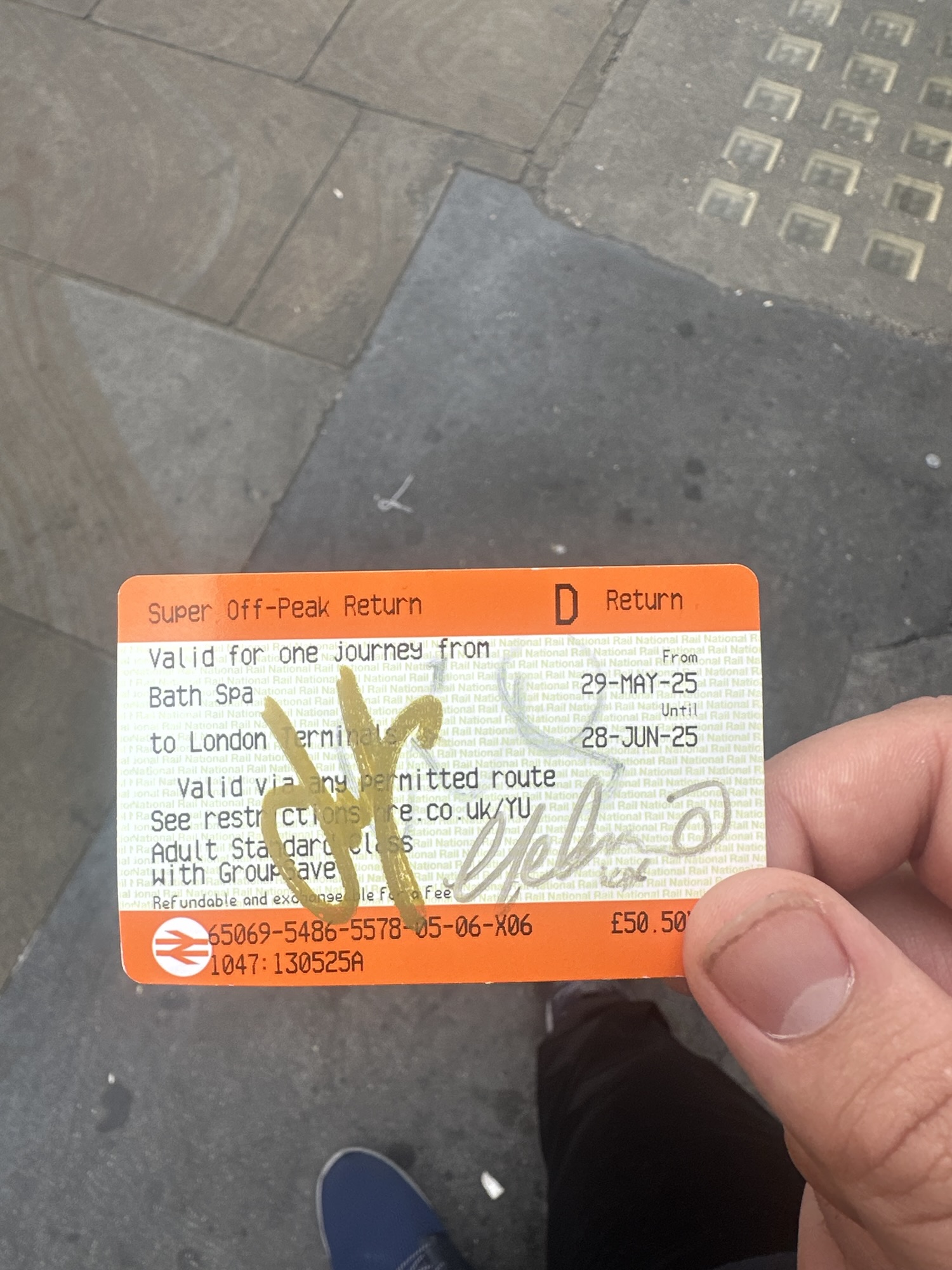
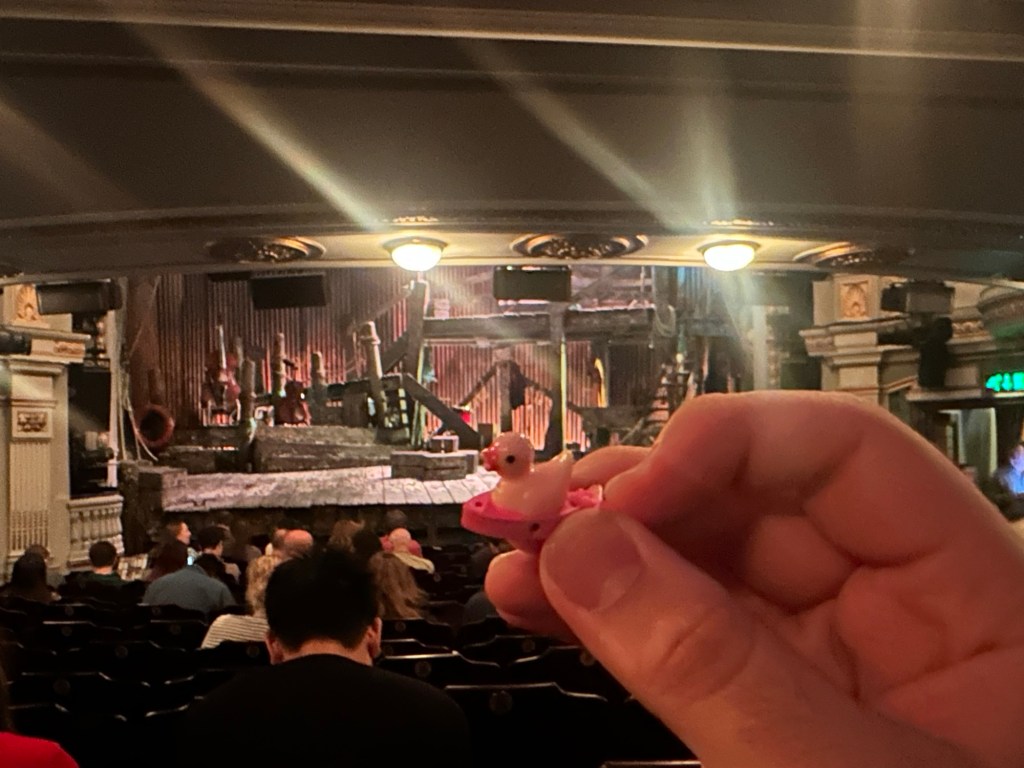
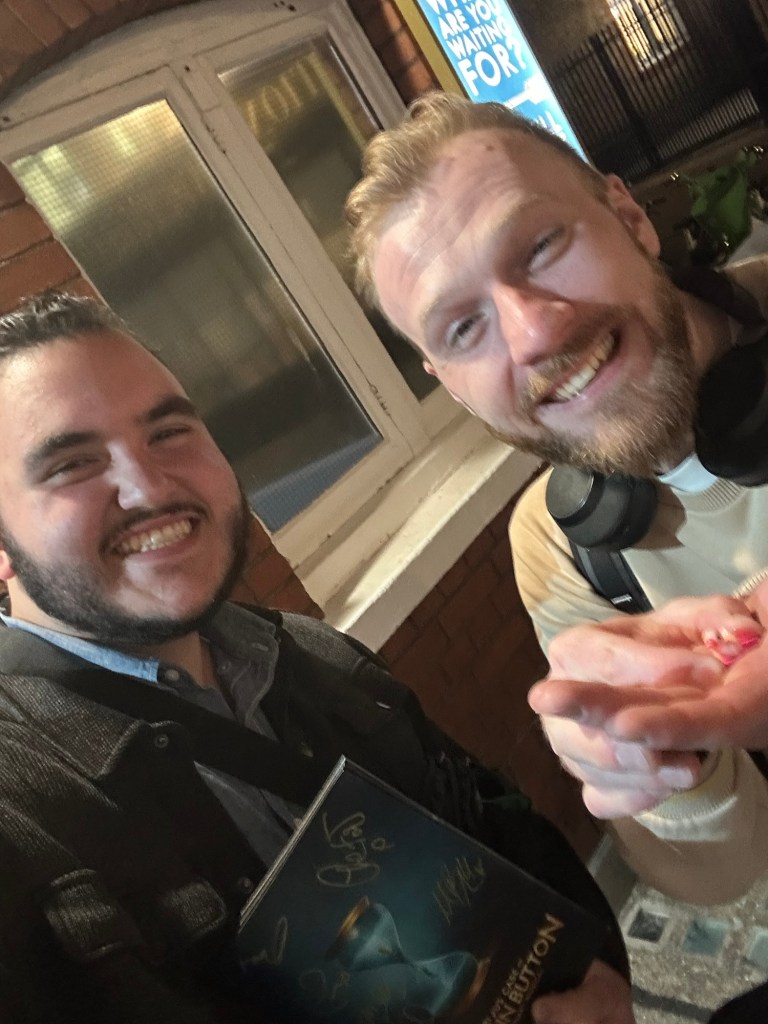
Today’s Squirt and Tucker special relates the tube ticket we got from this trip. I’m a very sentimental person, so I wind up keeping just about every show ticket and travel ticket I can. In this case, though the tube machine was supposed to steal away our return tickets from Bath, it allowed our group to keep them. And so, I pondered for a little while on how best to benefit from this fortunate situation. Two days later, I went to a matinee of Hadestown and realized I had the perfect opportunity to double the value of this little piece of the trip’s history. At the stagedoor for the show, after getting my Squirt-Selfies(™) with the actors, I had them all sign the return ticket. Now Squirt and I have an extra little bit of memorabilia for both a wonderful trip and a wonderful show!

Interpreting Shakespeare – The V&A Museum

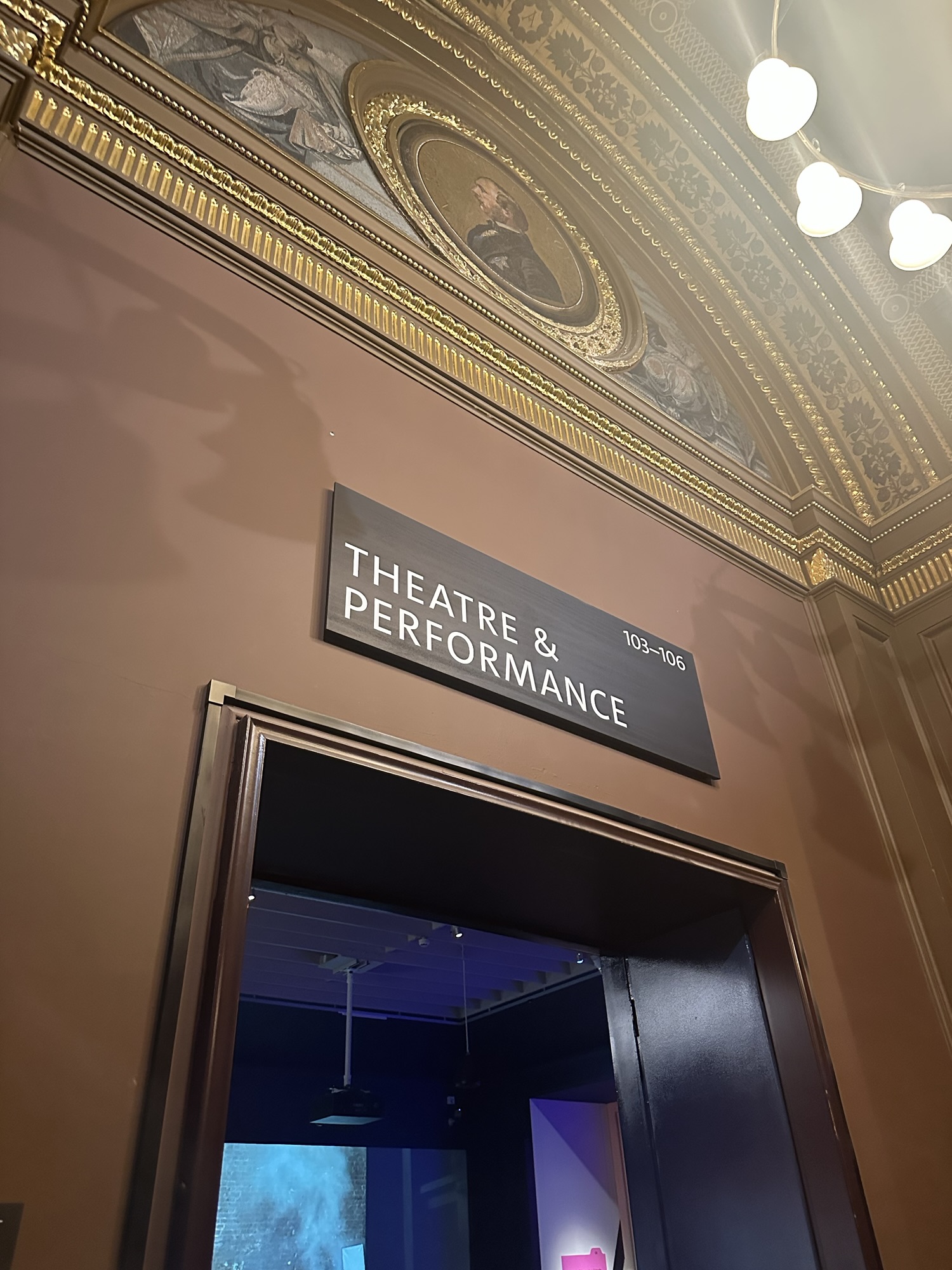
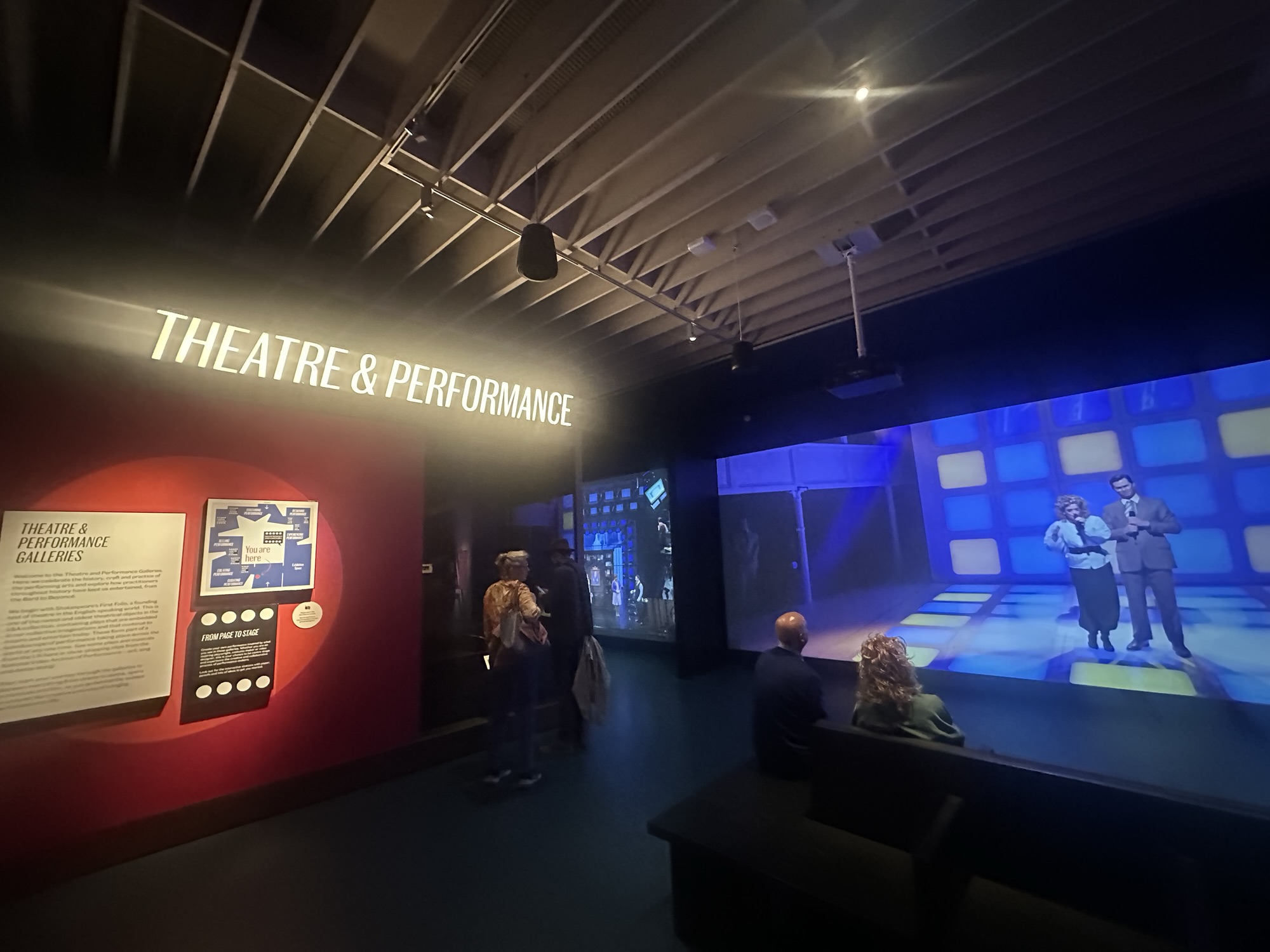
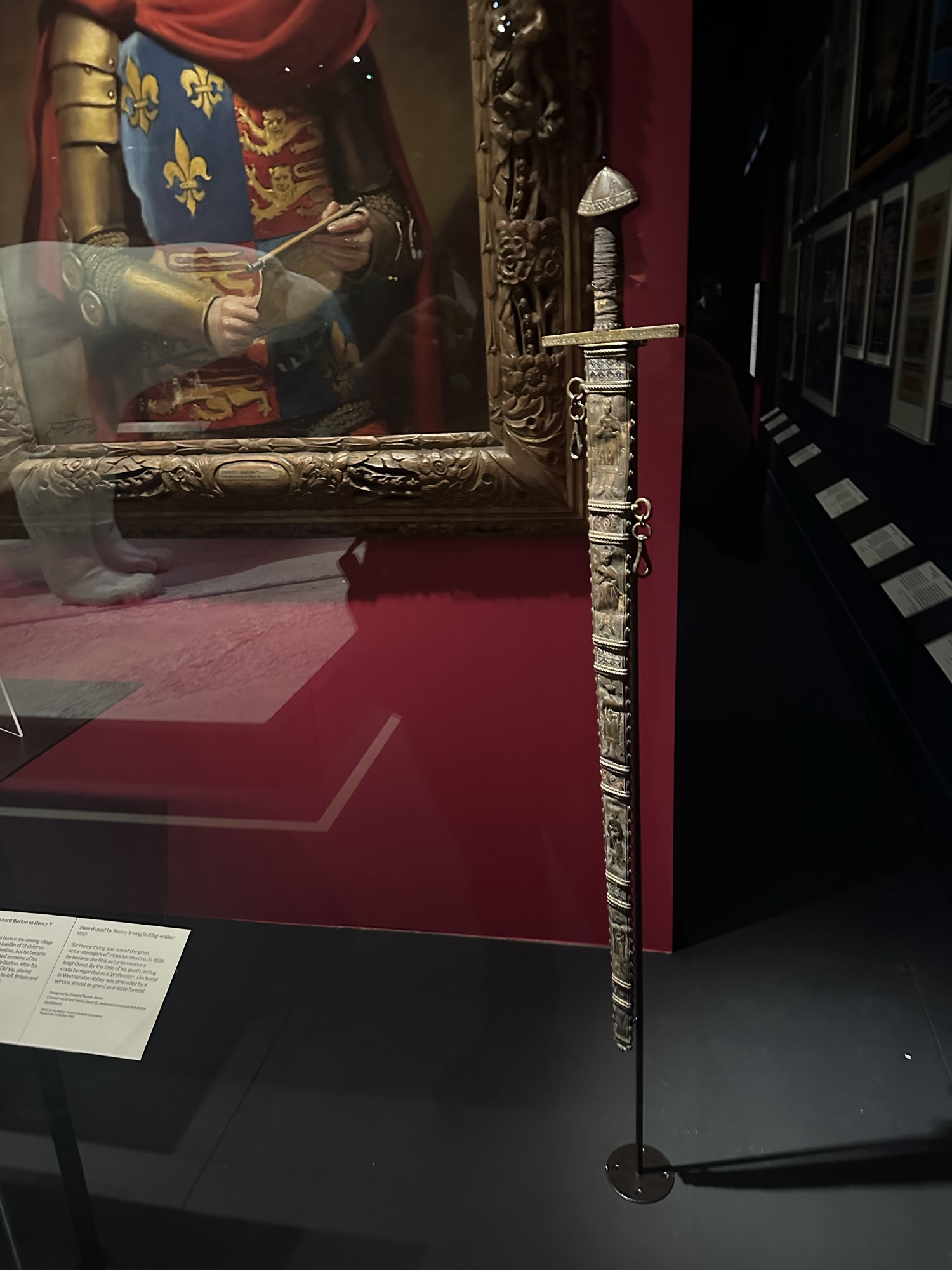
On May 27th, our group took a trip to the Victoria and Albert Museum.. We passed through halls of wonderful art and artifacts before finally ending up in the Theatre & Performance section. Now, we’ve seen a lot of really awesome plays on this trip. In addition, we’ve seen a lot of awesome pieces of history. With this museum section, we got to see both of these worlds combined into an awesome display.

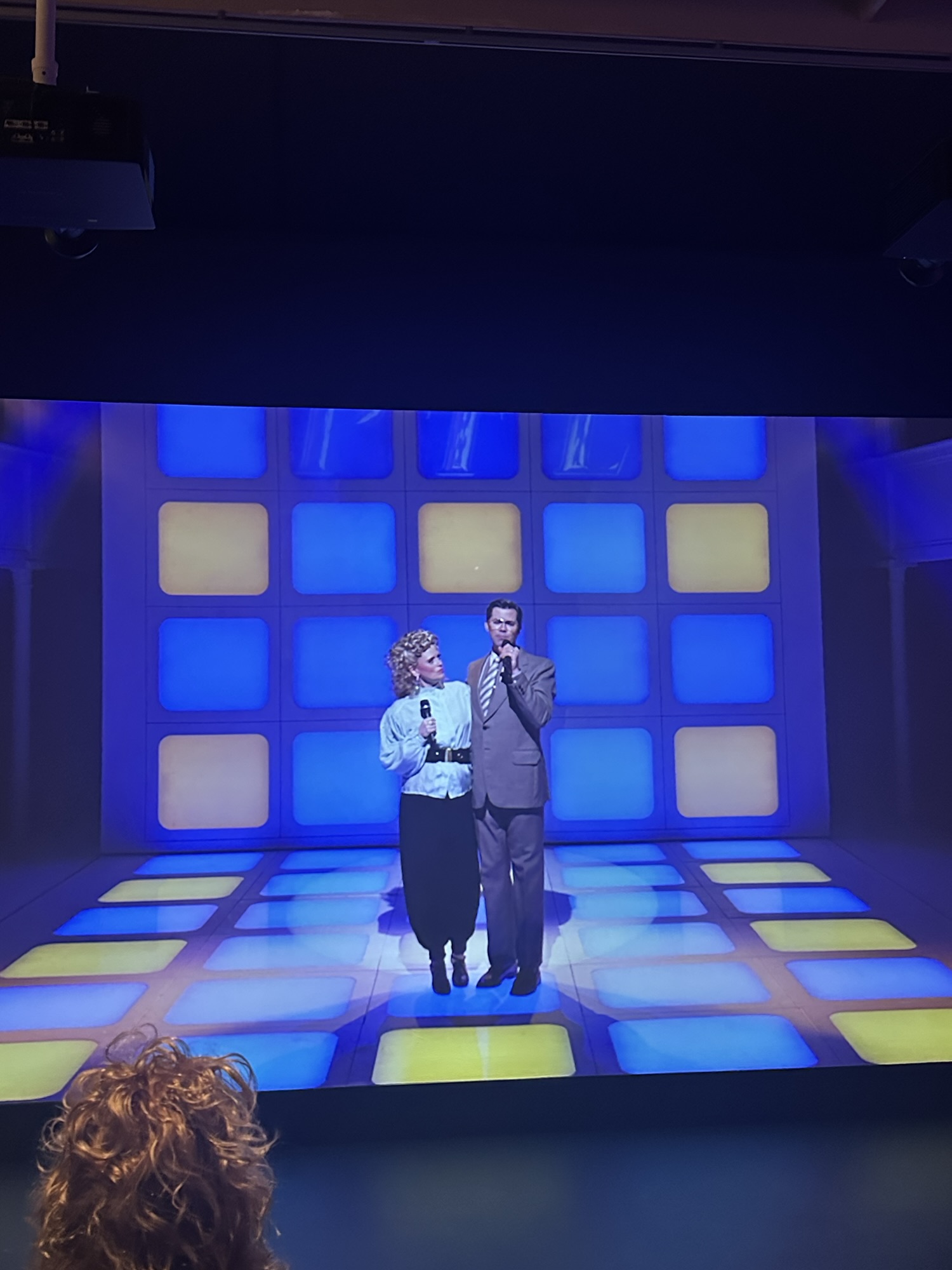
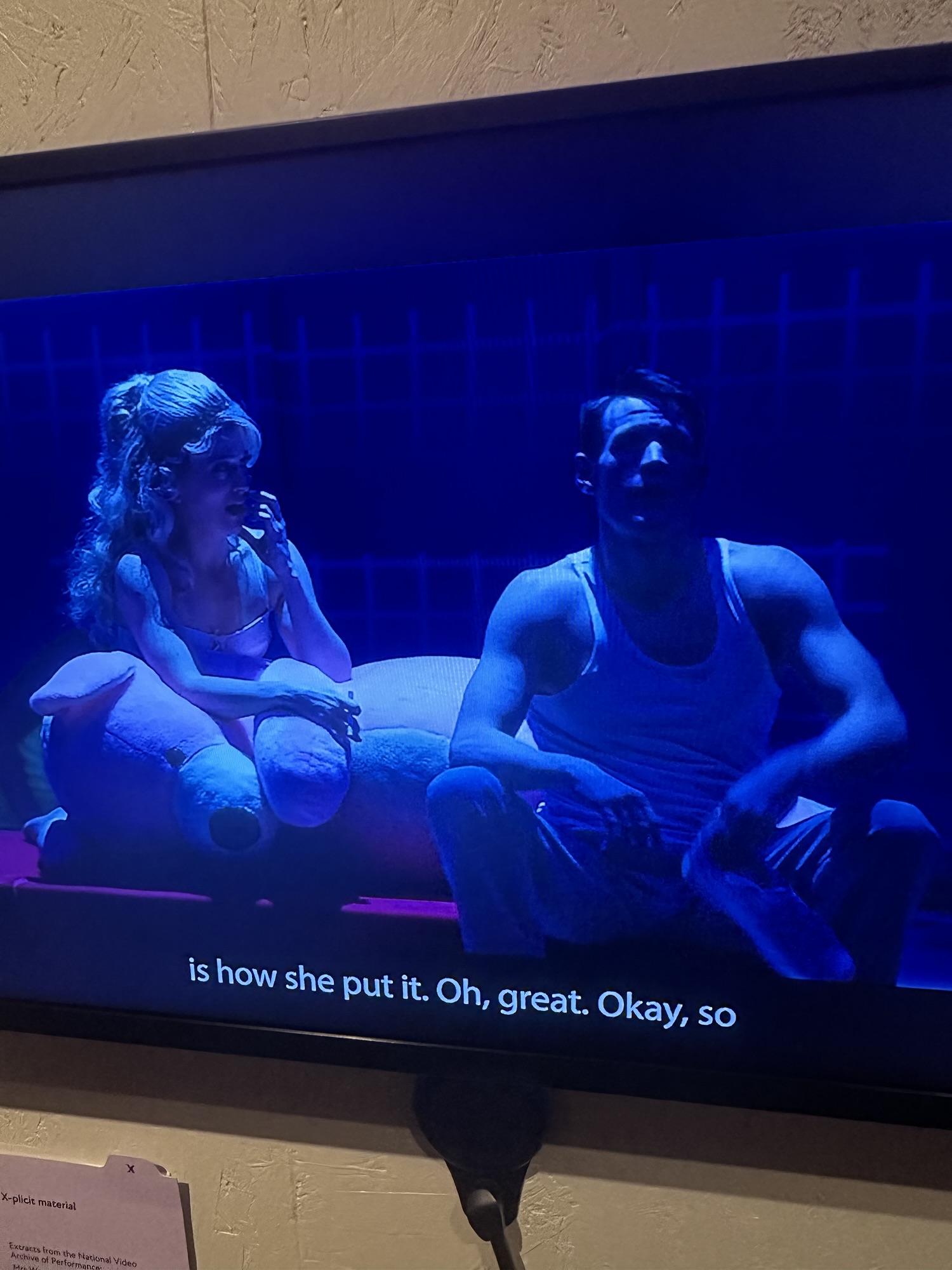
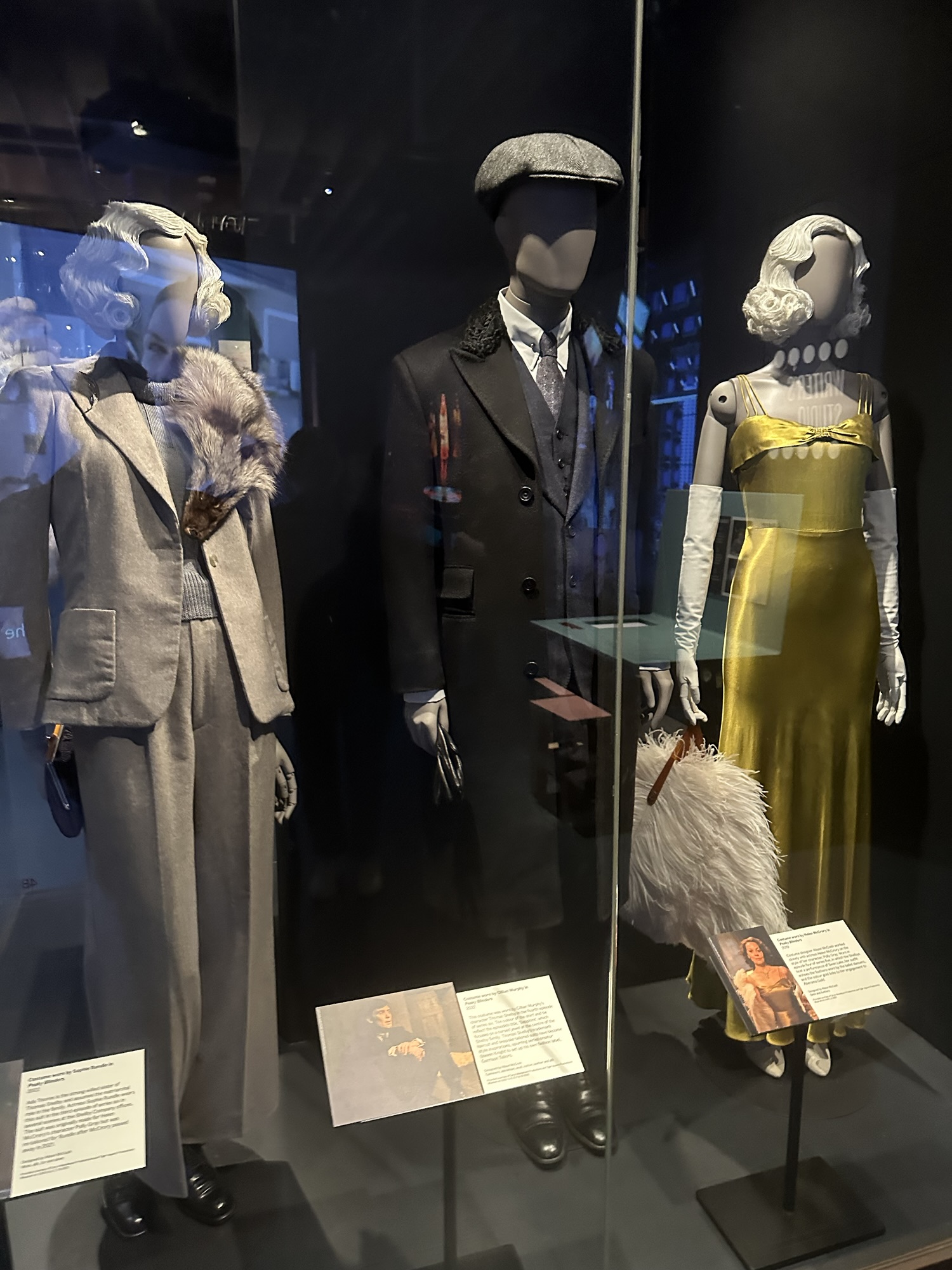
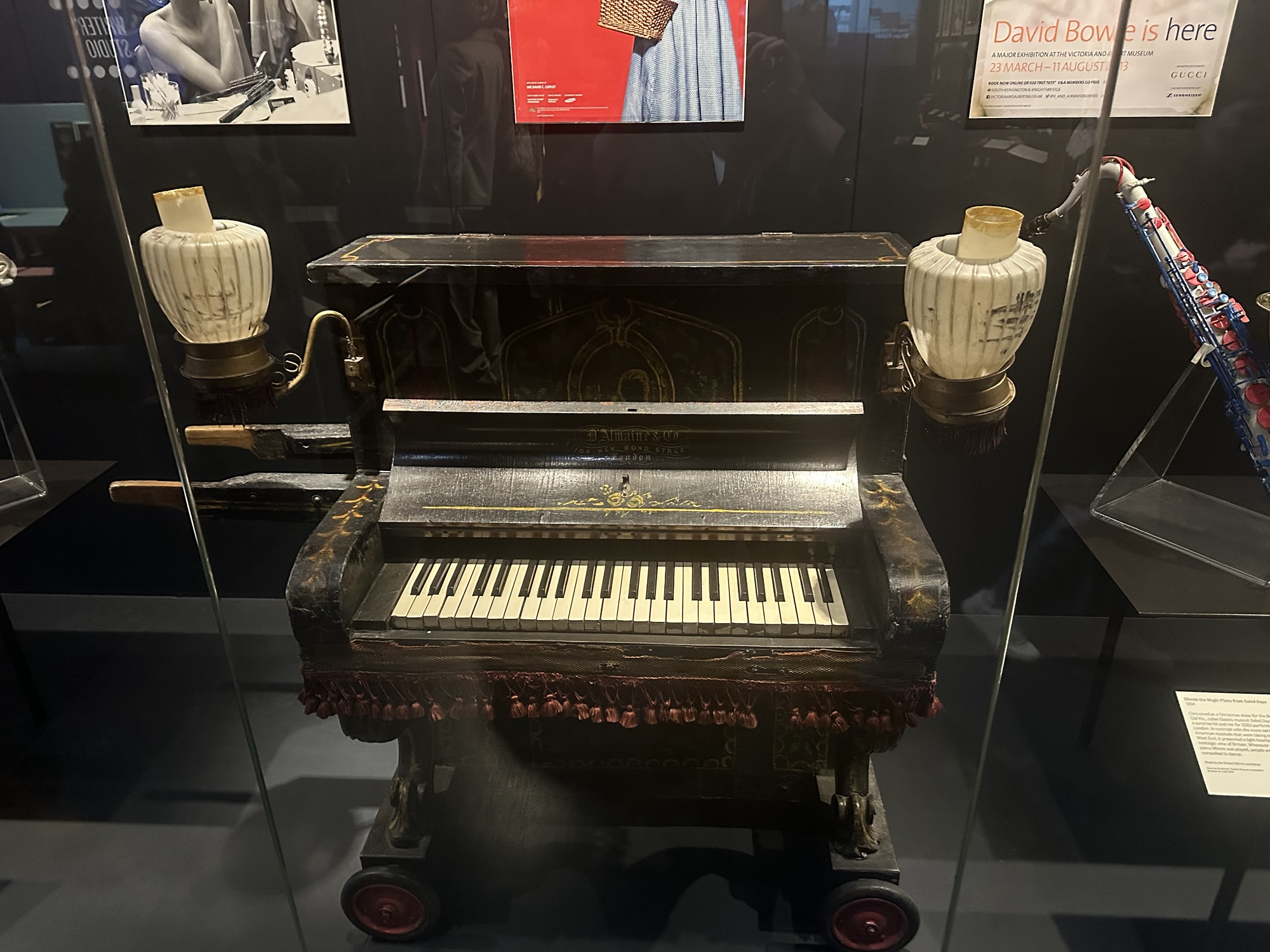
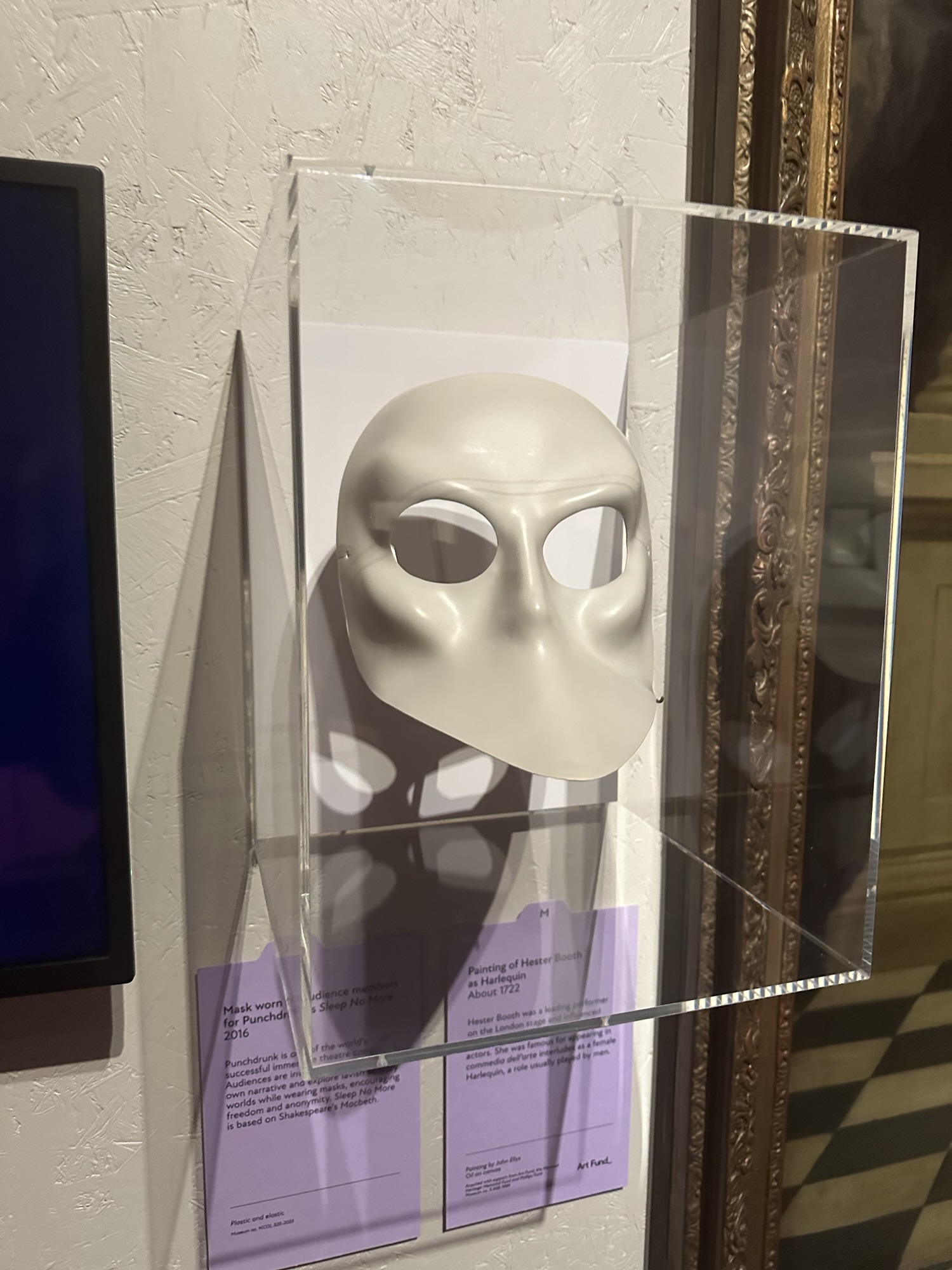
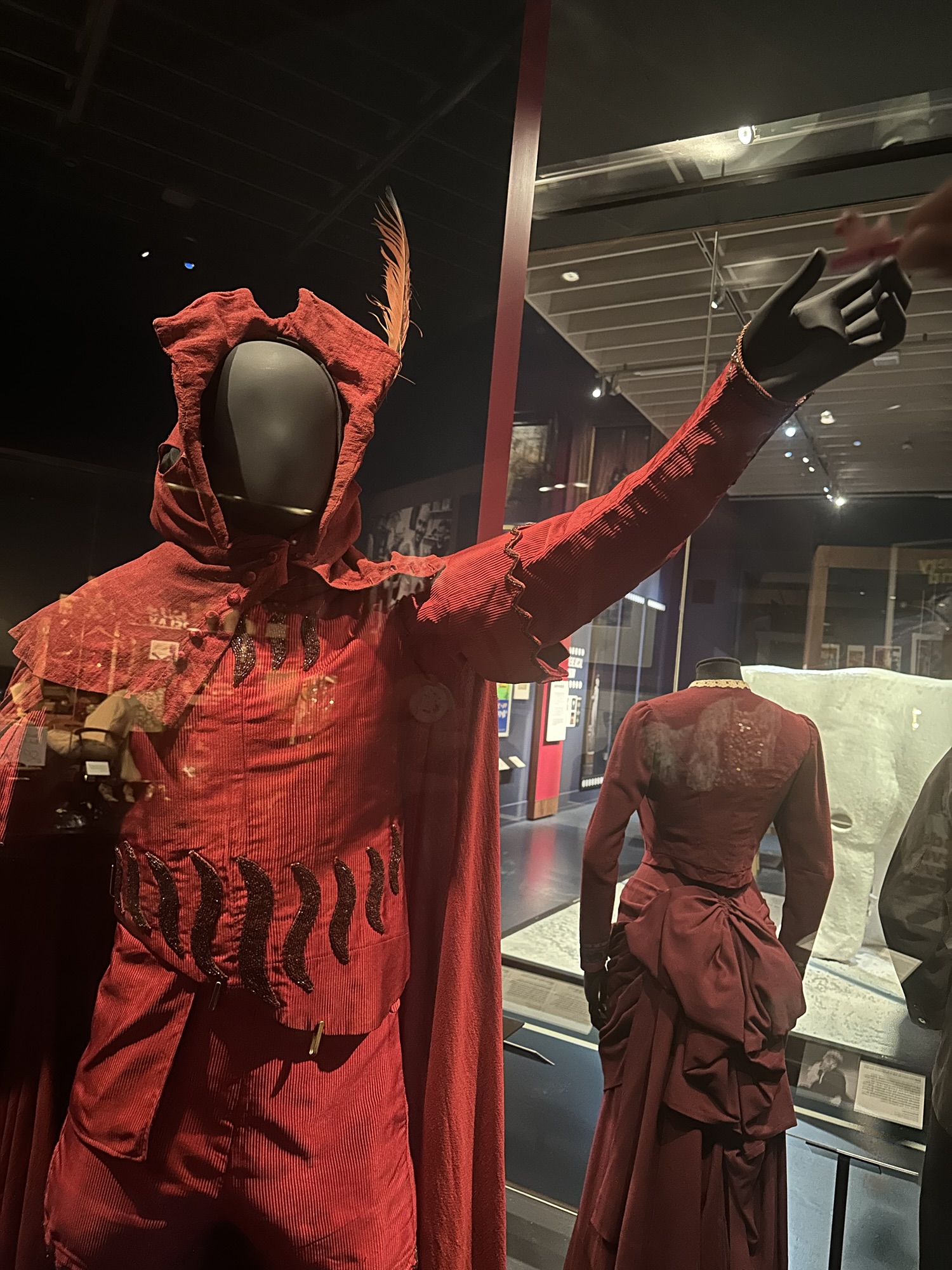
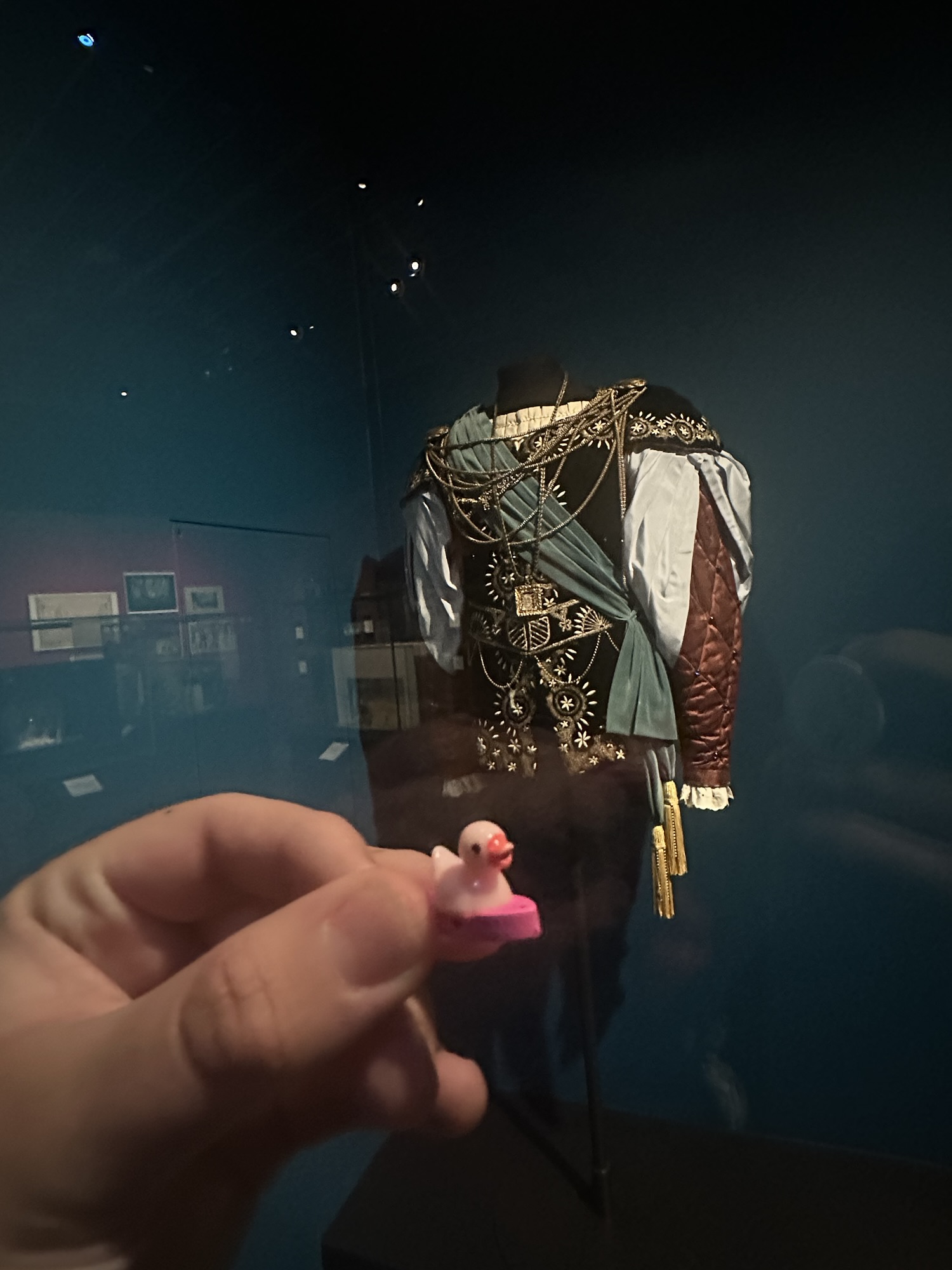
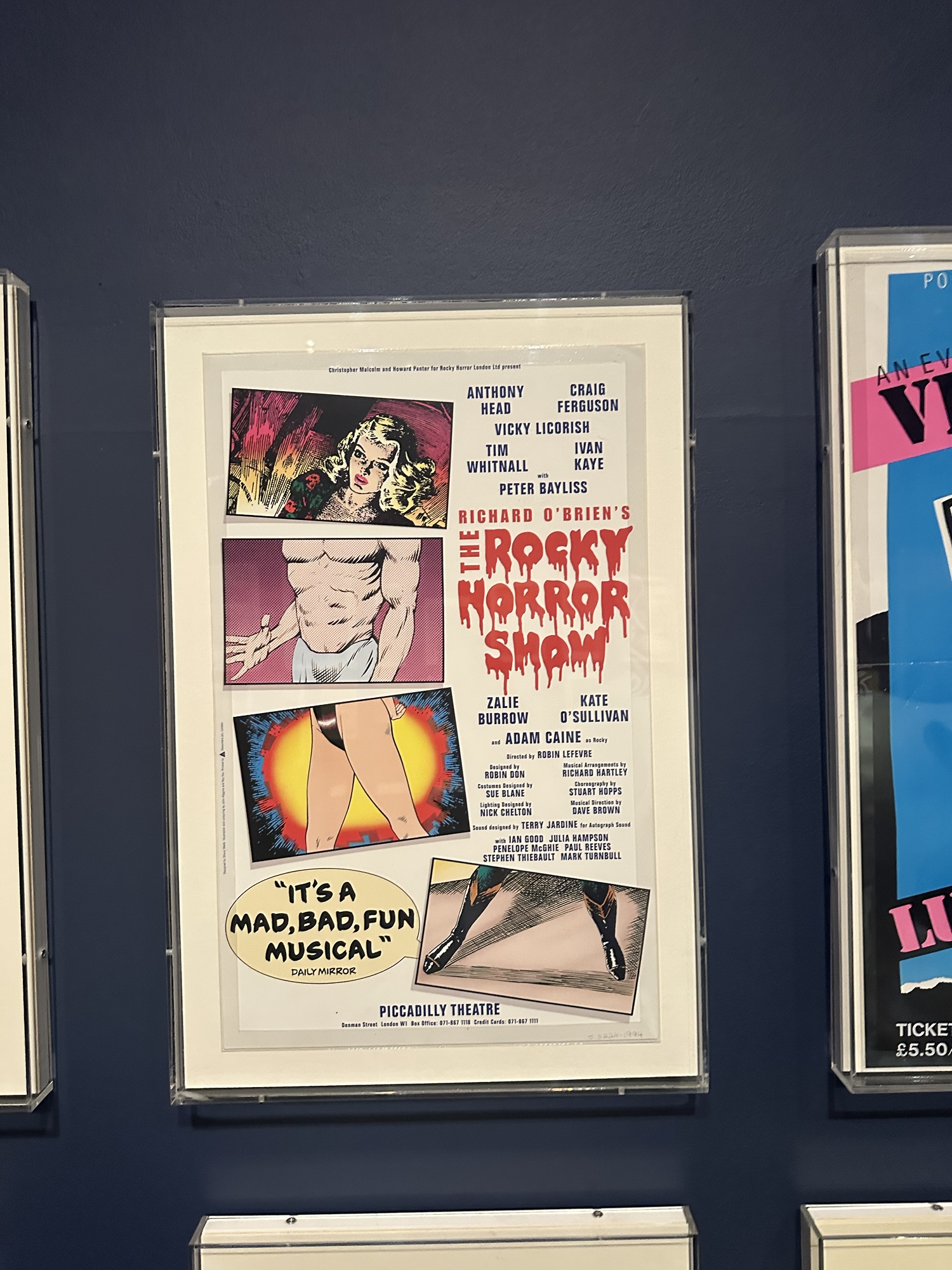
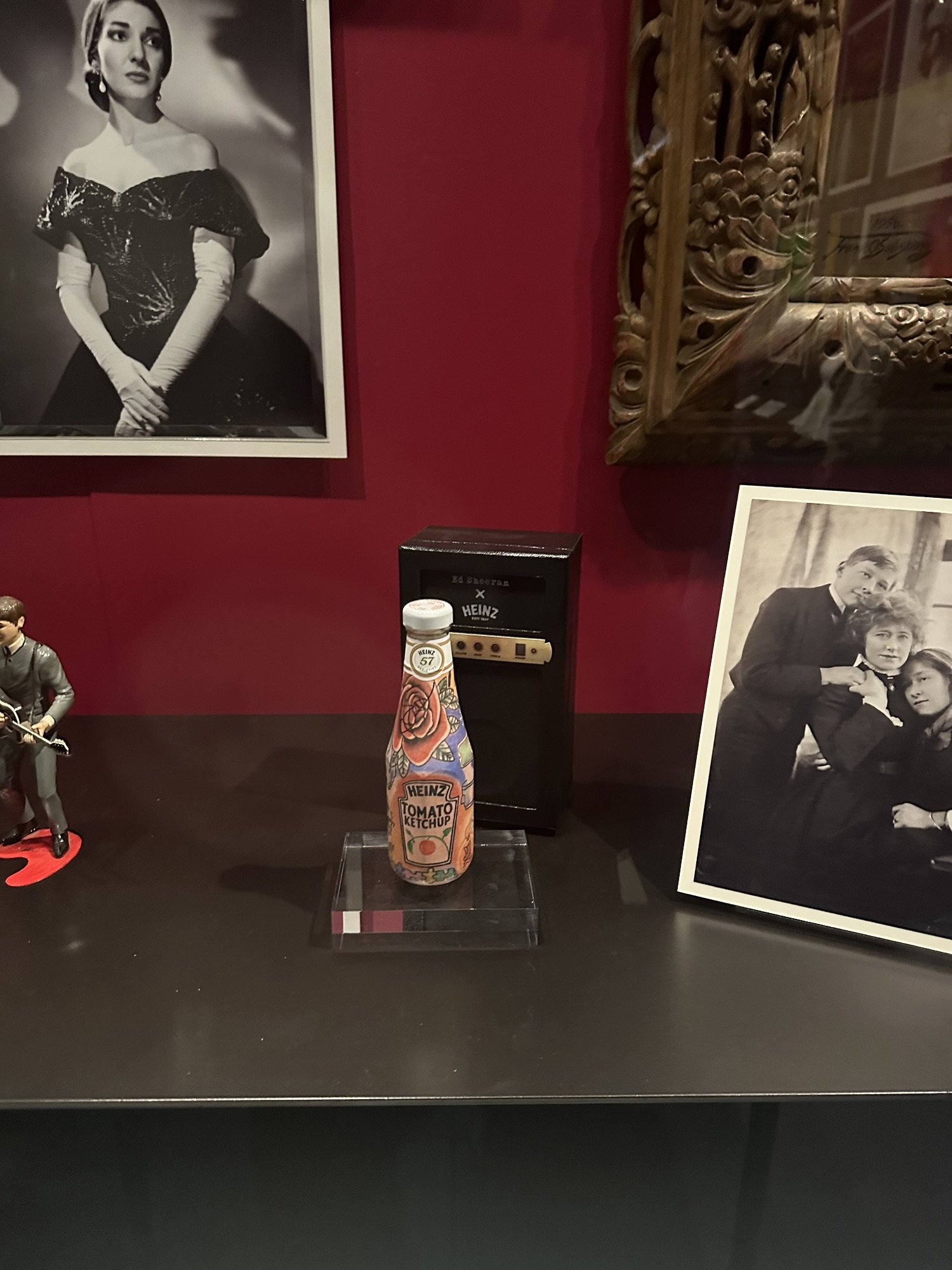
Above is a slideshow of many of the wonderful things on display in this gallery. These include recordings of plays, costumes from plays and TV shows, and lots of other props and pieces of past plays and art! One of the ones I was intrigued by was the mask from “Sleep No More.” This mask is from Punchdrunk’s immersive theatre version of Macbeth. In this experience, audience members wore these masks and would explore and experience the narrative as it unfolded in the building around them. This production is an especially unconventional take on Shakespeare’s work. Another display held a similar idea of interpreting Shakespeare’s work but still kept it on a traditional stage.

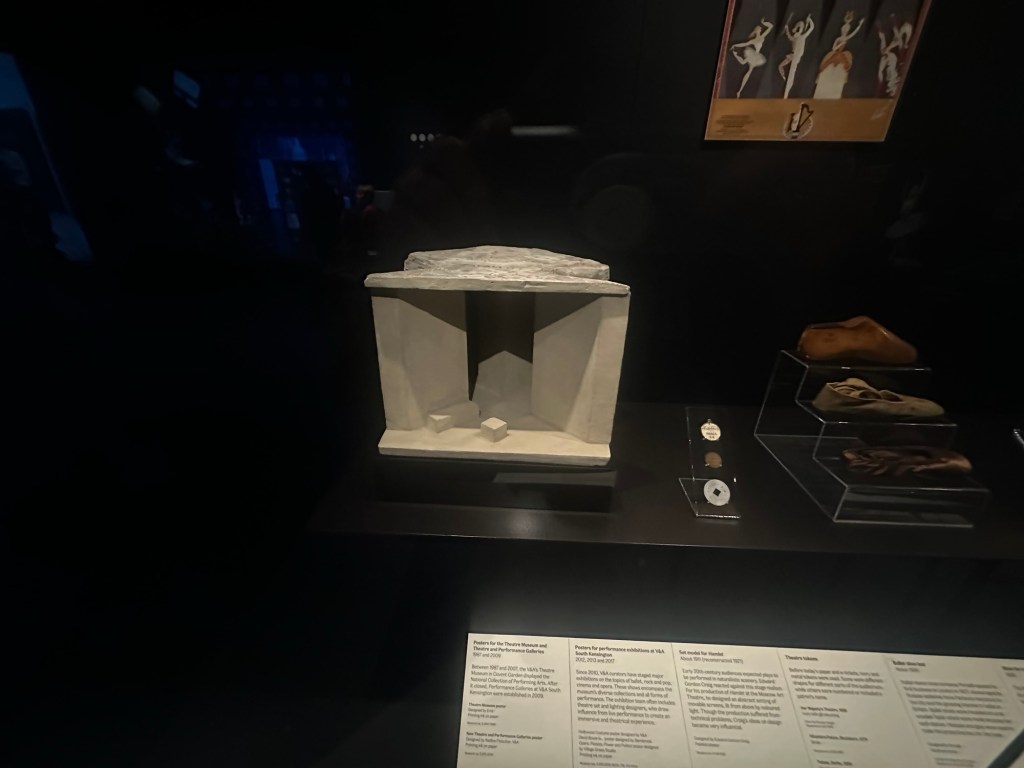
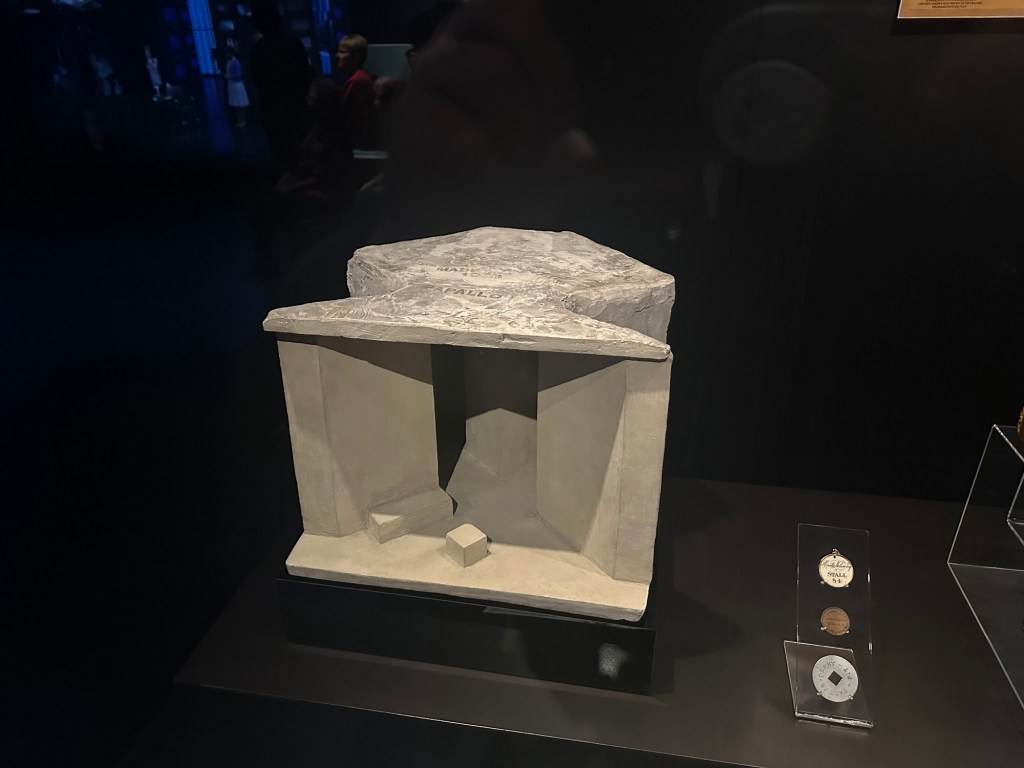
This set model (reconstructed in 1921) depicts the set of the Moscow Art Theatre’s famous (infamous) Symbolist Production of Hamlet in 1911. This set was designed by Edward Gordon Craig who worked with Konstantin Stanislavski to produce the show. The two men had very different ideas of how to take the production, Craig pushing for a more aesthetic symbolic style while Stanislavski still mostly pushed for a psychological realism for the production. However, the two of them largely agreed for the overall production to lean more towards symbolist drama. This comes clearly through the view of this set being quite bare as a whole, as Craig’s design employed the use of screens lit with colored light to differentiate scenes. These scenes also were meant to invoke the image of being memories and thoughts straight from Hamlet’s mind.

Closer view

This set model and the rest of Craig’s design puts a focus on Hamlet’s mental state and his mind in general. I personally really enjoy this interpretation of the play. The progression of the play is mirrored by Hamlet’s deteriorating mental state. The idea that the scenes are just figments of his mind matches with the carelessness Hamlet often exudes while in his “crazed” state. The thing I find interesting about this is the fact that there are many scenes that Hamlet likely wouldn’t have personally viewed. This puts many of the scenes in question as to whether the plottings of Hamlet’s uncle were in fact creations of Hamlet’s paranoia.

Though this model is interesting in itself, truly the history of this production and its creation is its most intriguing aspect. I won’t go into too much detail as there is plenty more to learn about it than I could aptly share here, but I will give the elevator pitch. As I mentioned, this production was the work of Craig AND Stanislavski. As a result of the two mens’ contradicting views, it seems like the production was very limited in its presentation. Craig wanted to go pretty far in the direction of the “symbolic” but was often shut down by Stanislavski. By many accounts, this was fair. Craig didn’t work directly with actors and such often, so his demands were often highly unrealistic. On the other hand, Stanislavski was just beginning to define his “method” and was largely focused on the psychology of the actor. The two mens’ focuses were so inherently different that, to me, it’s a miracle the production got made at all.

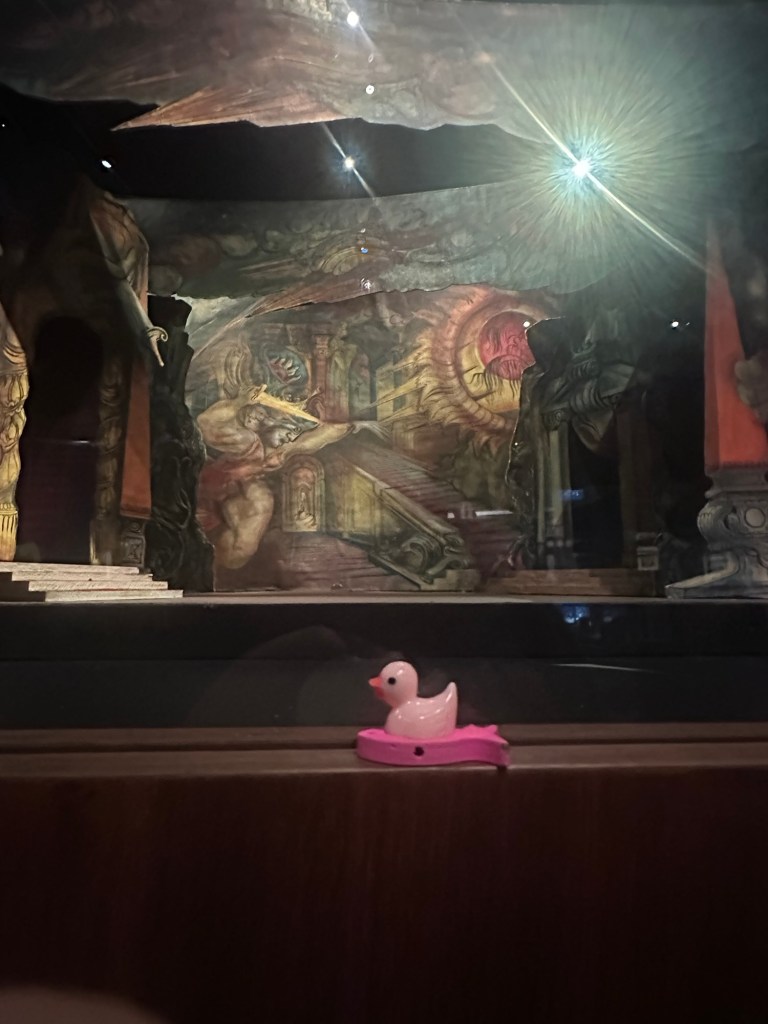
Similarly creative set of a ballet based on “Hamlet”

As time has moved forward, the discussions and experiments with presenting Shakespeare’s work have not slowed or stopped. In a previous blog post, I discussed a similarly psychological production of Hamlet at the RSC in Stratford-Upon-Avon. To conclude this, I would say that though Craig’s work with Stanislavski was not highly acclaimed at the time, the questions it asks and the effect it had is still asked and felt today.

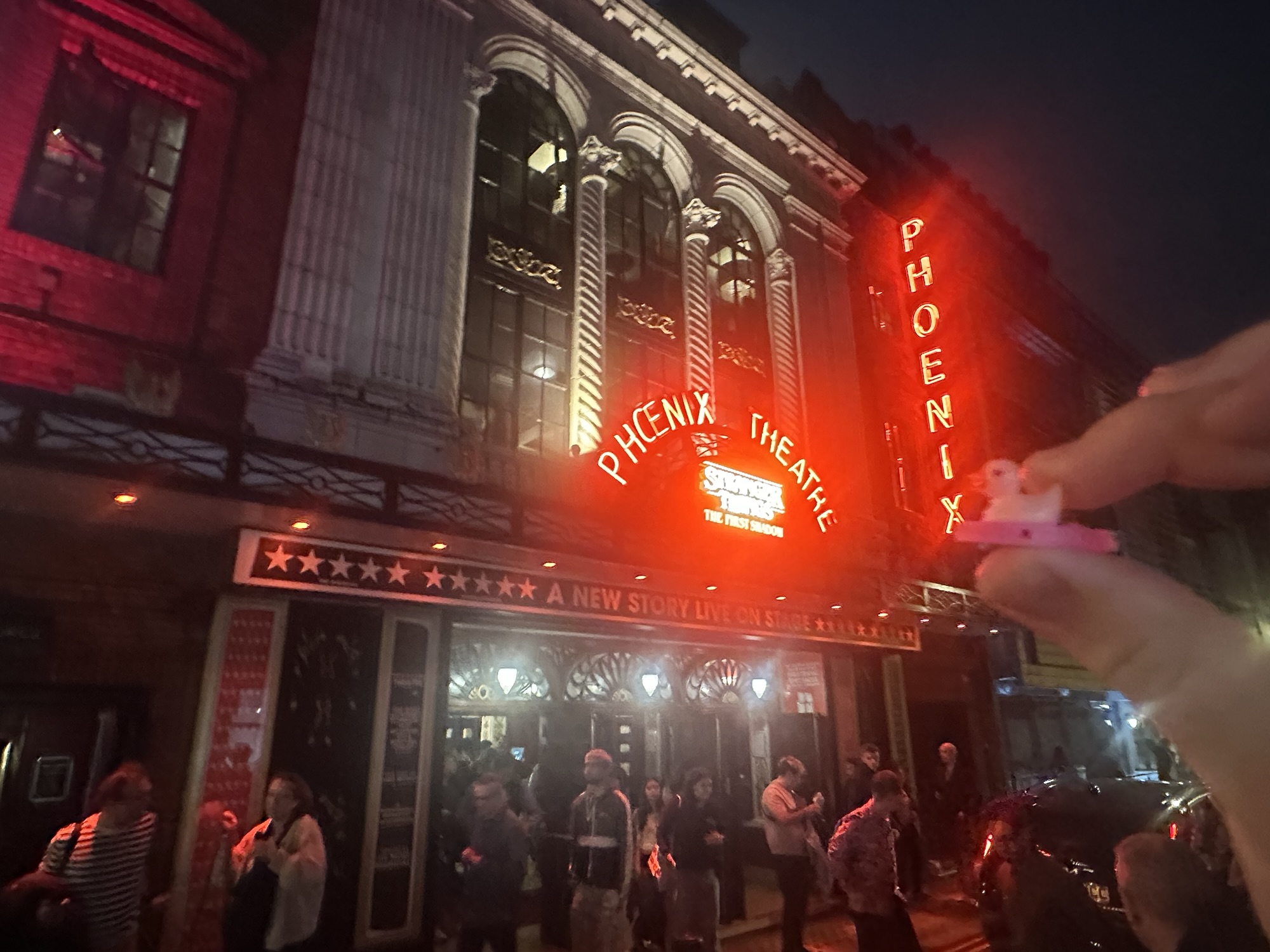
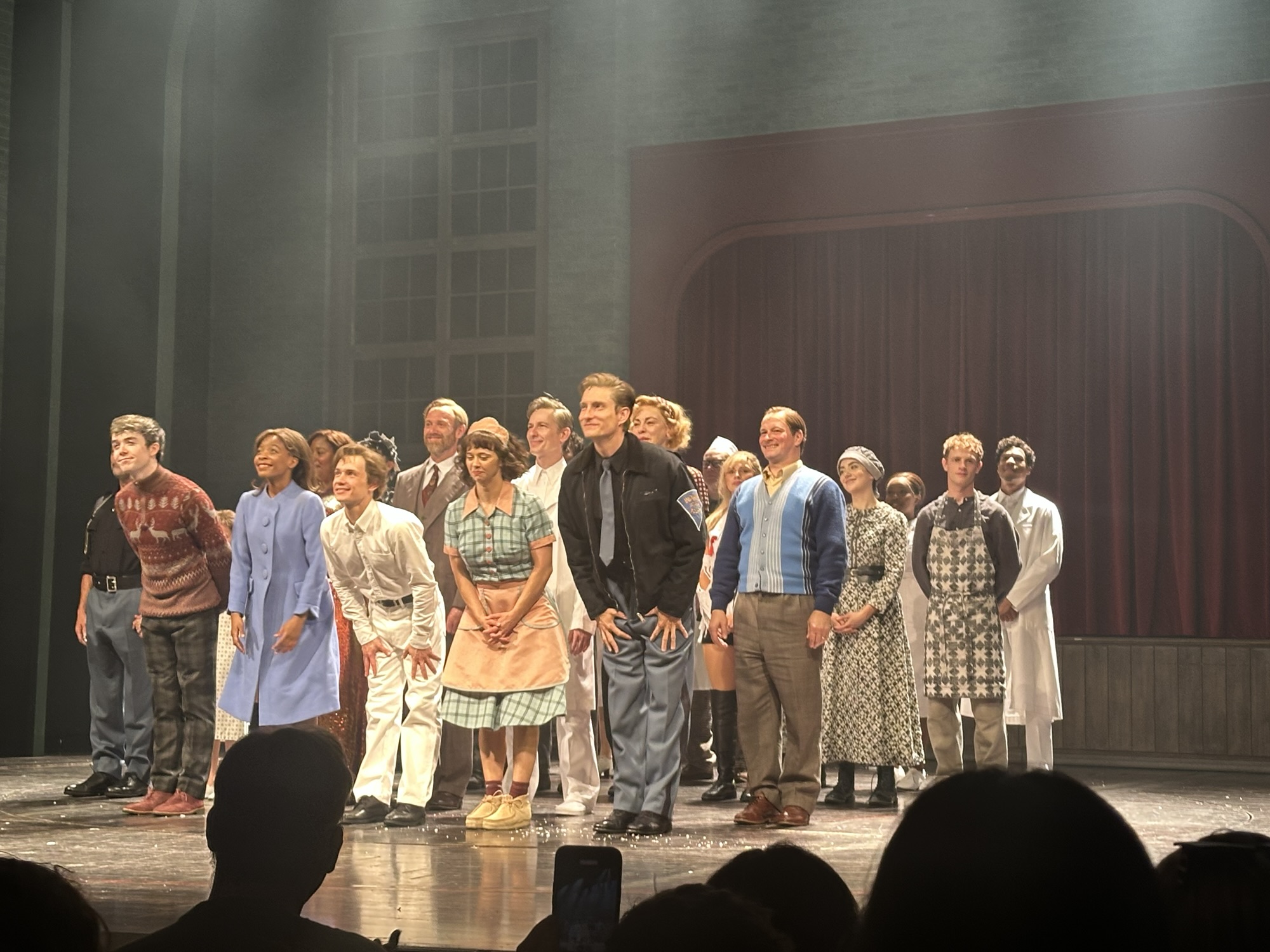
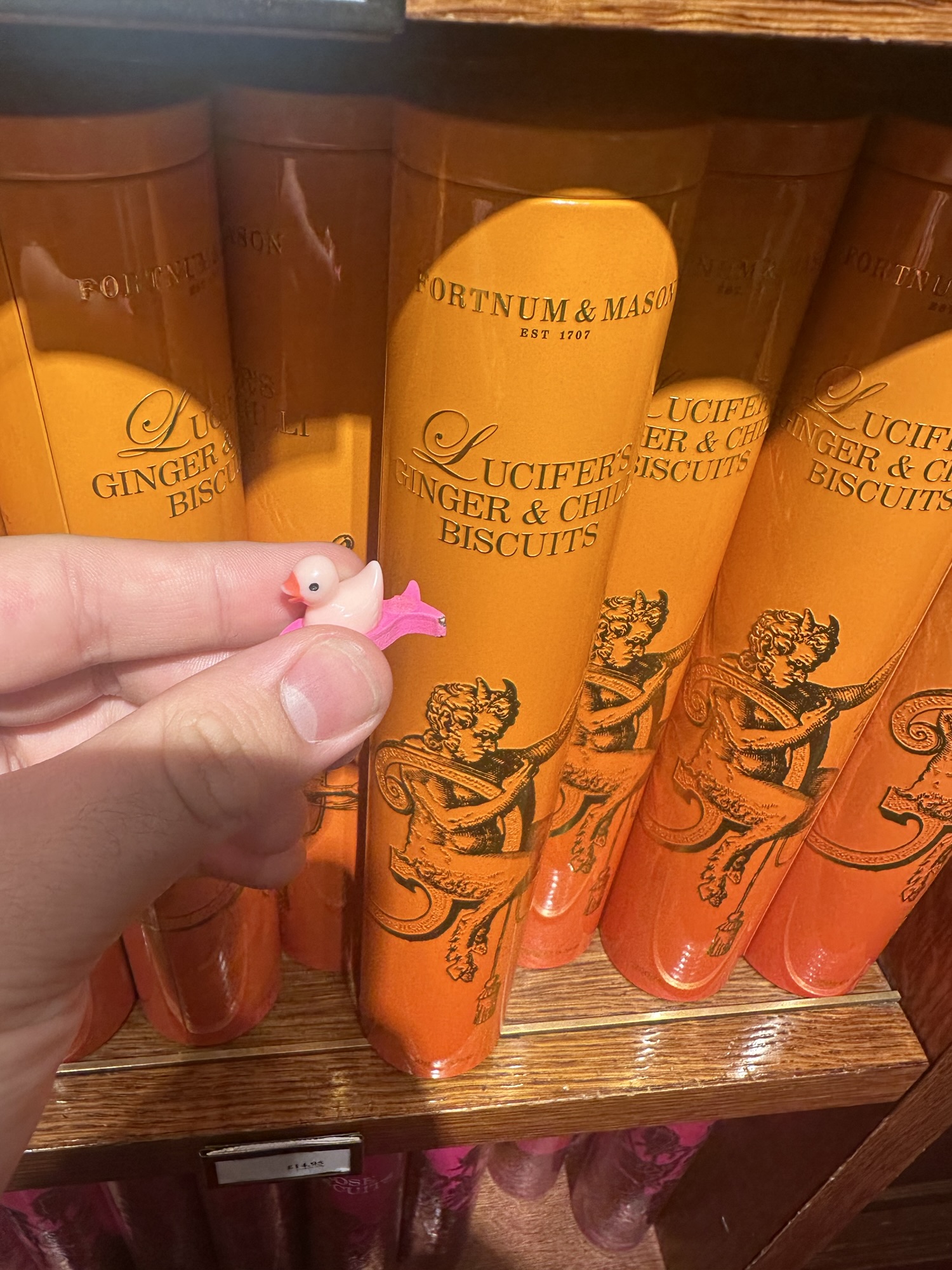
Here, I also wanted to provide a special edition Squirt and Tucker journey section. After visiting this wonderful museum, the two of us joined Susan, Tim, and one of their friends who teaches in England (I’m so sad – her name escapes me!) to Fortnum & Mason, where we got to view some wonderful (and much too expensive) teas, perfumes, biscuits, etc. That night, we went to “Stranger Things: The First Shadow” which was very spooky but a whole lot of fun. Squirt didn’t like it so much, I had to cover his eyes a few times and he had nightmares for a week. Poor little guy.

The Many Mouthwatering Markets of London!

I had plenty of high expectations when coming to London. I knew the theatre would be great and there’d be some awesome sights and so much history to learn. However, there was one thing I truly wasn’t sure about before heading here – the food. American media is pretty tough on British cuisine. The most famous jokes are, of course, making fun of British people for eating beans on toast (which I found out that I quite enjoy) and for “calling fries ‘chips’ and chips ‘crisps’” Despite these expectations, I went in with an open mind. And oh boy, was I awarded for my receptiveness!

London’s markets are, in my opinion, a highlight of the British culinary world. On our trip we have gone to several markets, each unique in their foods, stores, and, most importantly, their availability of good seating. I’d like to talk through a few of these markets and illuminate what each has to its advantage.

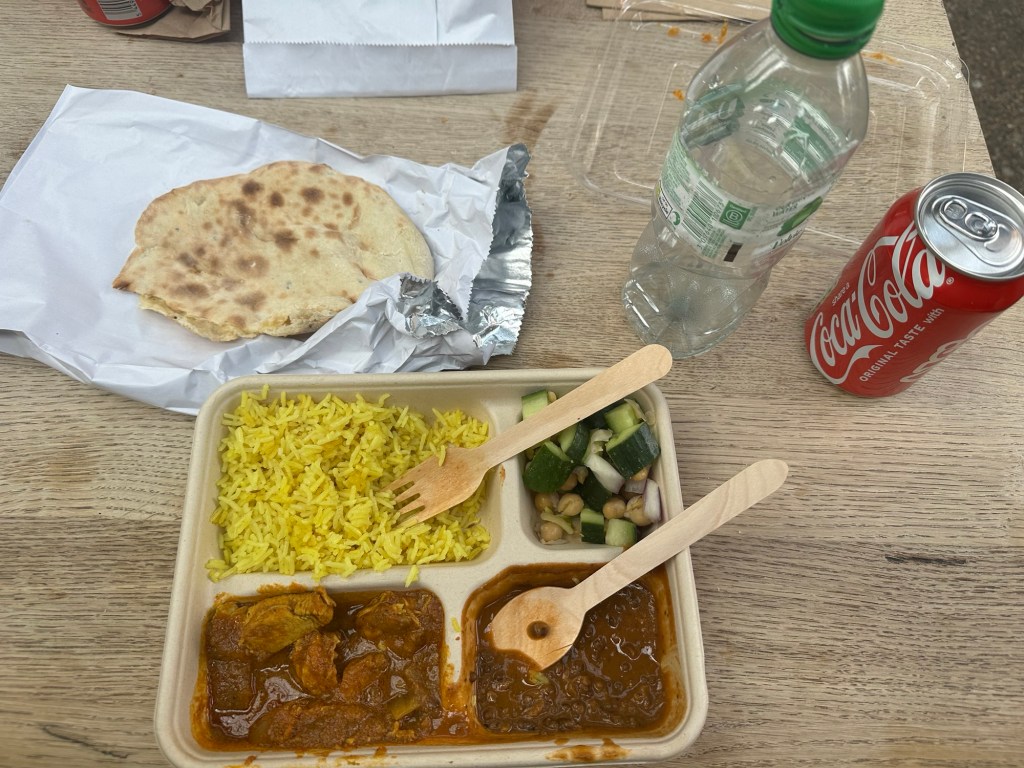
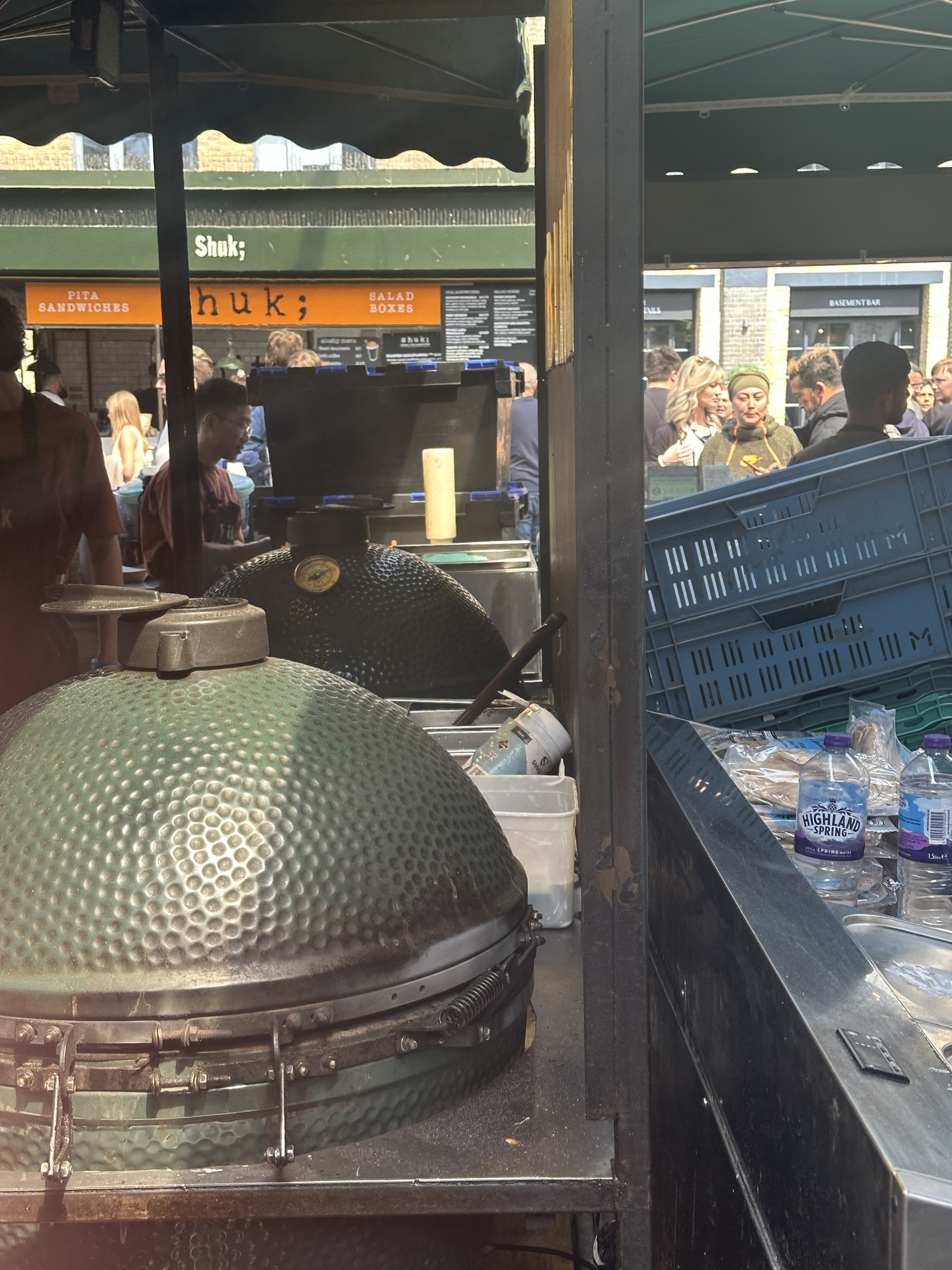
After our trip to the Tower of London on May 23rd, we hit up Old Spitalfields Market. This market was bustling with people, many souvenir and trinket shops interspursed between delicious smelling food stalls. Taking Shawn’s recommendation, I got my meal at the market’s Indian restaurant (I cannot recall the name). I got a bento box with a delicious spicy chicken, rice, cucumber salad, and a fantastic sauce. Additionally I got a piece of cheese naan to dip into everything. The food was delicious, and I ended up getting an apple crumble and warm custard at Humble Crumble to bring home to the hotel for dessert. The food was all great, the market wasn’t too large or loud, and all-in-all Old Spitalfields certainly made a great start to our tour of many of London’s markets. But first, I have to talk about a great restaurant experience I had in London.

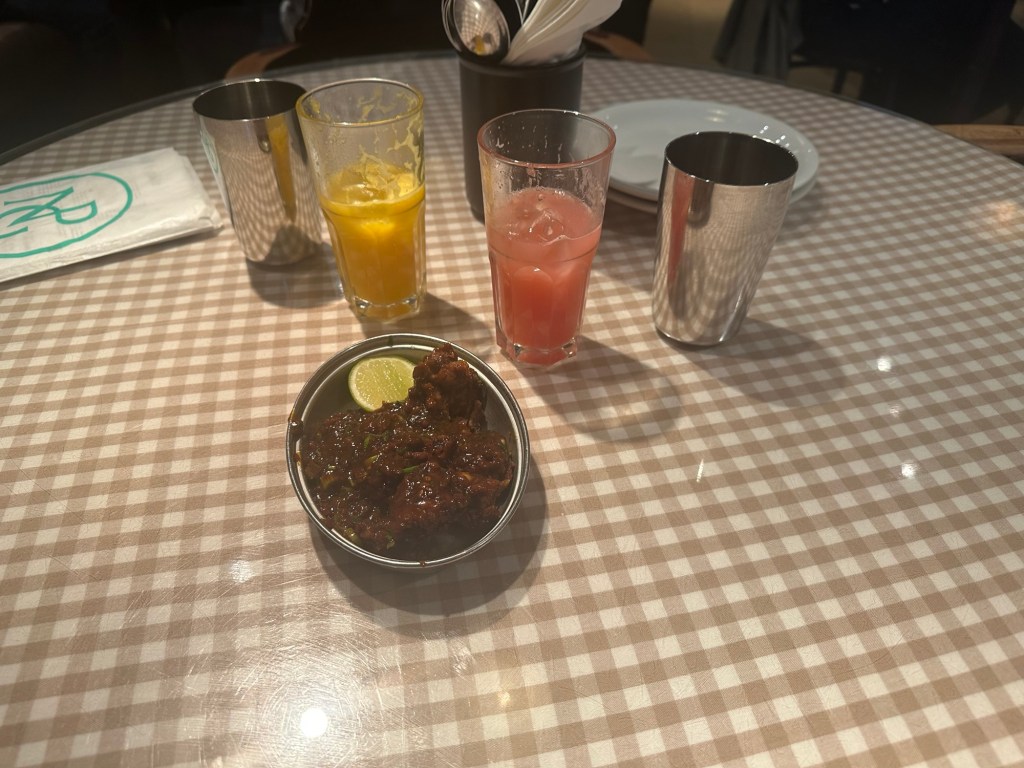
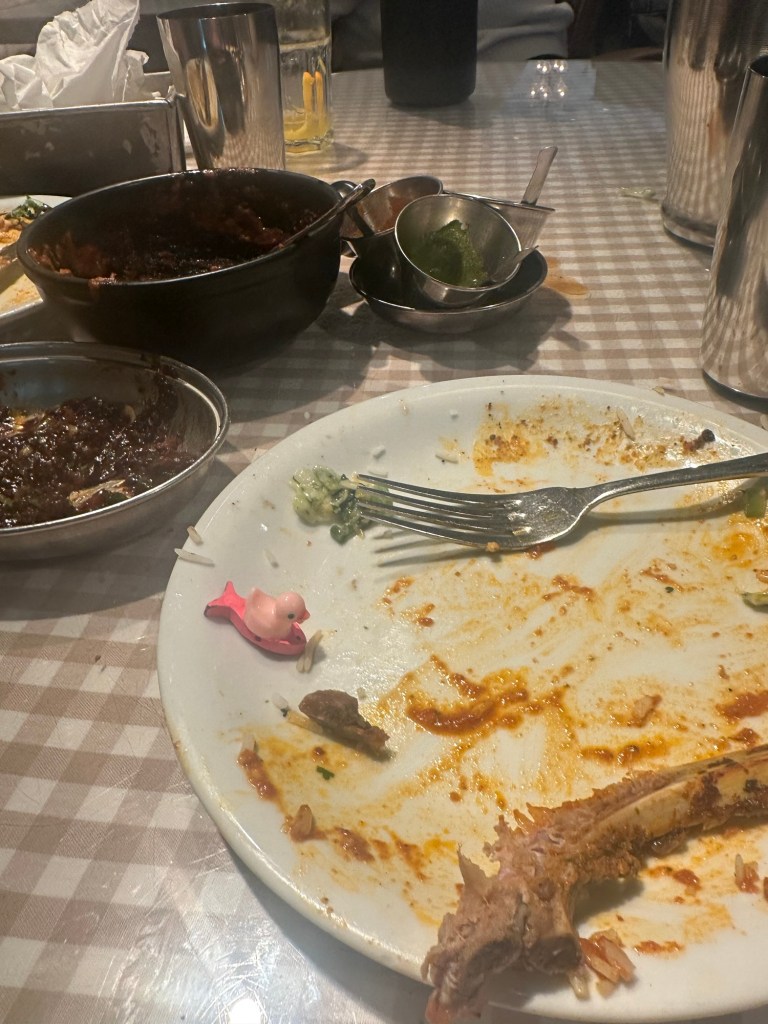
Because of how fantastic the Indian food was at Old Spitalfields, I knew I had to try some more. And so, after our visit to the Portrait Gallery on June 4th, Ilaria and I visited Dishoom, a popular British chain of high-end Indian restaurants.I have eaten Indian food once or twice before this trip, but never had it at a real restaurant like this. Ilaria really hadn’t either and so, we decided to kinda splurge and try as many things as possible. We ordered a bunch of plates including lamb chops, rice, and one of their most popular dishes, the chicken ruby. These with some cheese naan creating a heavenly meal that was different from any I’d experienced. We shared all the dishes, filling our plates (and stomachs) with whatever they could fit. It was all delicious and, to top it all off, our server gave us a complimentary rice pudding that was without compare. Altogether, it was my favorite eating experience I had in London. However, some of the markets also gave some tough competition.

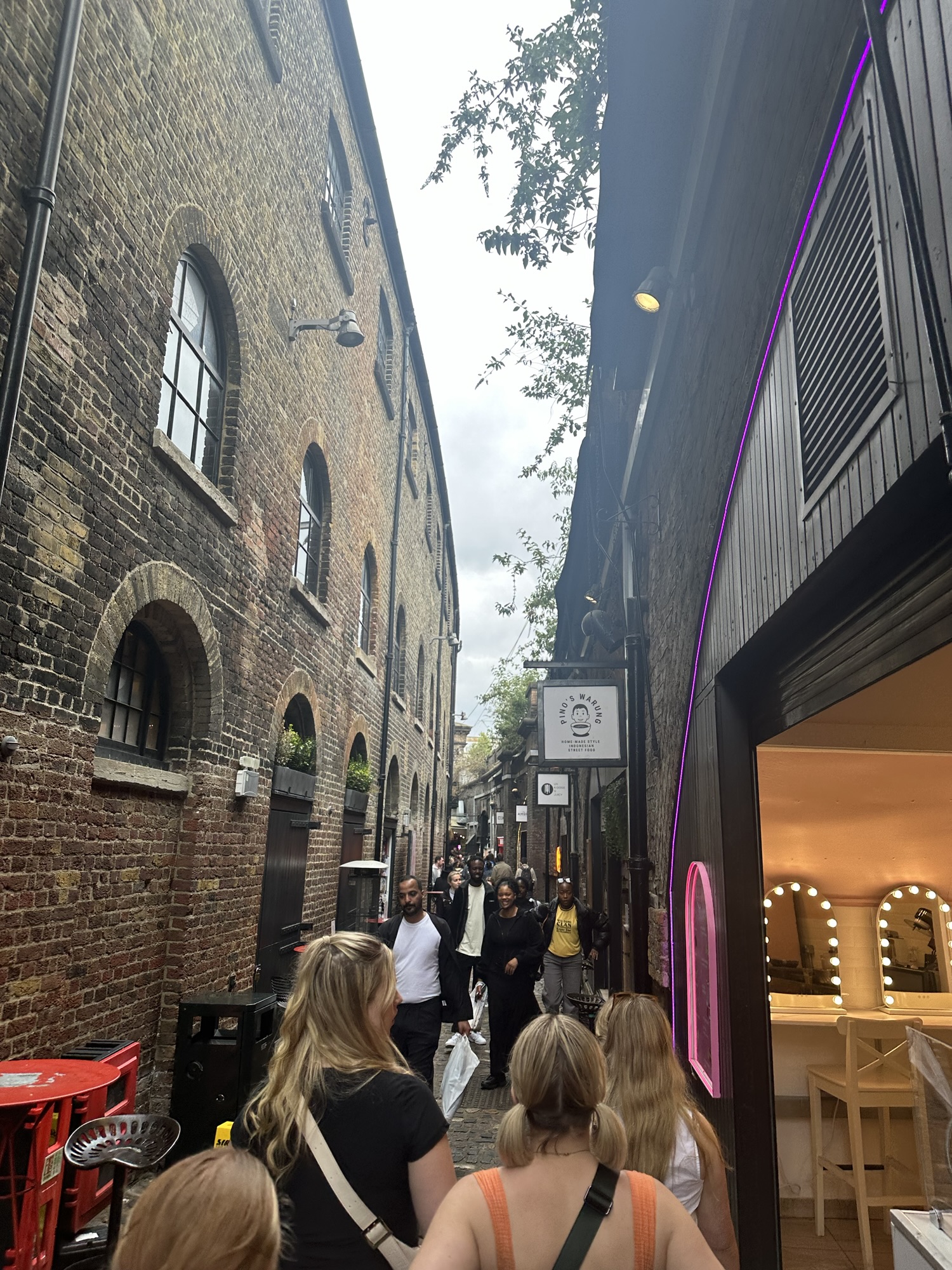
Some of the best food I had came with a wonderful performance element. The first is the bowl of heaven from Camden Market seen in the picture above this text. This mouth-watering meal is the Masala Chips from Funky Chips. My first time getting these, Merritt and I decided to share a small. I was worried this would not be enough food, but, upon receiving the mountain of food in the picture, my worries were assuaged. On the topic of performance, the people at Funky Chips have their routine down. The actual making of the chips is a spectacle. All the ingredients are poured and mixed into one huge metal mixing bowl. While they do this the guy making the bowl yells out “best chips and england” Cheesy cheesy” “Spicy spicy” to which the other guys working there will repeat each one. At the end, they bring out the cardboard tray for the food. The chips are poured in and every time they did, I swore they wouldn’t be able to fit it in. But, every time, they would. And every time, eating it would be a magical experience.

The second performance-forward meal I ate requires a bit less description as I remembered to video the magic. This magic happened at Kappacasein Dairy with their Raclette, a pile of potatoes and onions covered in their freshly melted, right-off-the-wheel, cheese. The potatoes and cheese, with just a bit of salt and pepper, were indeed delicious. However, I would say that the performance element of this meal is more than the food itself while at Funky Chips, both the performance is great and the taste is especially phenomenal. If I could go back, I would probably choose funky chips over it, but they were both great!

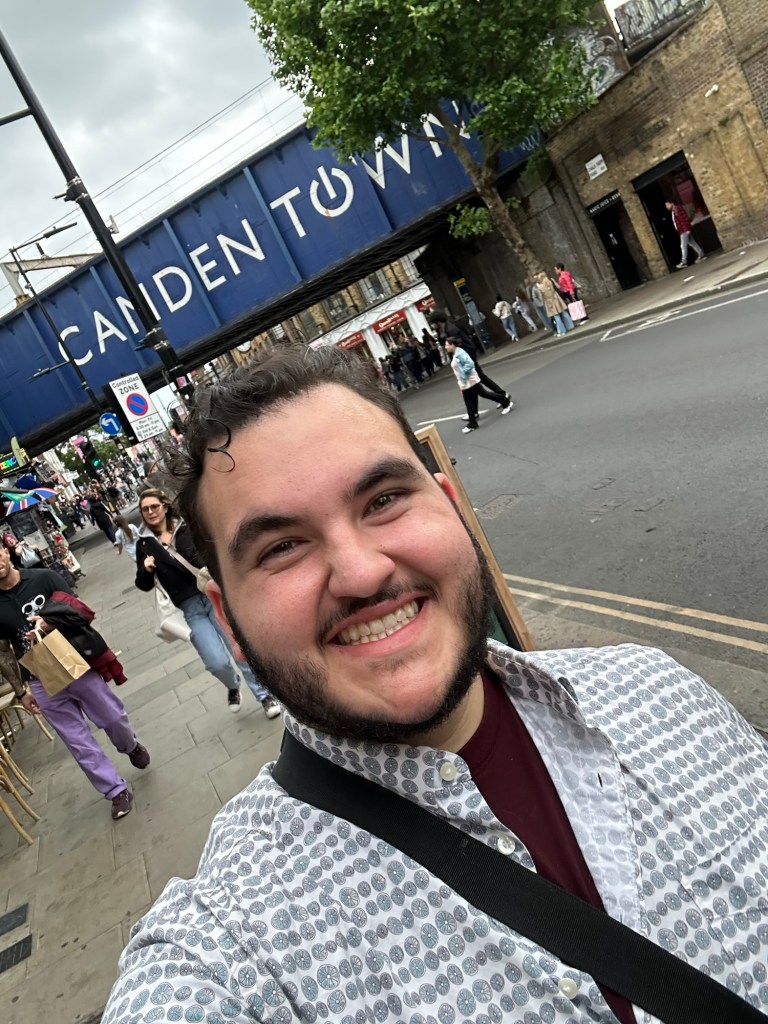
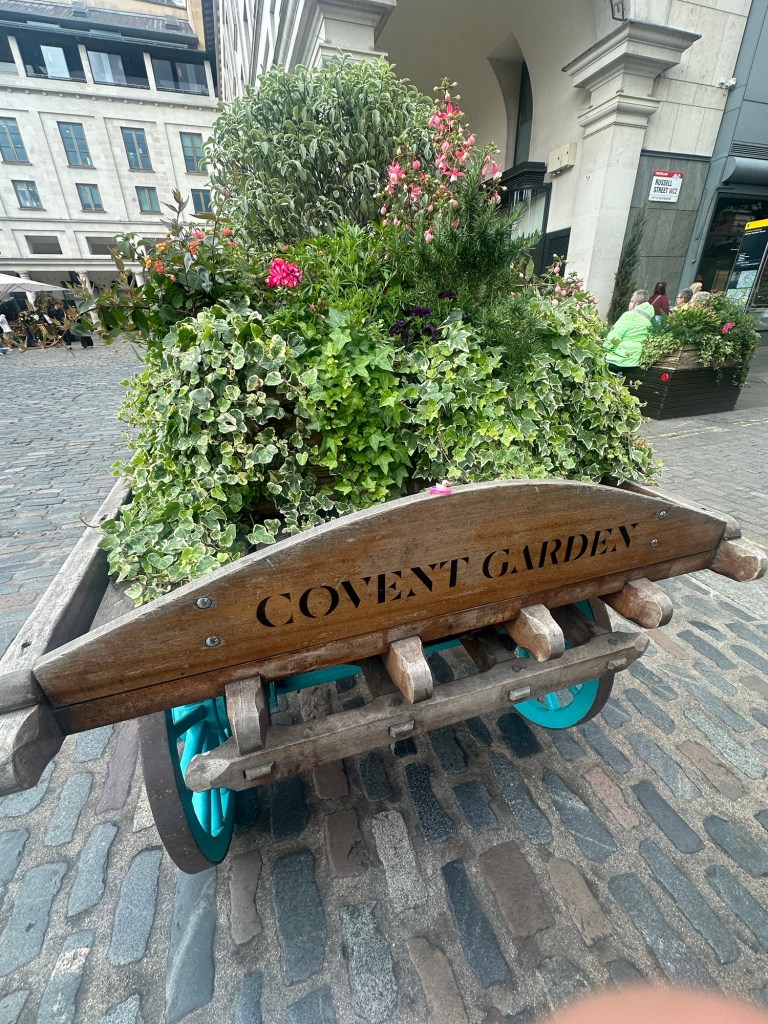
We also got to see some amazing non-food-related performances. Going through the tube system of London, I noticed a lot of instances of live music and people busking. However, some of the best musicians and groups I’ve seen were in London’s markets. My first experience with the music of the markets was at Covent Garden. Here, I was with a small group just traveling through on one of our free afternoons when I stopped to listen to a musician. She was playing acoustic guitar and singing and sounded wonderful. She had a QR code for her social media and I scanned and followed her on Instagram. Her name is Alice SK and is a local London musician. She actually reached out to me a few days later and asked if I was at Covent Garden the other day. I said yes and we chatted on instagram about my study abroad and her live show stuff. If I ever come back to London, I’ll definitely try and see one of her headlining shows with her band!

I also was lucky enough to catch two bands at separate markets. One, the shorter video, was outside of Camden Market while the other was inside of Covent Garden. I didn’t get to watch the first for long. For the stringed sextet, I was able to stop and listen for a bit. They were phenomenal and even played a song from Game of Thrones before I left. I find the fact that these markets are able to be not just a place for food and trinkets but also a place where musicians can succeed is truly awesome. As a musician myself, I am even more tempted to run away and live in London!

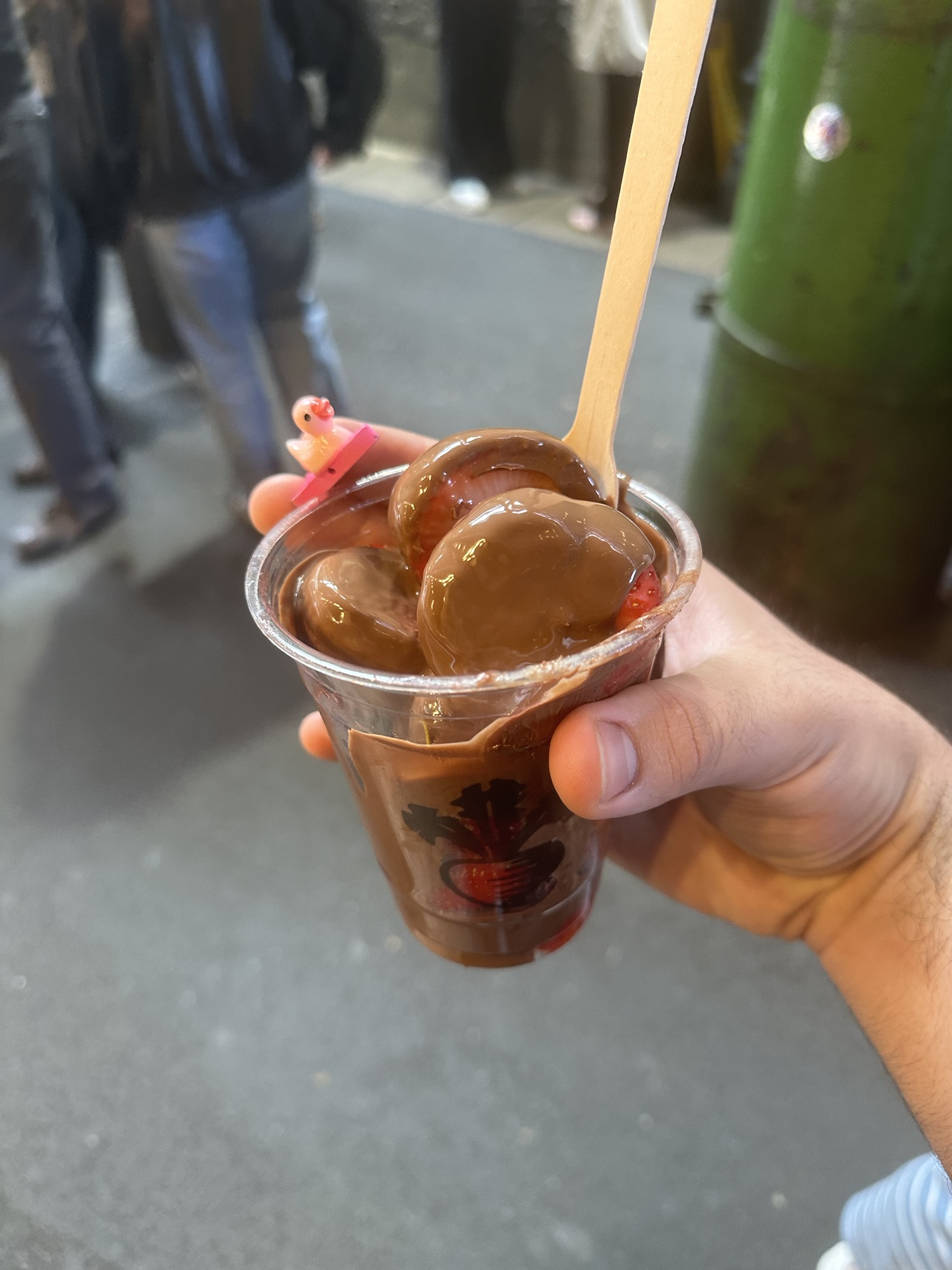
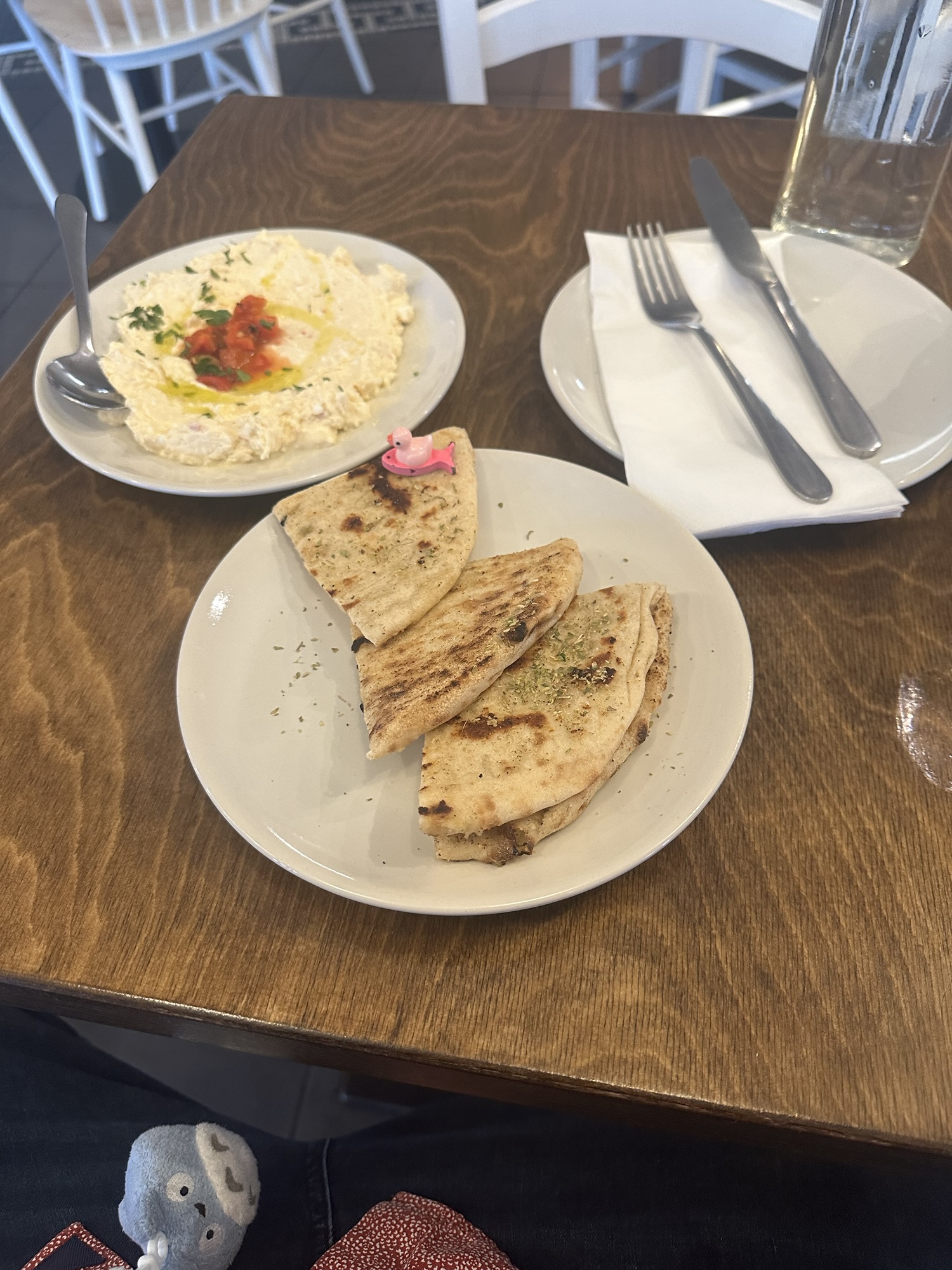
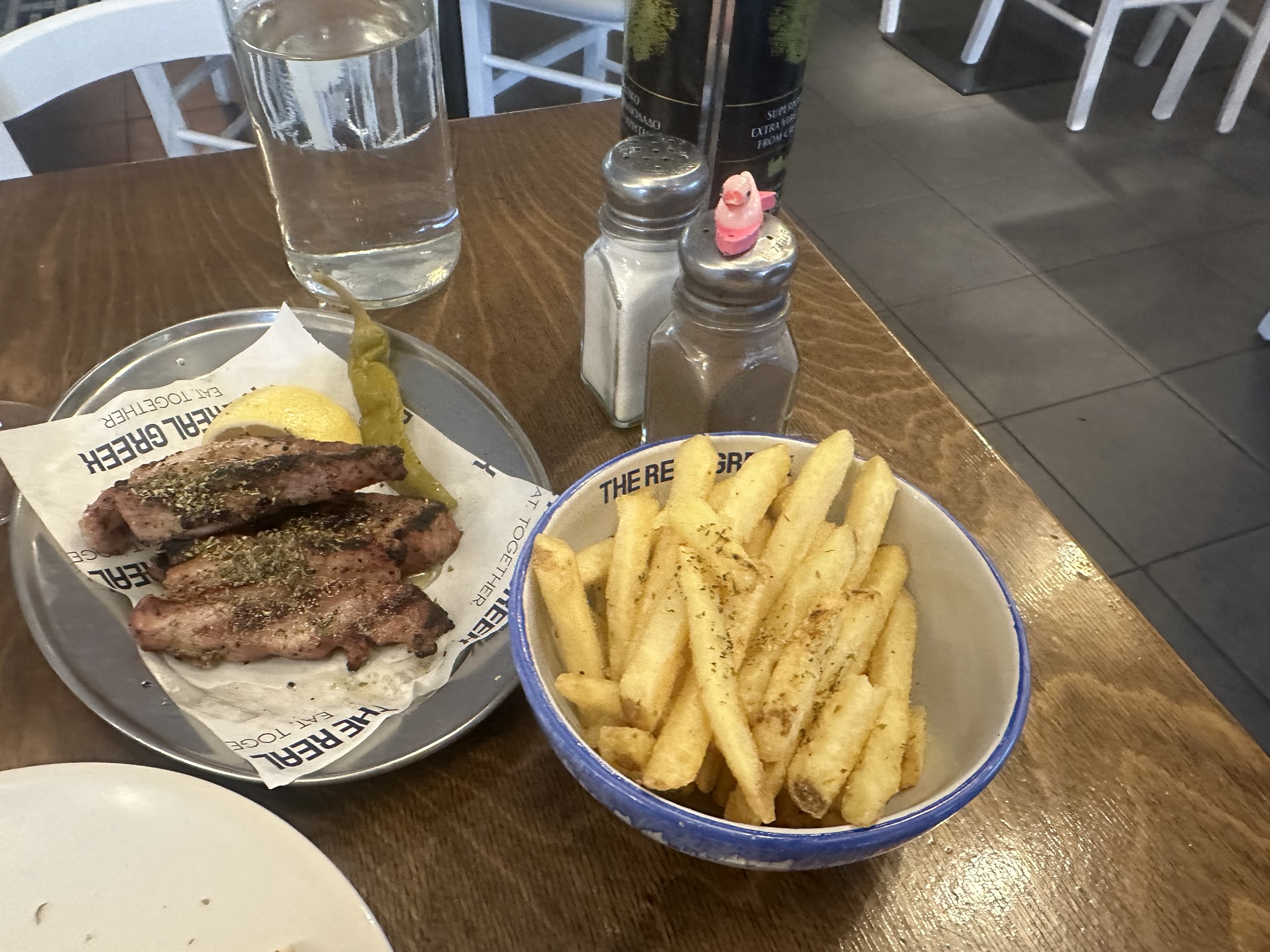
I’ve resisted the temptation to stay in London for ever, but these proceeding additional pictures of meals Squirt and I have had will hopefully explain to you why I was tempted in the first place!

Bye Bye London :(

We concluded our epic journey in the little town of Shakespeare’s birth, Stratford-upon-Avon. This place was completely different from the hustle and bustle of London. Practically everything closed at 5:00pm, and everything was around a 10 minute walk away from wherever you happened to be. It was interesting to walk around and know that this is where it all started for Shakespeare. I think these days we see him as this larger than life figure, almost like this god of writing. But, standing in front of his burial register, we saw he was just listed as Will Shakespeare. He wasn’t a mythological being. He wasn’t the William Shakespeare to most people, he was just Will. I thought about that a lot while walking around Stratford, considering that this was his most “just Will” place. It made him and his writings feel a lot more real and tangible. How many times did people tell him he should just become a glovemaker like his father? Once he married Anne Hathaway he wouldn’t have been able to do an apprenticeship. Were the two of them just surviving on hope that his writings would take off? These were the things I thought about everywhere in Stratford.

It’s been two days since I got home from my England (sorry Susan). I wrote half of this post in Heathrow, a little bit in DFW, and now I’m finishing it up in my chair, back home in Arkansas, with a cup of tea I bought from out favorite tea store in Covent Gardens. I didn’t have any interim period where the trip felt not over yet because touching down in the states and going home opened me up to dealing with all the problems I’d been pushing down because “I’m in London, I’ll deal with it later”. If that sounds like a downer, it’s because it is. The biggest culture shock I’ve experienced was having to reckon with the fact that London wasn’t really just my life anymore, that I have more going on then wake up, museum, shop, take a nap, go see a show.

But as much as London was a sort of escape for me, I think I did a lot of growing up on this trip. Or just finally realized all the growing up I had done. And that’s one thing I’ll always be grateful for.

So long London, you were grand.

The Globe

Some locations feel like a portal to the past. Like by simply being inside, you are transported to a time when that place was occupied by its original inhabitants. London and surrounding England has a myriad of places like that. So much of the history is intact and able to be viewed and walked in and on. However, as an actor and general lover of theatre, stepping in the Globe Theatre was when I felt this feeling the strongest.

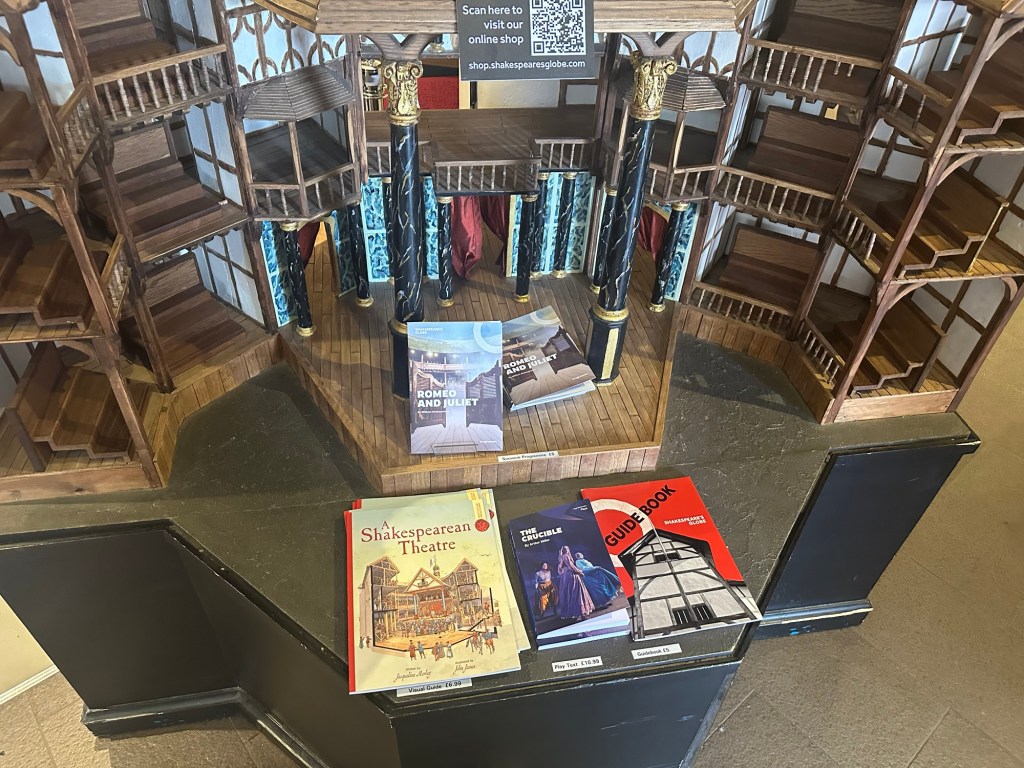
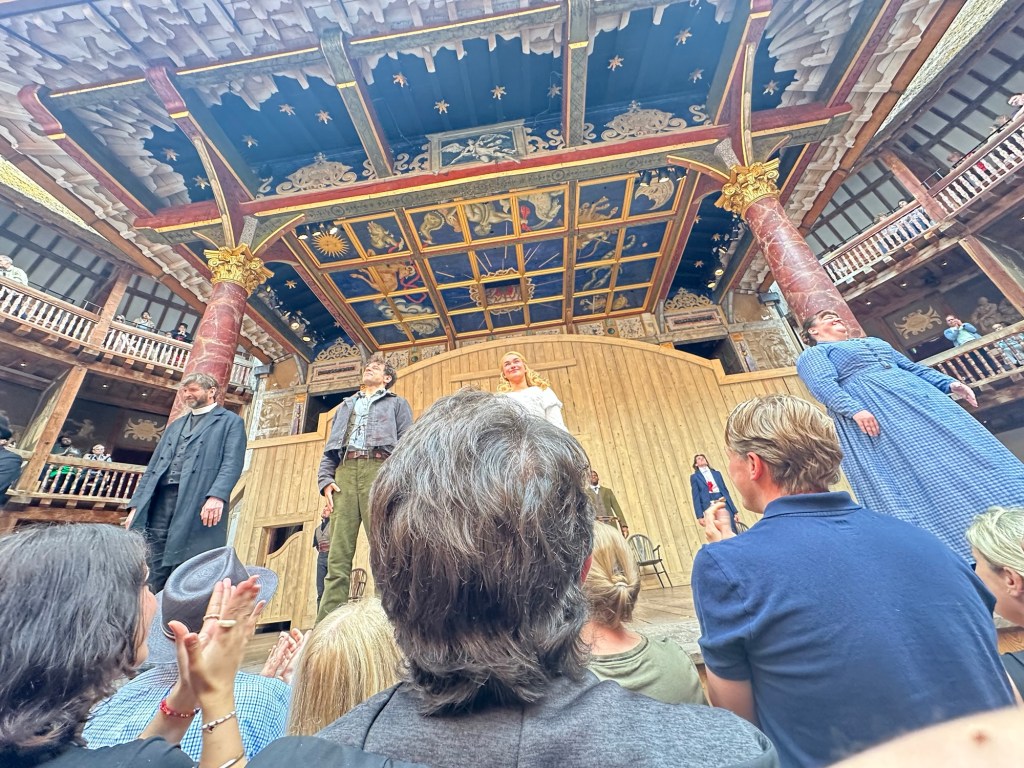
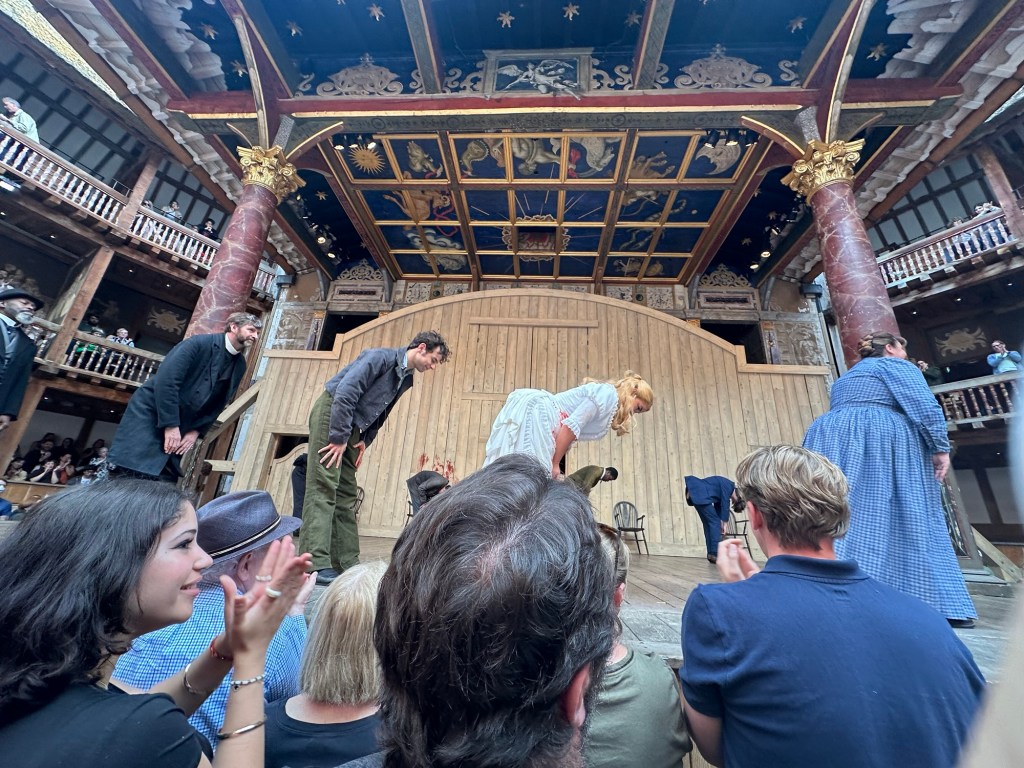
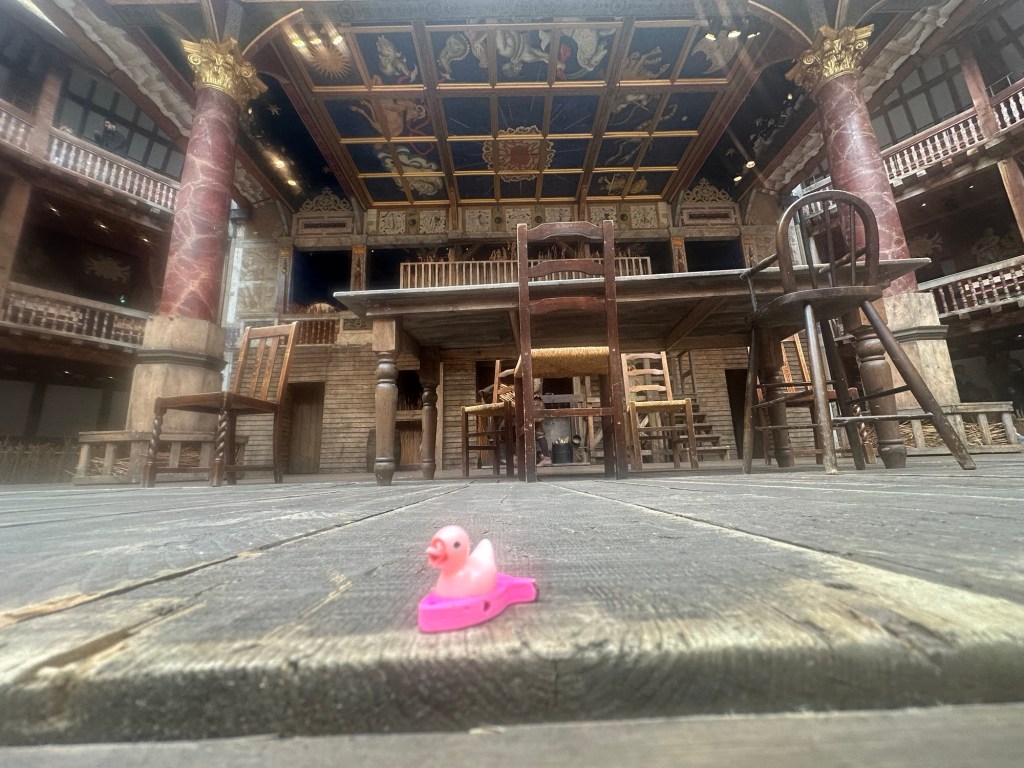
On May 30th, our group had the opportunity to see Romeo & Juliet at Shakespeare’s Globe theatre. Additionally, I was able to see Arthur Miller’s “The Crucible” at the Globe on June 7. But this is about Shakespeare! Now, of course, this isn’t the original stage that Shakespeare walked on or saw his plays performed on. His original theatre, called aptly The Theatre, was across the Thames and the original Globe on this side of the river burned down several hundred years ago. However, this one is still an exact replica of the original Globe theatre. As I stepped into the center of the area for the first time, I truly felt like I could see what it would have been like back then. I glanced up at where many people were already sat in their series of boxes in the circle of seats. I could see myself as a “groundling” of the old times, paying a shilling to stand and looking up at a noble couple fanning themselves while in their usual box. However, if I were this commoner, I would not envy the wealthy sitting above. The moment the show started, I could see the advantage of my place of viewing.

The interaction from the actors to the audience during Romeo and Juliet was the first thing that truly differentiated Shakespeare at the Globe vs anywhere else. When the Capulets first came out, one of them quite literally looked and pointed finger guns directly at me and said “bang.” I of course reacted in shock, and I think I threw my hands up slightly (which I think made the actor laugh a little bit). From the get-go, the actors were interacting directly with us. As the play went on, actors would enter the groundlings area at times and would very often say lines directly at audience members. The balcony scene was done through a balcony rolled out INTO THE AUDIENCE. Mercutio even kissed one of the people in the very front (or at least went fully for a kiss). This interactivity is what truly made me feel like I was watching a play in Shakespeare’s time. It felt truly authentic. A lot of great Shakespeare gets performed all around the world (in America as well), but I think, firstly, the relationship between the actors and the audience at the globe is how Shakespeare intended his plays to be done.

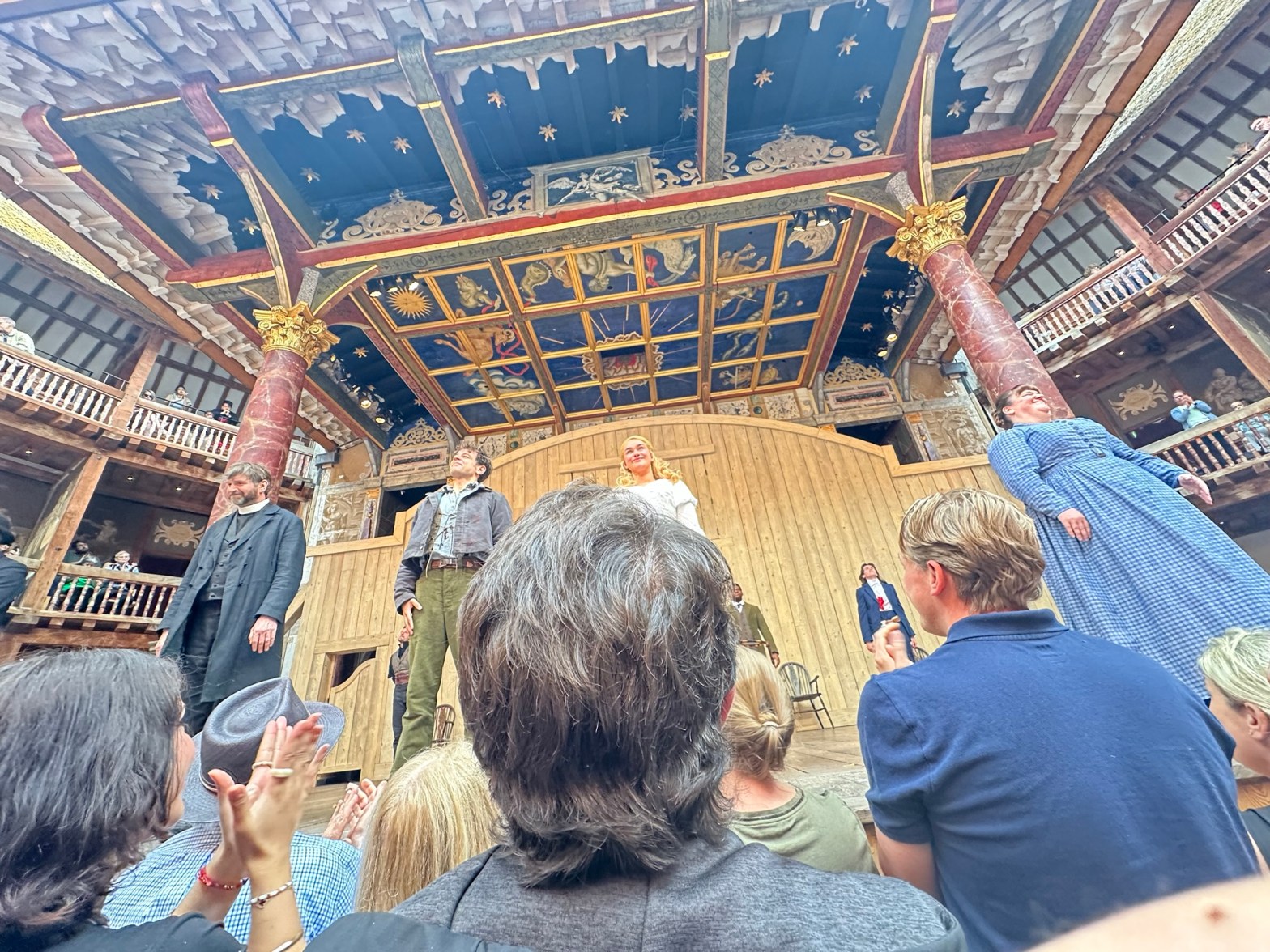
An additional aspect that I personally don’t see quite as much with especially American versions of Shakespeare now is the importance of music. Music is a huge part of Shakespeare and was intended to go with the plays since they were written. At Romeo and Juliet, a large swinging barn door near the top opened to show the live band playing the accompanying music. The picture above is meant to show the final pose of the curtain call with the barn door open and band visible, but my phone was unkind to me that day. Nonetheless, the consistent live music with actually singing from a few characters didn’t feel as much like something I’d see in America.

The one humorous thing about comparing this production to American Shakespeare is the fact that the director’s concept for this production was putting the show in the AMERICAN west. This I think worked beautifully for the play. The costumes were wonderful, the guns added a bit of new stakes to some situations, and lastly, oh good lord was the party scene so much fun. Having the first meeting of Romeo and Juliet be during a honky tonk style line dance was just a wonderful addition. I truly enjoyed the director’s concept and, as a whole, this production of Romeo and Juliet.

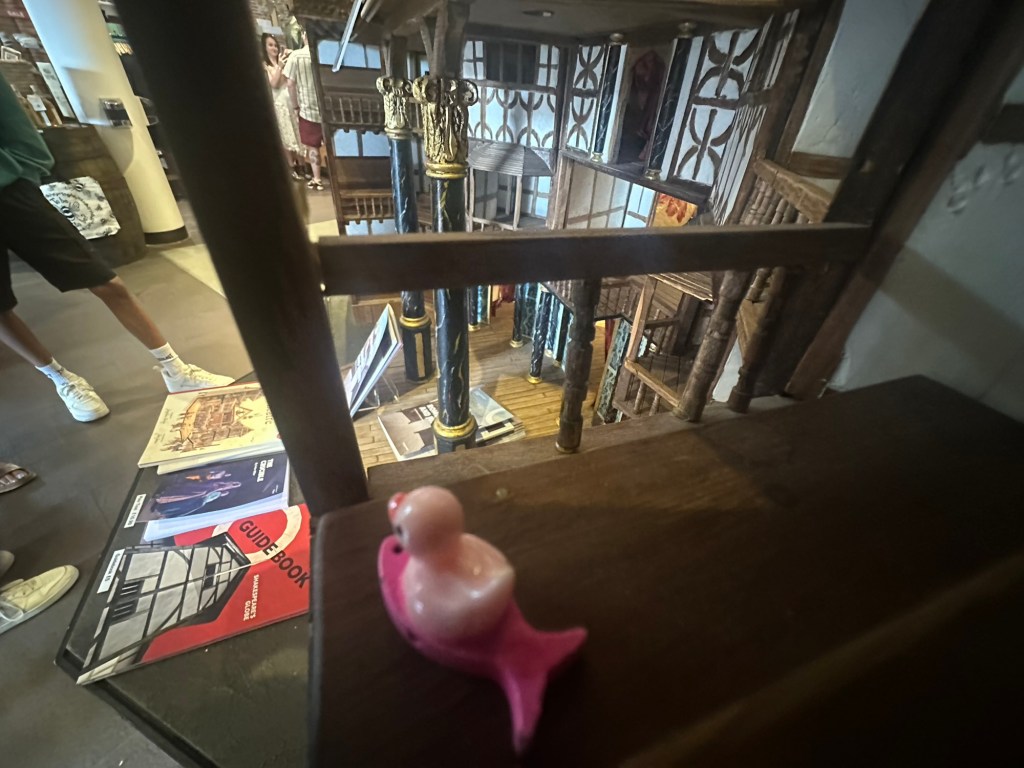
Here are some pictures of Squirt at both Romeo and Juliet and The Crucible. He enjoyed both thoroughly, however, he’s got a real love for the history of the Salem witch trials, so The Crucible was probably his favorite.

A most curious musical

When I first decided to go on this trip, I talked to a few people who had previously attended it. They gave it high marks all around. And I mean, of course! You get to see a bunch of awesome shows and learn about the different ways in which our wonderful artform is done across the seas. However, one thing every person talked about was how the trip changed them. In the pitch Shawn gave me early on in my first semester that truly convinced me to go, he said that he always recommends theatre students do it as early as they can. Because, when you come back, you come back a different and more worldly theatre practitioner. Part of me questioned to what degree this would truly happen, but I heeded the program’s previous students’ and Shawn’s words.

A rection image of me sobbing after having watched the show

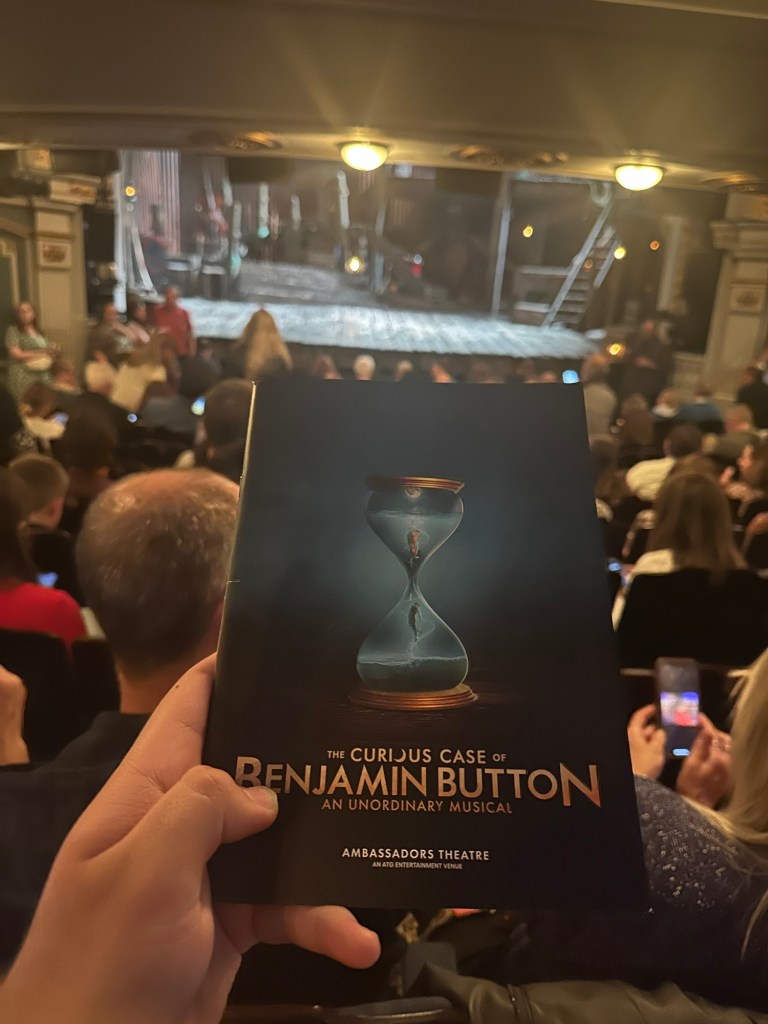
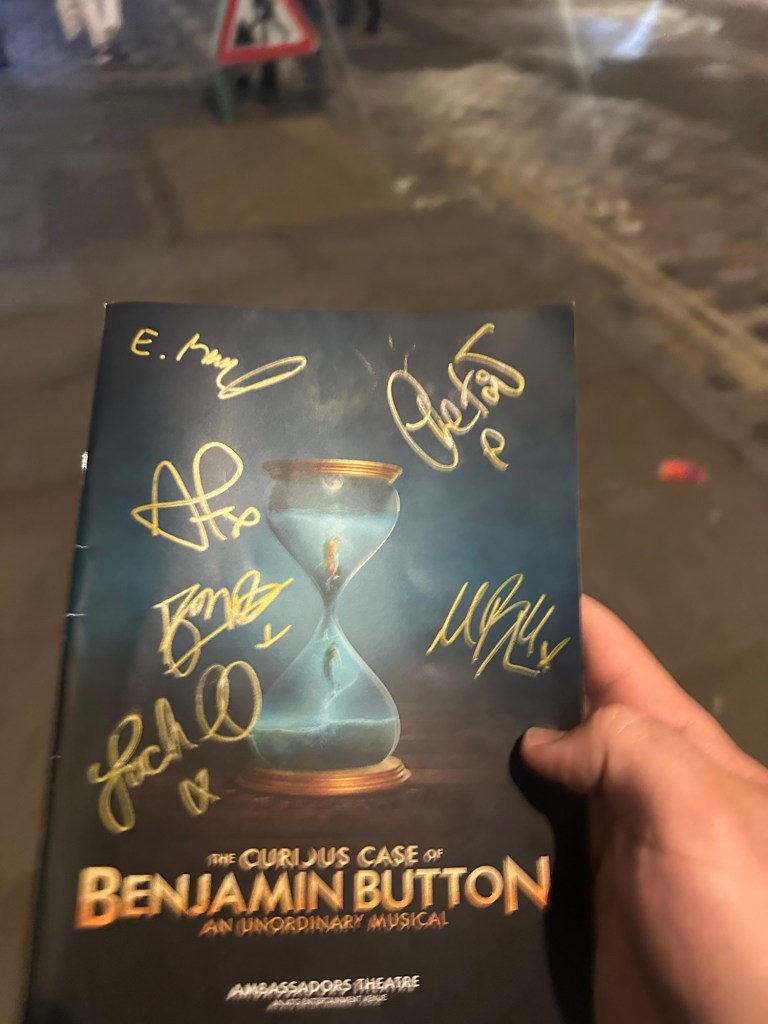
Monday May 26, 2025, in the Ambassadors Theatre in London’s West End, at precisely 9:41 PM “The Curious Case of Benjamin Button – An Unordinary Musical” concluded as the actors finished their bows and walked off stage. At that exact point in space and time (Monday May 26, 2025, in the Ambassadors Theatre in London’s West End, at precisely 9:41 PM), Shawn and the other past-Londoners were proven right. I realized at that moment that I would come home a different practitioner of the arts.

“The Curious Case of Benjamin Button” was originally a novel by F. Scott Fitzgerald. A fun fact for you wonderful readers is that I watched a musical adaptation of his even more famous book, “Great Gatsby,” the day before watching this. I digress. Fitzgerald’s book about a baby born 80 years old who ages backwards was most famously adapted into a film starring Brad Pitt as the titular Benjamin. I have not personally watched this film, but from the clips I’ve seen, they (like the musical) do quite a few things to shift the book into a more… pleasant experience. The reason I hesitate (by way of ellipses) is that I do not truly believe the original book IS unpleasant. I enjoyed reading it when prepping for this trip. However, Fitzgerald treats the concept with a nihilism that makes the main character, as well as every other character, quite unlikable. And very hard to root for. We talked about this both in class in London and back home, and Susan (our wonderful English faculty on the trip), talked about how Fitzgerald very highly valued youth and beauty (especially in women). It shows through his writing that the loss of those through age is quite a negative to him. This voice shows through the main character of the novel. As he grows younger, he begins to despise his own wife for her age.

The musical handles this theming with realism, but also positivity. “Time and tide wait for no man” is a repeated line and sentiment throughout. Although Benjamin’s clock is going backwards, there is still no way to turn back time. There is no resistance to the flow of time. With this change from the book, the characters also view it more positively, allowing for romance and for characters the audience wants to see succeed. This is one of the most important parts of an adaptation of this kind: giving plenty for the audience to follow. With the loss of Fitzgerald’s nihilism and the addition of the advent of a theatrical (and musical) adaption, the production was able to make something uniquely delightful.

While the original story is based in America, this musical is based in Cornwall, England. It is based in a fishing town. With both of these nuggets of information, I feel like one could already imagine the sort of music that this musical features. Cornish folk music is the style used throughout. The production invokes the feel of a coastal tavern where all the inhabitants sing as they drink through the night. Pushing this image, the production has the actors also be the band. Actors narrate and sing as they play.

With this method of storytelling, the adaptation has a deeper sense of community. As the narration passes through Benjamin’s life, we see glimpses into the lives of recurring characters. Additionally, as most musicals do, it allows for those wonderful internal thoughts, background information, and such to be fed straight to the audience. Especially with this show, I felt that I cared much more for these characters as they interacted with cast/bandmates and felt I also understood what was driving them at each moment.

The final thing I’d like to talk about is how dealing with a story like this works as a play. That line about time and tide really speaks to the way the show flowed. Outside of intermission, there were no breaks for clapping or anything as the music (and with it the story) danced along from top to tail. This storytelling as I’ve been talking about has a certain storybook feel that, though extremely different from the original Fitzgerald novel, ends up having some essence of the original. However, the use of dialogue and true conversation between characters really set it apart from the novel. The original book is largely narration with small bits of talk between characters. The musical has constant chatter between characters as well as full scenes (without music) of true dialogue. These really help to ground the play as a story of people. The book seems like a fable, like the characters could never be real. But seeing Benjamin and the other characters in front of me and hearing their joy and pain, whether through song or speech, truly helped connect the themes right to my heart.

I seriously loved this show so so so so much. So much so that a group of us from this trip are planning on starting a band based off of this production. I still have to figure out what instrument Squirt’ll play. He tells me he plays a mean Glockenspiel. We’ll see about that.

And thus study abroad ends, adieu, adieu!

Welcome to the final show! I hope you’re wearing your best clothes! 

I can’t believe that I am writing my final blog post. Before I went on this trip, in fact before the application was even posted, I poured through the blog posts of those who had gone last year. Naturally, I came upon the final posts first. Hearing how the trip had been life-changing, freeing, and artistically impactful excited me for this trip even more than I already was, which I didn’t think possible. So many people I loved loved this experience, and I was excited to get to try it myself. I knew that if I even found 10% of the joy they did, I would be over the moon with happiness. As the months crept on, a lot of life happened, and though we would periodically meet as a group, everything else took up time and mental space. Then, somehow, we were in class and leaving in just a few days’ time. I won’t go into too much detail about everything that has happened since being here, because I have talked about most of it in blog posts, but this trip turned out to be greater than I imagined. 

I am not sure what my expectations were for this trip, but they surpassed them. I absolutely loved our routine of getting up and going to breakfast, having my toast and fruit, and then meeting in the lobby. We would go on a walk, tour, or museum visit, and then break off for the day. My dearest friends and I would find something fun and awesome to do, and then we would meet back up as a class for a show if we had one. I cannot think of any day that sounds better. I am going to miss that being my normal infinitely. Even now, I can’t believe that that was what I had the privilege of doing for a month straight. I didn’t take a single second for granted, and soaked up every moment we were in London together. 

Obviously, a large part of our trip was theater, and trying to think about how many shows we saw is overwhelming. We saw absolutely brilliant theater, and some less-than-brilliant theater. I will think about our My Master Builder class for the rest of my life, and laugh about how much people just tore into it. It definitely got everyone’s opinions flowing. Or when we saw The Curious Case of Benjamin Button and we were all sobbing and came into class without a single note. On my own, I was able to see 7 shows, and I think every single one was a hit. The peak of them being The Great Gatsby, Stranger Things, Wicked, and The Crucible. All of them were true bucket list shows, and each was entirely different than the one before. Honestly, I can say that about every show we saw. I don’t think there were any two that were supper alike. Especially when we saw more experimental shows like The Frogs and Here We Are. Maybe experimental is a stretch, but definitely not traditionally constructed shows. 

Throughout this trip I have shed many tears. Inside theater, in parks, in hotel rooms, and outside of airports. But, I have also had a hundred times more smiles and laughs. The joy that I found in this trip is what I walk away from it holding onto. Yes, I am different than I was when I got here, but to me what matters the most is I have true, genuine happy memories that I will carry with me for the rest of my life. I am indebted to the wonderful professors who put this together, and of course to my friends who made this trip what it was. Thank you to all, I love you forever! 

Obi-Wan Kenobi vs. Henrik Ibsen

A Playbill bought before the storm

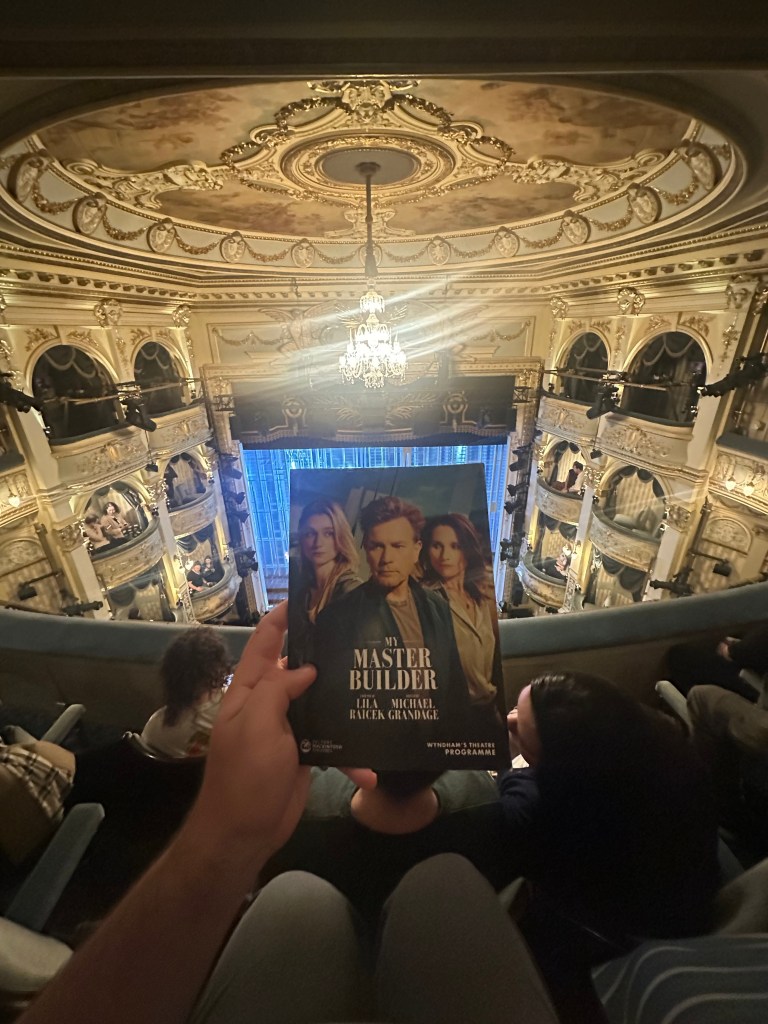
I’ve always loved the prequel Star Wars movies. Sure, they have some flaws, some less than great performances and script choices… Jar Jar Binks. But there was some good in there too! To me, one of those main highlights was Ewan McGregor and his portrayal of a young Obi-Wan Kenobi. When I heard that we’d be able to see McGregor on stage on THE WEST END, I was ecstatic. On top of that, I had never seen or read Ibsen before, but was excited to finally get to see, even an abridged, version of his work. As can be seen by the picture beside this text, I was excited enough to buy a playbill before even sitting down. For reference, the only other play for which I bought a playbill in advance was Cabaret. Suffice it to say, expectations were quite high. Even if the play sucked, I would get to see one of my favorite actors, who would surely be a highlight of the play, and maybe even meet him after (I even found the stage door in advance).

To be blunt, the proceeding play was one of the most boring and frankly just un-artistic pieces of theatre I’ve ever seen. The selfie here was the actual reaction image I sent my family at intermission. I will expand on what aspects caused that reaction, however, I’d like to start on some more positive notes.

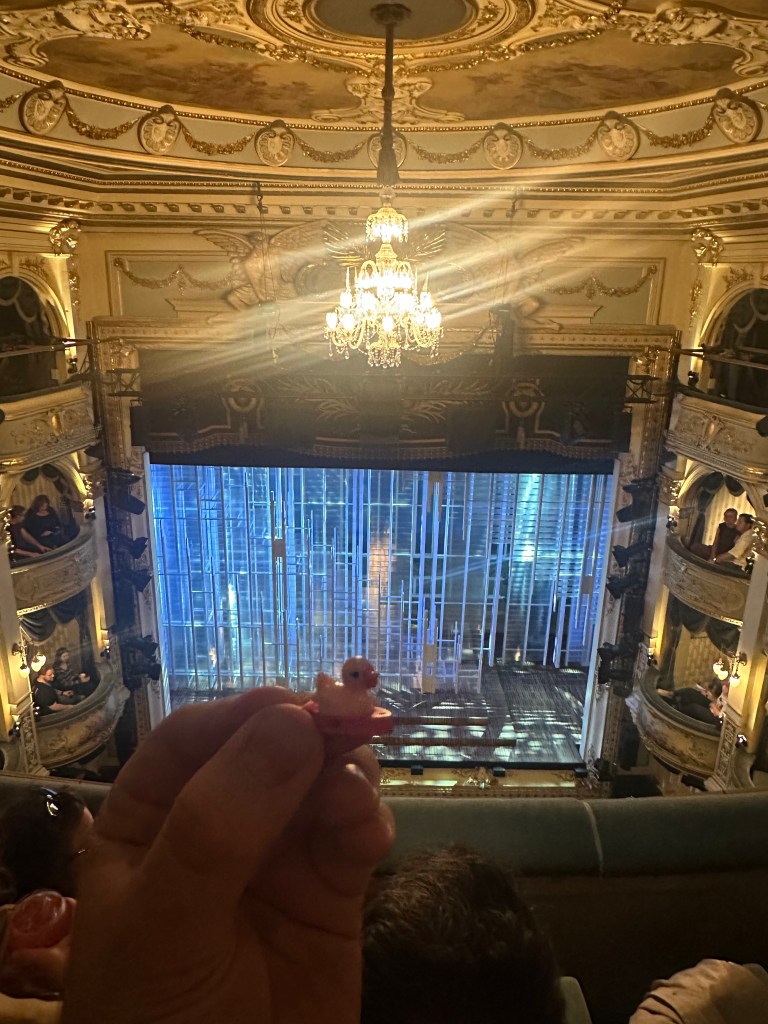
I thought the set was really phenomenal. Being the “master builder,” McGregor’s character is an architect with a new big project. This project is a refurbished church made into a center for art (all largely a conception from this new play and not Ibsen’s original). This production shows the project through a large crystalline staircase of sorts. This shift from the more brutalist towers by the original Henrik (main character of “The Master Builder”) to the modern and artistic McGregor’s Henry (“My Master Builder”) felt like a natural way of bringing it to “now.” The other set – Henry’s home – was a perfectly great looking modern home that felt fit to be the home of an architect.

I found the costumes largely fitting to the characters. Elizabeth Debicki’s character had a silver dress in the second act that felt accurate to Henry’s view of her, being his glowing beacon in a way. The rest were very nice, the protegee, Ragnar, having one of my favorites with a colorful outfit in the first act. I believe the costuming for Ewan McGregor’s Henry was much too casual. I thought perhaps at the party of the second act he would come out with something very refined to challenge the other characters and show some of his ego (a prominent aspect of the original). As matched the rest of the productions portrayal of Henry, his costumes never lived up to expectations. With this, we move on from positive notes and more onto my main thoughts of the play.

Kenobi vs. Ibsen!

A question that might be coming to mind is “Why the change to ‘My Master Builder’ from the original?” This question was certainly on my own mind before watching it. That name change is one of many shifts that to me signify the way this playwright really dulled down the original story. In Ibsen’s play, Henrik was known for being a great architect. HIs continued ambition despite all else, even the death of his own children, is what makes the character who he is. This ambition is also what kills him, as he climbs his own tower and falls from the top. In the original, this death is also slightly ambiguous, possibly an accident caused by his vertigo or a suicide caused by the pressures surrounding him. Like his death, many past events in the lives of the characters feeling towards each other are somewhat shrouded in ambiguity. Henrik seems to almost have some jealousy towards his own protege, while his relationships with the women in his life are largely manipulative in nature. One of these women are even the one to coax him into climbing his tower. Altogether, though the original script is not perfect, it has many aspects that make it a complex and thoughtful take on the story of a flawed man.
My Master Builder puts an emphasis on the “My” above most all else. The story and Henry (this play’s Henrik) are defined almost solely by his relationship with the women in his life. These two women are his wife Elena and his former student, Mathilde. While the original play is told over an extended period of time, this story is told in one night. In it, the plot (if one could call it that) is largely taken over by scenes of Henrik arguing with Elena and then immediately fawning over Mathilde. Other than a few short mentions, this text keeps none of Henrik’s original focus on architecture and his ambition.Instead his only goal seems to be to rekindle his relationship with his student he had an affair with while he was a professor at a university. Except, he also makes no choices or moves towards achieving any goals, just talking aimlessly about the past. Henry’s death is also made into a complete accident as he falls after fireworks set off his vertigo after he climbed his crystal building as a show of love to Mathilde. Additionally, the playwright made the death of Henry’s son clearly and totally his own fault. Henry’s relationship with his protegee/apprentice is nonexistent as that character’s entire purpose was to be sleeping with Elena’s assistant, Kaia, and then have the wife hit on him. As I hope these details have shown, the plot and character relationships of the original hardly survived the shift.
I would love to use some fancy words and analysis to describe the dialogue, but as the playwright seemed to lack any tact or knowledge of human speech, I’ll match their wit. Each character said exactly what they were thinking and what they wanted. The dialogue lacked any color and not just in the sense that it was dry, just that the characters seemed to have no internal thought to allow for them to converse with each other with any complexity. This was also likely due to the lacking performances of the TV-famous leads.
Perhaps if I were a few feet away from their faces, the performances of Ewan McGregor and Elizabeth Debicki (as Mathilde) would have felt somewhat human. However, from the upper section where only dialogue and body movements are seen, both seemed quite lacking. The way the lines were said sounded like a first reading, pre-analysis, by two actors who got drunk the night before and forgot to pre-read the script so they are underprepared and hungover. The rest of the performances really weren’t bad, Kate Fleetwood had a real energy and grief to her performance as the somewhat unstable wife. The protegee and assistant both kept me engaged in their scenes and were quite entertaining. They were only held back by the script. Truly McGregor and Debicki were the weak links.

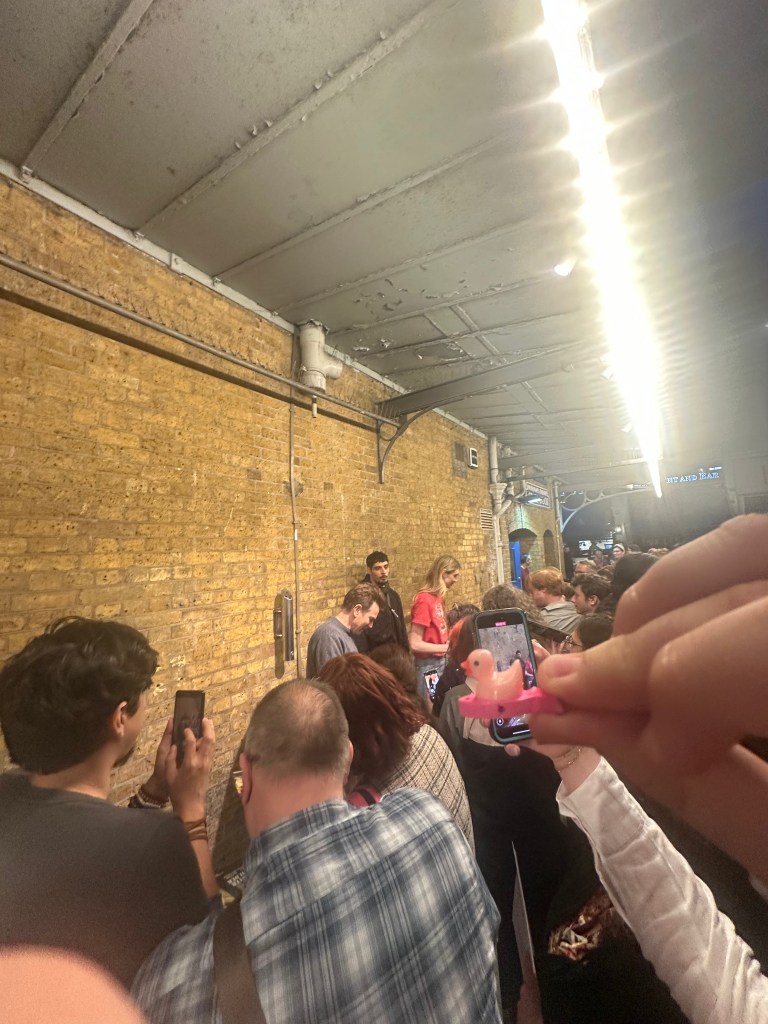
My biggest excitement was that, no matter how the play was, Ewan McGregor would be the highlight. I was let down. The stage door experience was also quite unpleasant, McGregor signed a very limited number of things and left quickly, though the crowd was (for a roped off stage door) not very big. The main pleasant part ended up being talking to the actress who played the assistant who was super pleasant. Then, a few of us stayed to discuss the show with a few Londoners at the stage door. This ended up being the perfect cap to the evening as they had the exact same thought that our group and I and Squirt had. A thought I’ll end this review off with – “What the hell?”