Blog 3: The Curious Case of Benjamin Button, A Great Musical and a Terrible Adaptation

The Curious Case of Benjamin Button was a wonderful musical. The acting was superb, the music was amazing, and it was so emotional that I spent the rest of the evening reflecting on it. What it wasn’t, however, was a good adaptation of the original short story by F. Scott Fitzgerald, and that was the key to its success. In fact, other than the name of the main character and the general premise of someone who is born old and ages backwards, almost nothing was the same.

Firstly, instead of starting in 1860s Baltimore, it begins in a small fishing town in Cornwall during the early 20th century. In my experience, many shows I’ve watched which change the setting do so in a way which does not better the show and only serves as an easy way to make it stand out from other productions. Thankfully this was not one of them, and the difference in time and place were used masterfully to tell a unique story that wouldn’t be as effective if set elsewhere. The village itself had a personality, and its much smaller size gave the musical a more intimate feeling, everyone knowing everyone else. Additionally, being a fishing village gave it a connection with the sea, which became a major theme throughout the show. It being set more recently meant the show was able to use more well-known historical events and changes in technology to give the audience a better sense of the passage of time.

Secondly, the characters were also heavily altered. There was a whole new ensemble of characters, which, unlike in the original, all had their own names, personalities, and goals. They were also present throughout the whole show, and the contrast between their aging and Bejamin’s growing younger was a powerful way to show the passing of time and reinforce the differences between a “normal” life and one like Benjamin’s. The show also did a fantastic job showing female characters (in a non-misogynistic way), which was of the originals biggest flaws. This was especially evident with Benjamin’s wife Elowen (named Hildegarde in the short story. Instead of being reduced to “nagging wife”, she had an actual personality, and we got to see her and Benjamin’s interactions. She was a very sympathetic character, and Benjamin’s treatment of her, both good and bad, also helped to make him feel much more like a real person rather than a concept.

Lastly, the plot itself was heavily revised. It was more tragic and intense, eliciting a heavy emotional response from the audience, unlike the rather dry, almost vignette style storytelling of the original. A change like this was necessary for the show to be able to succeed theatrically, which it of course did. Whereas the original was mostly “what would the life of someone who aged backwards look like”, the musical focused on how that would actually affect the feelings of that person, and the feelings of those around them. It was much more humanizing, speaking to me personally, making me think about myself and aging, in a way that the original simply didn’t.

Even as I am writing this blog post I’m still not done reflecting on the show. I want to simultaneously see it again and push it out of my mind entirely. I was slightly skeptical of the show at first, unsure how they were going to turn the original short story into a musical. The show then proceeded to rip that skepticism away and make me feel foolish for ever doubting it. If you ever get the chance, I highly recommend that you see it, and please don’t be mad at me if you do. Anyways, this has been the third of my travel blogs, goodnight, morning, or afternoon, and I hope you’ll read the next one.
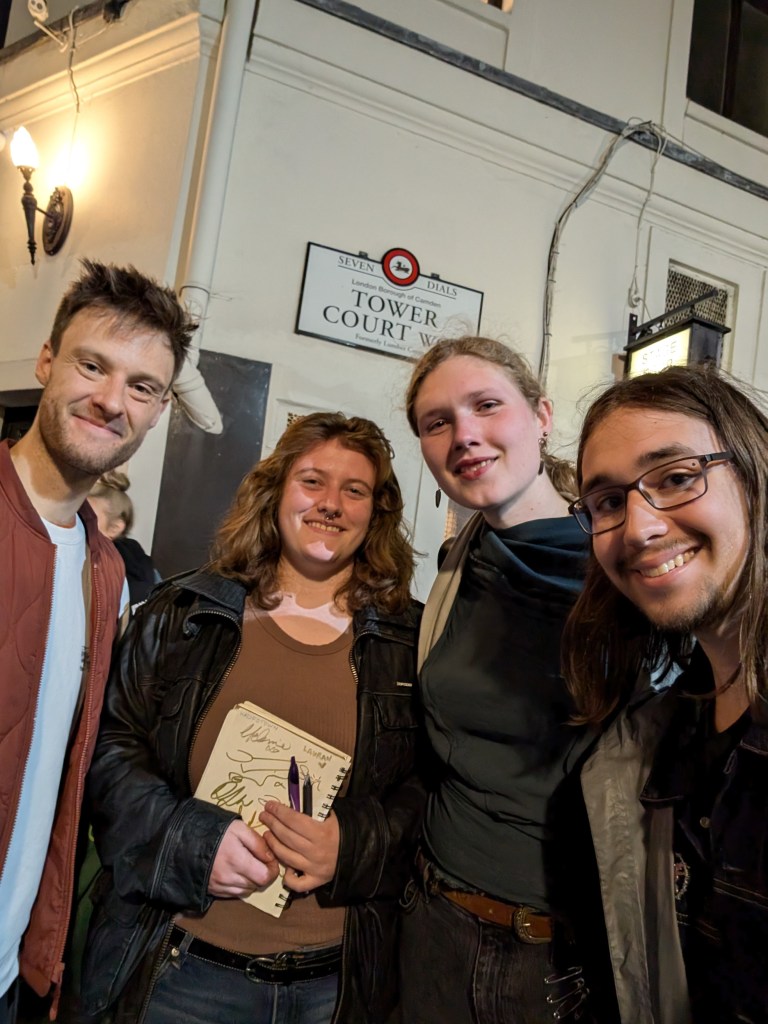
Us with the actor who played Benjamin

-Jack Duncan

Ilaria’s Pub: The Tower of London

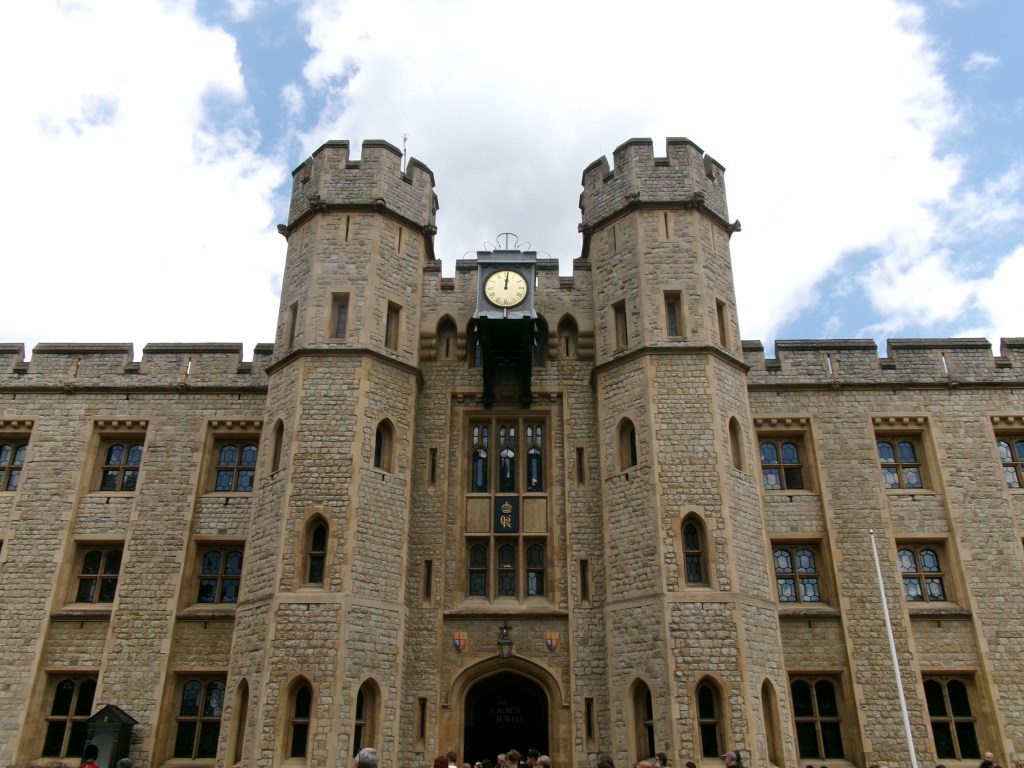
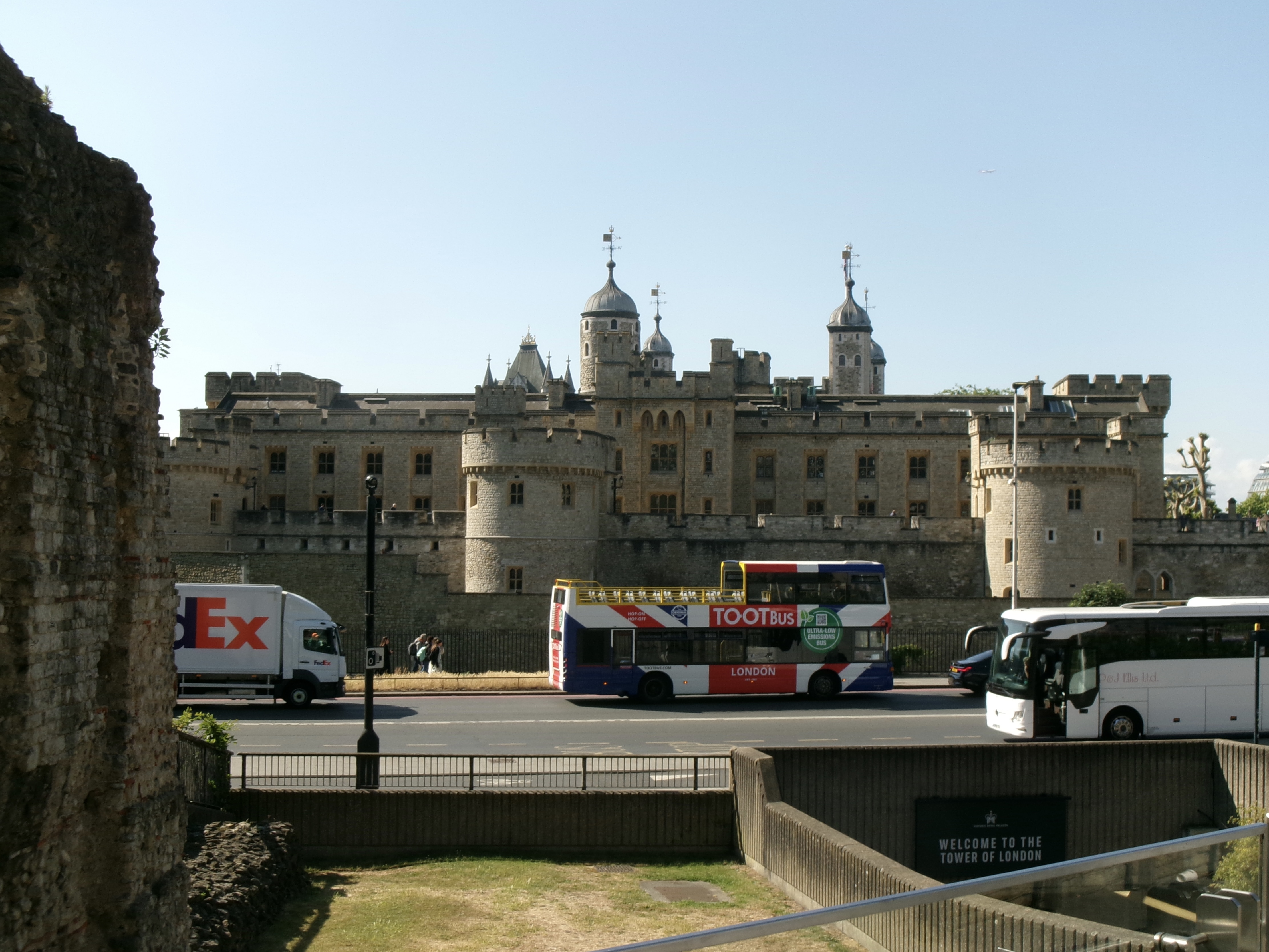
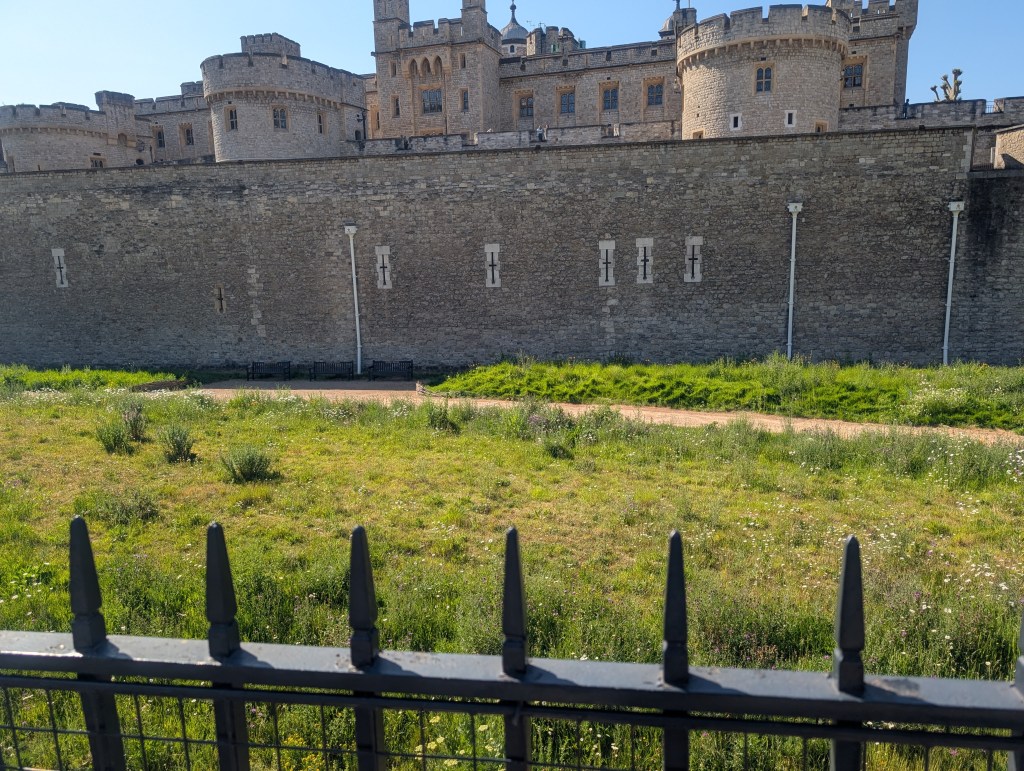
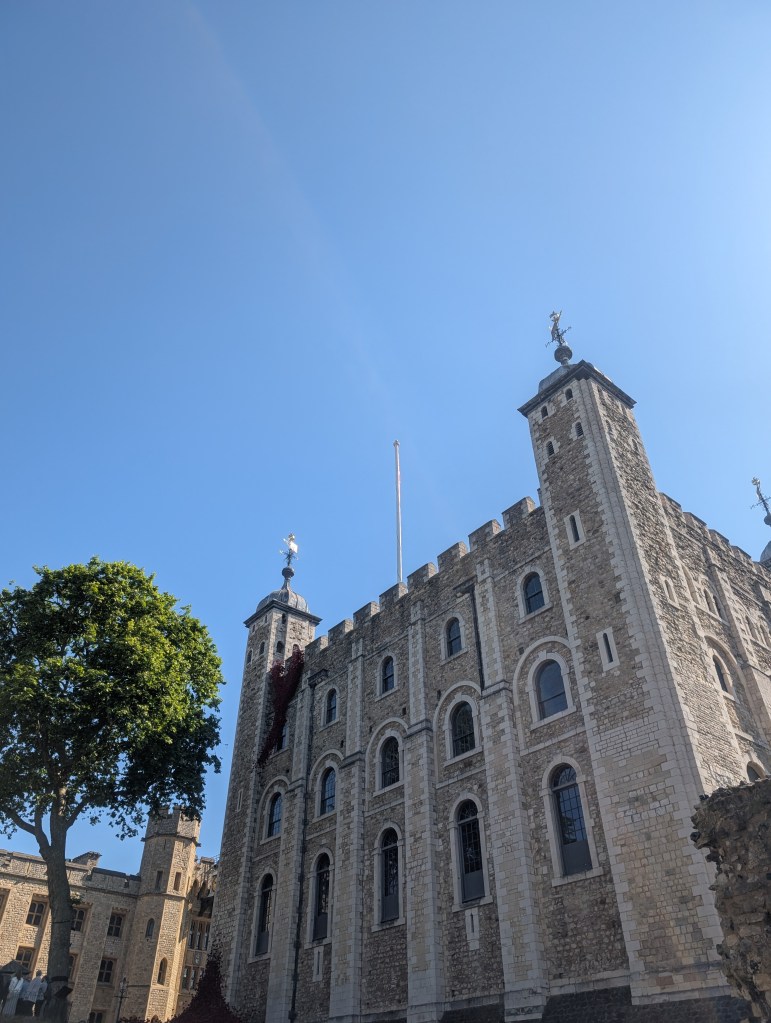
Built out of mudstone and rocks, the Tower of London remains standing strong since the year it was founded in 1066. The Tower of London is a historic castle on the north bank of the River Thames. It served as a royal palace, prison, arsenal, and even as a menagerie for exotic animals. On May 23rd I was able to view the legendary site. For my blog post today I’d like to share with you about what I learned.

On 1066, an arrow altered the making of British history. King Harold of England was pierced with an arrow and perished, which gave way to King William the first, also known as, ‘William the Conqueror.’ His Norman army took over and he soon became the ruler of England. The civilians of England didn’t wish to see a new dynasty begin with William as king, whom had seized the throne by military conquest rather than legitimate succession.

To project his new power to detain the threat of united resilience, he had the White Tower built. The White Tower is considered the main landmark of the Tower of England structure. The Tower of England includes the Bell Tower, the Wardrobe Tower, the Lantern Tower, and the Garden Tower which was renamed as the Bloody Tower.
The Bell Towers had warning bells installed to be rung to warn in the case of an invasion. The wardrobe tower held all the king’s refined garments and clothing and the Lantern Tower provided light for navigating ships.

The grand monument painted a picture for royal architecture hundreds of years ago that strived to demonstrate the monarchy’s vast amount of strength and power. However, now it is mostly known for housing the Crown Jewels and for its infamous prison tales. Although witnessing the Crown Jewels’ splendor was an astonishing site, I found that learning about the stories of the people whom were imprisoned was much more fascinating.

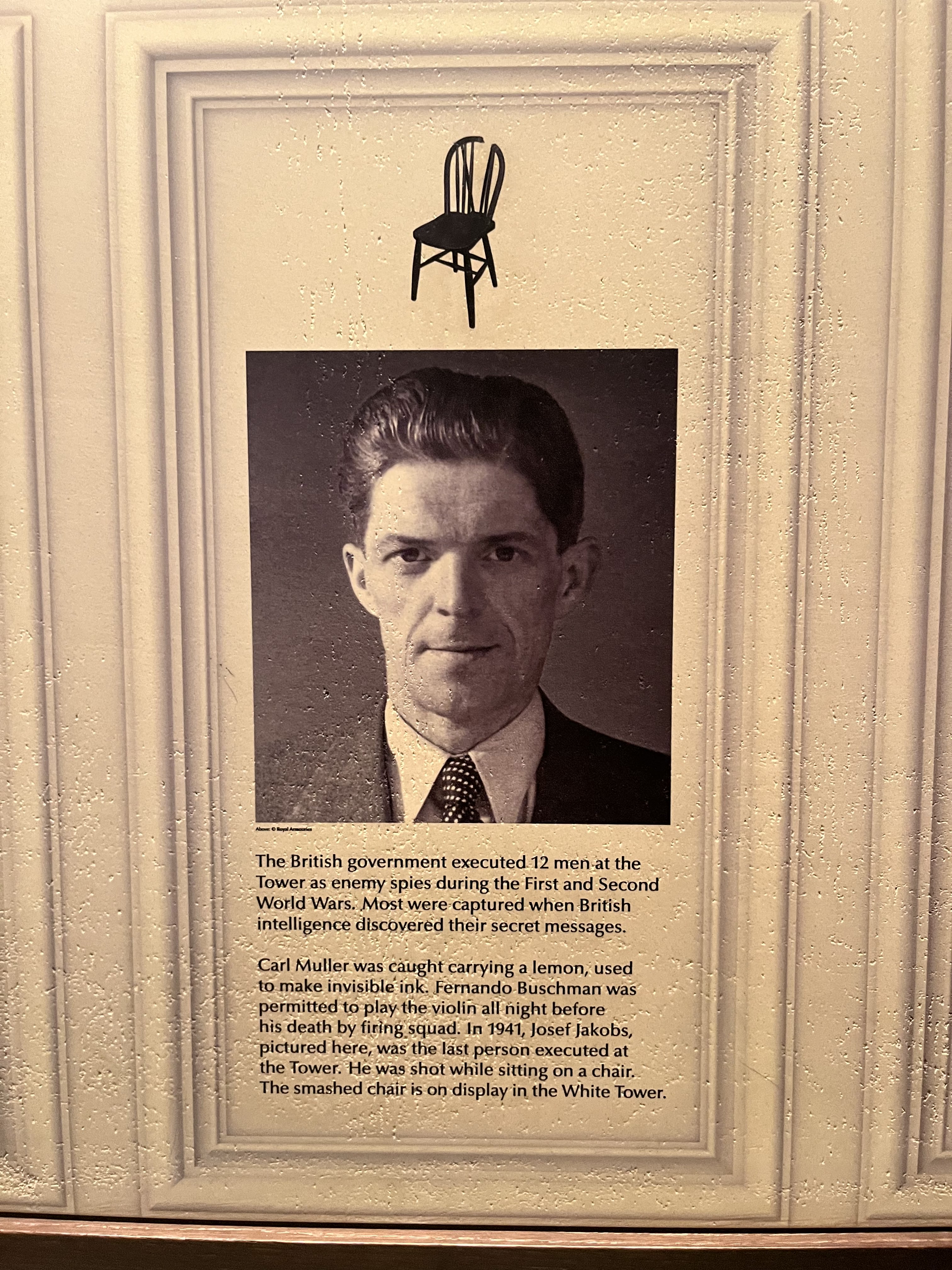
The dark truth behind the Bloody Tower follows an array of individuals whom were kept, executed, or tortured on the very site where many roam today. The story that stood out to me while touring the Bloody Tower exhibit was the execution of Sir Roger Casement. Casement was a British diplomat who became famous for his early ground breaking reports on human rights abuses in the Belgian Congo and Peru, which also confronted King Leopold the second’s cruel ruling. He wasn’t afraid to stand up for those whom didn’t have a voice. He even tried to gain German support when attempting to gain independence for the Irish during the First World War. Imprisoned, the government leaked his personal diaries and released information on his private life. He was then discredited, convicted of treason and hanged.

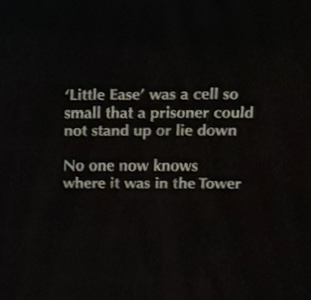
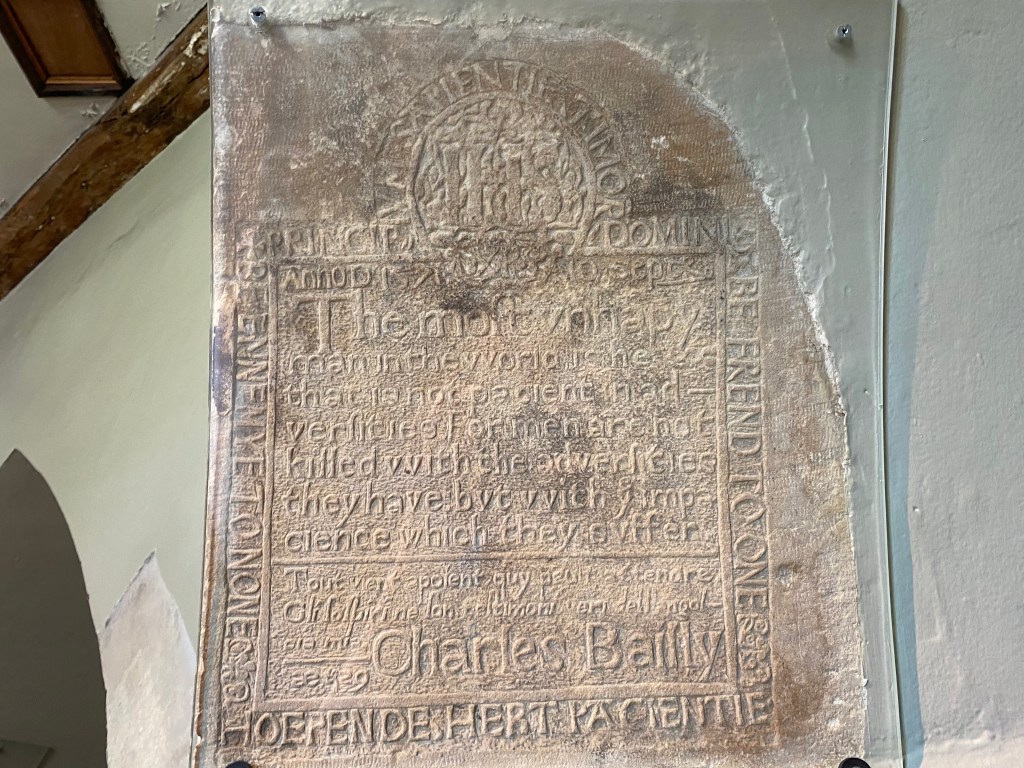
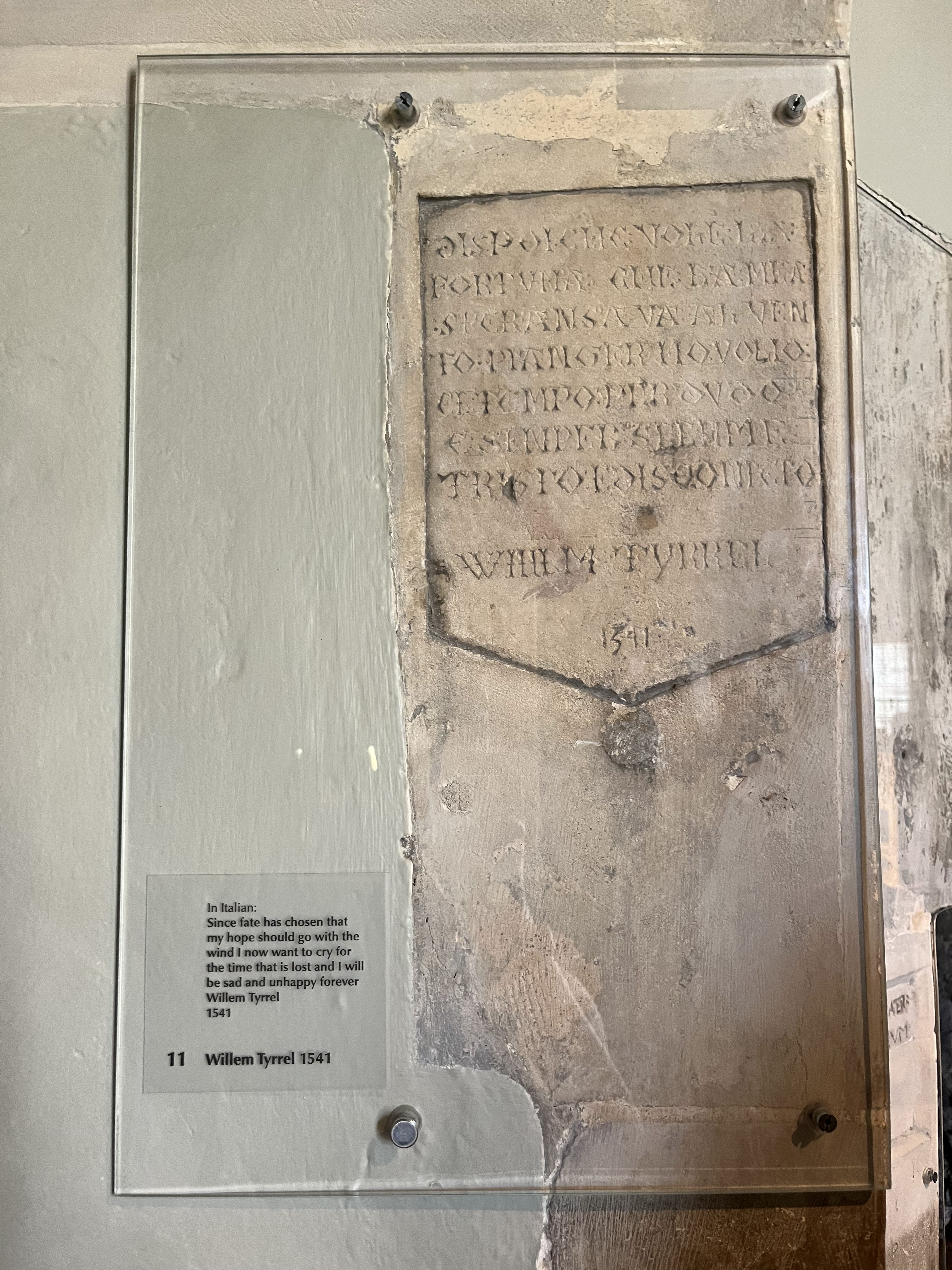
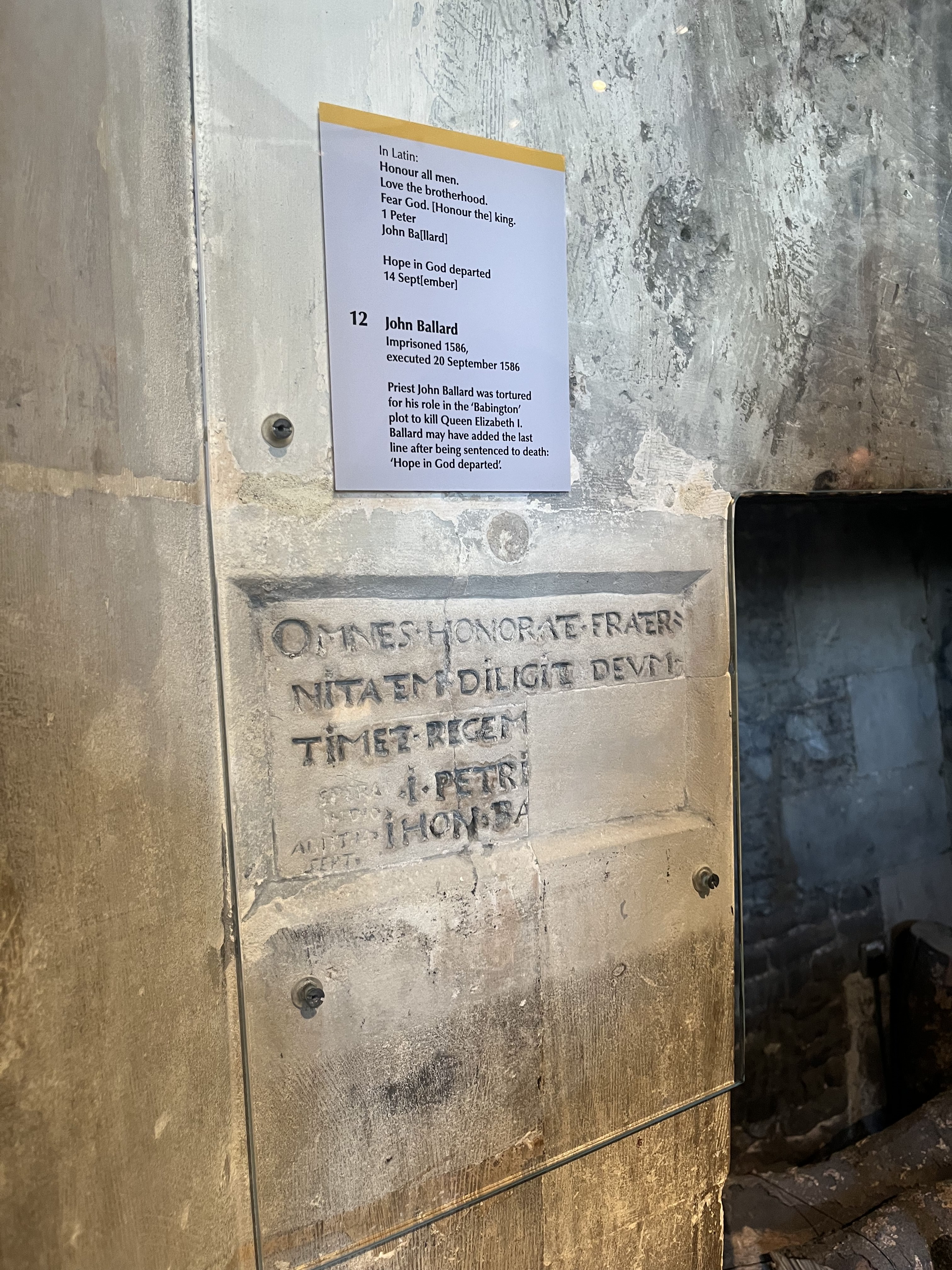
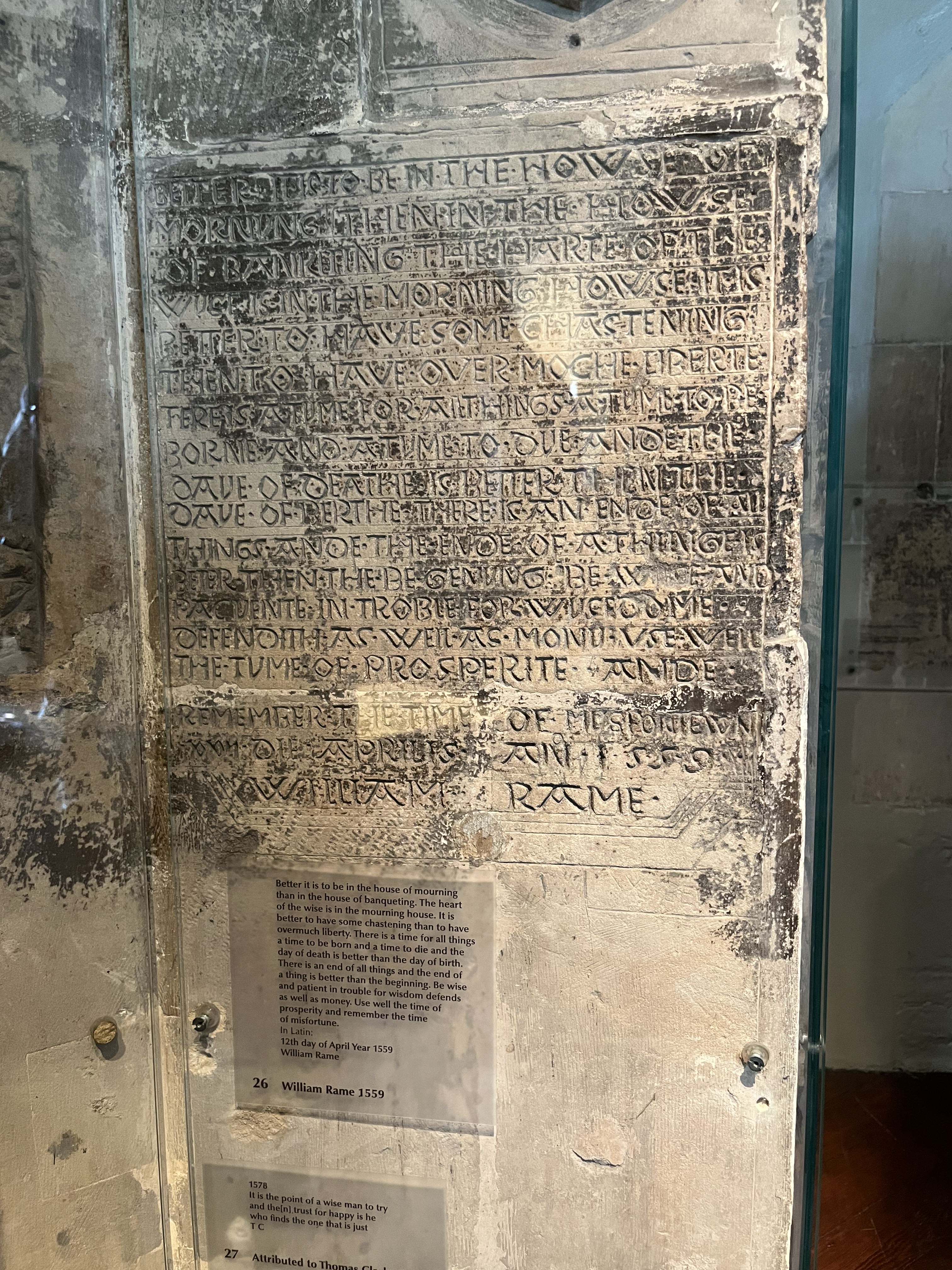
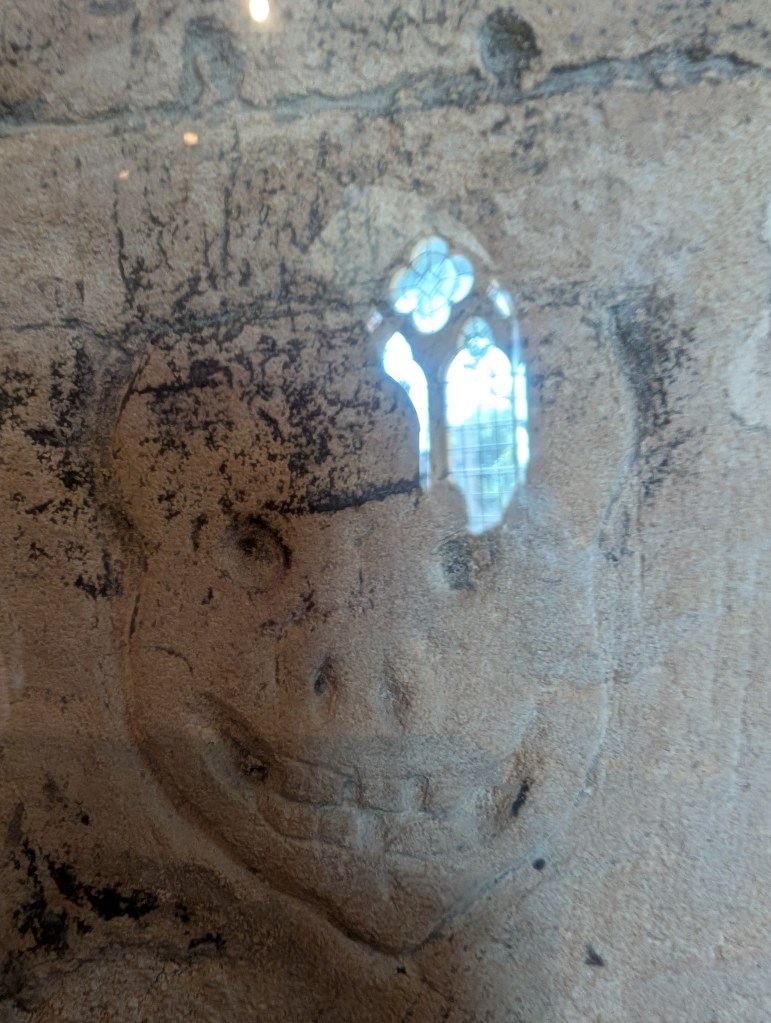
One of the most shocking and heartbreaking details located in the Bloody Tower were the markings made by prisoners on the stone walls. Messages written about life, regret, and the grace of religion are all stained with sorrow and acceptance. These were the etchings, the scriptures of people whom knew that their lives were bound to end soon, with little to no hope left to escape their doom.

I hold onto these stories and feel for those who met their untimely, gruesome ends. Remembering people such as Sir Roger Casement helps future generations hold tight onto justly morals and the sense of understanding that absolute power corrupts. Corruption leads to tight grips on control that lead to unjustly killings that benefit those only whom wear the Crown.

A Curious Case of Theatrical Perfection

As a theatre maker, I have had the privilege of seeing productions at all levels of good and bad, complete and incomplete, and moving and unmoving. Once in a blue moon, however, I get lucky enough to see a show that reminds me of why I started making theatre in the first place; a show that fully transports me and everyone else in the room to a fuller understanding of humanity through a breathtaking display of artistry. From the incredible actor/musicians, to the versatile set, to the beautiful lighting, The Curious Case of Benjamin Button was one of the best theatre experiences of my life. Despite having a title character, this is an ensemble piece through and through. Every performer on that stage carried the weight and joy and sorrow and melody of both the story and one other with nothing but the utmost care. This production is currently being performed at The Ambassadors Theatre in London, and I cannot recommend it highly enough.

The Curious Case of Benjamin Button has been adapted from a short story of the same name by F. Scott Fitzgerald. While maintaining the same premise of Fitzgerald’s story – a man, Benjamin Button, is born as an old man and ages backwards throughout the years – it departs very quickly from the source material. Whereas Fitzgerald’s story bases itself around the city of Baltimore, this production sets itself in a small town on the Cornish coastline. This concept came from Jethro Compton who grew up on the Cornish coast and had the initial idea for taking this short story and turning it into a musical. This change of setting offered several boons: firstly, in the same way that Fitzgerald had a connection to the place he was writing about, so too did Compton. Secondly, being an English-produced show, it gave the opportunity for others brought into the fray to find a way into the story. Lastly, and in my opinion most importantly, the Cornish coast gave the opportunity for the music of the world to be that of sea shanties and folk songs. The harmonies lifted the story, and every performer played multiple instruments resulting in a euphony of voices and violins, drums and basses, and guitars and flutes.

The setting is only the beginning of the vast differences between short story and musical. Another large shift is in the treatment of women throughout the plotline. In Fitzgerald’s story, women are mostly afterthoughts – Benjamin’s mother is not mentioned once, even on the day of his birth. The woman he marries in the story, while at first described as beautiful and desirable, quickly turns into a subject of disgust for Benjamin. In the musical, however, the stories of the women are uplifted. We get to meet Benjamin’s mother, though only for a short time, and grow to understand her. We get to see Benjamin fall for “the only woman he would ever love,” Elowen Keene, and follow her life and strife and dreams almost as deeply as his. This deepened understanding of the other people in his story let the thematic elements ring ever more clearly.

At its core, this is a story about time and belonging. Time, or lack thereof, or too much thereof, or the way we as humans push back against its linear nature, is all over this piece. A man aging backwards, who knows he was born at the age of 70, knows exactly how much and how little time he has left. However, it is his lack of sense of belonging that pushes him through his life. Benjamin is a man who is different, and who among us can say that we have never felt different? For most of his life, Benjamin allows this difference to get in his way of living – he runs away at every opportunity and keeps his secret hidden away. It is not until he realizes that home is not the places you go but rather the people you love that he finally finds his way.
The Curious Case of an Adaptation
The Curious Case of Benjamin Button has to be one of the most successful adaptations I have seen on a stage. I think what has made this adaptation so successful is they weren’t afraid to deviate from the source material. It was very evident that the short story was used as a scaffold that they were able to build their story on top of.

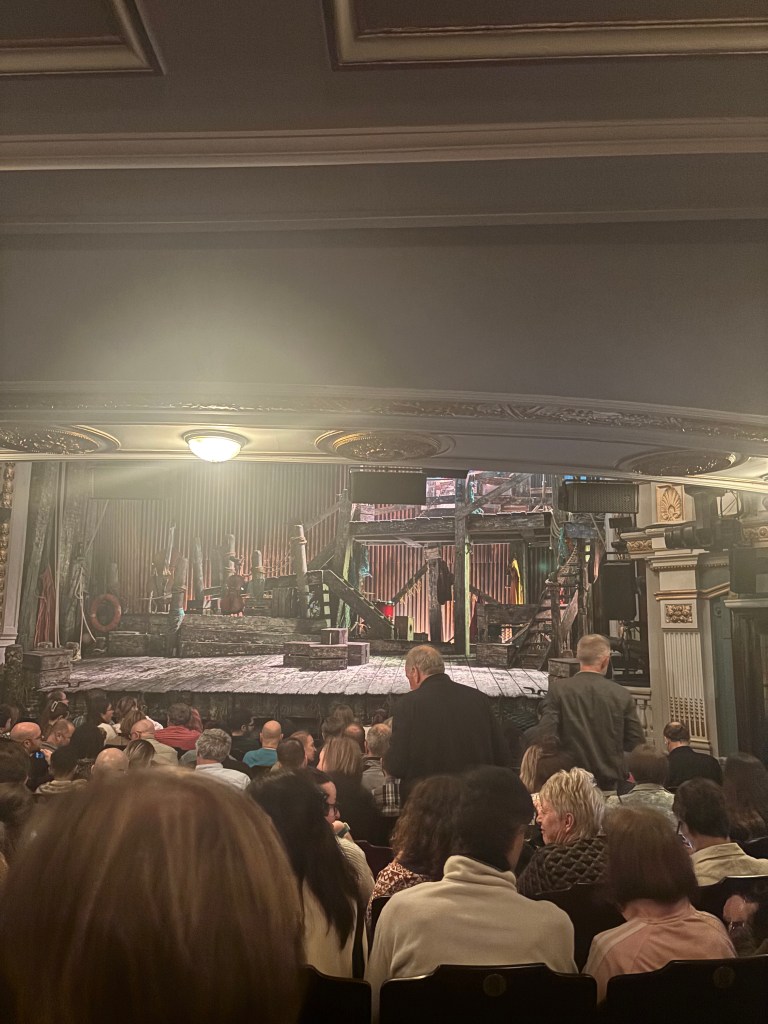
The first diversion from the source material was the location. The short story was originally set in Baltimore, but the musical is set in Cornwall. Setting the play in Cornwall gives them a very unique and specific cultural reference point for the set, costumes, and music of this show. It allows for the organic nature of the sea shanties and the instruments being played by the entire cast. It allows for the rustic dock setting with all the accoutrements that can be transformed into the various locations throughout the musical. It gives us the small town feeling of everyone knowing everyones’ business that builds the intimacy between the ensemble that invites you into the show. All in all it was a genius diversion from the source material. It also gives a cultural reference point that is more easily accessible, not only to English actors, but to the English audiences. Another diversion was the way women are treated in the script versus the way they are treated in the short story. In the short story women are often overlooked, objectified, or boiled down to their looks or what they can do for the men around them. In the play this could not be more different. Women are given a true voice. The treatment of the mother was the first instance. In the short story Benjamin Button’s mother is never mentioned. Not once. We are told that the baby is born, she has no name, no story. In the musical she is given a voice. However, I don’t agree with her decisions and the way she treated her son made me enraged, she is given a storyline and we are able to give her a voice. We are able to understand the guilt and shame she feels not having been able to carry and give birth to a “normal” baby. We understand that even if we don’t agree with the way she handled things, she did struggle and she is a vital part of Benjamin’s story. With the introduction of Elowen Keene, we see her as a carefree woman with an immense love of life and the act of living it. She wants the most out of life, she wants fun and adventure and to do the unexpected. We focus not on her beauty, but her immense spirit and fearlessness. Benjamin falls in love, not with her looks, but with her soul. In the short story, there is a lot mentioned of Elowen’s beauty and it gives the impression that all Elowen has to offer the world is her youth and her beauty, both of which are fleeting. It puts a time clock on Elowen’s agency and ability to live her life. Once her youth and beauty is gone she can no longer live the life that she wants. In the musical Elowen fights societal norms and takes life in her own hands. She refuses to marry, against her mothers wishes. She leaves the village in search of a life she loves, also against her mother’s wishes. She is independent and free thinking. Her love for Benjamin never wavers, even after his secret is revealed. She is headstrong and opinionated in the most beautiful and authentic ways that make her more than a pawn in a man’s world.

There is much more that could be said about how brilliant this piece was, and how vital it is in a world where division is more common than community. But I will leave you with, it is a triumph. It is exactly what theater should be and where new work should be headed. I can’t wait to see the show that Benjamin Button will inspire.

Don’t show me a show about community and belonging and expect me not to weep.

To my fellow travelers who all watched me silently (or not so silently) weep during the entirety of act two… thank you for standing with me in solidarity.

            I mean this in the most dramatic way possible… I think this show drastically changed my life. We had read the short story for class prior to seeing the show and I can confirm that the musical is incredibly different from its source material… in the best way possible. From a storytelling standpoint, the only things that were in line with the source material was the main character (Benjamin Button) and his love interest (Elowen Keene), as well as the Benjamin’s inner need to live a normal life. Everything else had at least a small variation to them. For example, the short story is set in Baltimore, whereas the musical is set in Cornwall, UK.

            While so many things were different about this show, I am pleased to report that every single one of these changes worked magnificently. It is extremely hard to take a thirty-page short story and turn it into a two and a half hour long musical. The musical expanded on characters that were barely even mentioned in the short story (for example Benjamin’s mother), while also making sure that this story was not just about a man who ages backwards, but a story about humanity at large. Which is what good art is: hyper specific and yet infinitely broad. From start to finish, I was engrossed. Having a director’s brain, I was obsessed with the many metaphors and musical motifs that had a throughline in the piece. The motif of “what if the moon and the sea were in love” as well as the constant reminder of time and how time waits for no man were particularly striking.

I’ll be honest, I did not expect for this piece to affect me the way that it did. But it was the impeccable set design, which featured many trap doors and versatile set pieces that collided with an innovative direction and ensemble that truly struck a chord with me. As a queer person who relies very heavily on found family, a story about a man who has to form his own family, when the one he was born with has disregarded his very existence, hit me in a place I did not expect. Yes, this is a story about a man who ages backwards. But it is also a story about community and belonging. Both of which are values that I hold very near and dear to my heart. This was a shorter blog post that my previous ones. I still think that I am searching for the words to truly describe just how much of an impact this story had on me. I feel so blessed to be able to have witnessed this story, told in this way, in this exact moment in time.

Forever Present in the Moment,

– R

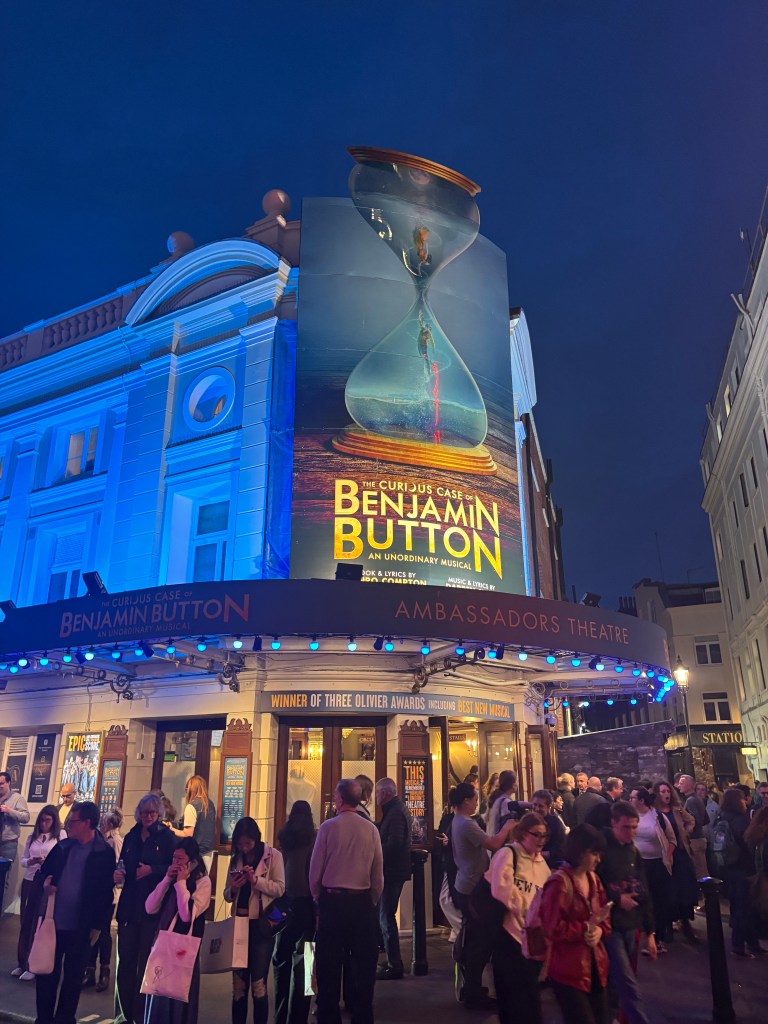
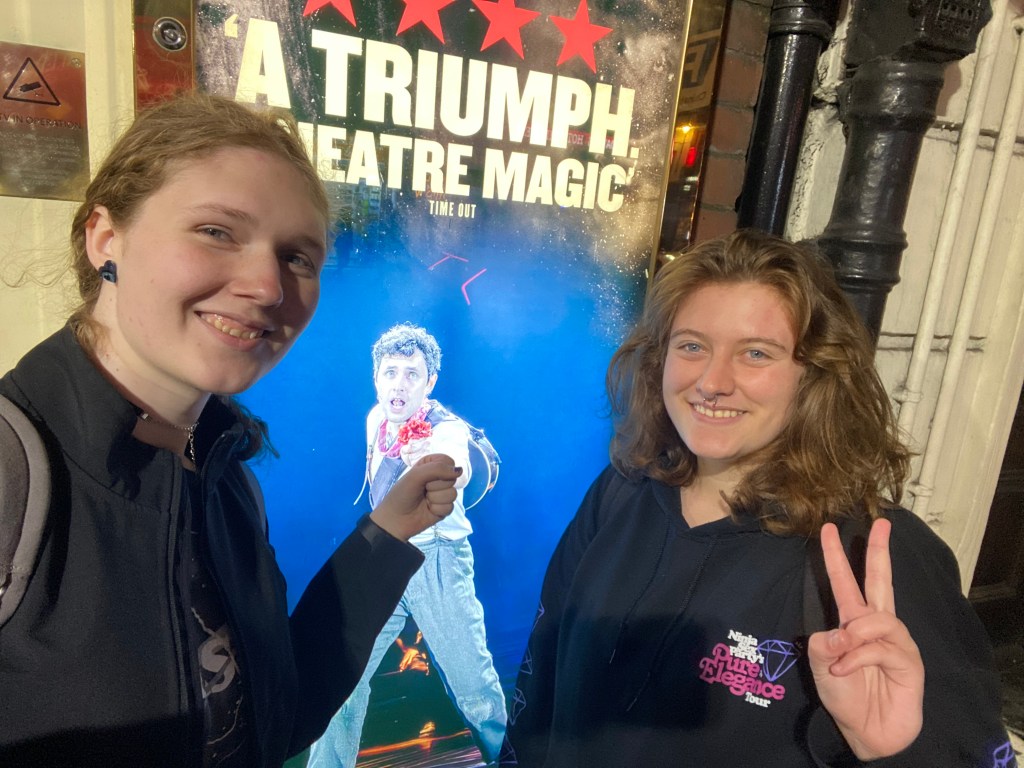
The picture I took in between ugly sobs outside the Ambassadors Theatre

May 23: Blood and Stone

Sir Walter Raleigh’s study, within the Bloody Tower at the Tower of London, first struck me as a bit grim for the child in queue ahead of me. It was a gloomy little study, with projections depicting a beheading. There were shrieking winds and a final *Thud* as the axe fell down and the scene blew away in the wind. And then the kid just moved on. So I did too. 

Sir Raleigh spent 13 years cooped up in that tower, but I only spent a handful of minutes. Between the many guests at the tower of London, we’ve probably spent far longer than 13 years. That kid, who was walking ahead of me during my visit? He absolutely zipped through, and I didn’t even see him in the garden section.

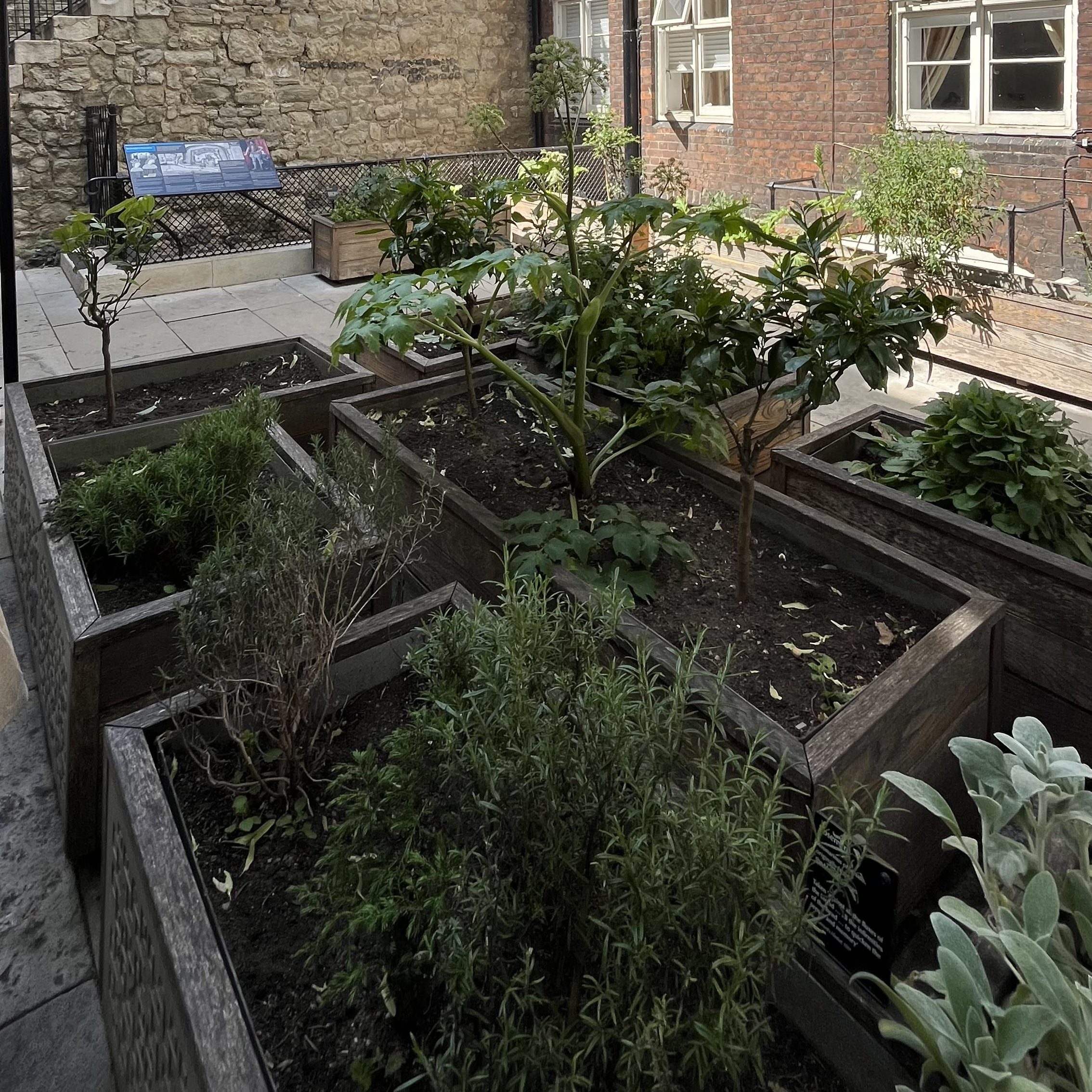
The garden was where my mind on the exhibit turned, and I began to really vibe with Raleigh’s story. He was cooped up, but not inactive: he spent his time in the tower producing remedy elixirs using ingredients from his travels. Tales of alchemy and alembics always interest me, but his held a special, non-fantastical relevance to me in that moment. I’ve spent some time locked away, with my family, and a garden keeping me sane, too.

My journey of creation during Covid was in the decorating of my walls with origami flowers. I made dozens, and tacked them to the walls along with lights and polyester clouds. Being stuck inside motivated the prisoners of Beauchamp Tower to do something similar. They carved markings into the stone walls. This act was a way of alleviating boredom, and of making a mark on the world even when no other options remained. I find that, and Sir Walter Raleigh’s similar works, to be inspiring.

The Tower of London

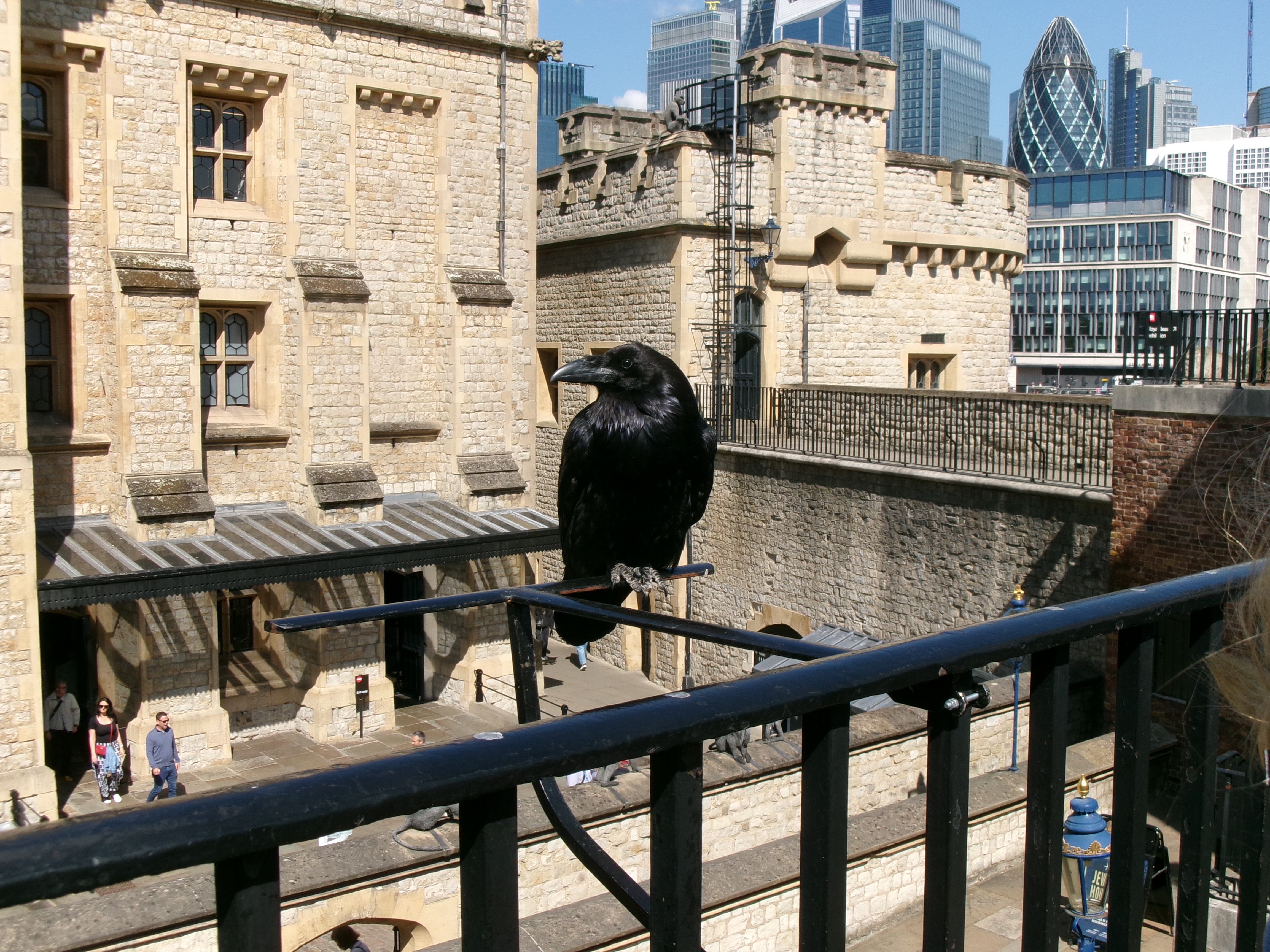
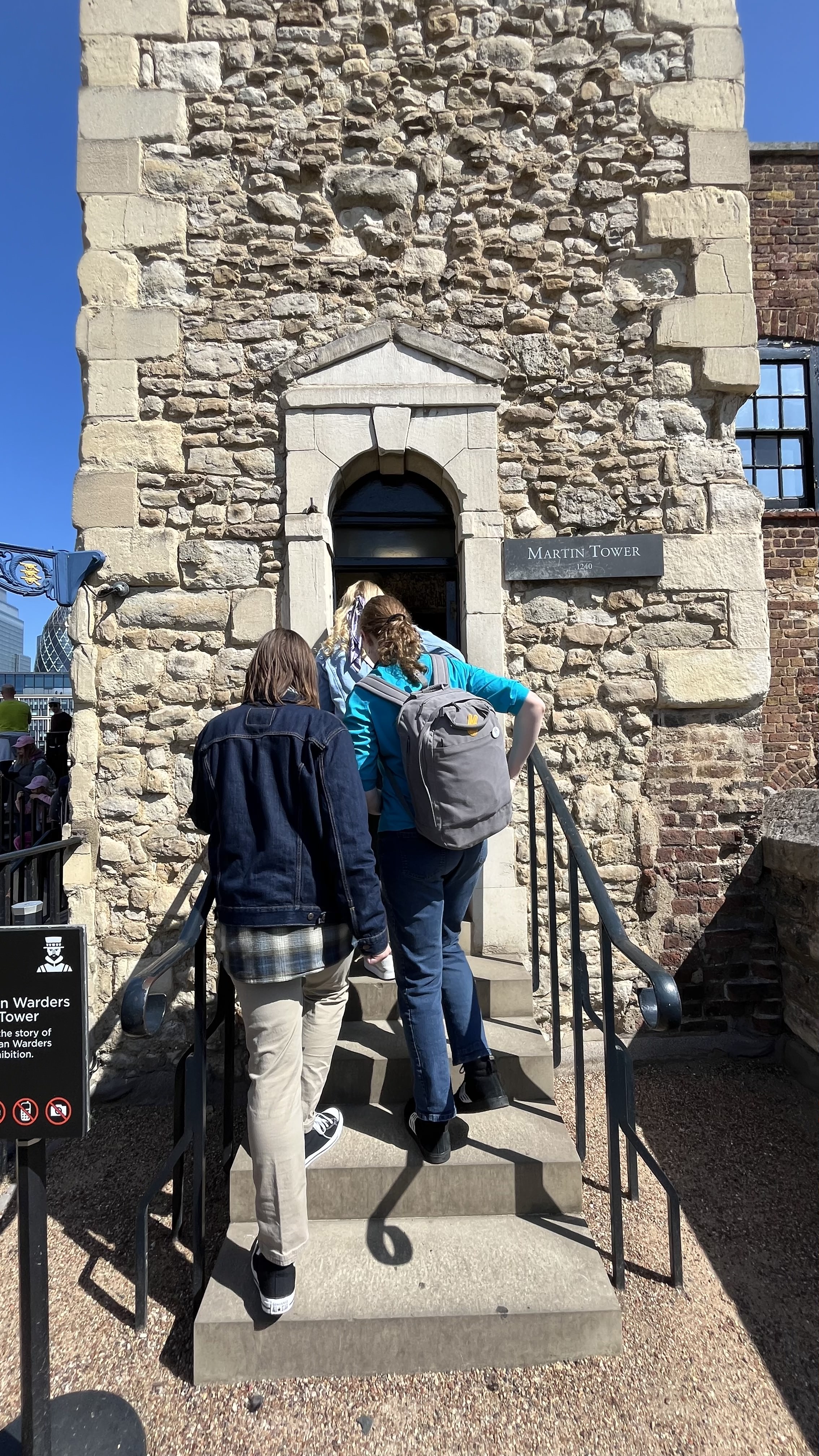
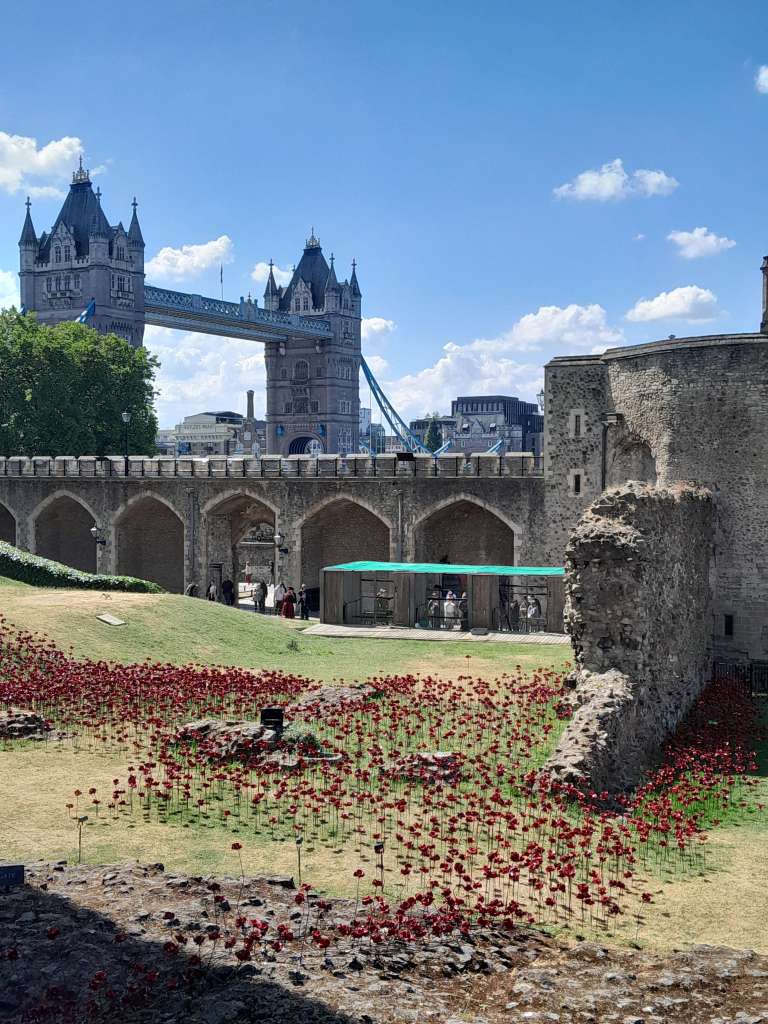
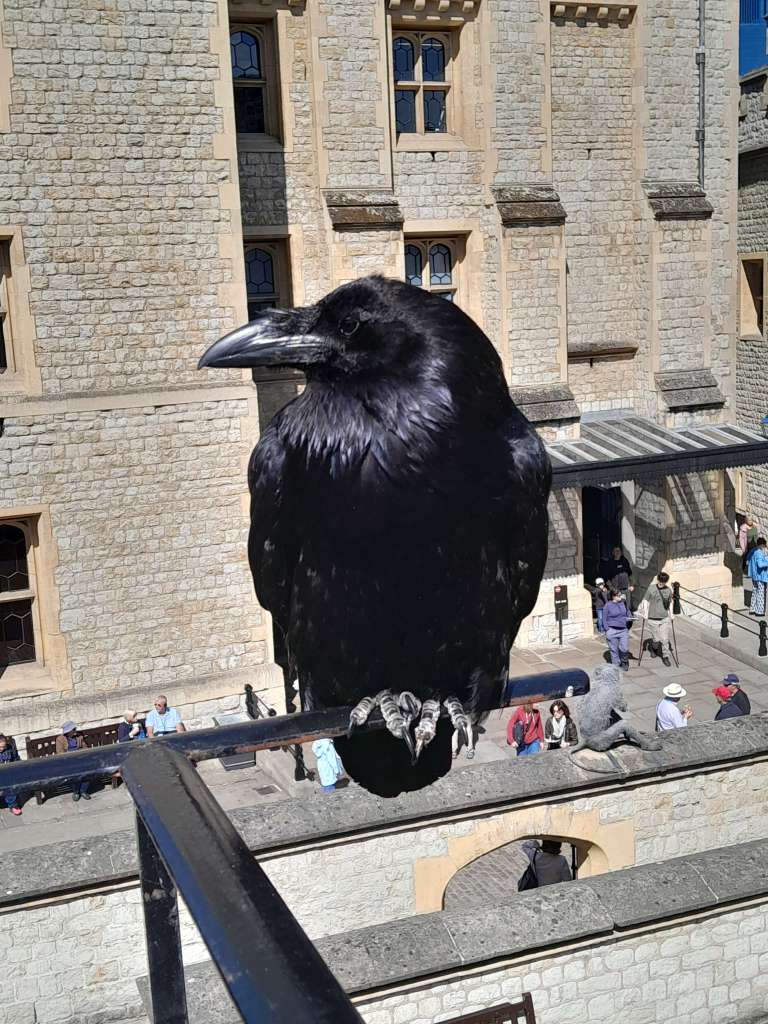
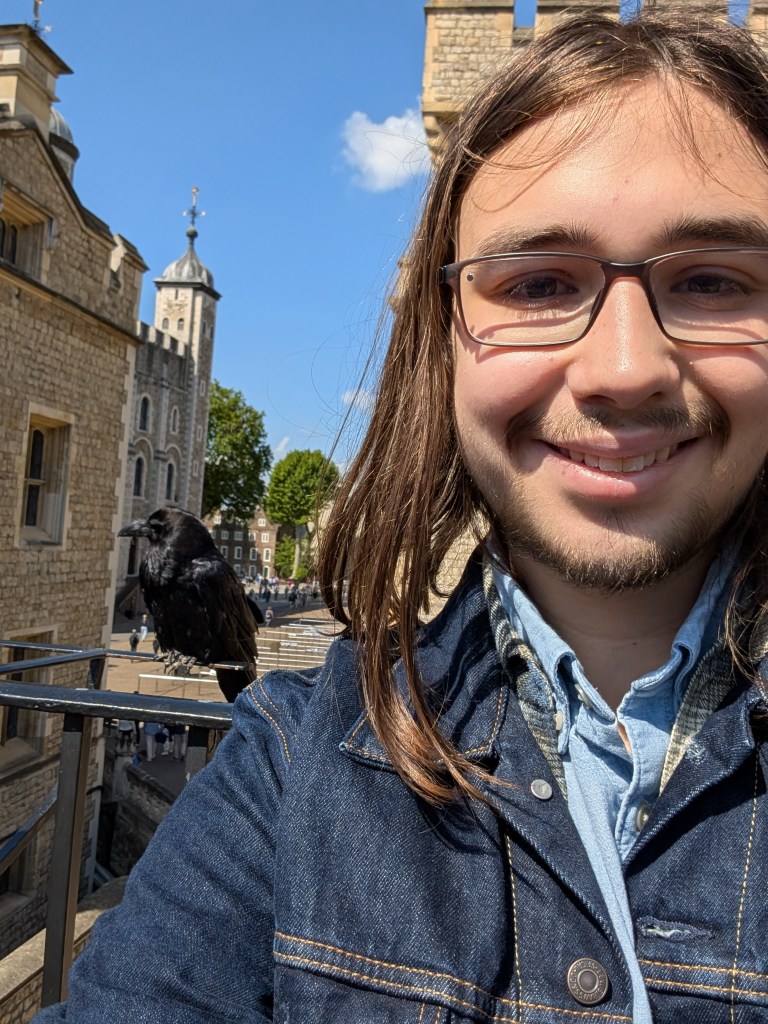
At the Tower of London, we learned much of London’s history. We wandered around and marvelled at the beautiful architecture and the red ceramic poppies placed to commemorate the anniversary of the end of WWII. We saw the crown jewels and learned about the centuries-old coronation ceremony. At Martin’s Tower, we learned about the Yeoman Warders, who have been protecting the Tower for centuries. We met one of the royal crows outside Martin’s Tower (pictured below). We even learned some of the darker events in the Tower’s history, like what caused the Bloody Tower to be named “Bloody Tower”.

Queen Elizabeth I built what is now the “Bloody Tower” as a studio for her favorite author and explorer, Sir Charles Raleigh. It was originally called the Garden Tower because it overlooked the Tower Lieutenant’s beautiful garden. However, Raleigh’s actions often angered the courts and King James I, so his study became a prison. King James allowed Raleigh’s family to stay, and he was allowed to plant in his garden along with many other freedoms. Still, throughout his imprisonment, Raleigh was sick and had low morale. In the end, he was released from his capture only to anger the king once more, and this time he was executed. Raleigh’s is one of the lesser-tragic prisoner stories from the Tower of London, among many ranging from dehumanizing torture and execution to a lonely night in the prison tower.

Sir Raleigh’s exotic garden still exists today with some of the same species he planted so many years ago!

Despite the unfortunate ending to Raleigh’s story in the Garden Tower, that is not how it got its name. In 1483 following the death of King Edward IV, his heir was set to be king. He had two sons with Elizabeth Woodville: Edward (the oldest) and Richard. The King put his brother, Richard III, in charge of the two boys following his death, and he immediately sent Edward to the Tower of London for his “protection,” followed shortly after by his younger brother Richard. It is not certain what became of the two boys, but they were never seen alive after this point. Richard III became king instead of either of Edward’s heirs. The question remains: did Richard III murder the princes?

So many people believed that Richard III murdered the princes in order to become King that the Garden Tower (where the boys were presumably murdered) was renamed the “Bloody Tower.” Though the Tower of London has a lot of darkness in its history, there are also many empowering and uplifting tales. It is good that the British can share these stories, good and bad, so that we may learn from them for the future.

– Hadley Ayers ❤

The Tower of London !!

The Tower of Lond held many prisoners, all with different stories. Yet one prisoner in particular caught my attention: Sir Walter Raleigh. He was born in Devon around 1554 and was the youngest of five sons. The man was an academic as well as an explorer, and early on in life he seemed to be a favorite of the Queen. Learning about him, I gained the impression that he was quite excessive as a person. I read that he supposedly threw his cloak in a puddle so that the Queen wouldn’t have to get her feet wet, which is the most over-the-top thing I’ve ever heard of. In fact, it reminded me of something you’d see in a Hallmark film. Huge fan of that, actually. He also wrote poems referring to her as the goddess Cynthia who, as the personification of the moon, had power over water. Water, of course, being the nickname the Queen had given Walter. What a man. 

His devoted theatrics weren’t enough to make him immune, however, as when the Queen caught him in a secret marriage with one of her ladies in waiting, they were both sent to the Tower– along with their child (who did not survive due to the plague). His story goes on, with him being released and winding up back in the tower again, but what’s most intriguing to me is the actual state of his imprisonment. It’s almost… romantic? Okay hear me out. He spent 13 years in the Bloody Tower (due to treason; his sentence was originally death but James I had mercy on him) but it was unlike any regular imprisonment. He was given well furnished rooms, a garden, and he lived there with his wife, kids, and three servants. He wrote poetry, studied chemistry and history, and even grew exotic plants. Aside from having to share the Tower with family, that sounds like a good time to me. Sure, there are downsides to being locked in a tower, but also, the sheer amount of free time to simply create art and read sounds heavenly. Sue me! It is fascinating though, that that was considered imprisonment. The entire set up seemed so comfortable to me, which was a little strange to experience. Especially after learning about the conditions in which other prisoners lived. 

Aside from the Bloody Tower, I got some good inspiration and ideas for art pieces! I was captivated by the roses on display, which seemed to add an odd yet fantastical element to the place. 

I would love to do some sort of painting that incorporates that. It’d be a great exercise for value and contrast, with the greys of the tower clashing with the blood red of the roses. Ooooh wait I can see it now. 

I also absolutely adore the ravens, and would like to do a study of one. 

Just look at him, oh my god I want one. 

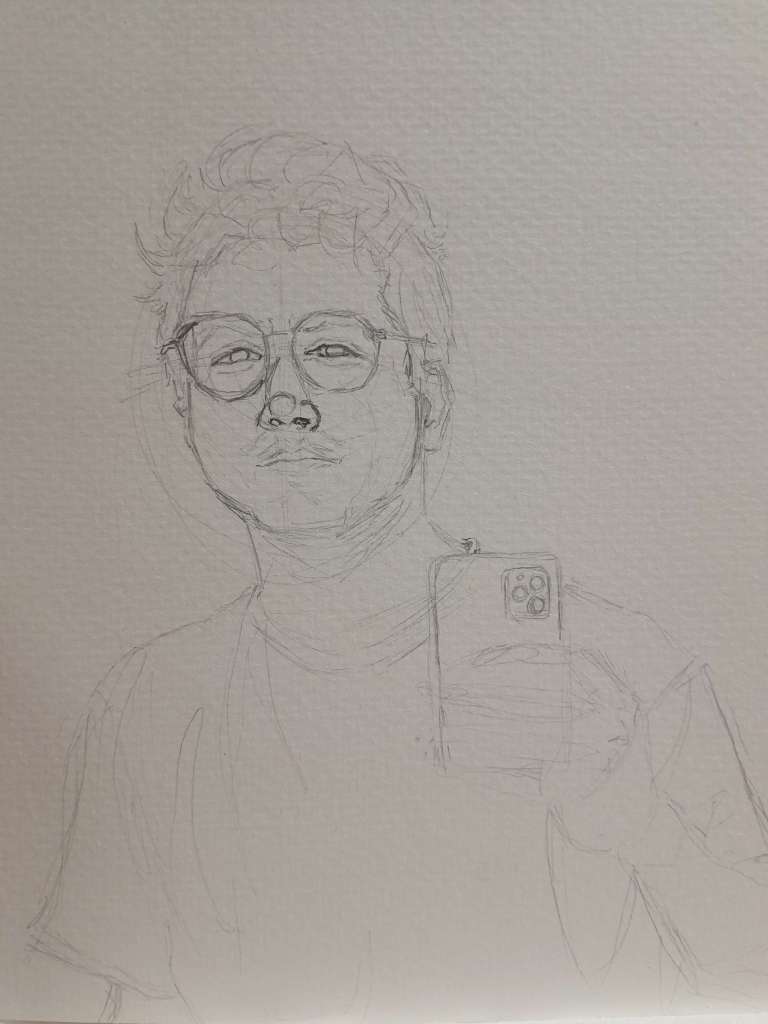
As for the whole “I want to post art in every blog so I have accountability”. Well. Unfortunately I am a liar. Okay wait. I have a sketch I’ll include, but it’s unfinished, as I plan on painting it :)) I suppose this gives a lil’ sneak peek into my process, which is chaotic and would make any loomis method lover have nightmares for weeks (I have a nasty habit of drawing the face and THEN the head. Please don’t ask how, I do not know). 

I need to fix his chin and define everything a lil better before I start painting. Hopefully I don’t absolutely wreck it, I’d like to have a final painting to show eventually. Okay I’ll stop talking about art.

Peace!

May 22: Hadestown

This is a quick post to discuss my viewing of Hadestown at the Lyric Theatre. The tickets were a rushed purchase, but really quite affordable. Aleah and I made our way to the theatre after the day’s walking tour through Leicester Square, arriving with plenty of time to admire the set sans-actors. I’d seen Hadestown once before, so I was startled by the set. It was different yet similar, in unexpected ways.

Once the show began and actors started filling the stage, my second surprise of the evening appeared: Hermes was being played by a trans white woman, rather than a black man! I thought this was a bold choice at the time, but later learned Allie Daniel was an understudy to Cedric Neal. The way they changed the script to include her was striking to me, but would be unnoticeable to someone who had never seen the show. It worked perfectly with her in the role.

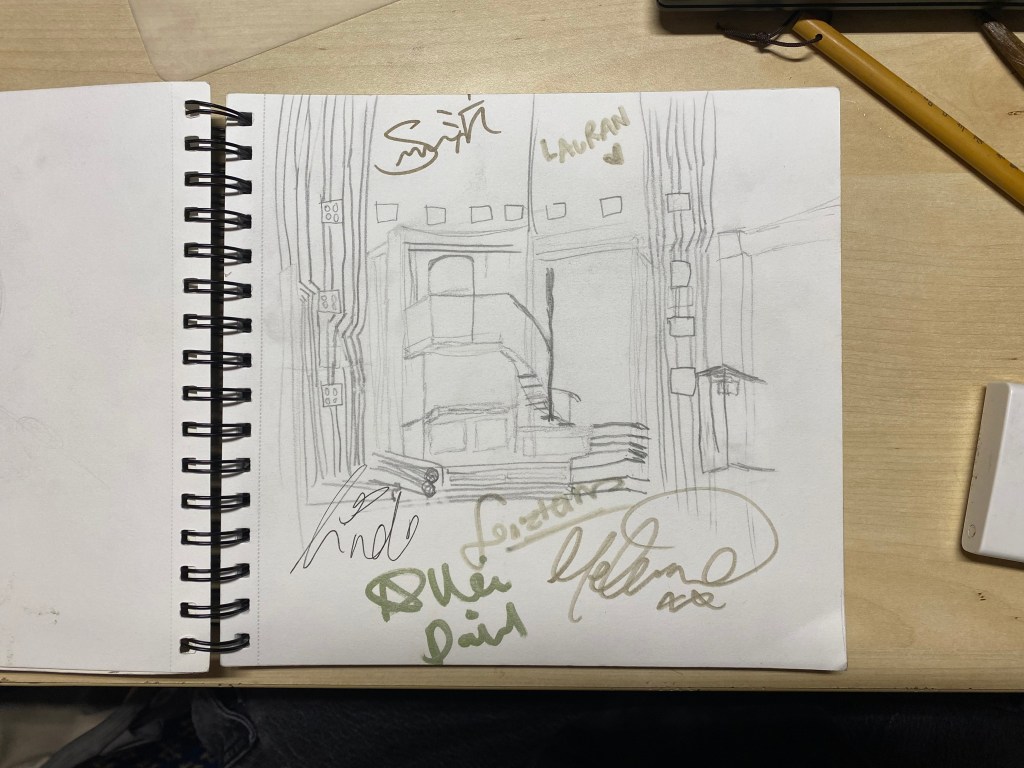
Intermission arrived, and I was struck with an idea. I would draw the set during this time, both as practice and as a keepsake. It was challenging, but I think I captured the vibe of the set without getting too stuck in the muck about details.

The show ended, and we made our way to the stage doors to meet the cast. I originally intended to just say hi: I get nervous in situations like this, and typically elect for the path of least resistance. But tonight, with my funny little sketch in-hand, I decided to get just a few signatures on it. I had Allie Daniel, Femi Akinfolarin, Michelle Andrews, Lauren Rae, Sebastian Lim-Seet, and Lindo Shinda sign it. I focused on trying to gather the Ensemble casts signatures, because in my reading of the play they feel much more connected to the set than the main cast of lovers.

Hadestown holds a special place in my heart. I listened to the original concept album from 2010 since it came out. That means I’ve been listening to this musical for 15 years now. 15 years, and it feels more special and wonderful every time I listen to it. Seeing the show live again refreshed the sounds in my memory, and updated them to include new voices and instrumentations. I’m glad I saw this show, and I hope you will see it too.

Blog Post 2 – The Tower of London, Treasures and Torture

I had an amazing time visiting the Tower of London, it was a place with so much rich history, and while unfortunately I did not get the chance to see all of it, what I did see did not disappoint.

The first thing we saw was the Crown Jewels. Photos were not permitted inside, but I doubt that they would have been able to adequately capture the beauty in there. There were a variety of wonders inside, from crowns and other jewelry to the fanciest golden tableware I’ve ever seen in my life, to the items worn by King Charles III at his coronation. It was stunning how the light reflected off all the tiny little gems, creating shimmering rainbows all across the crowns, something that can’t be seen in just a photograph. Something else that stood out to me was the fact that some of the items inside were still being used occasionally for ceremonial purposes. It was rather humbling to look at the objects, older than the United States, that still had a purpose beyond just being displayed.

Despite all this, the Crown Jewels may have been the least interesting thing I saw that day, for we next visited one of the towers where some of the prisoners were held. Not just any prisoners though, only the most important people, royalty and extremely notorious criminals were kept there. One room in particular caught my eye, as it was filled with carvings all across its walls made by many prisoners over time. It was fascinating to see how the people kept there were able to exercise what control they had, and how it had turned almost into a tradition.

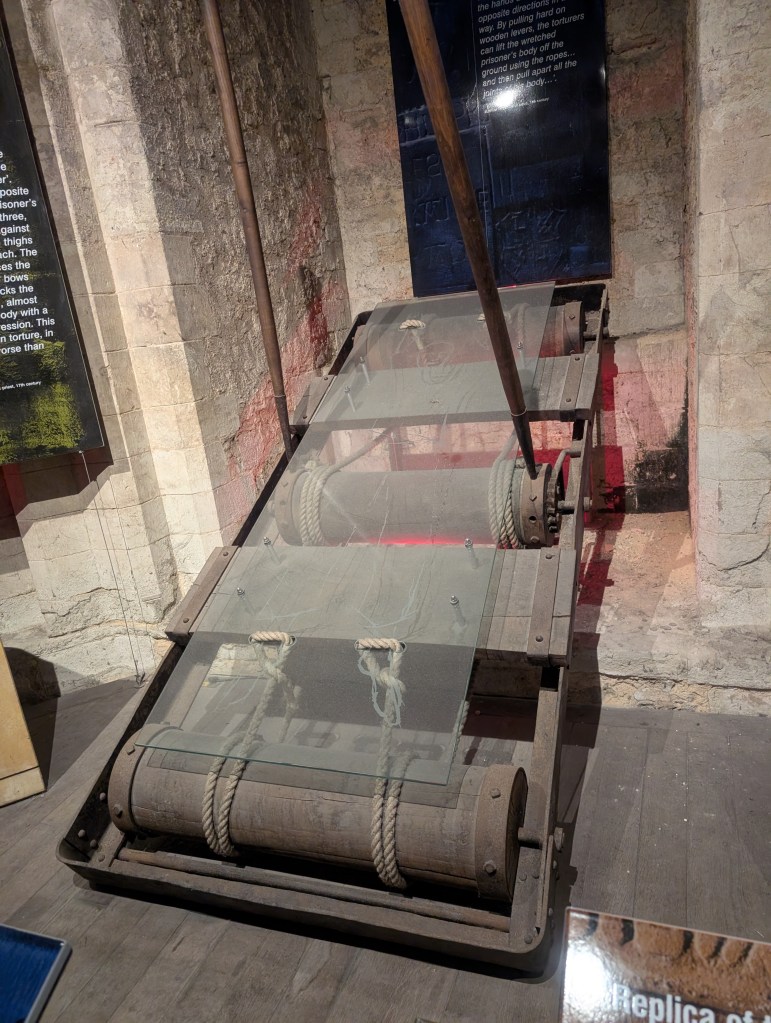
Next, we visited the Bloody Tower to learn about the fitting subject of torture. They said that (physical) torture was quite rare in England back in the day, and wasn’t officially part of any laws, however, over a period of time, over half of all recorded cases of torture occurred at the Tower of London. We saw a variety of instruments of pain, including shackles, “The Rack” which was designed to stretch out a man as far as possible, and the “Scavenger’s Daughter” which was designed to do the opposite, compressing someone as tightly as they could be without killing them, as well as details accounts of how they were used to hurt prisoners, with accompanying visuals. I found it morbidly interesting just how creative humanity can be when coming up with ways to inflict as much pain as possible on each other.

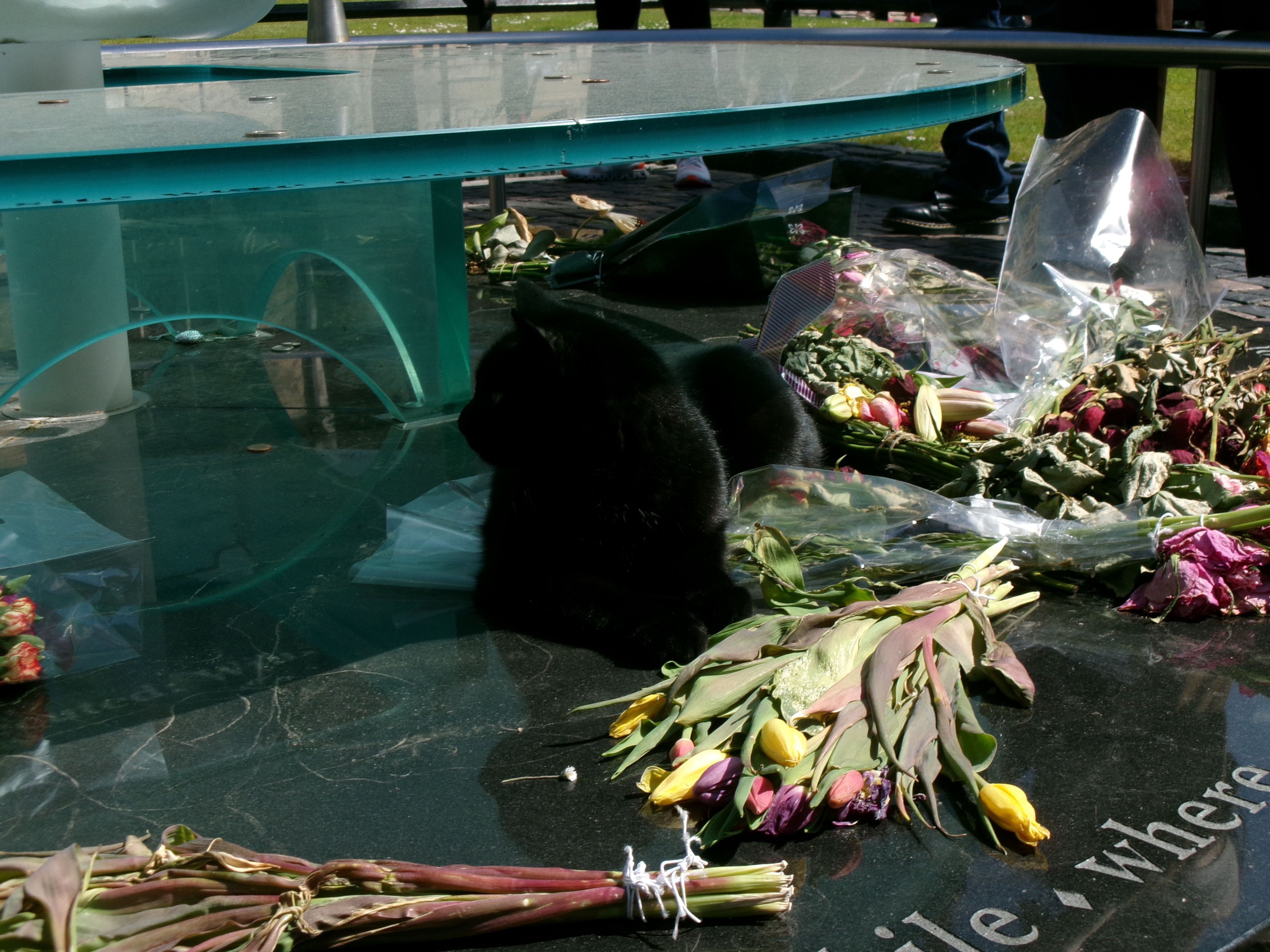
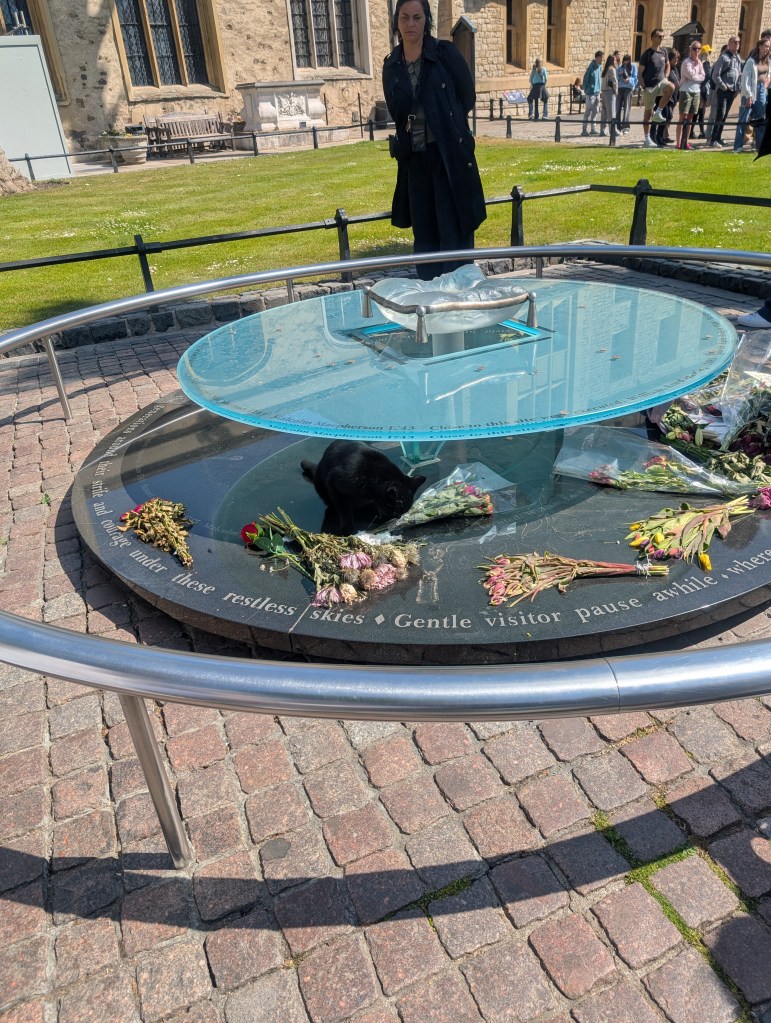
While torture was rarely used on the prisoners, executing them was far more common. Out of all of the people killed at the Tower of London, the most famous would have to be Anne Boleyn, the second wife of King Henry VIII. Unable to give him a son, Henry became dissatisfied with her, and fabricated charges against her of high treason in order to have her executed so he could get a new wife. The spot where she was beheaded was marked with a memorial, with many bouquets of flowers around it.

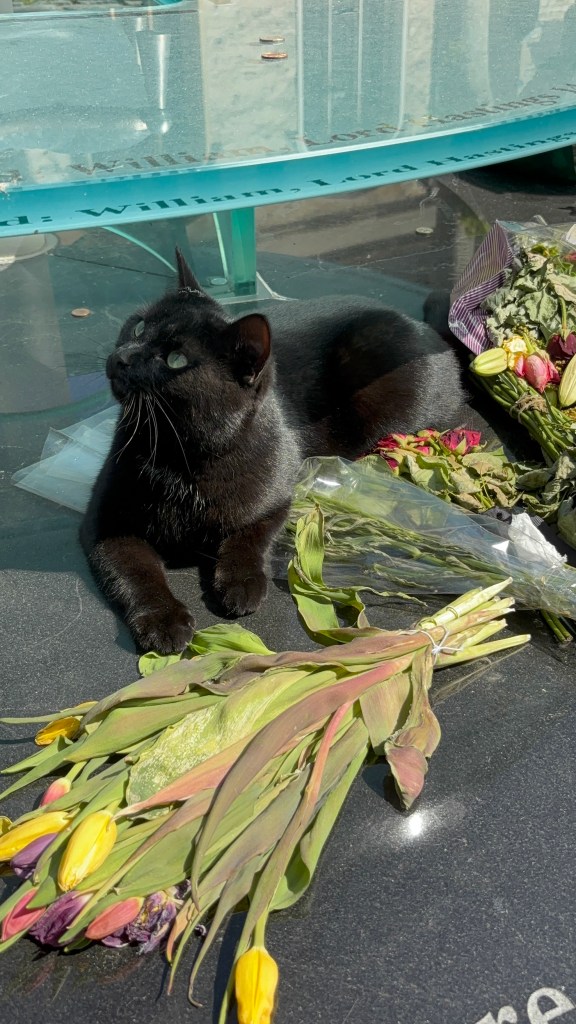
There was quite a large crowd there in fact, although they did not seem like they were there for Anne Boleyn, but rather the black cat that was sunbathing underneath the glass of her memorial. I looked it up and her name is Nyxie, and she moved in just last year. She belongs to one of the Yeoman Warders, the ceremonial guards of the Tower of London. She immediately stole my heart with how cute she was, and I could have spent the whole time watching her roll around in the sun if the rest of my group didn’t persuade me to move on.

She was not the only jet-black animal there though, for there were also the ravens. There were a number of ravens at the tower, and they have long been a feature of it. Apparently, it is said that if one of the ravens leaves the tower, the entire kingdom would collapse, which is why their wings are clipped. I do hope that none of them escape while I am on this trip for that would cause a lot of complications, and we have already dealt with plenty of those so far.

Anyways, this has been the second of my travel blogs, goodnight, morning, or afternoon, and I hope you’ll read the next one.