
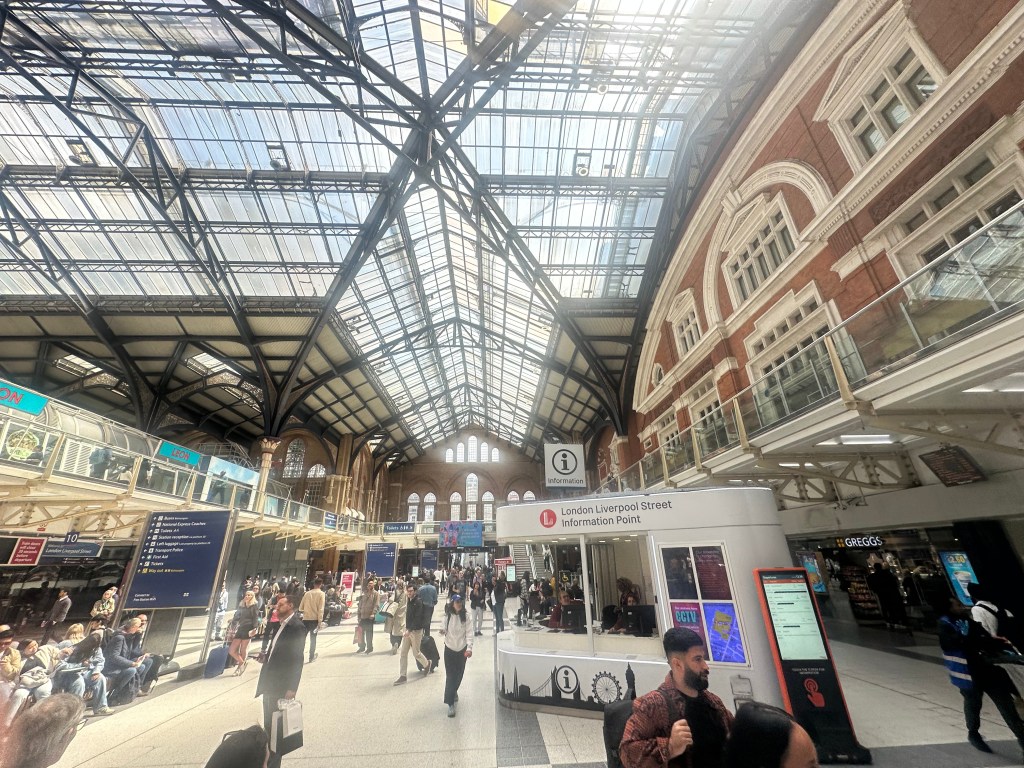
WOOHOO! LONDON!!!!!! YEEEESSES!
Now that I’ve gotten the unprofessional, but justified, giddiness out of the way – Okay, yeah, London has been pretty rad.
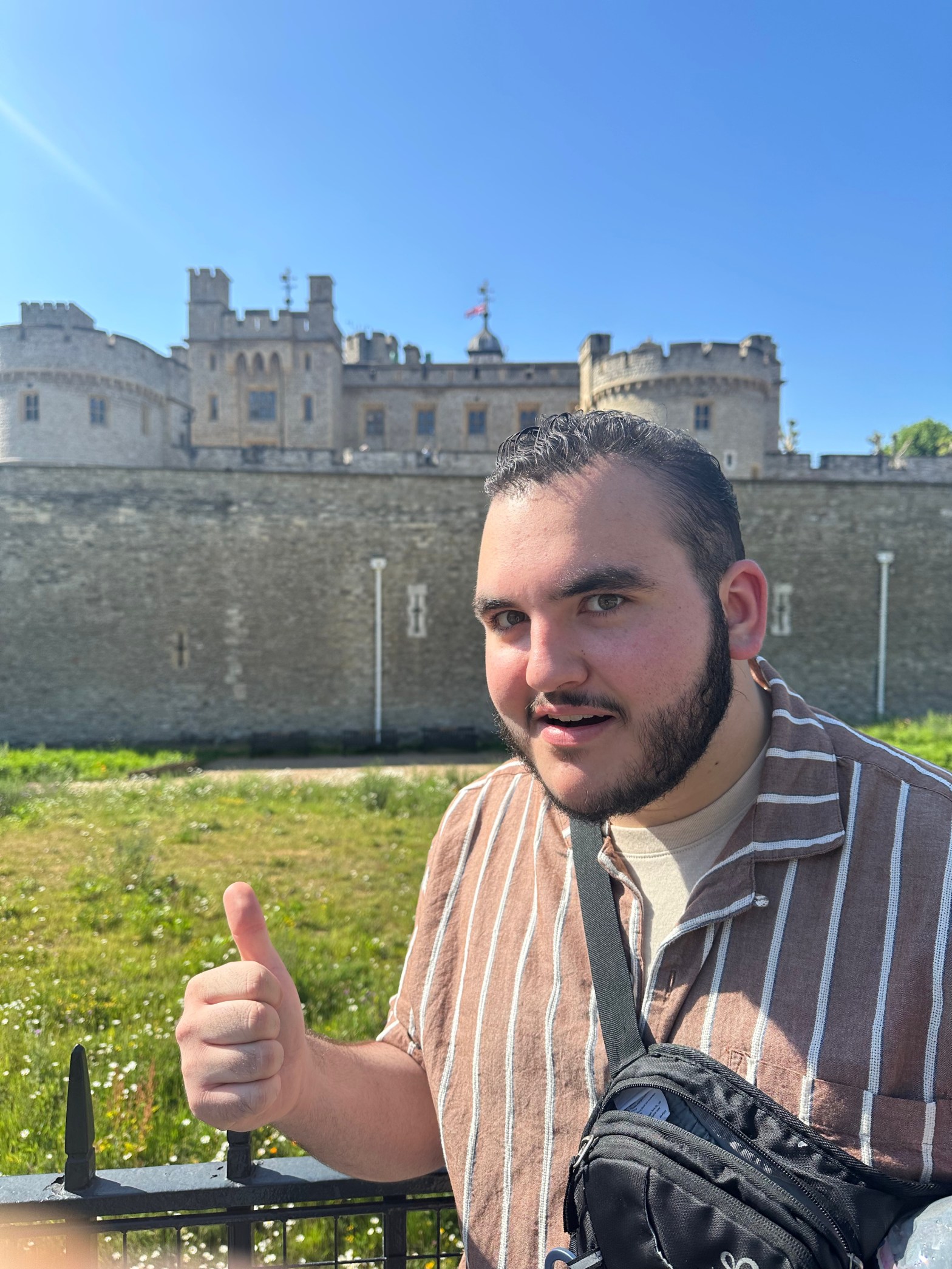
Over our first week in the city, we have trekked to many-an interesting spot, seeing an array of markets, theatres, and pieces of architecture and history. This culminated in our visit to a site where Britain keeps all it’s secret magical artifacts, where they’ve imprisoned and executed many figures of history, and also where the Minions try and steal the crown from in the hit 2015 movie, “Minions.”
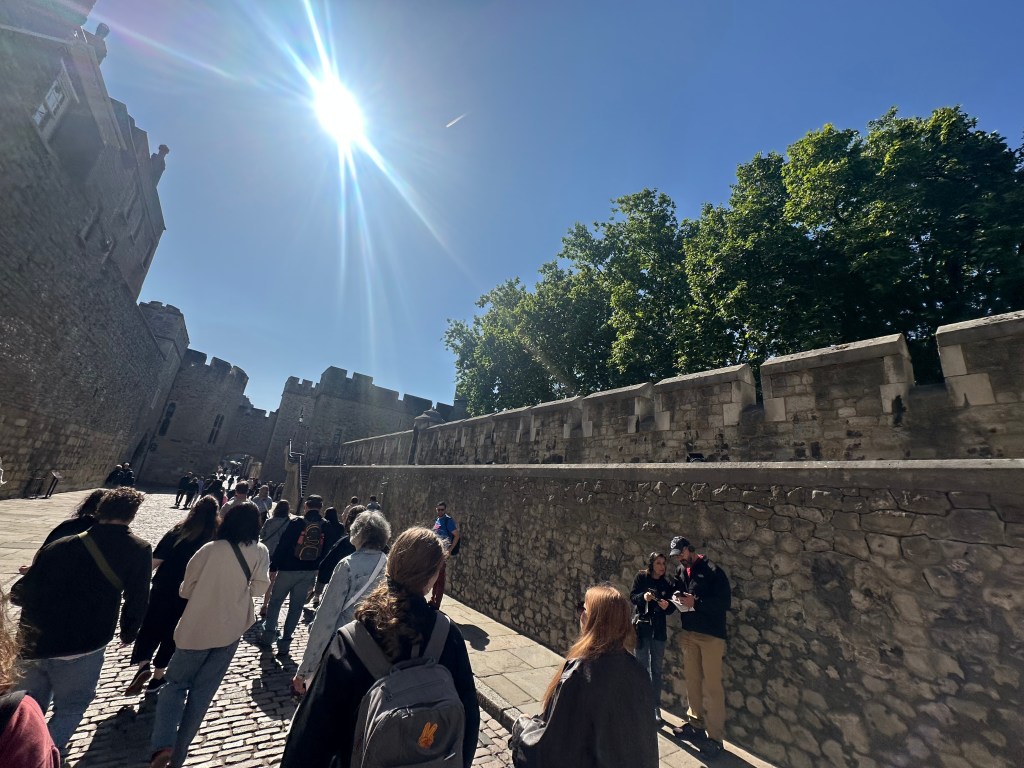
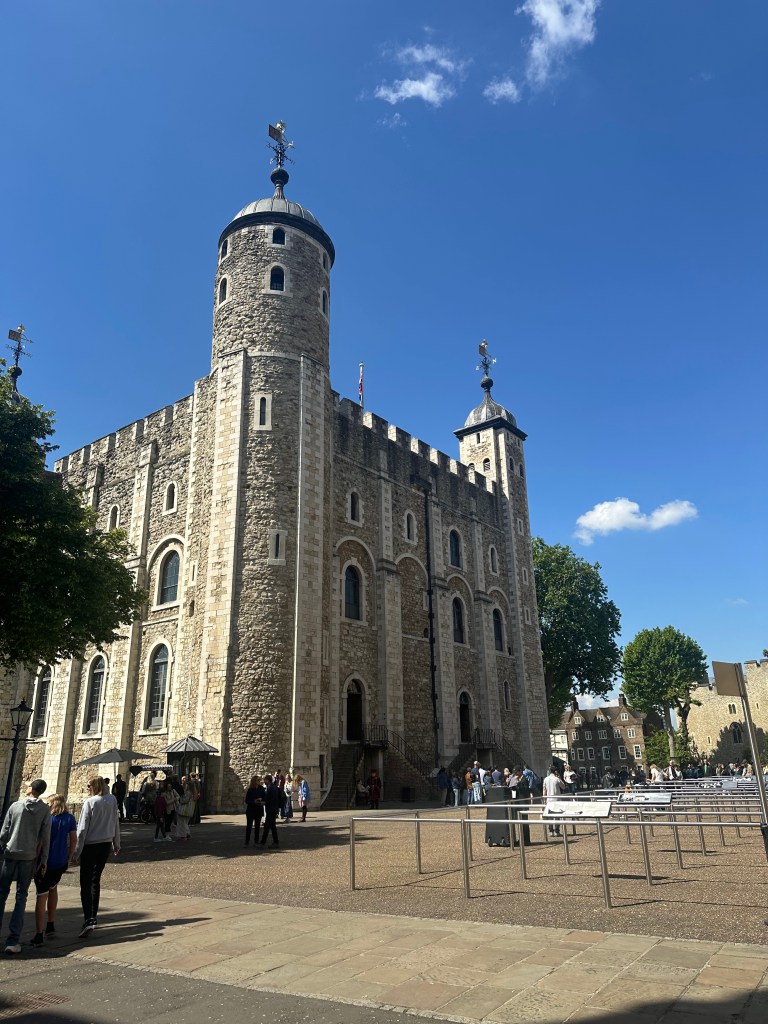

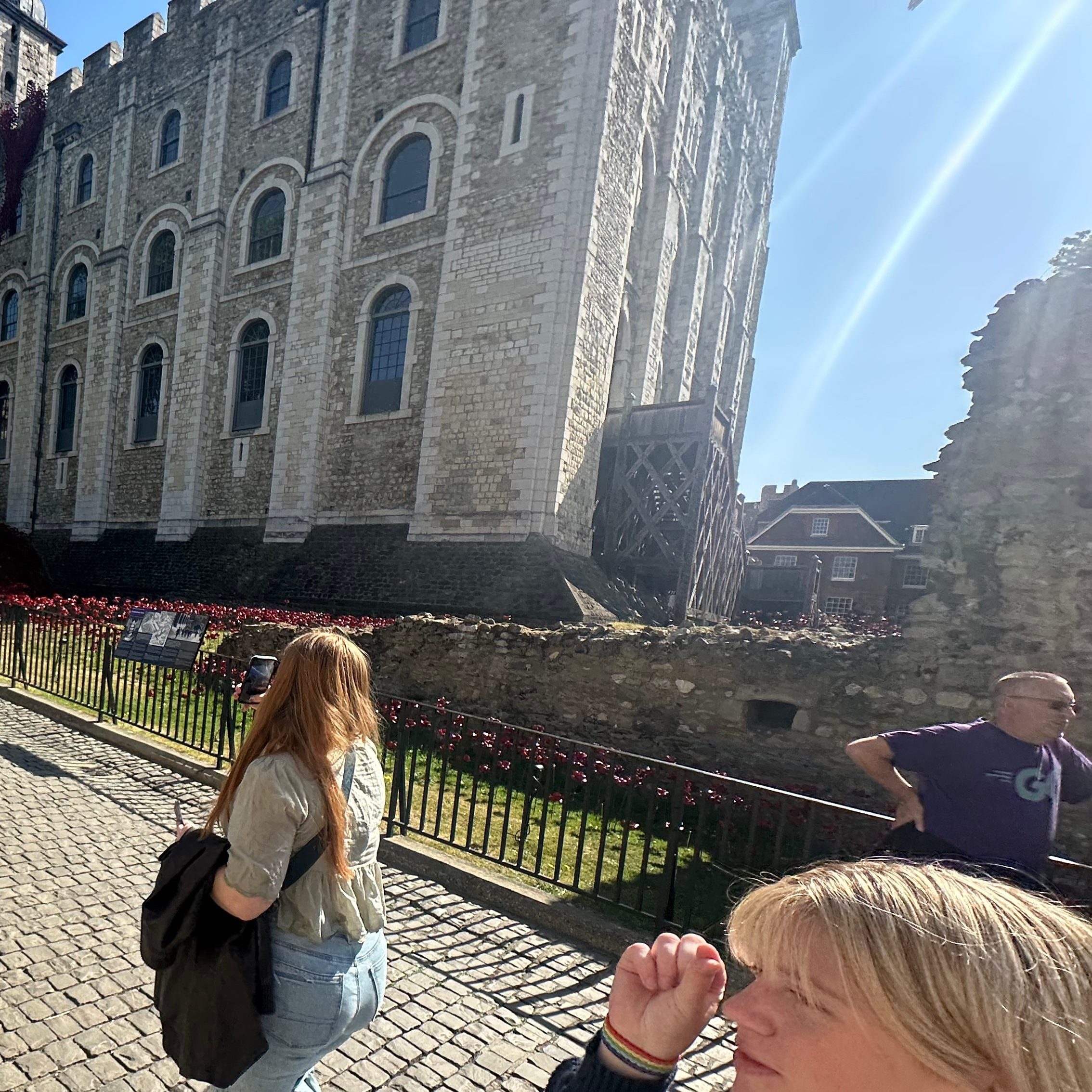


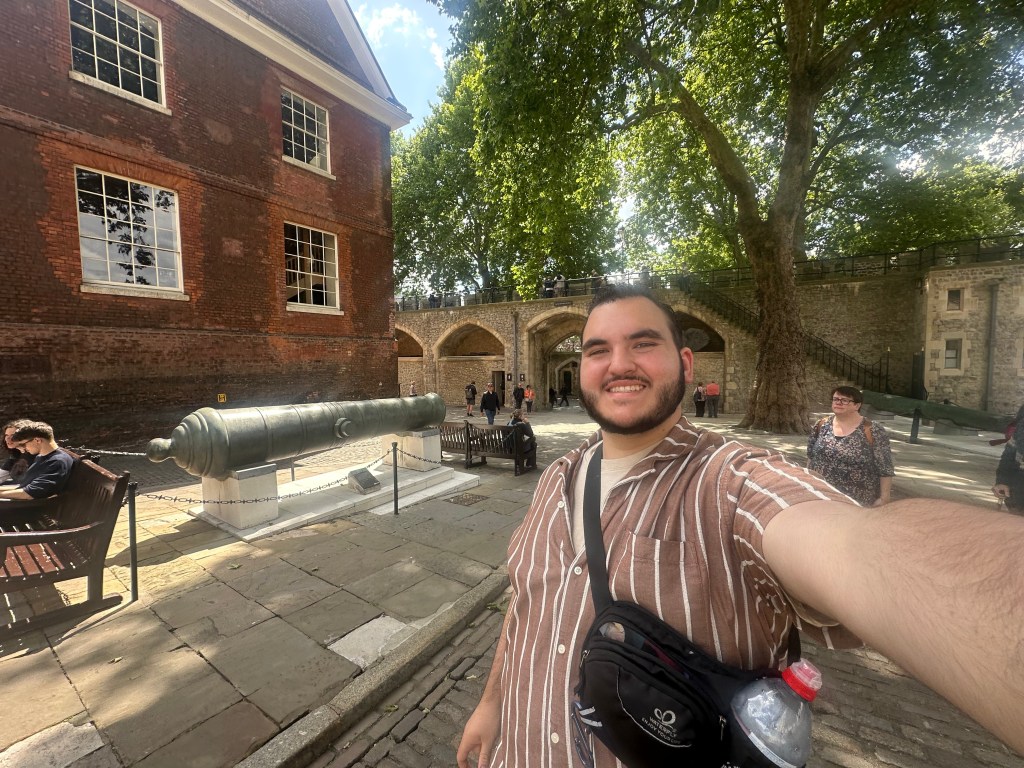
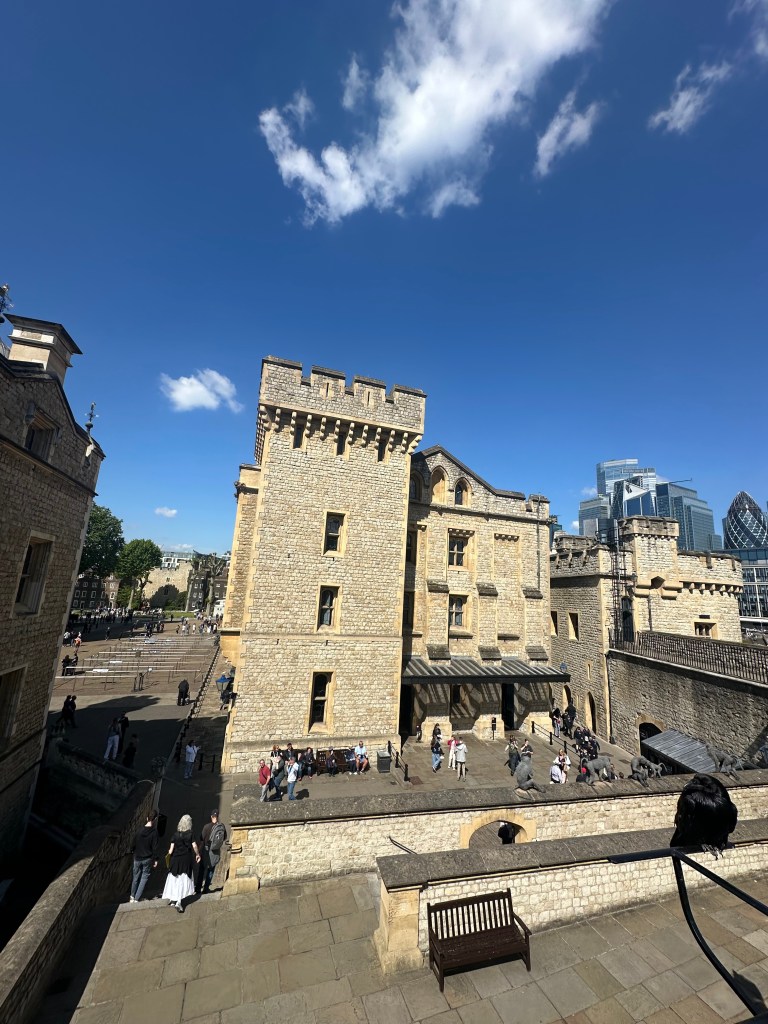
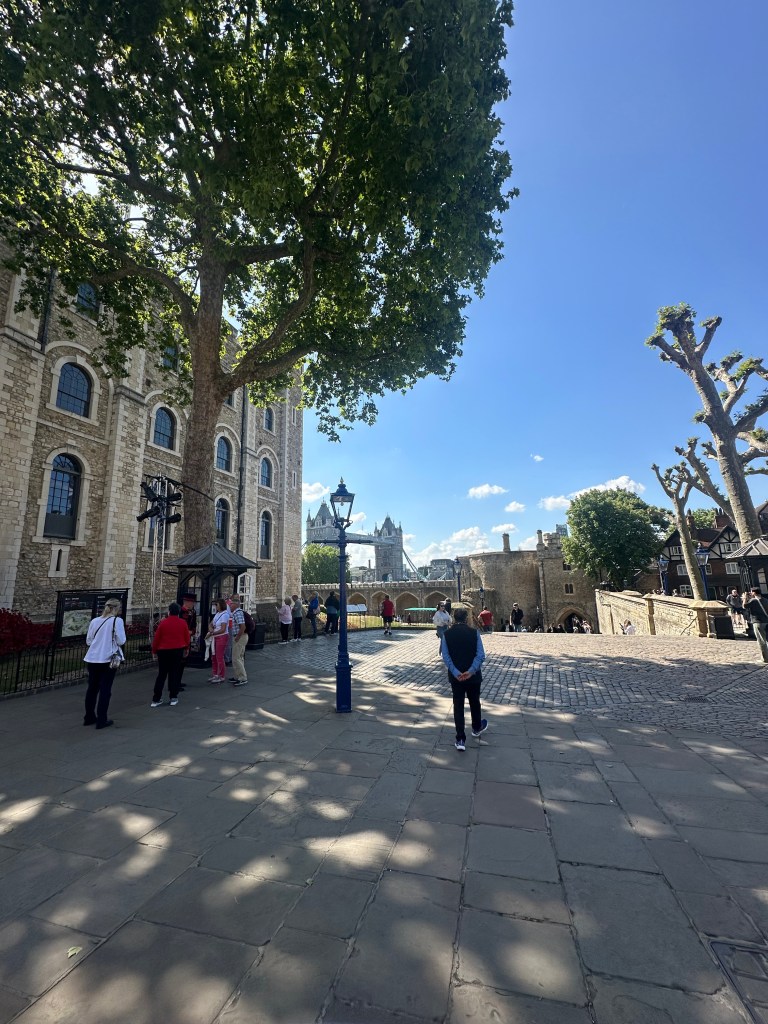
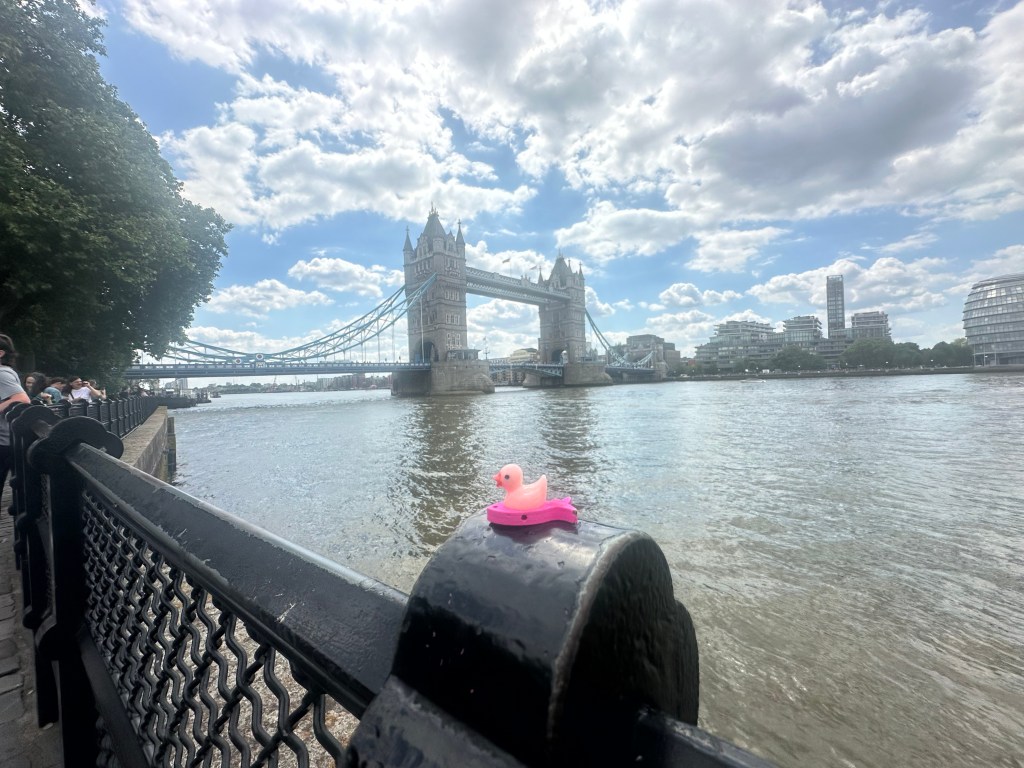
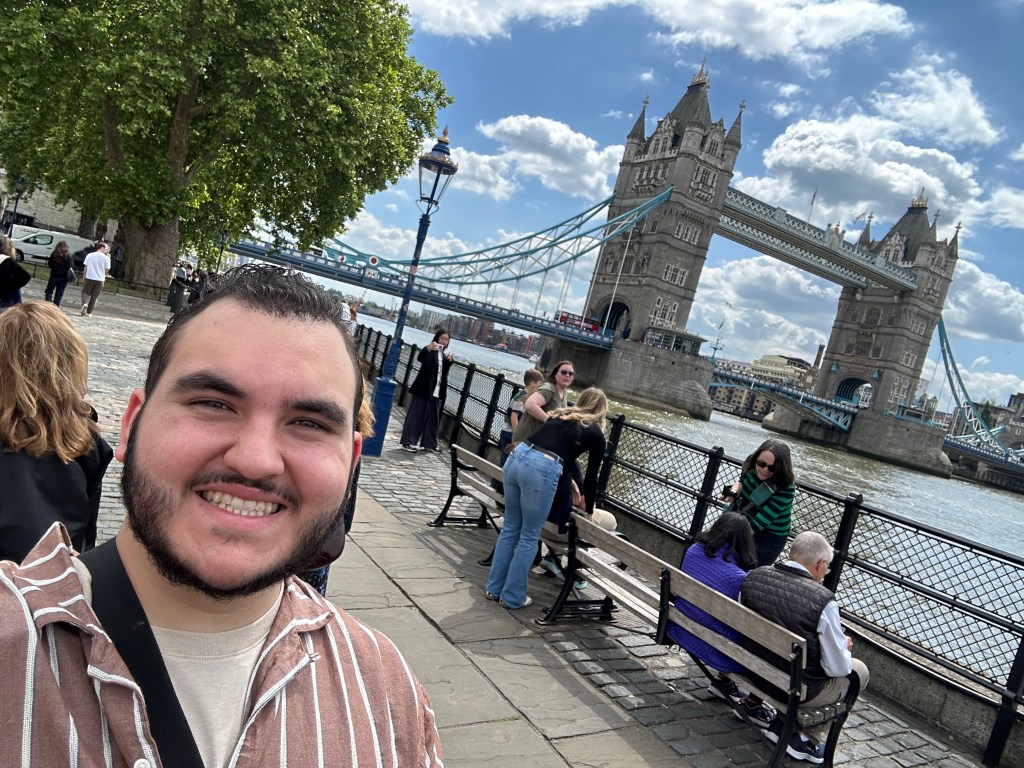
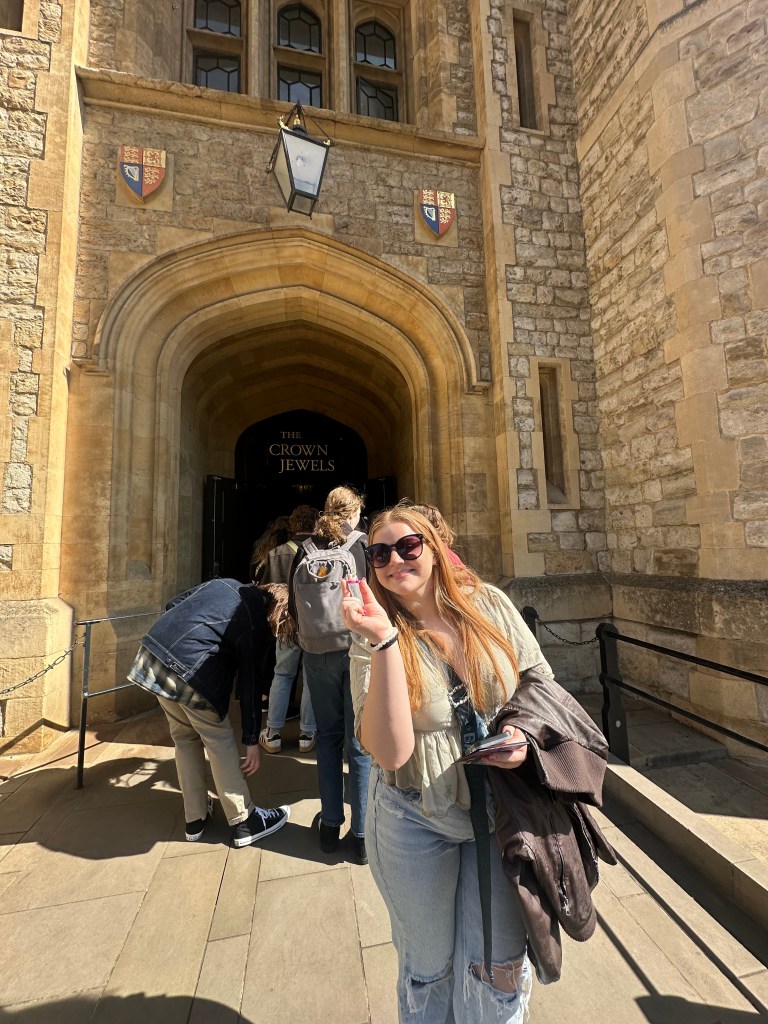
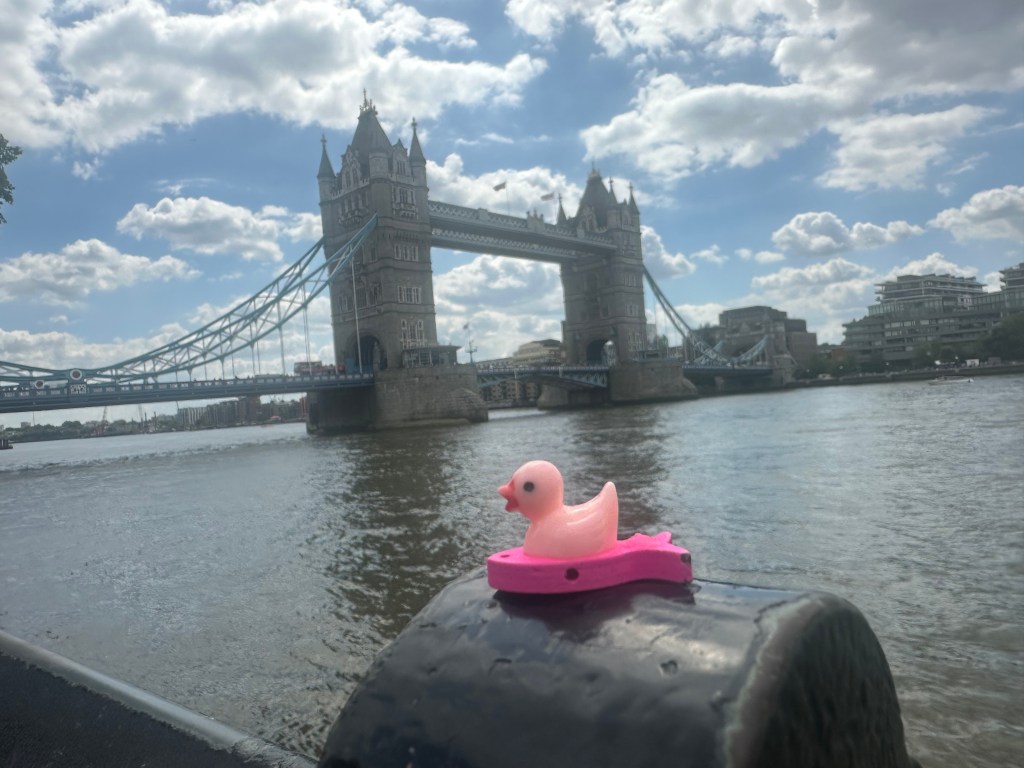
My silly jokes and all aside, our trip to the Tower of London taught me a lot about British history and allowed me to see some absolutely beautiful sights. Even just the view of the tower from afar was quite a sight to behold. The previous pictures show a large range of these sights. Many of these pictures show our view as we journeyed between specific sites. There are a few in specific I’d like to speak about, the first of which, our group gunned right towards as to beat the crowds: The Crown Jewels.
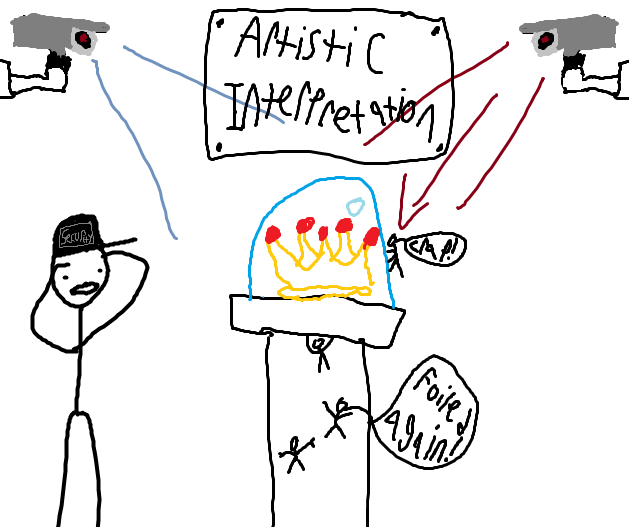
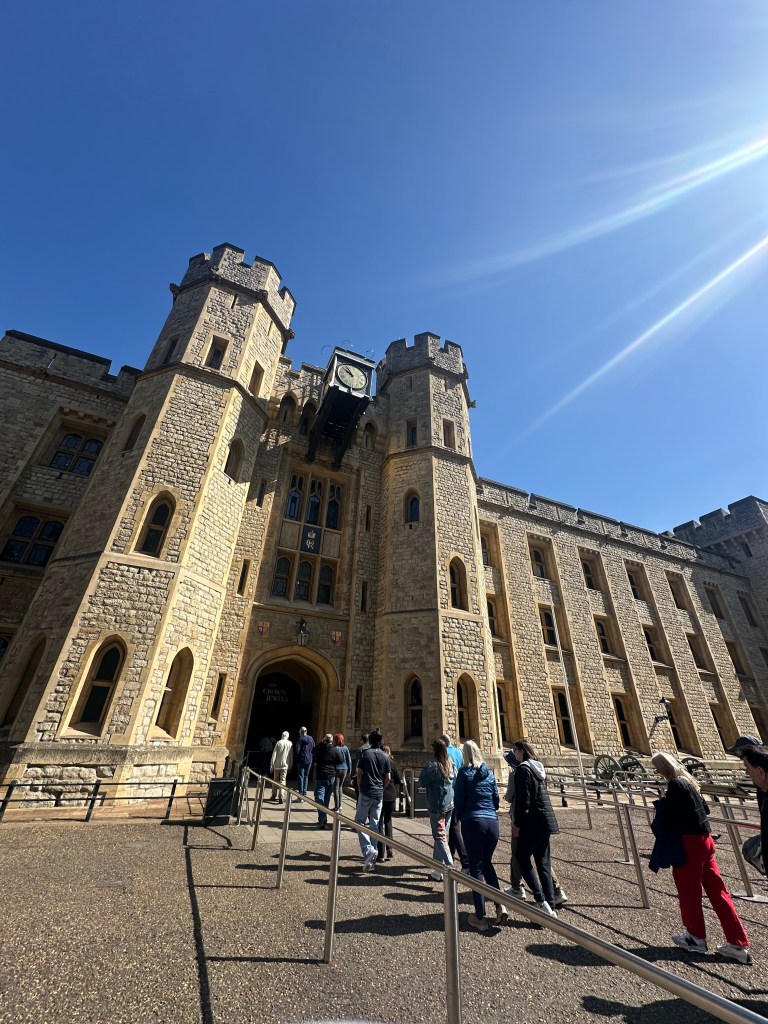

As this artist’s interpretation shows, these artifacts were quite well protected. So well protected that I was unable to get any pictures of them. The other two pictures are the entrance and exit of the room to give a bit of context. The actual items within the room ranged from being the actual crowns of English rulers to their ceremonial swords and maces. There were also outfits and artifacts used in the coronation ceremonies of these historic royalty. My favorite items were certainly the swords; however, I also quite enjoyed all the crowns that were adorned in some bits of purple, including St Edward’s Crown and The Imperial State Crown among others. There was really a sort of magic to the room and to the fact that I got to see it all with my own eyes. Right outside of the Jewel House was the next spot on our journey: Martin Tower.
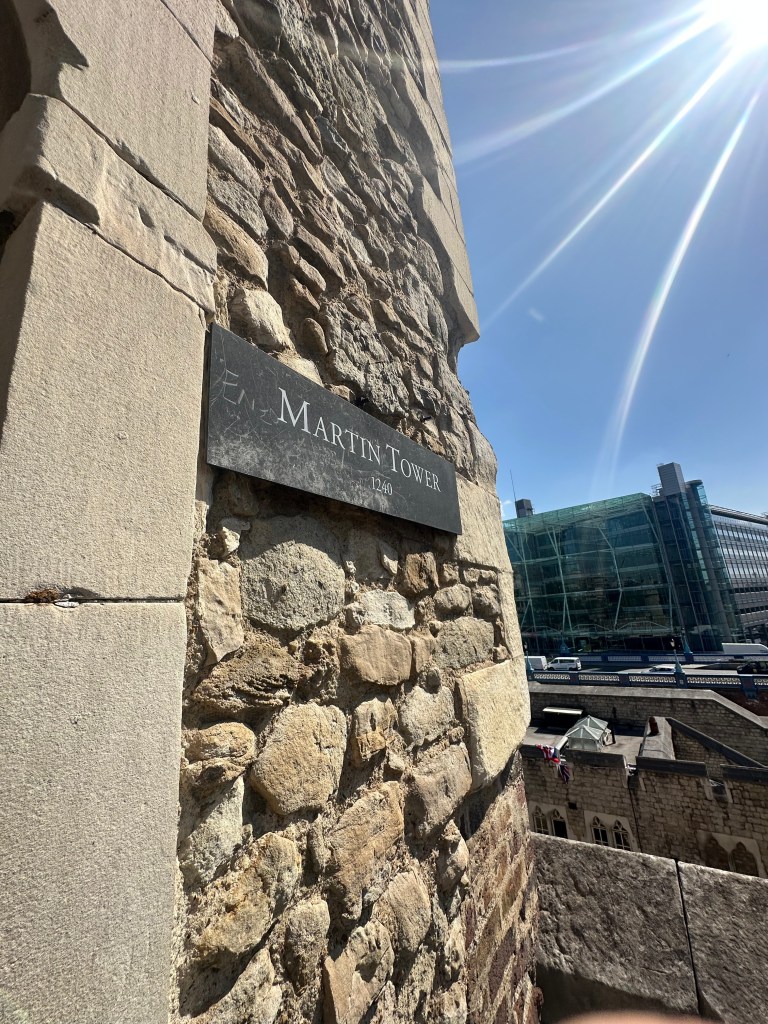
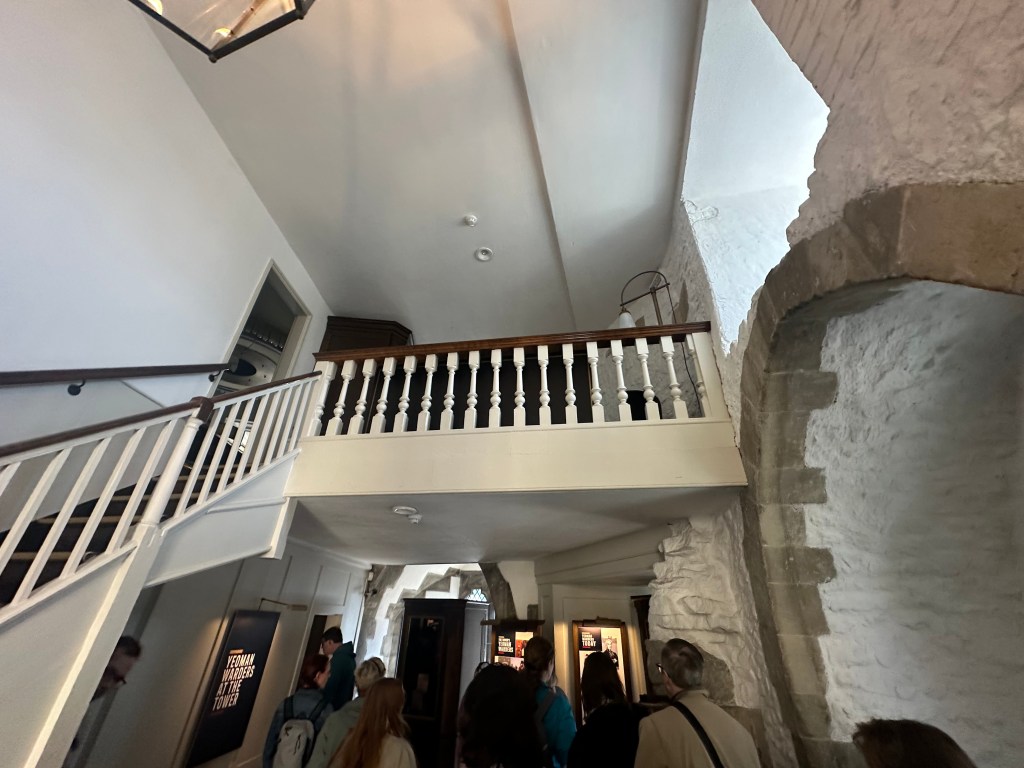
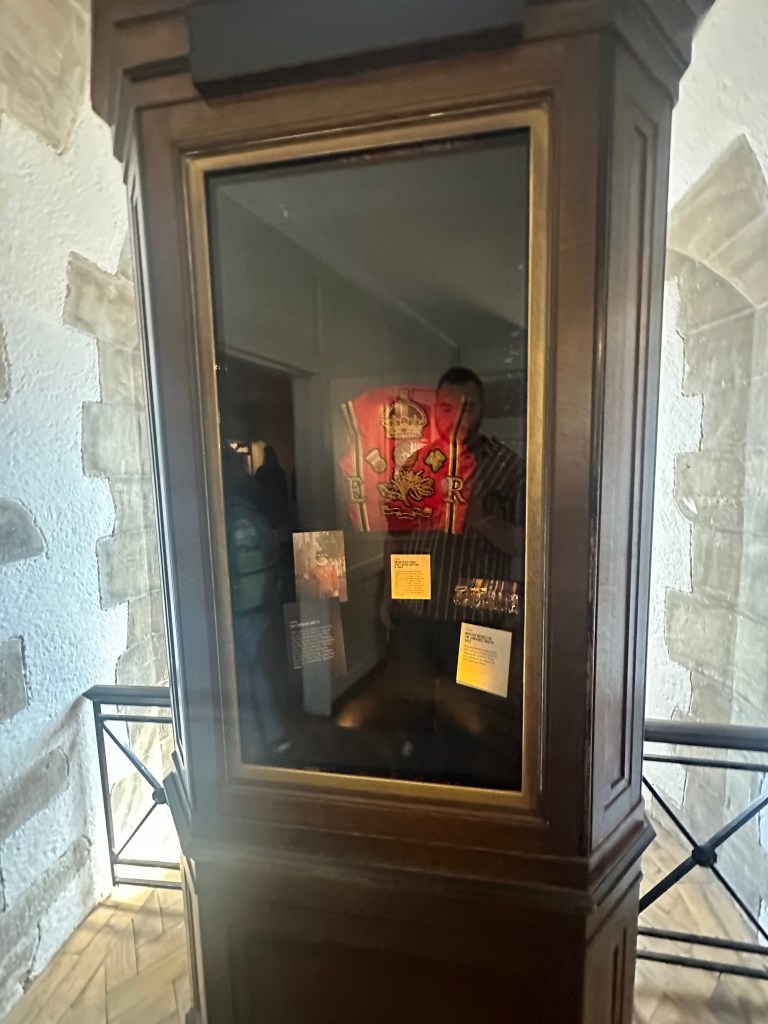
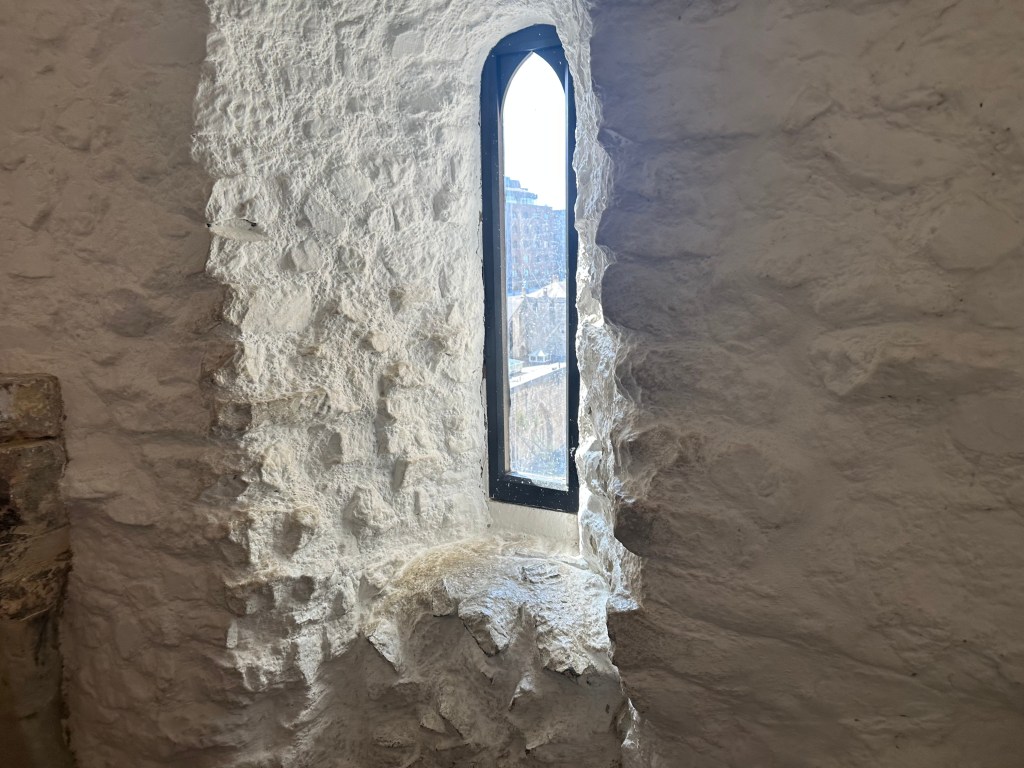
One of the other cool sections was Martin Tower. Being built to originally hold the crown jewels, the tower eventually ended up being used as a prison for centuries and now holds a lot of the history of the yeoman warders, guards of the Tower of London since the Tudor period.
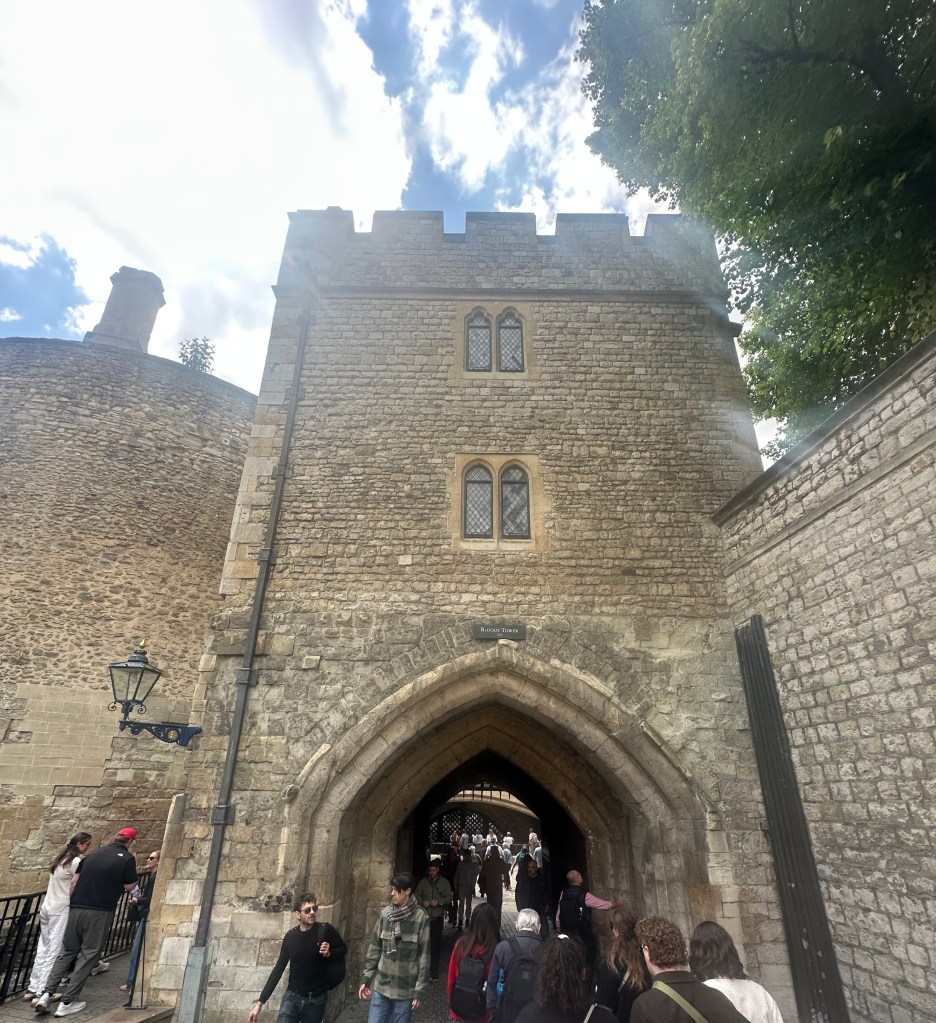

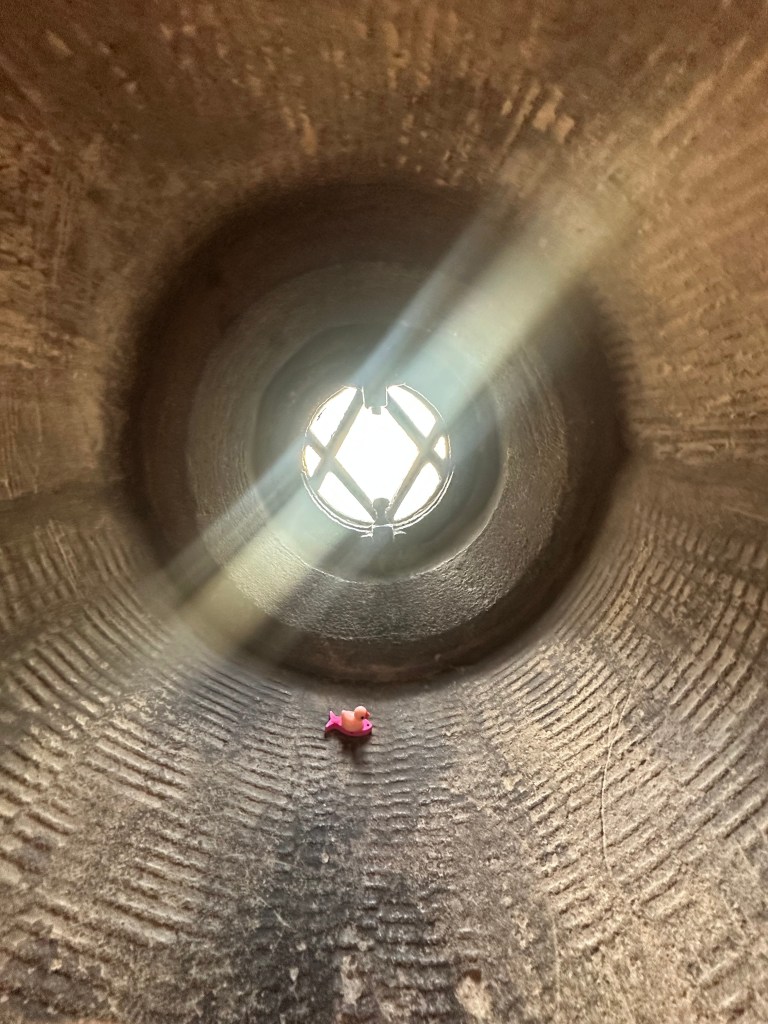
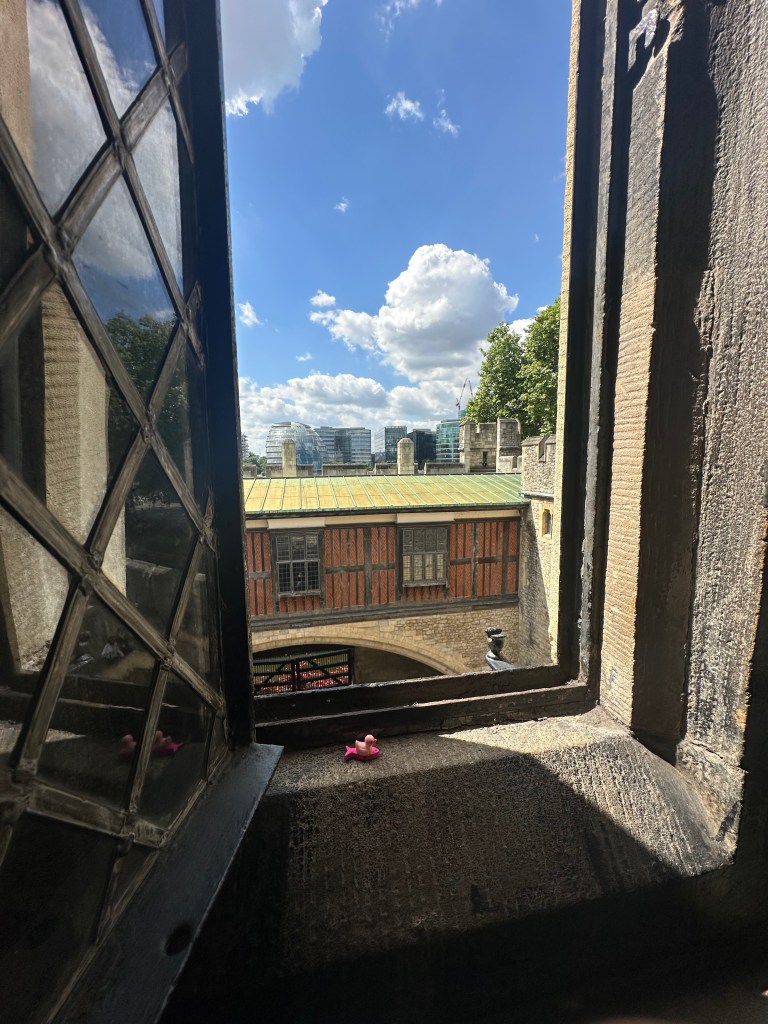
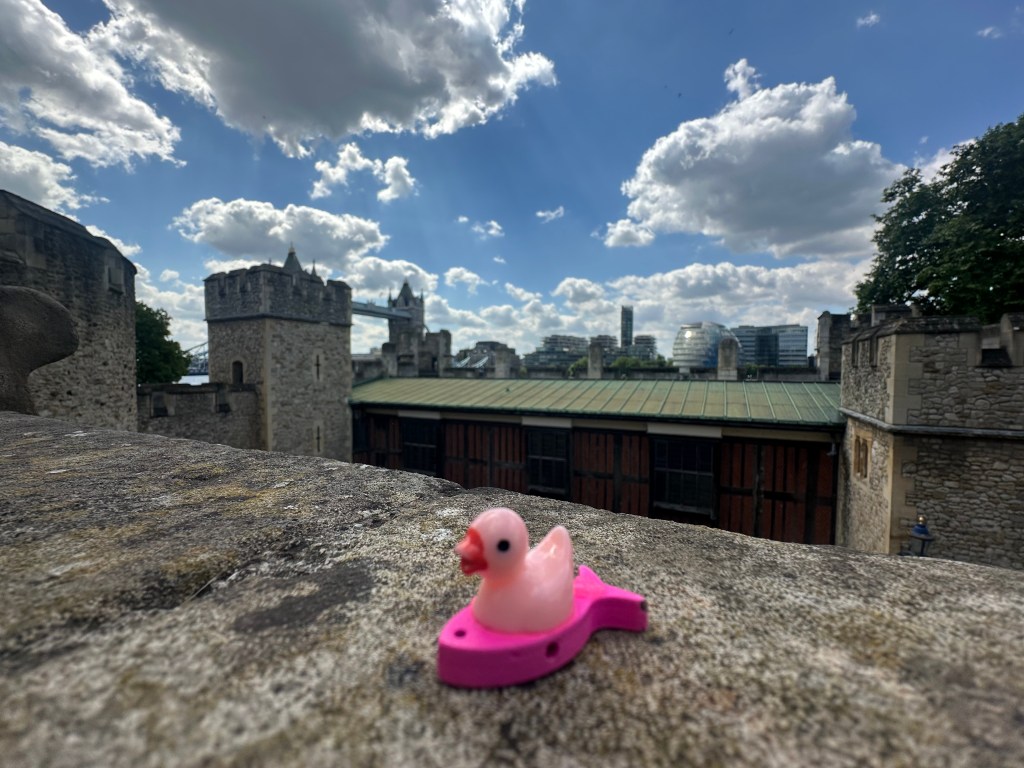
My favorite exhibit was the Bloody tower. I unfortunately did not get any pictures of the inside including the mechanisms of the portcullis below, Sir Walter Raleigh’s study, and the room (with a voice acted projection) of the two princes. What I have as a replacement are pictures of the exterior and the neighboring buildings as well as pictures of squirt sitting on various windows and one wall (he’s quite the model, I know). This building was my favorite largely for the history it has and the mystery surrounding it. Though the story of Sir Walter Raleigh is very interesting, my interest is largely on the two princes. These princes, under the care of their uncle, were placed in the “garden tower” for their “safety.” Over their summer stay, their uncle was named King Richard III while the children “went missing.” 200 years later, 2 skeletons, seemingly belonging to children, were found under the tower. Because of their stay in the garden tower, the princes and their possible (or proboble depending how you look at it) murder saw the garden tower renamed to the Bloody Tower. This story was told through black and white projection on the walls of the princes room at the tower. It had a child voice actor narrating it. That room and projection alone is the reason it was my favorite. An interesting tid bit we were told just outside the tower (right after I took the picture of the houses nearby) is that one of the steps in the narrow spiral staircase is intentionally taller than the others as help trip up (literally) attackers who had never been in the Bloody Tower. Because of this warning, it didn’t quite catch us!
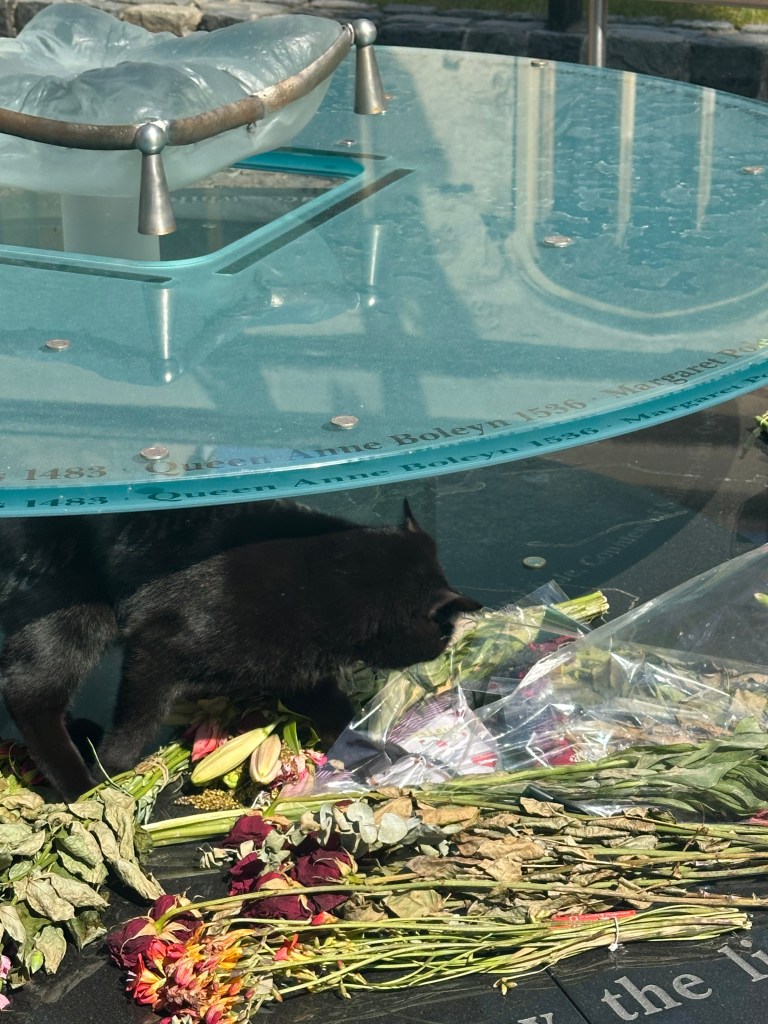
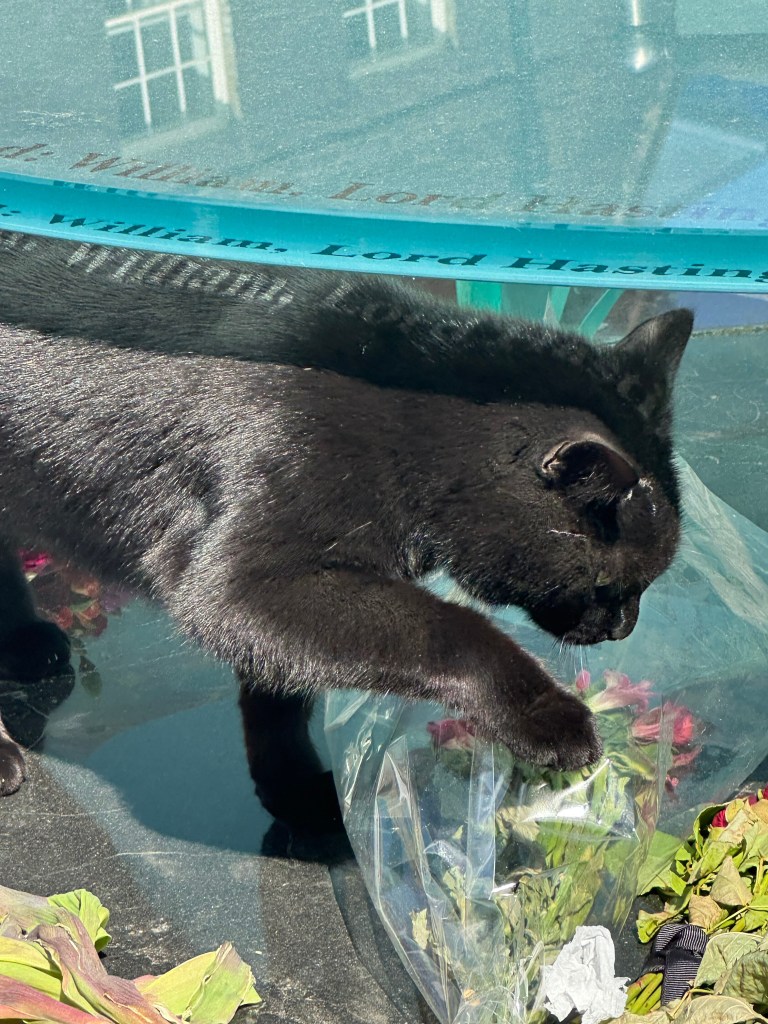
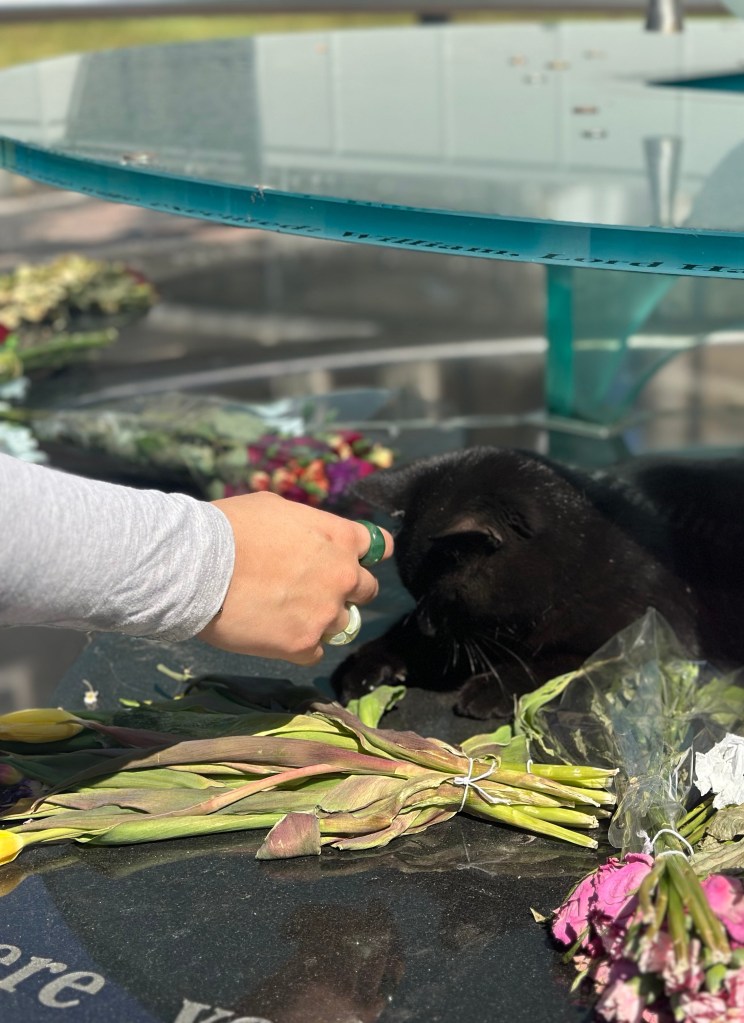
A lot of famous (and infamous) people have been imprisoned and/or executed at the tower. Anne Boleyn’s short stay and execution is a particularly famous one – the site of which had a feline intruder on the day of our visit. A quick search online finds that this cat is named Nyxie and is an official resident of the tower with her own Instagram account!
Right beside the site of Anne Boleyn’s execution (and Nyxie) is the main site of many of the Tower of London’s imprisonments: Beauchamp Tower
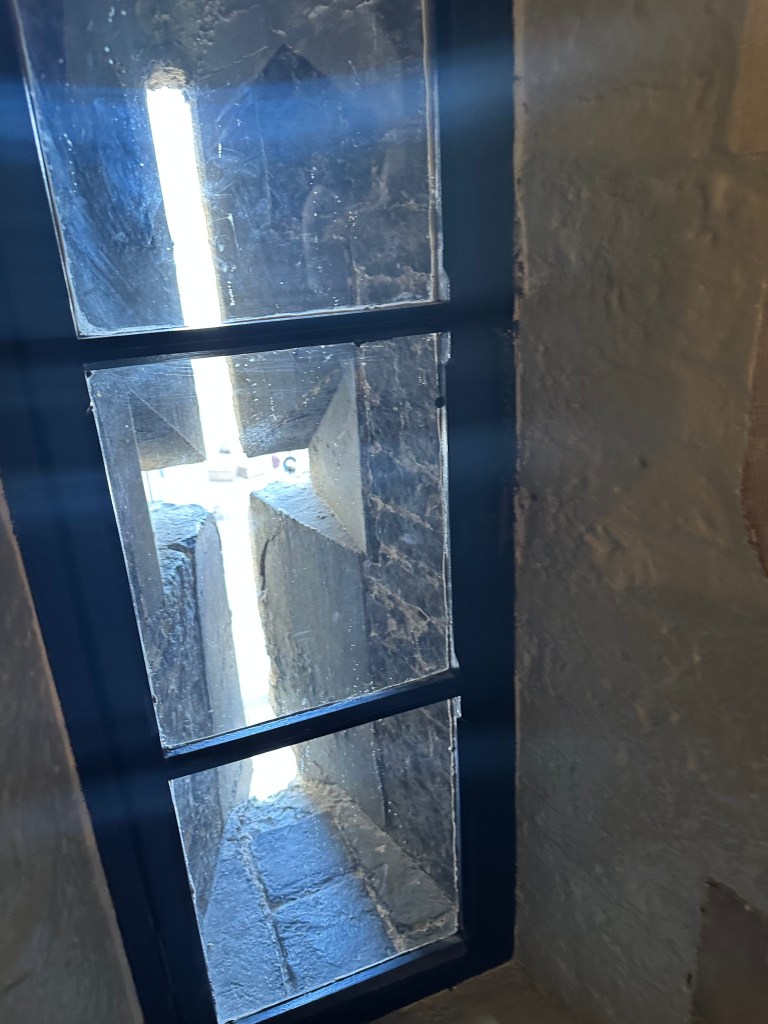
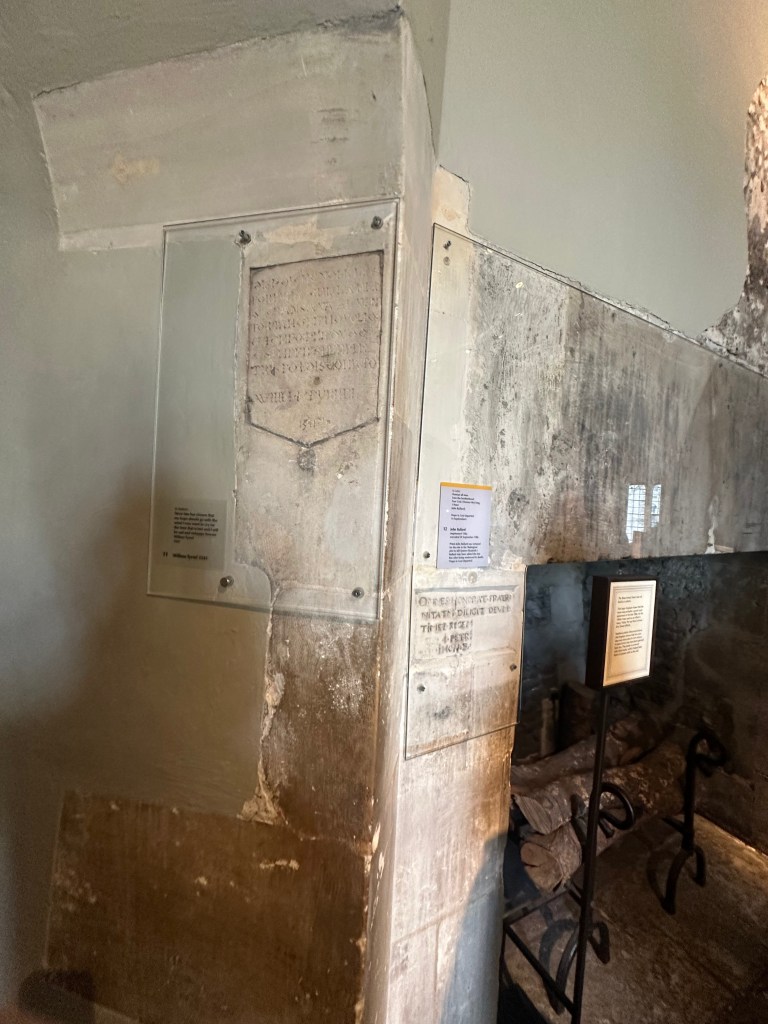

As said, this building is where many of the tower’s prisoners stayed. We see more examples of defensive architecture with the arrow slits (allowing archers to shoot out without projectiles getting in). The second picture show a section of carvings one of the many prisoners did on the walls of the tower. These carvings ranged from prayers to just leaving behind a sign of ones existence. Just like the carvings, these prisoners’ different stays varied greatly. One of the prisoners got some particularly good treatment while he was there.

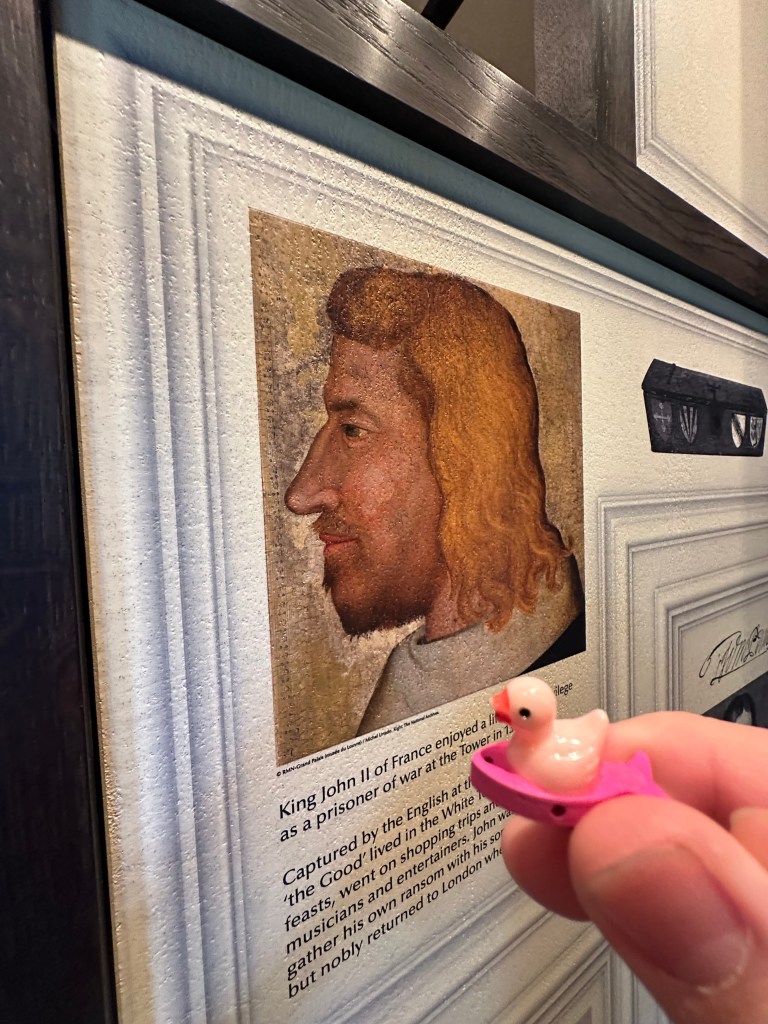
As is written below this beautiful portrait, King John II of France is the title of one of the many persons at some point imprisoned in the tower. In accordance with the previously mentioned title, “John the Good” was in fact King of France for 14 years (1350-1364). During his reign, John (we’re on first name terms) and France suffered through a few especially tough periods. The Black Death killed a large percentage of France’s population, The Jacquerie revolt ravaged the nation (Revolution! In France! This can’t be!), and conflicts with the English led to France losing the Battle of Poitiers. As a result of this loss, John found himself captured and eventually imprisoned in the Tower of London.
John’s stay in the tower was considerably more pleasant than many others. I mean, he was a king, so I suppose that afforded him certain privileges. These included (as the painting’s label states) his ability to hold feasts, go on shopping trips, and have “servants, musicians, and entertainers.” I’m sure the tower’s other inhabitants were kicking themselves for not also becoming royalty of a large European nation before being imprisoned. But eh, what can you do. John was released for a large ransom and a trade of several hostages (including one of John’s sons, Louis). John returned to France, made a new currency, and ruled for a few years. However, after being told of his son’s escape (thereby breaking the deal of John’s release/ransom), John decided to return to captivity as a sign of honor. Unfortunately, within 3 months of arriving, he fell ill and died of some unknown disease.
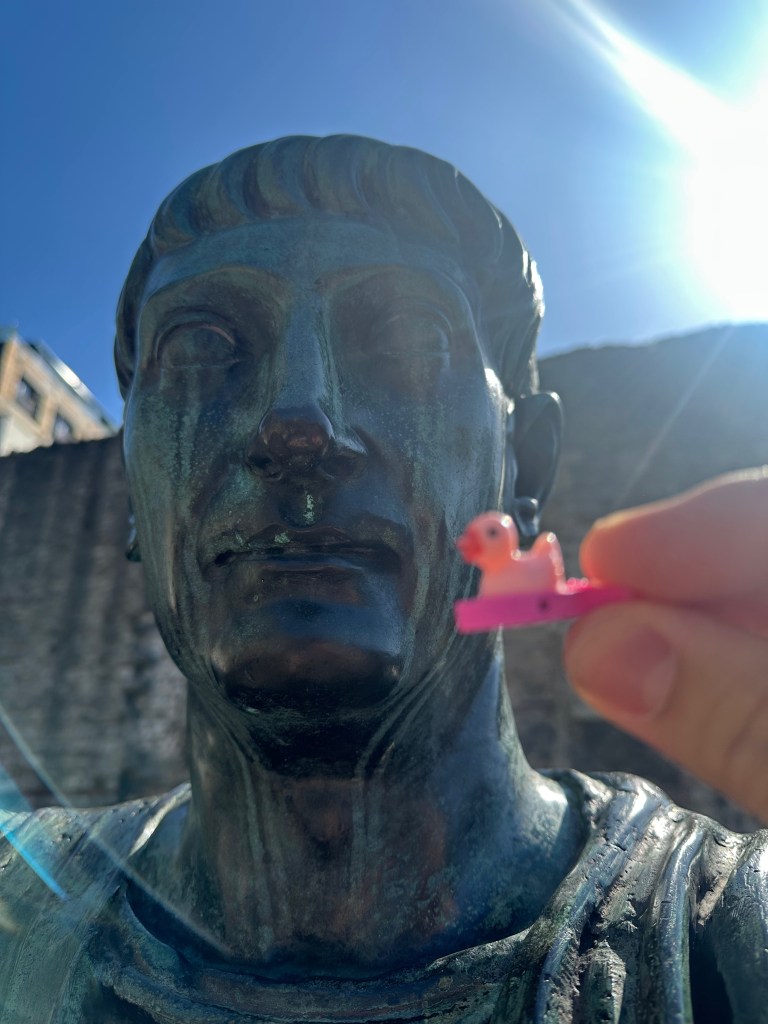
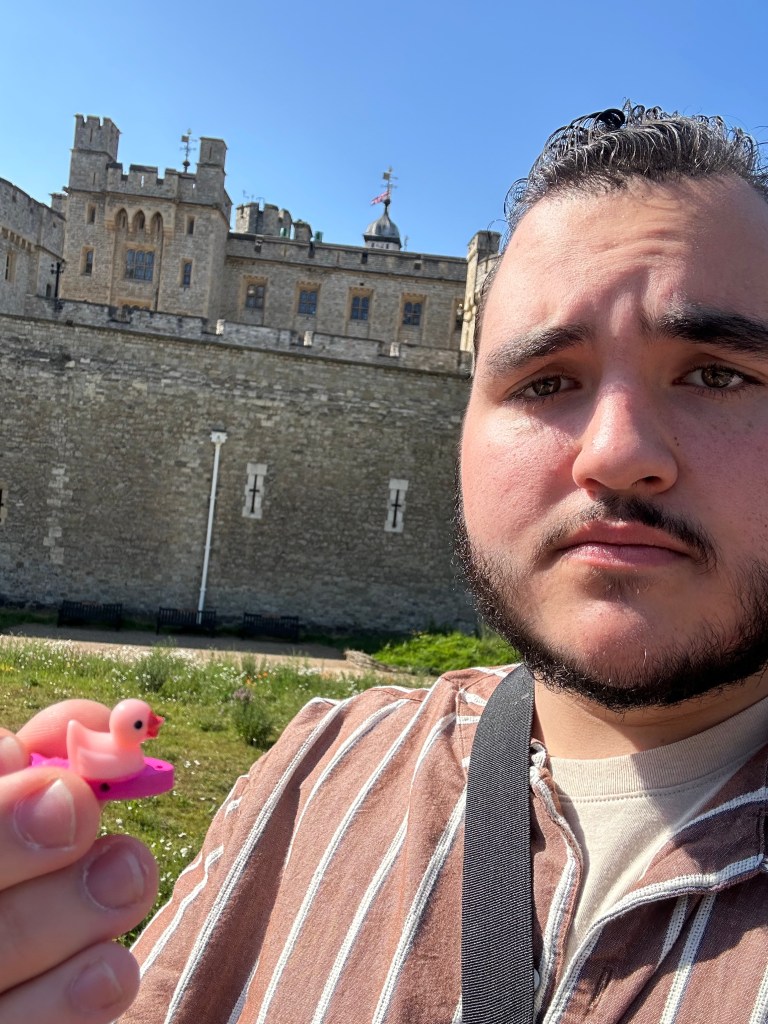
Squirt and I had quite a fun time at the Tower of London! Although the history learned was at times quite dark, it was all so interesting and fun to learn about. And oh my goodness were there some beautiful sights. Altogether, a great tour of one of the gems of London’s history!
 Theatre in London U of A