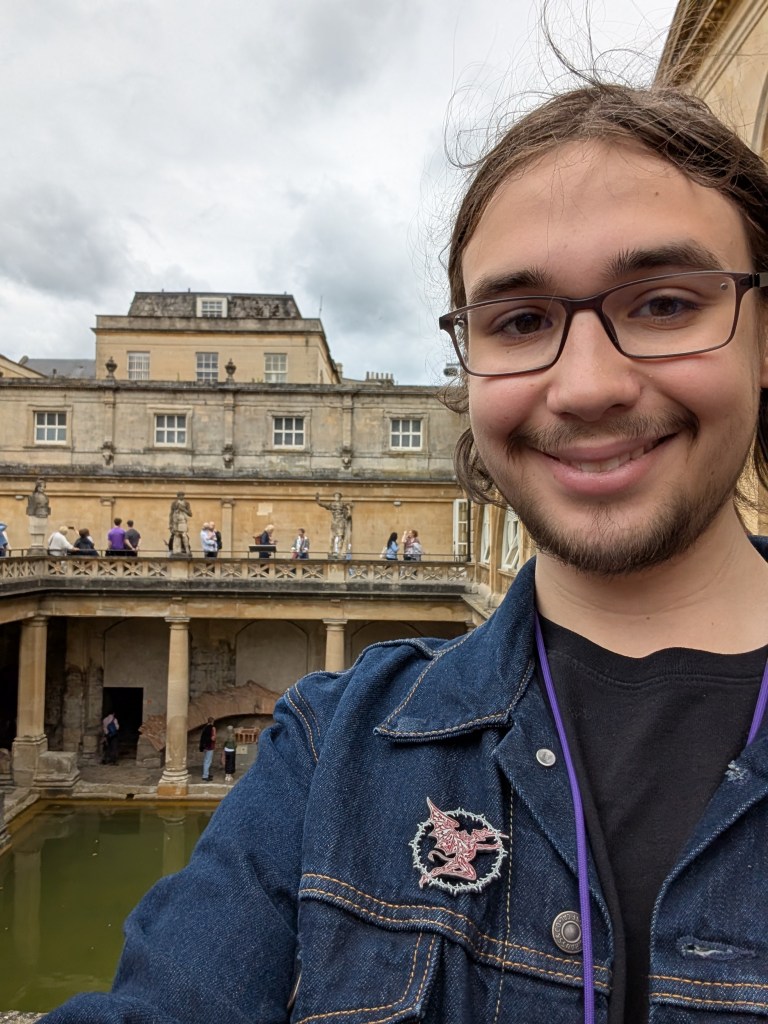
Visiting the city of Bath was an interesting experience. The city itself was an interesting contrast to London. It was quieter, more open, less rushed. It was to have a break from the fast pace and slow down a bit. I can attribute part of that novelty to the fact that I did not have time to grow accustomed to Bath like I have London, I was only there for less than a day, so it would be disingenuous of me to act like I know the city well, especially since it wasn’t the city itself that we were there for.
That is not entirely true though. We were there for the city, but not the modern one. Instead, we were there to visit the remains of the ancient Roman city of Aquae Sulis, which Bath was built on top of. It was an ancient spa town that people from all over the Roman empire would visit. Getting to walk through the remnants of this place was a truly marvelous experience for me. Through my classical studies I have become familiar with the fact that many towns across Europe are built upon Roman ruins, but to see it for myself was something special. While many of the buildings in London are old, the Roman baths dwarf them, dating back almost two-thousand years. I’ve seen so many buildings here older than the United States, and yet they are infant compared to the baths.
Inside the museum there were so many interesting objects. A variety of coins from different ages, tools, and even human skeletons. What caught my eye the most though, were the curse tablets. There was a collection of lead tablets that were offered to the goddess of the hot springs that asked for curses against an individual who had wronged someone. Many of them were for theft, as getting your belongings stolen while bathing wasn’t an uncommon occurrence. I find it fascinating that the only trace of some of these ancient humans is the fact that they committed an offense against another, and a question as to whether or not they faced retribution for it.
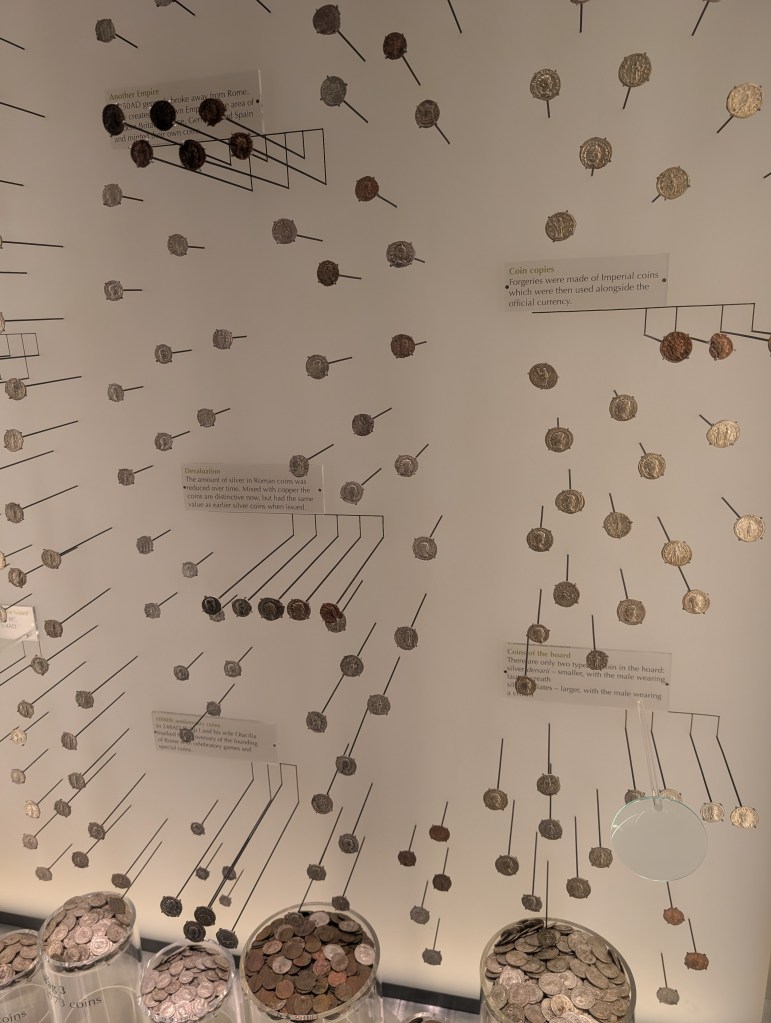
After spending a long time walking through the bathhouse, I reached the end and was offered an opportunity to drink the water that had long been used for healing purposes. One sip was enough for me to be thankful for modern medicine, as the taste and temperature was not pleasant. Luckily though, I would get a palate cleanser as later that afternoon we had afternoon tea at the Pump Room.
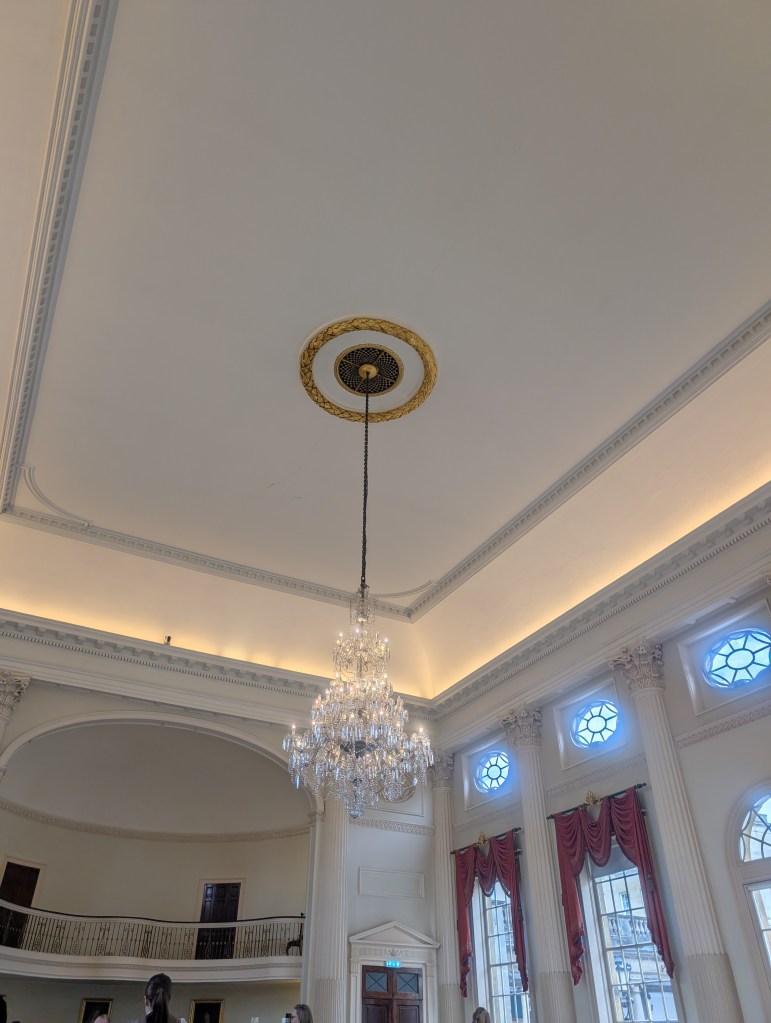
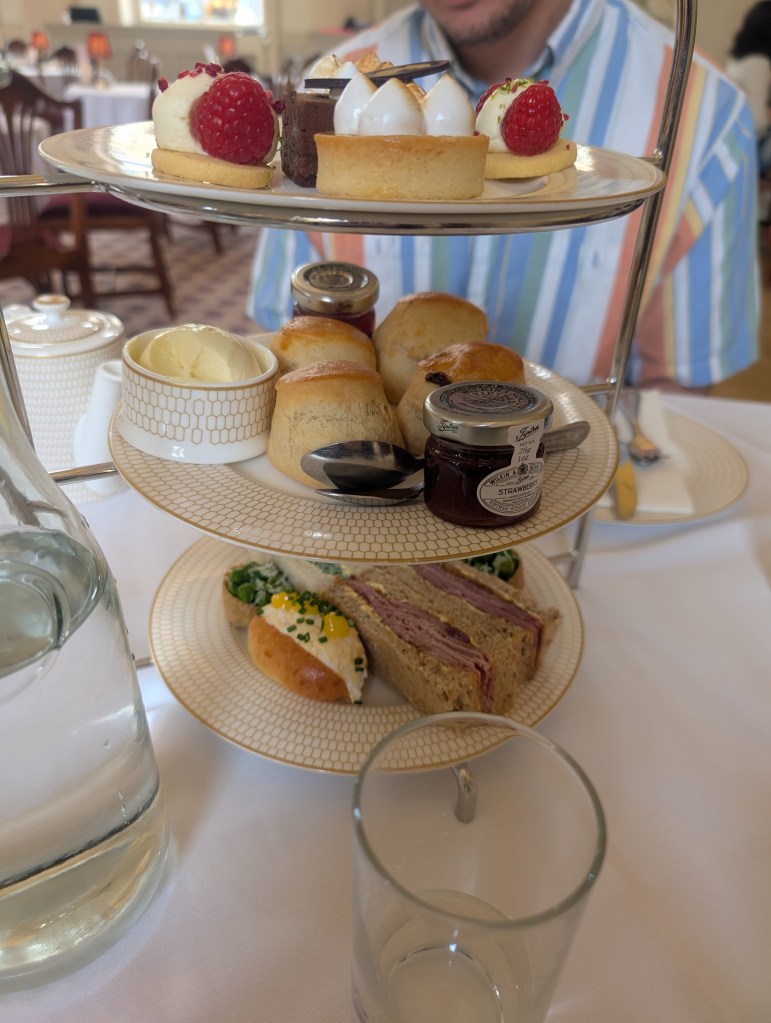
I felt rather underdressed wearing cargo pants and a denim jacket when I sat down at the same place visited by Jane Austen and Charles Dickens. The presence of a live orchestra, and more forks than I was used to, made me feel quite fancy. I ordered a rose tea and was given an hourglass to time the steeping process. The tea itself was wonderful, and so were the variety of scones and other treats that came with it.
After this we left Bath the same way we came, by train ride. It was so nice to be able to relax on the train afterwards, not having to drive or be stuck on a bus. I truly wish that rail travel was better back in the US, because I’m getting used to it here, and I’m definitely going to miss it.
-Jack Duncan
 Theatre in London U of A