One of the graves that intrigued me was the grave of David Livingstone. Livingstone was born in Blantyre, Scotland in 1813. He started working very early on (around 11 years old from what I recall) and developed what seems to be an appreciation of academics. I can often be a sucker for the “rags to riches” stories, despite the message of pulling yourself up by your bootstraps to be a rather unrealistic one. Especially in current times. However, I still find myself drawn to people with backgrounds like that, and David Livingstone’s story is no different. While he started out poor, the man became a doctor and an explorer. From what I’ve gathered, most of his exploration happened in Africa, where he became an abolitionist after witnessing the horrific reality of the African slave trade. He was married in Africa and died in Africa. His body was transported to Westminster Abbey, but his heart was buried under a tree in Africa, which I found to be fascinating.
Another that caught my attention was the grave of Isaac Newton. Newton was born on Christmas day in 1642 with no father (the man died before his birth). His mother, however, married again when he was three and left him to be cared for by his grandmother. Newton grew up to become a key figure in the Scientific Revolution, and is most commonly known for formulating the laws of motion and universal gravitation. The man himself intrigued me, but I also simply liked the sculptures.
Lastly, I was interested in Charles Dickens. Dickens was born in Portsmouth and left school at 12 years old to work in a boot-blacking factory. After three years he returned to school, then later began his career as a journalist. His success began with the publication of The Pickwick Papers, and continued on with his novellas. Dickens’ installment format of his stories not only allowed him to gauge audience reaction to adjust stories and maintain success, but the cliffhangers left readers (and listeners, for the illiterate poor people) in suspense, and inspired a new generation of readers.
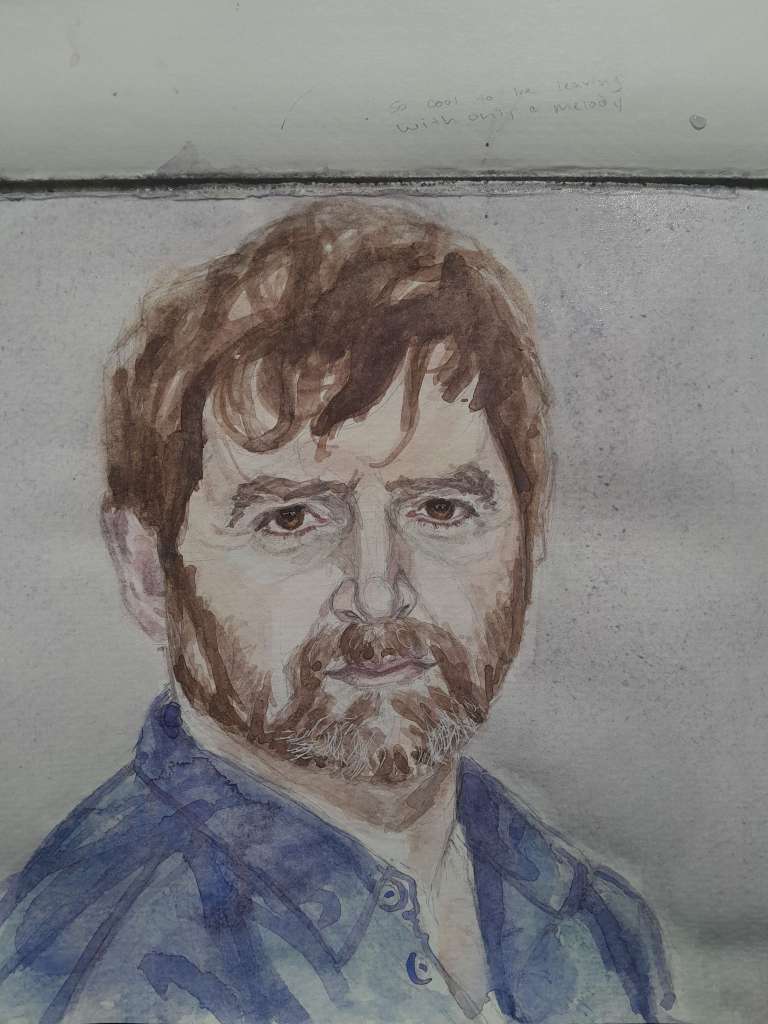
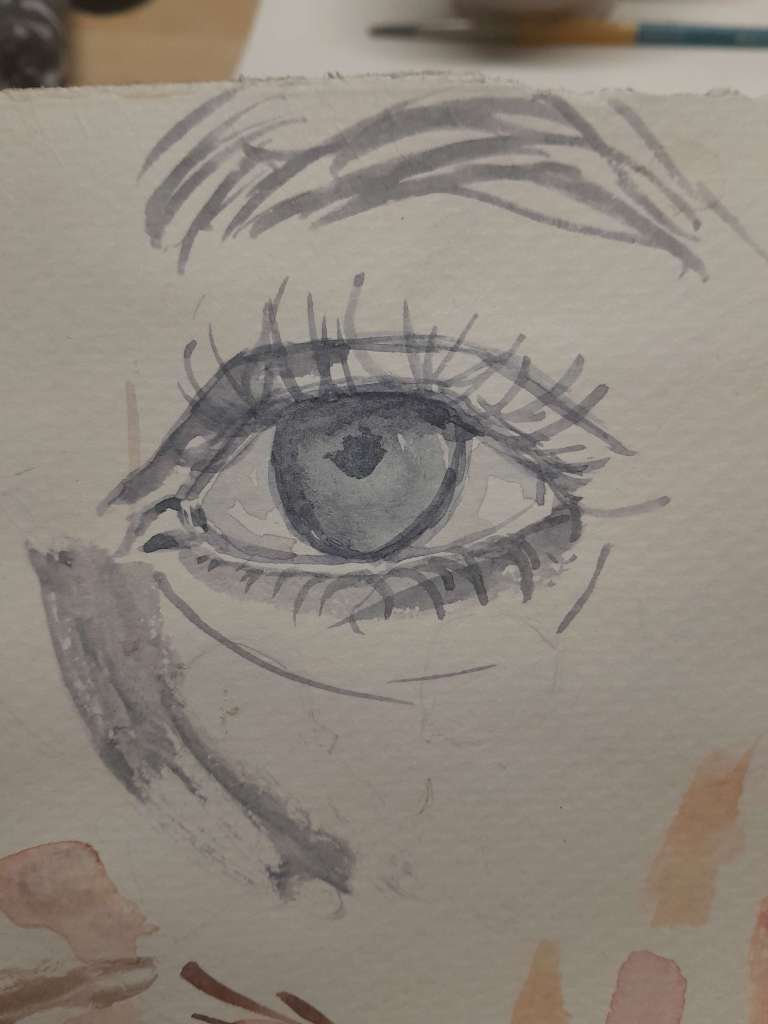
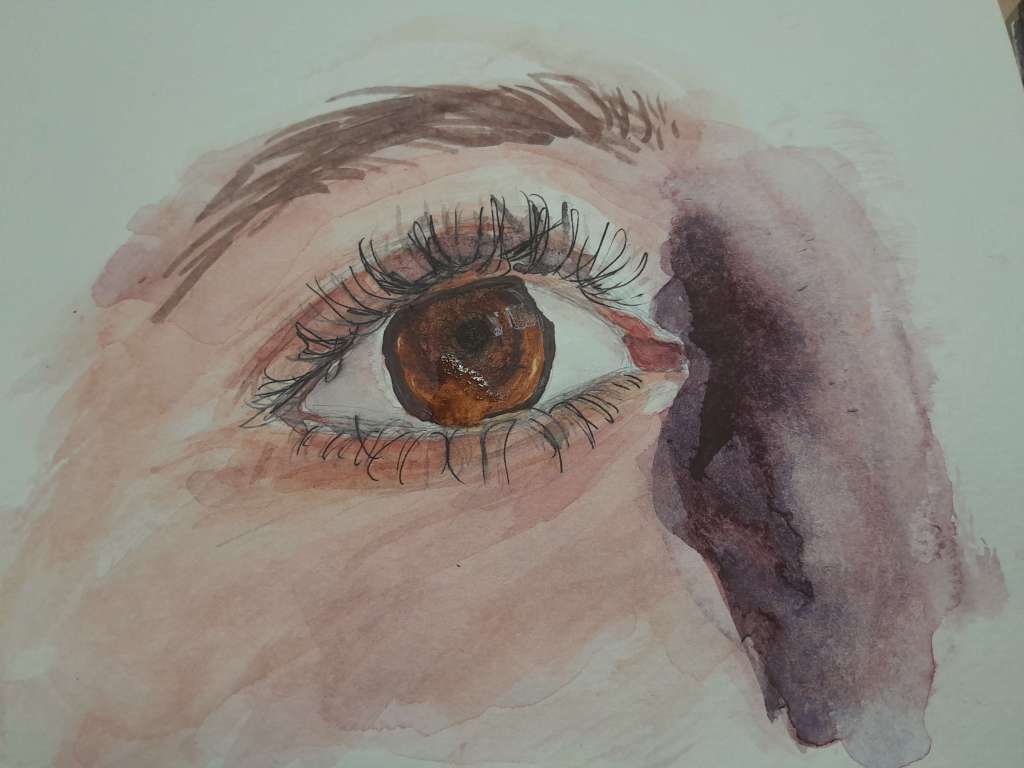
Okay, art: I’m still not very skilled in painting skin tones, so I practiced with a portrait of John Lightbody, the actor who played Friar Laurence in the production of Romeo and Juliet we saw. I tried to incorporate more color and be braver in my choices, but he still wound up a little too flat for my taste. I also played around with painting eyes, more to pass the time than anything.
That’s it. Peace!
 Theatre in London U of A