Bath was a lovely reprieve from the hustle and bustle of the city of London! I was feeling a bit under the weather but was determined to not let that stop me from having a good time. Our first stop were the ancient Roman Baths around which the city was built. I’ll give you one guess to figure out why the city is named Bath! This sprawling structure was built around a natural hot spring making it an obvious choice for people to settle in dating all the way back to ancient Celtic peoples. In the museum you can even drink from the springs! The water was very warm and tasted a little funky, but it was amazing to think that people thousands of years ago were drinking water from the same source. At this spring they worshipped a goddess named Sulis, who they connected both to the natural spring and the sun. Then, the Romans came.
As the Romans were wont to do, they quickly overtook the settlement which they turned into a town called Aquae Sulis. This is when the Roman Baths that we got to see were built – around 60 or 70 CE. The baths were more than just a place to bathe; they also held a temple to the goddess Sulis Minerva who was a combination of the aforementioned Sulis and the Roman goddess Minerva. The artifact that pulled me in the most was this temple pediment.
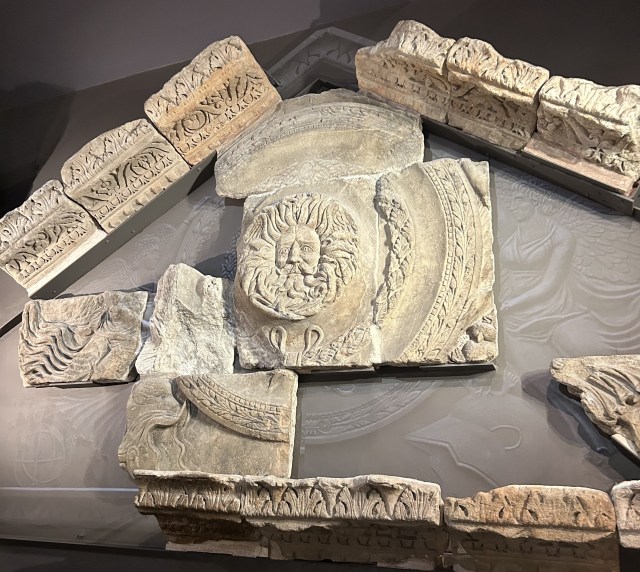
As you can see, not all of the pediment has survived, but some wonderful artists have completed a rendition of what it probably would have looked like that was projected over the missing areas (theatre is everywhere!). The pediment itself tells the story of Rome’s overtaking of Aquae Sulis. On either side there is a winged Victory, which is convincing evidence of some sort of battle or conflict in which the Romans came out on top. Getting closer towards the center, there are wreaths of oak leaves that evoke similar wreaths that were presented to victorious commanders in ancient Rome. Finally, in the center there is the face of a man with hair spread out all around himself, almost as if he was partially submerged. Upon closer look, the hair is not, in fact, all hair. There are snakes woven in, which leads scholars to believe this is a gorgon. Gorgons were deeply associated with the goddess Minerva (in Greek mythology, Athena) who both created the gorgons – most famously Medusa – and had Perseus seek vengeance against them – again, most famously Medusa. This is the final nail in the coffin to prove that Romans had taken control of Aquae Sulis. An unarguable symbol of their goddess was now at the entrance to the baths.
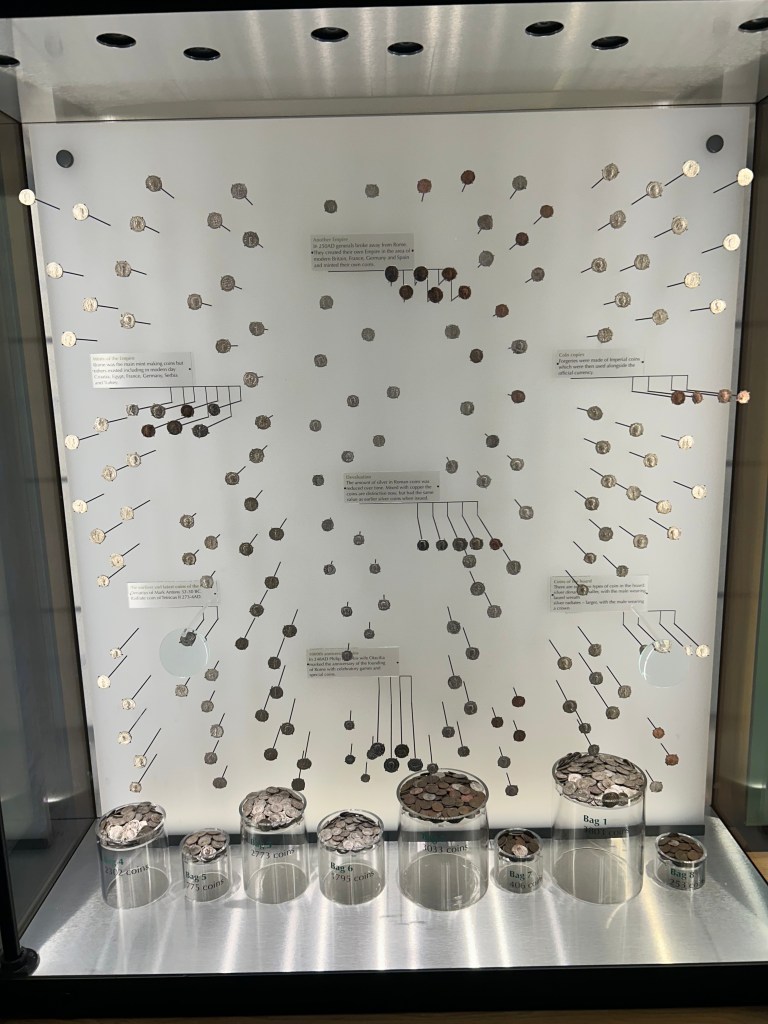
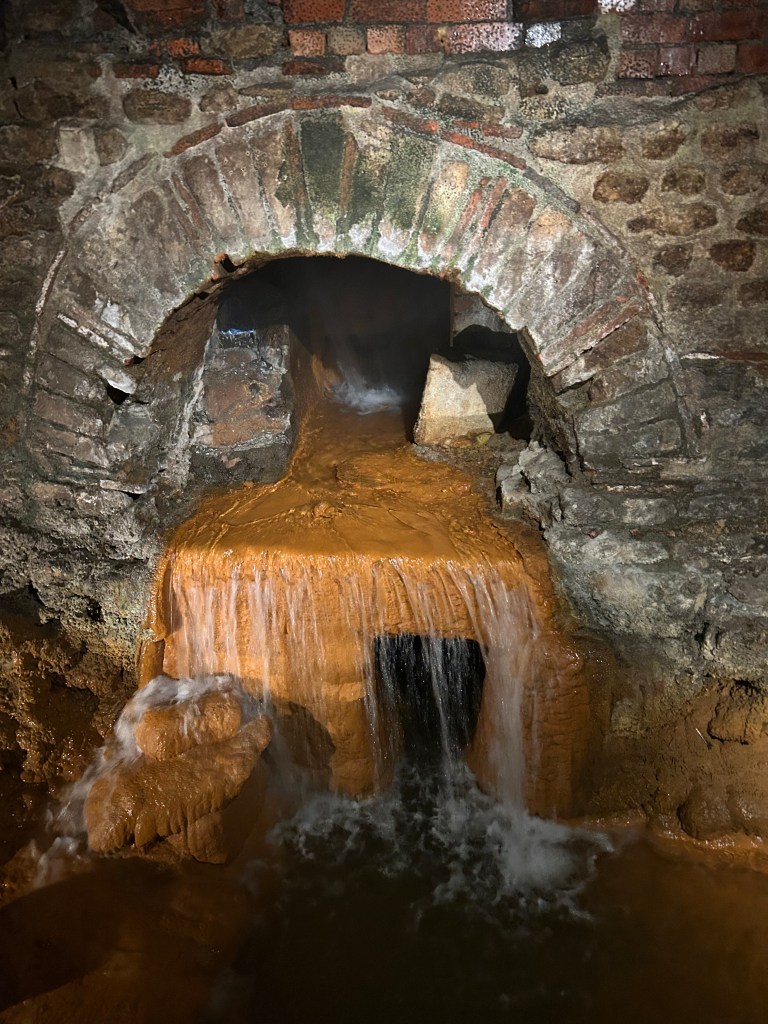
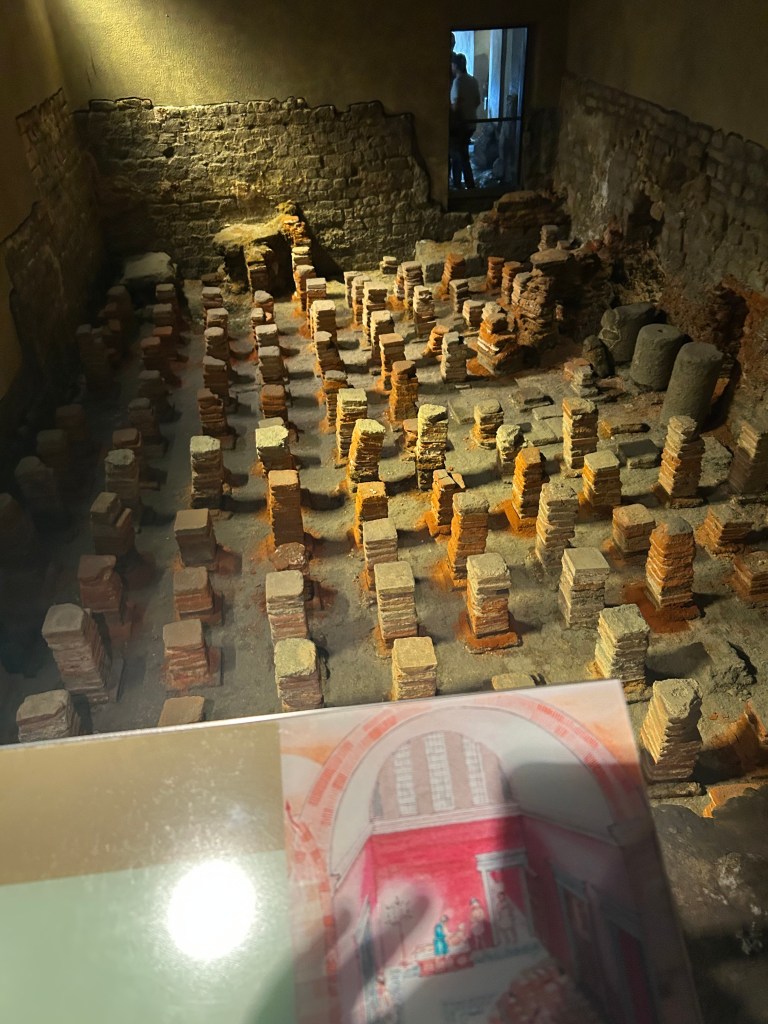
The rest of the baths were incredibly cool! I loved seeing all of the coins they had fished out, the ways that they had set up the plumbing for overflow water, and these stacks of stones upon which tile floors were once laid.
After the baths I had a slow afternoon. As I said earlier, I wasn’t feeling the best, so I spent some time in a park and some time in a pub. It was lovely and calm, something we haven’t experienced too much of since arriving in London (I’m definitely not complaining, though!!).
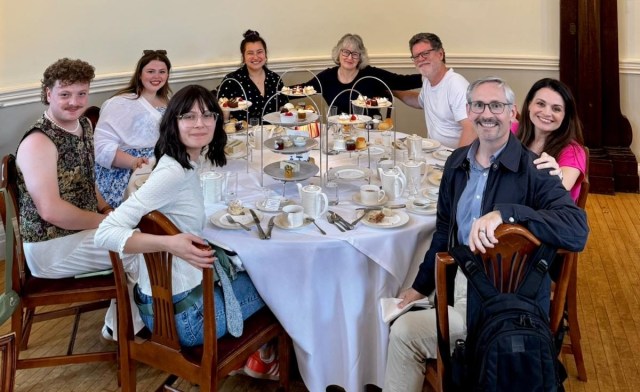
To finish off our trip we had afternoon tea in the Pump Room back at the baths. It was so fun and I felt so proper! My cotillion training definitely kicked back in, and I kept having to remind myself to keep my hands and elbows off the table. All in all, a very successful day trip!
 Theatre in London U of A