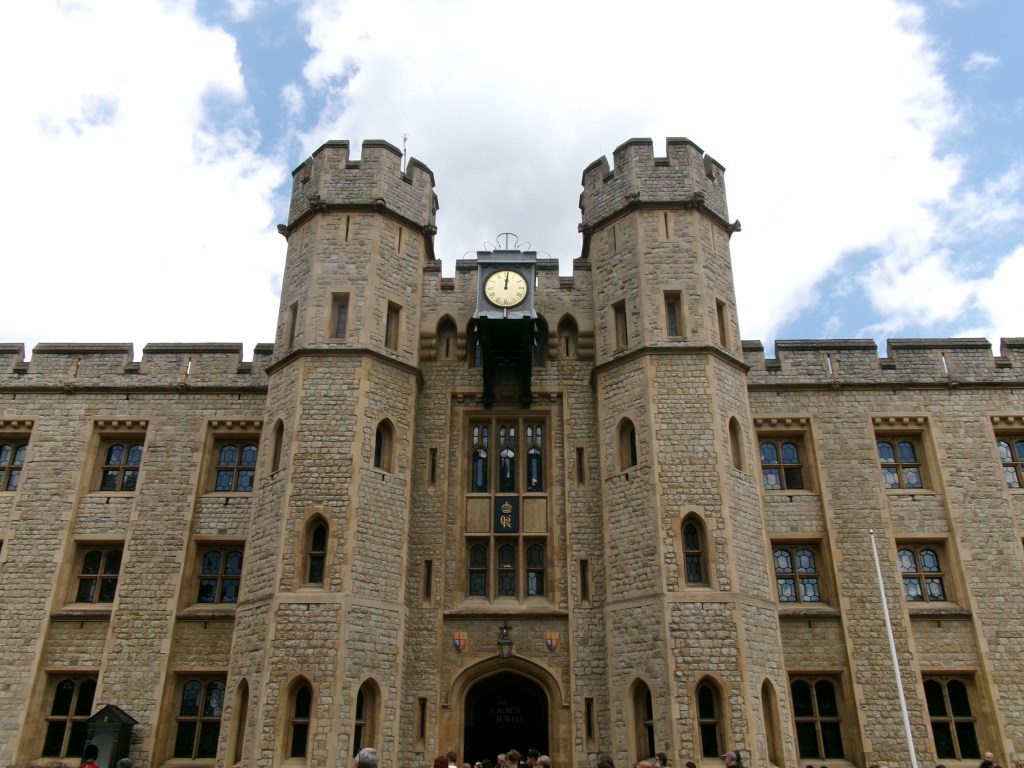
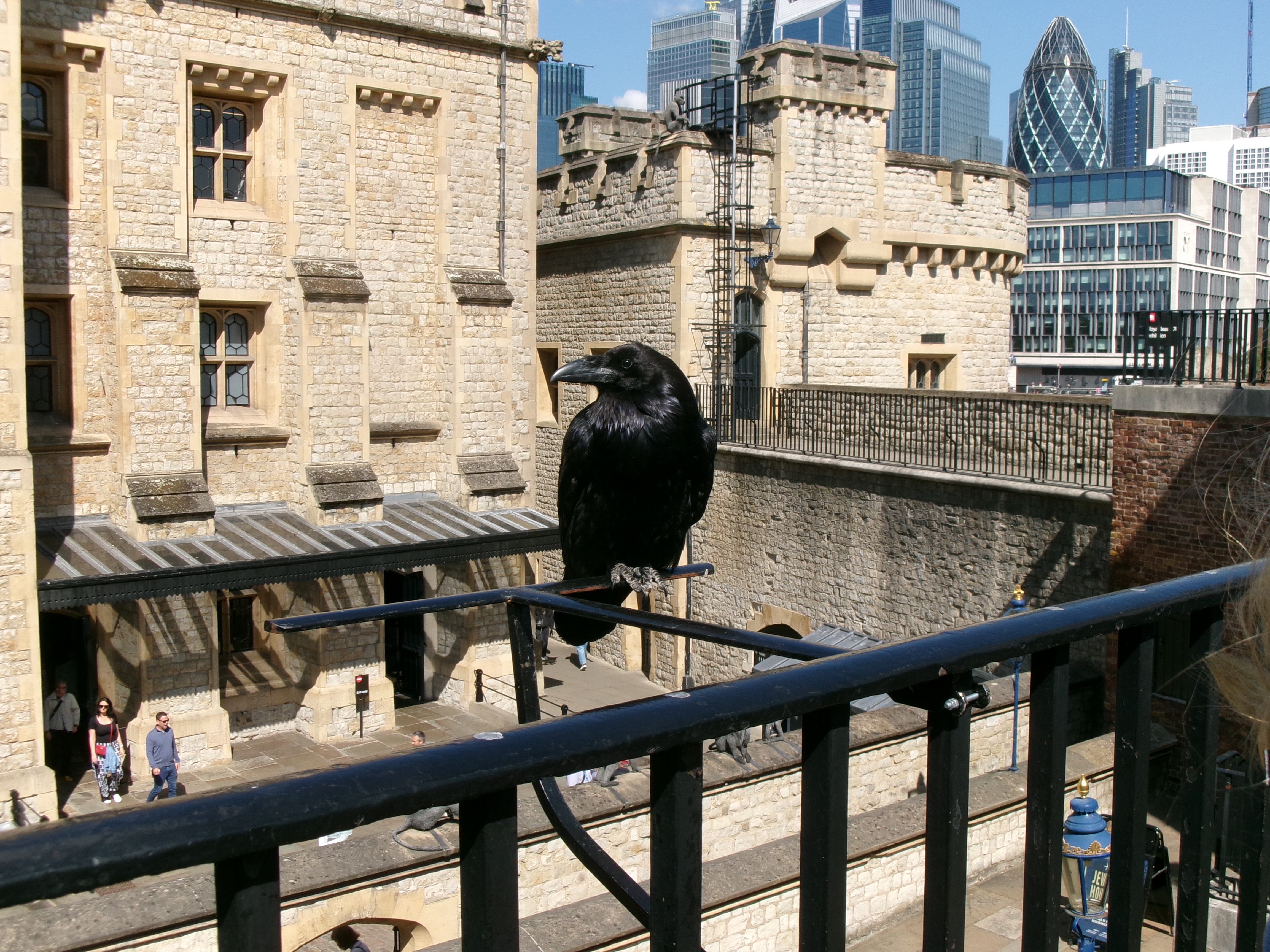
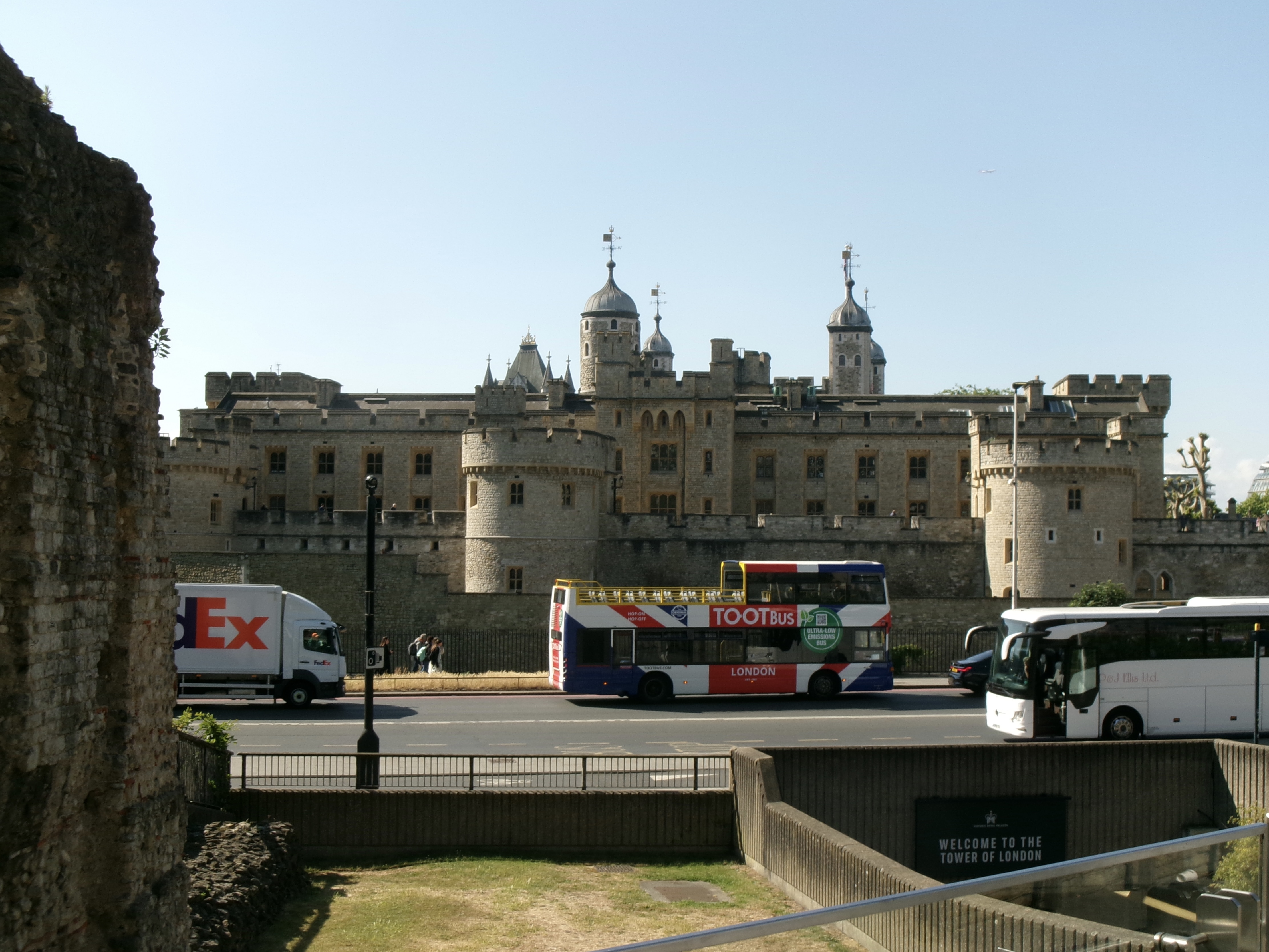
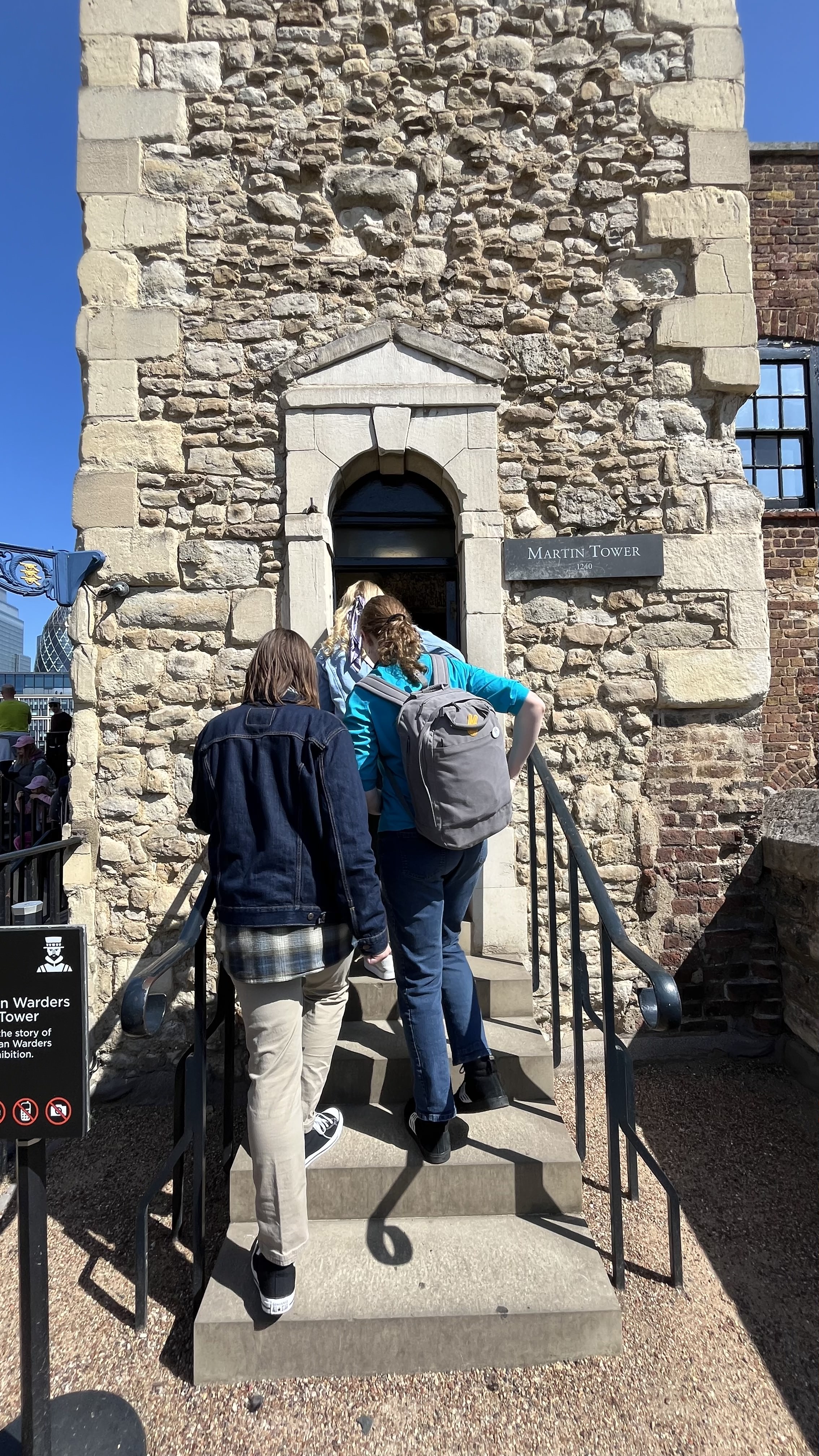
At the Tower of London, we learned much of London’s history. We wandered around and marvelled at the beautiful architecture and the red ceramic poppies placed to commemorate the anniversary of the end of WWII. We saw the crown jewels and learned about the centuries-old coronation ceremony. At Martin’s Tower, we learned about the Yeoman Warders, who have been protecting the Tower for centuries. We met one of the royal crows outside Martin’s Tower (pictured below). We even learned some of the darker events in the Tower’s history, like what caused the Bloody Tower to be named “Bloody Tower”.
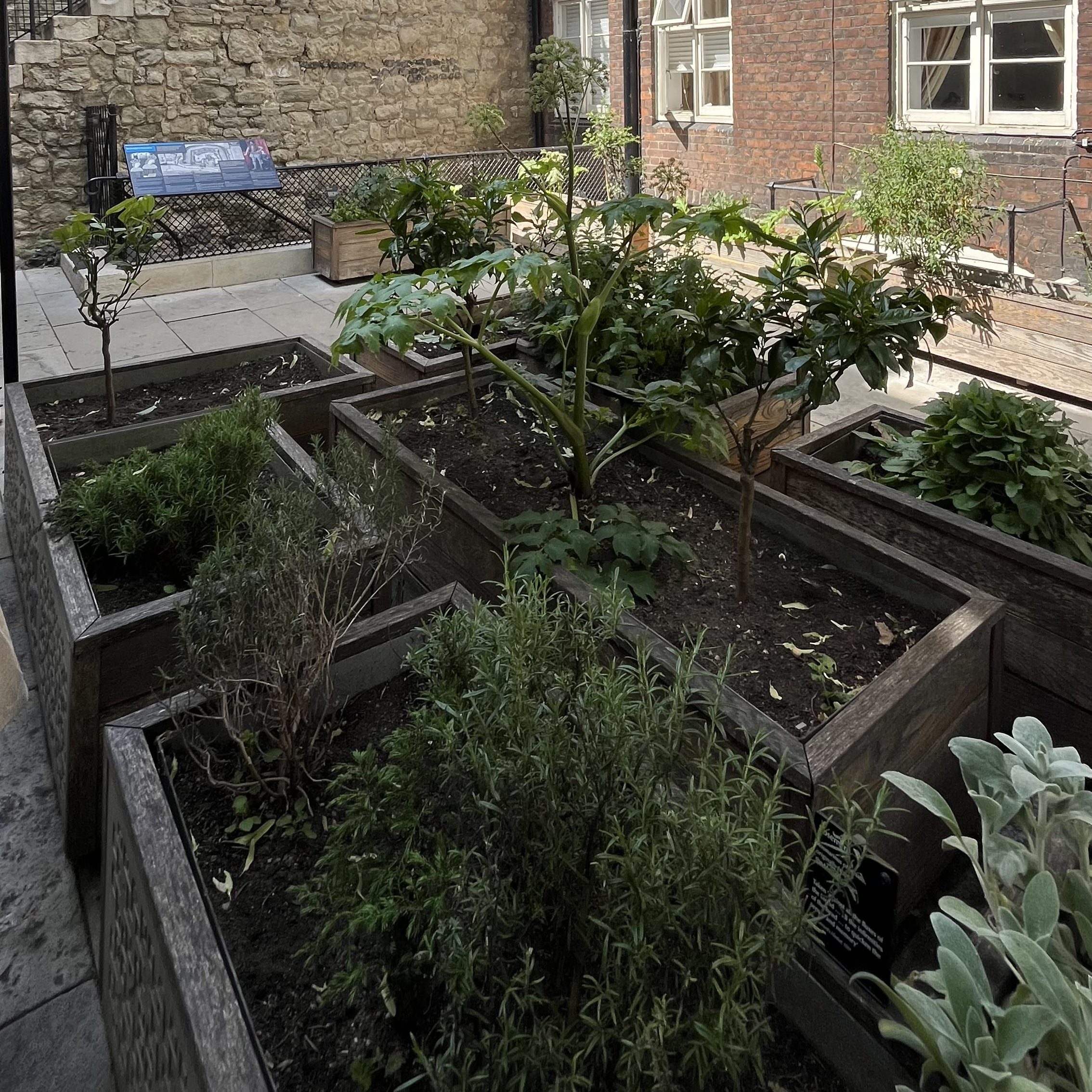
Queen Elizabeth I built what is now the “Bloody Tower” as a studio for her favorite author and explorer, Sir Charles Raleigh. It was originally called the Garden Tower because it overlooked the Tower Lieutenant’s beautiful garden. However, Raleigh’s actions often angered the courts and King James I, so his study became a prison. King James allowed Raleigh’s family to stay, and he was allowed to plant in his garden along with many other freedoms. Still, throughout his imprisonment, Raleigh was sick and had low morale. In the end, he was released from his capture only to anger the king once more, and this time he was executed. Raleigh’s is one of the lesser-tragic prisoner stories from the Tower of London, among many ranging from dehumanizing torture and execution to a lonely night in the prison tower.
Despite the unfortunate ending to Raleigh’s story in the Garden Tower, that is not how it got its name. In 1483 following the death of King Edward IV, his heir was set to be king. He had two sons with Elizabeth Woodville: Edward (the oldest) and Richard. The King put his brother, Richard III, in charge of the two boys following his death, and he immediately sent Edward to the Tower of London for his “protection,” followed shortly after by his younger brother Richard. It is not certain what became of the two boys, but they were never seen alive after this point. Richard III became king instead of either of Edward’s heirs. The question remains: did Richard III murder the princes?
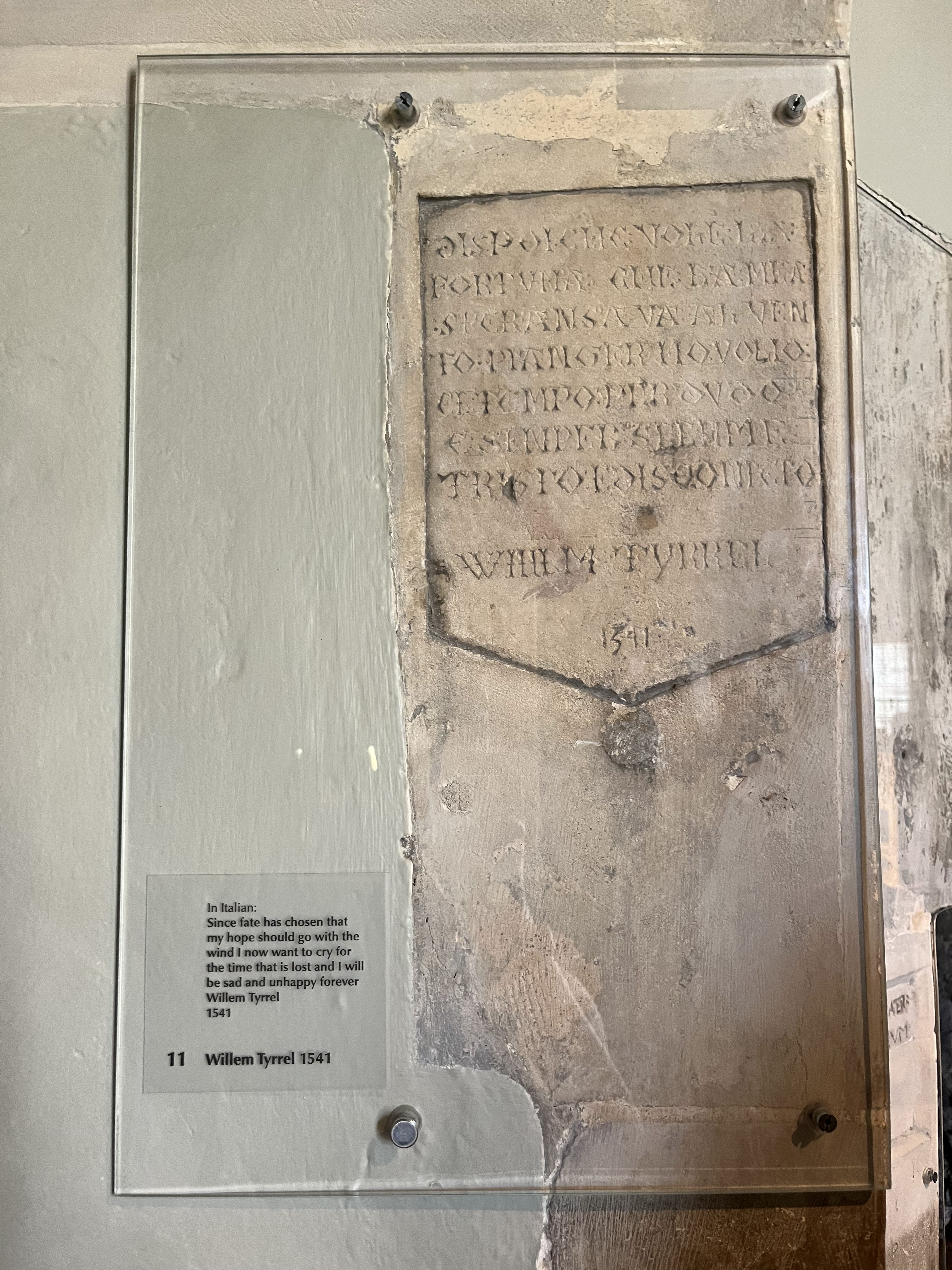
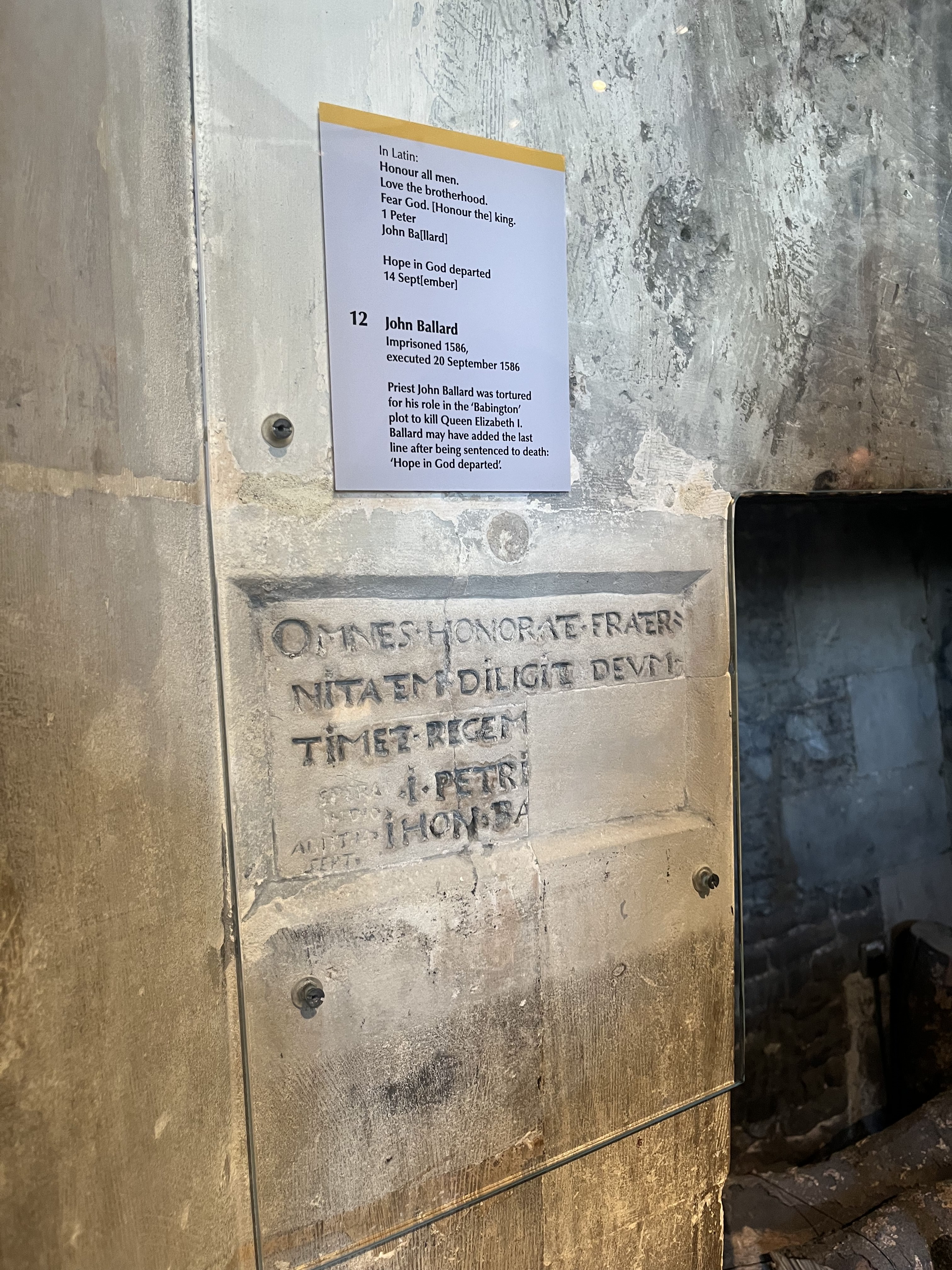
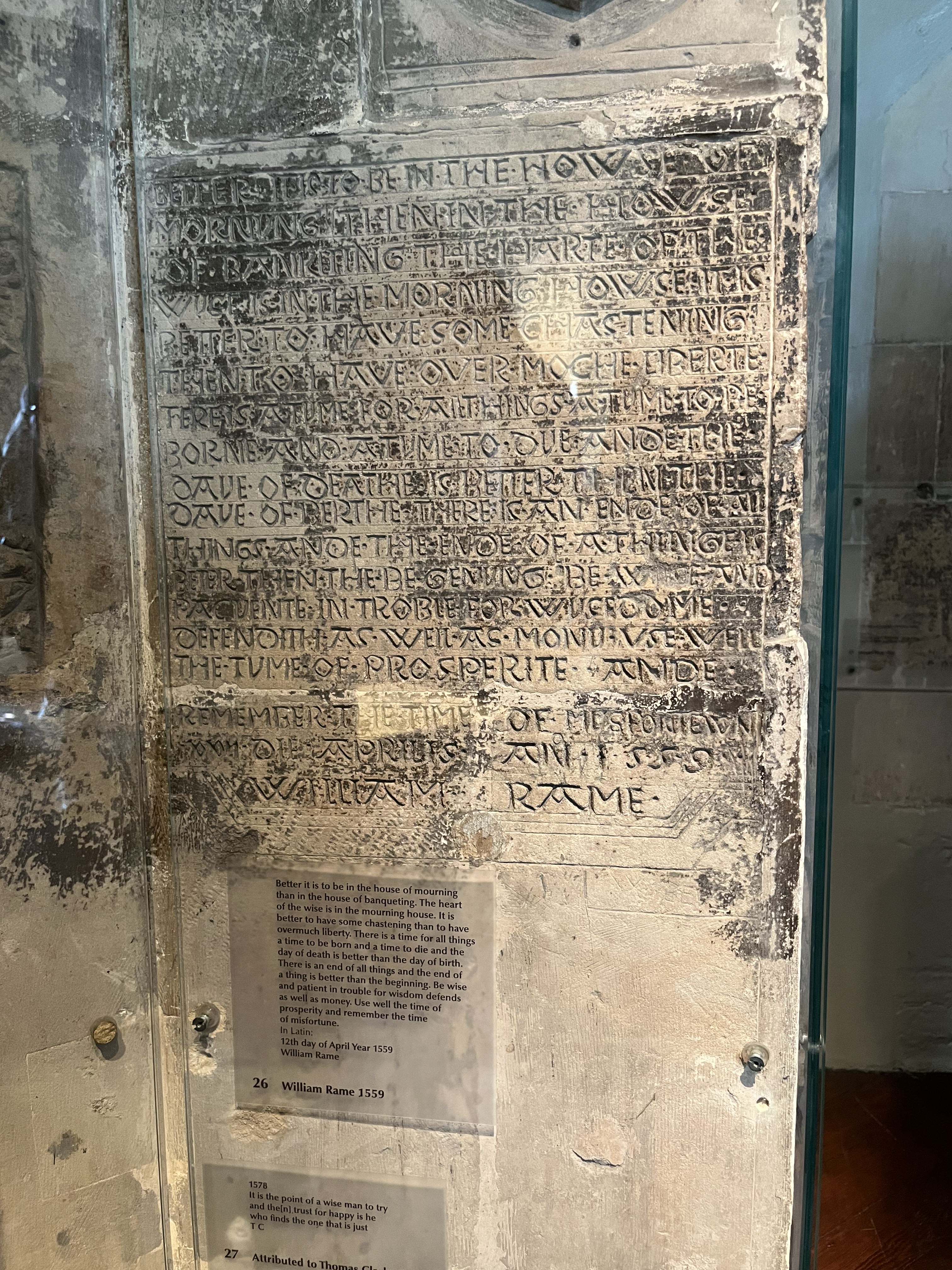
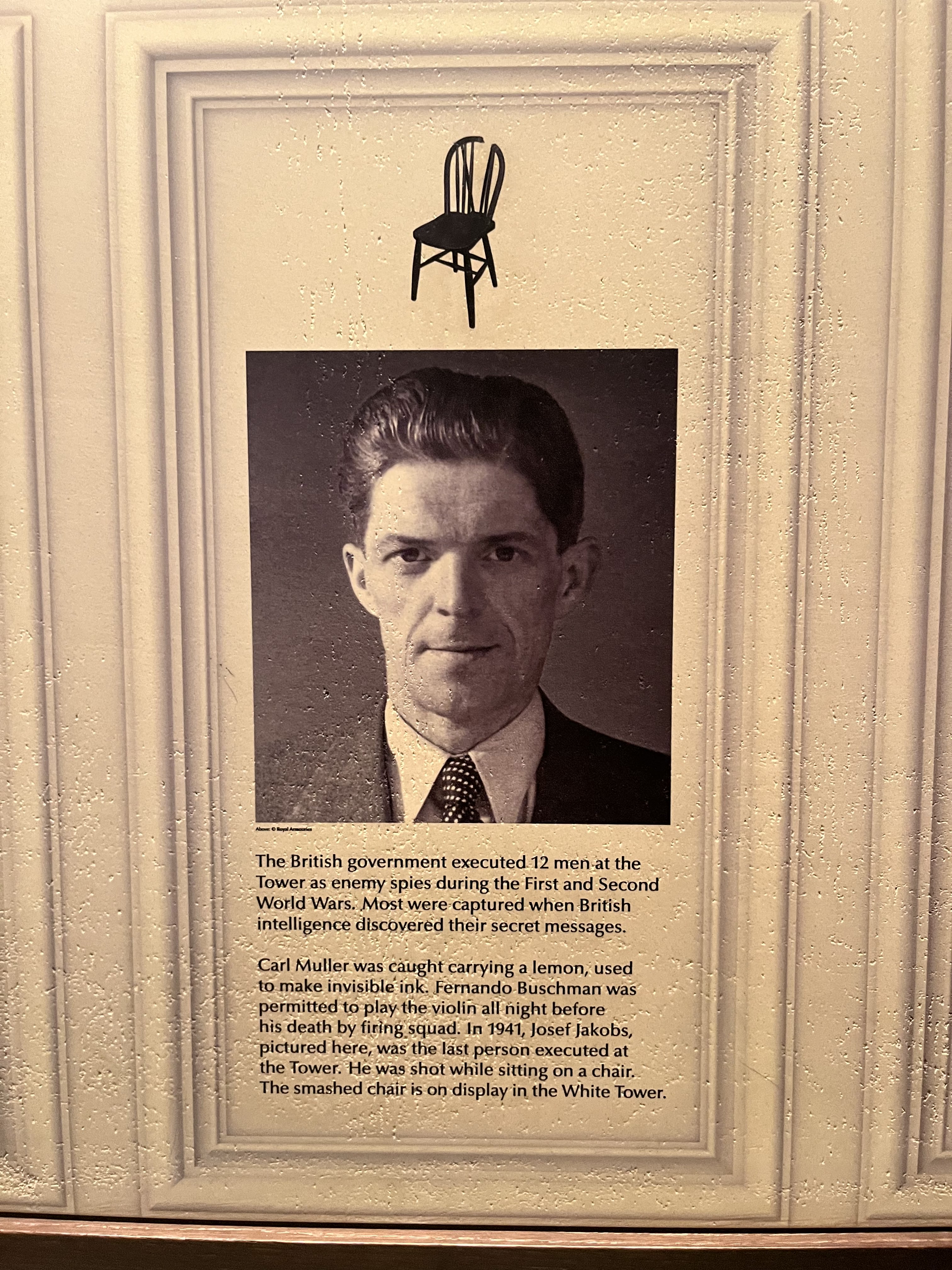
So many people believed that Richard III murdered the princes in order to become King that the Garden Tower (where the boys were presumably murdered) was renamed the “Bloody Tower.” Though the Tower of London has a lot of darkness in its history, there are also many empowering and uplifting tales. It is good that the British can share these stories, good and bad, so that we may learn from them for the future.
– Hadley Ayers ❤
 Theatre in London U of A