Greetings, all!! Yesterday was our group outing to the Victoria and Albert Museum, and it was a great way to end our time in London (though I am still in denial about the fact that we are leaving – even though I’m on the coach out of town as I write this). Despite my sorrow at leaving this incredible city, full of excellent theatre, museums, and food, I am so excited for our next destination.
Now back to the topic at hand – the V&A Museum!!
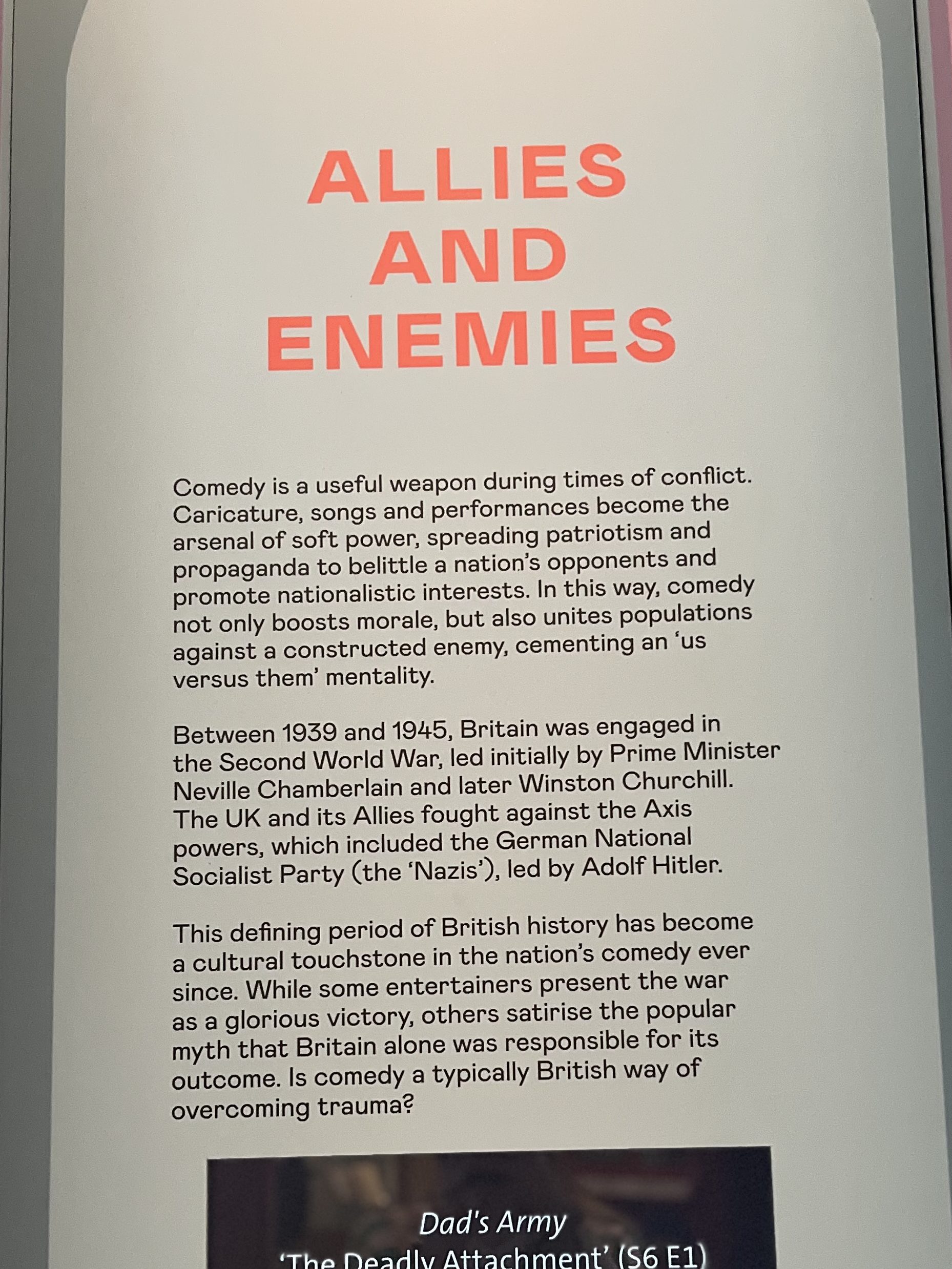
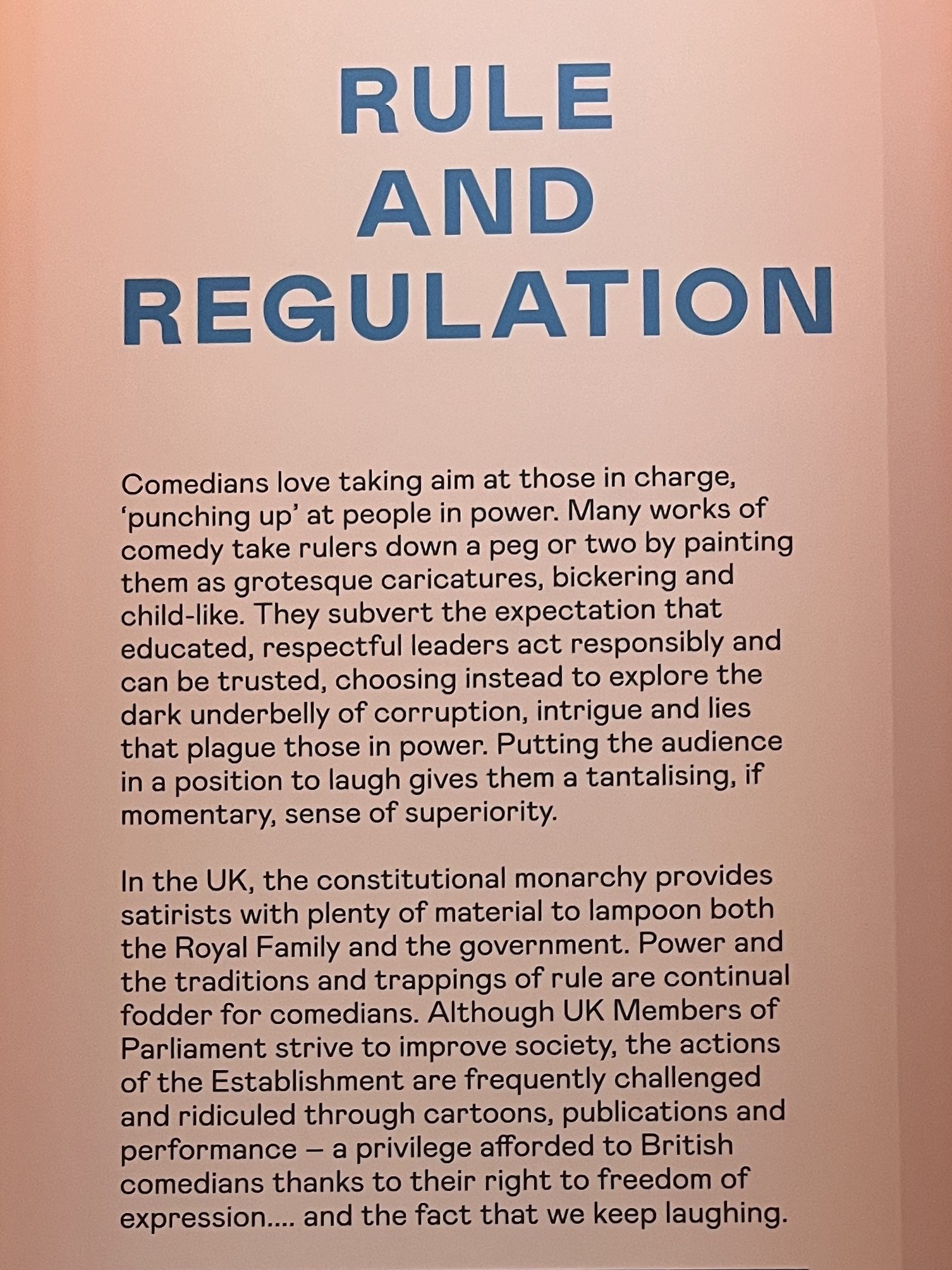
There was so much to explore here that I did not even get to see the whole museum before leaving. However, I was still able to see so much incredible art and history. Unfortunately, the theatre exhibit was closed. I will admit that I was very saddened by this revelation, but thankfully, theatre is all around us, and many random artifacts and exhibits I saw reminded me of shows we’ve seen and ignited my theatre brain. The British Galleries contained a lot of historical pieces that reminded me of Shakespeare, and I could see many of those artifacts being used in his plays as set pieces, costumes, etcetera. However, the exhibit that I feel connected to theatre and a show we’ve seen the most was the Clore Study Area room in the British Galleries that discussed how comedy has been used as a political and satirical tool for ages. The room contained multiple objects and had different historical comedy videos playing that demonstrated how comedy was (and still is) used during times of conflict.
The specific artifact I want to discuss is a 1930s hand puppet that was on display. The puppet (photo below) was used to depict multiple tyrannical political figures of the day. This included people such as Hitler, Stalin, and Mussolini. According the the V&A website, this puppet reduced those figures to comedy characters and was used to ridicule them. There was a sign in the Clore room that discussed how comedy can be used to boost moral and unite people against an enemy, and one could see how these puppet shows may have done just that. In addition, the sign discusses how WWII, specifically, has been a major part of Britain’s comedy since it began. This made me think of Operation Mincemeat and how it uses comedy to tell a not-so-funny story from WWII. The show uses comedy to its advantage to make emotional moments more impactful, and the comedy also highlights the flaws and moral shortcomings of the people who took part in the operation. The comedy surrounding how the nazis in the show are presented is perhaps the best example of using comedy to demean terrible, political figures and make them face ridicule. Overall, Operation Mincemeat is an excellent example of how comedy can be used to face serious issues and stories and to cope with trauma.

I had a great time at the Victoria and Albert museum, and I would love to go back and see the rest of it if I’m ever in London again. (And I hope I will be!) Kaylee and I also made a brief excursion to the Science Museum next door after spending a few hours at the V&A, and I would definitely like to go back there as well. The exhibits were so cool, and many of them were interactive. I also saw Watson and Crick’s DNA model, and the science nerd in me geeked out just a little. I am devastated to be leaving London, but I am so grateful for all the incredible experiences I’ve had here. This trip has taught me so much about myself, and it has further strengthened my love for theatre. I will forever be grateful that I’ve gotten to see as much as I have in this short month, and I’m already looking forward to returning sometime in the future.
 Theatre in London U of A