Hello, everyone!! I’m back with lots to talk about from today’s amazing trip to Westminster Abbey. It was full of rich history and beautiful architecture! The day began with a morning class and a small group side quest to find film for Kaylee’s camera and get McDonald’s. Then it was time to set off for one of the most fascinating tours of the trip thus far. I personally loved Westminster Abbey. The architecture was stunning and continually took my breath away, and you cannot help but feel the weight of the history of the building when you stand in it and look up at the towering ceilings and gorgeous cloisters. We have been to a lot of incredible, historic places since arriving in England, but no other building (except perhaps Shakespeare’s Globe) has made me feel so close to and impacted by the history than Westminster.
When you see the old, eroded walls and the memorials that are hundreds of years old, it moves you in strange ways. The Tomb of the Unknown Warrior nearly brought a tear to my eye, and we were even lucky enough to catch the hourly prayer held in the Abbey. I was unaware that it would happen, and it gave quite a few of a us a fight when we heard a booming voice and looked up to see a preacher right above us, but I found it interesting to see how they are keeping the religious practices of the place alive through hourly moments of silence and/or prayer.
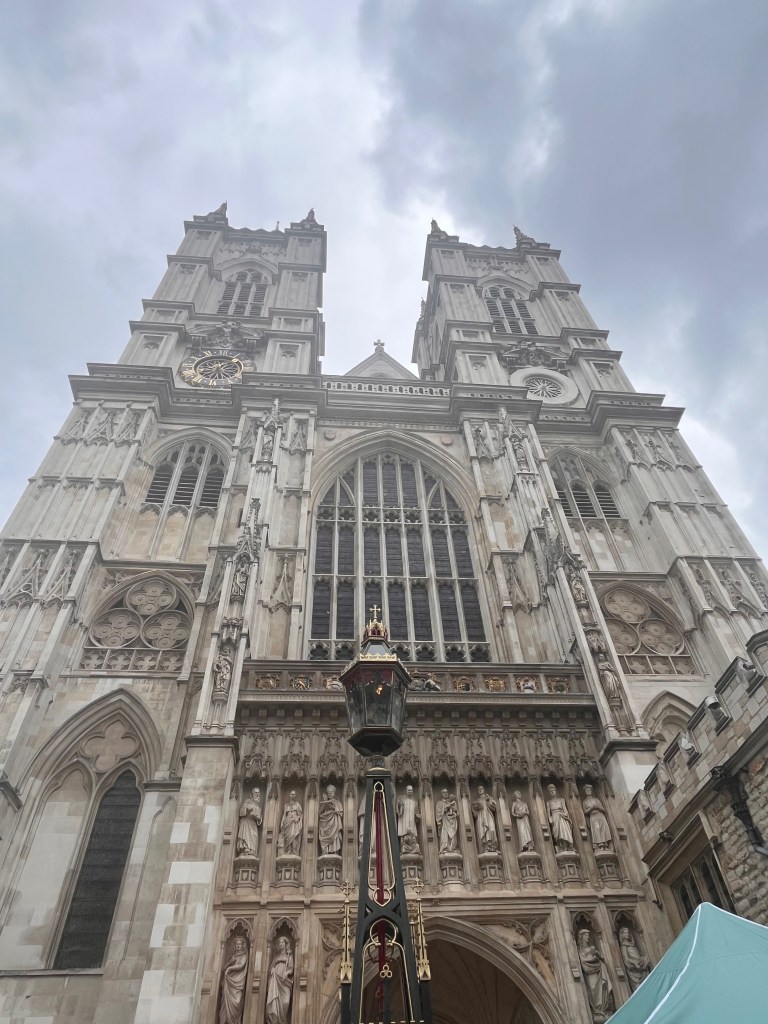
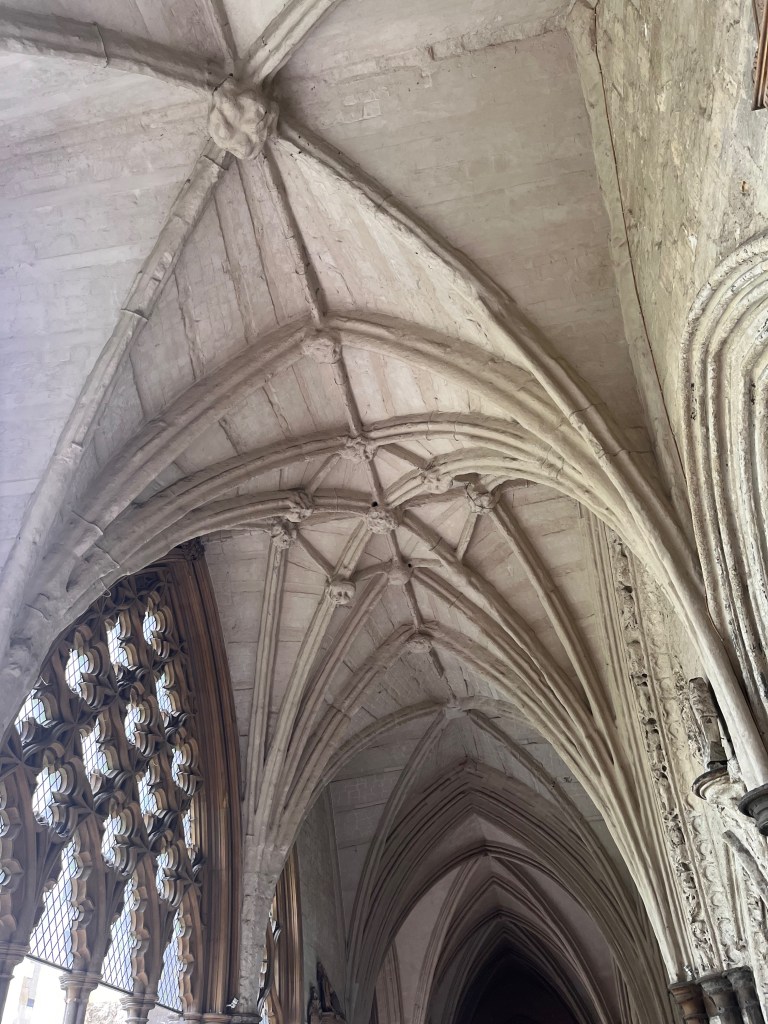
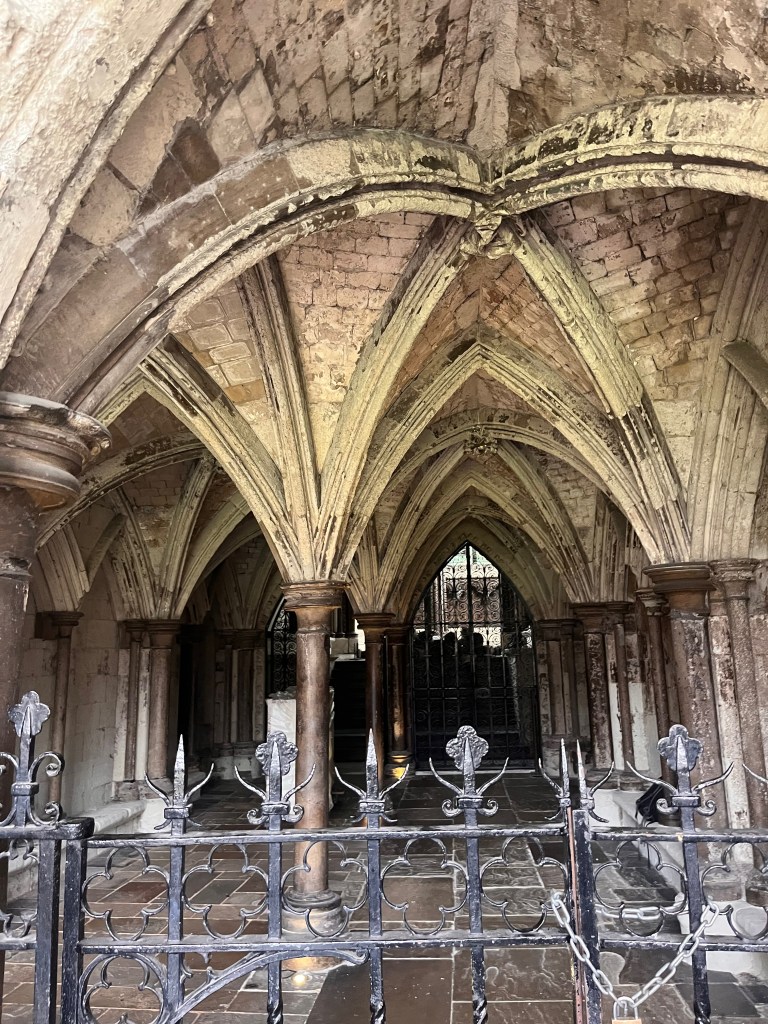
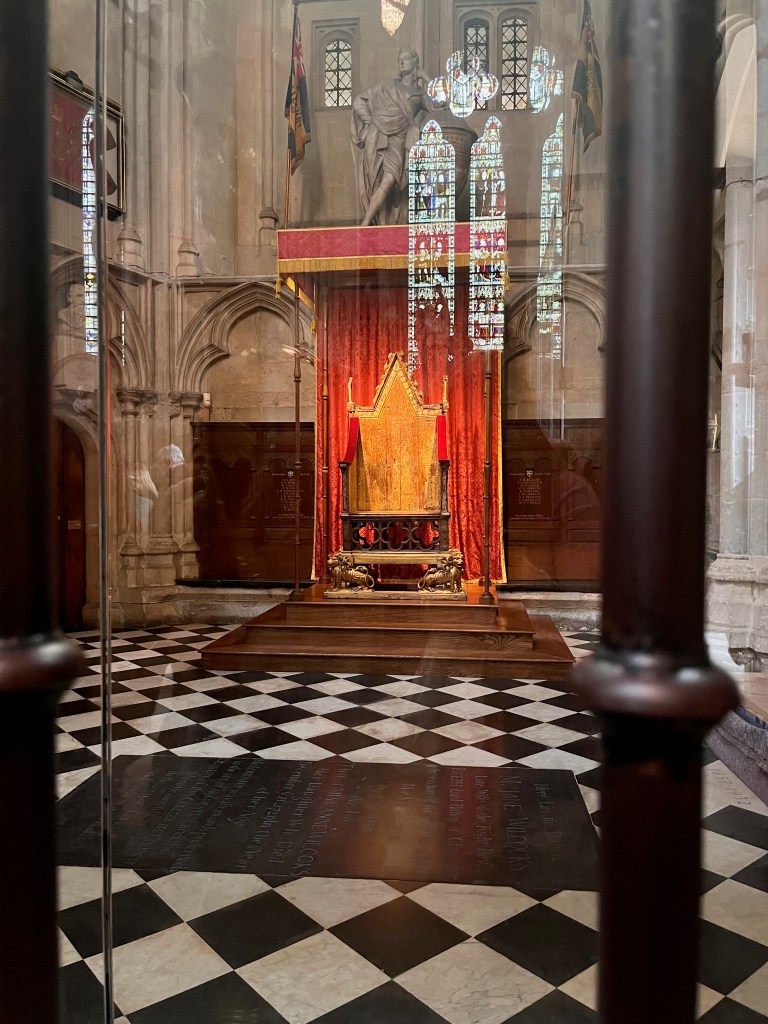
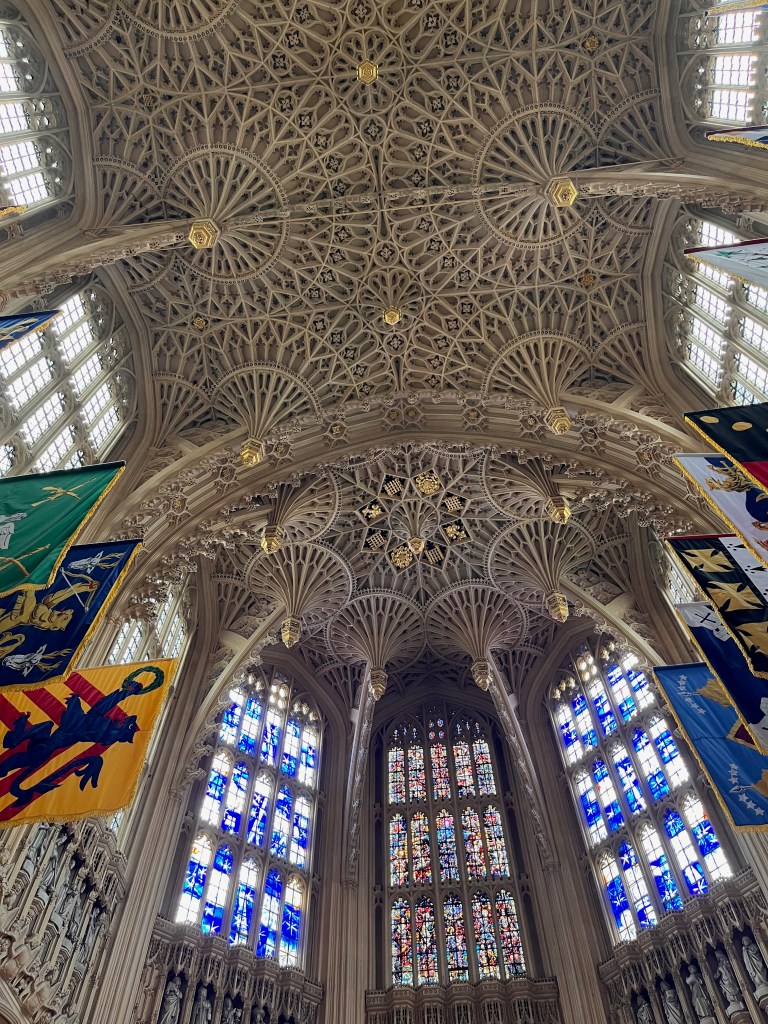

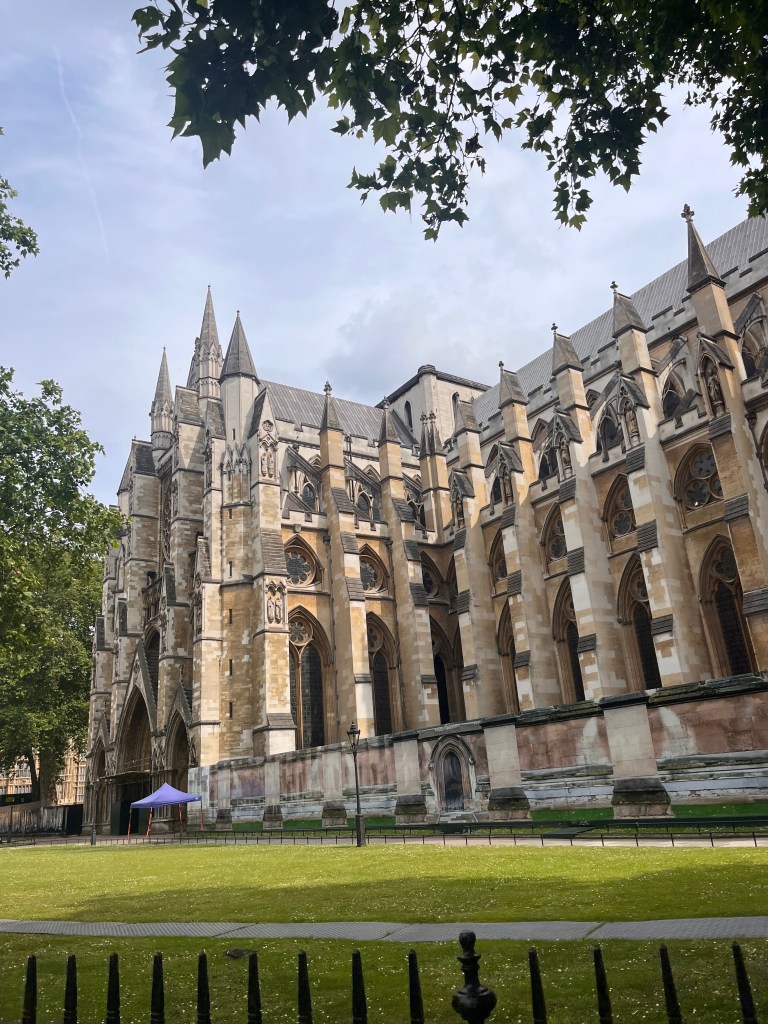
While I could go on forever about the architecture, history of the building, and general splendor of the place, I am going to switch gears and talk about some of the incredible people who are buried and/or memorialized in Westminster Abbey. Many famous poets, scientists, actors, musicians, and more are memorialized in the Abbey, and their lives were fascinating to read about. While there was not much information about certain individuals on the plagues in the Abbey, I recognized many of the names and looked them up afterwards to find some very interesting biographies.
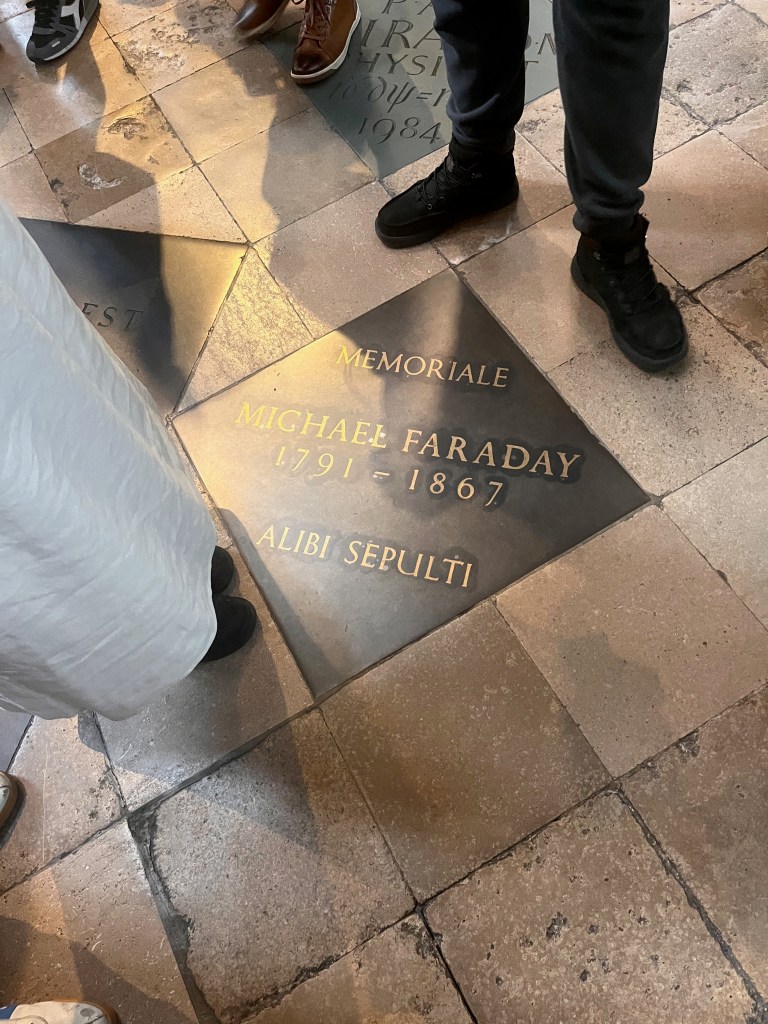
I would like to start by talking about some of the scientists buried in the Abbey because I grew up as a huge science nerd. I have always been fascinated by science and the people who move it forward, so I spent a lot of time finding the names in scientists’ corner (though it was difficult due to the crowds). Some recognizable names memorialized there include Isaac Newton, Steven Hawking, and Charles Darwin. However, I would like to focus on two of the lesser known individuals who laid the groundwork for scientists like Hawking. Michael Faraday and James Clerk Maxwell are among the scientists memorialized at Westminster, and they contributed significantly to the development of many key theories in modern physics. Interestingly enough, both of their contributions are strongly related to work with electricity and magnets.
Michael Faraday was a physicist and chemist who came from very humble beginnings and worked his way up to become a renowned scientist whose theories are still relevant today. His father was a blacksmith, and there were often times as a child when Faraday struggled to be fed. Despite this, he managed to receive a basic education from Sunday school classes, and he eventually went on to work as a book dealer and bookbinder. It was there that he read some of the books people brought in, and after reading a particularly interesting article on electricity, a new interest was born. Faraday later got the chance to attend chemical lectures given by Sir Humphrey Davy, and afterwards Faraday sent Davy his notes and asked to be his assistant. Unfortunately, his request was denied, but Davy remembered the young man who wrote him, and when one of his assistants was dismissed, Faraday landed a job working next to one of the most prominent scientists of the day. Next to Davy, Faraday learned everything he could and eventually mastered chemistry and began to work on his own theories. Some of Faraday’s many incredible accomplishments include producing the first electrical current from a magnetic field and discovering benzene. He also contributed significantly to the fields of electricity and magnetism, and his work would lay the foundations for the next individual I will be discussing, James Maxwell. At the end of his life, Faraday was offered a knighhood and use of a house at Hampton Court by Queen Victoria. While he accepted the house, he denied the offer for knighthood, as he wanted to remain regular old Mr. Faraday till he died.
Similar to Michael Faraday, our next scientist, James Clerk Maxwell, also worked a lot with electricity and magnets. Born in Scotland, Maxwell is the scientist who developed the theory of electromagnetic radiation. He grew up in a middle class home, and his mother died when he was young. Even more tragically, Maxwell would die of abdominal cancer (the same thing that killed his mother) at the exact age she was when she died. Despite this tragedy, Maxwell still accomplished many great things. He was a professor at King’s College, London for years, and he invented the color photograph. In terms of his connection to Faraday, Maxwell stated in the preface to one of his papers that his main goal was to take Faraday’s ideas and convert them to a mathematical form. I think it is incredible to see how all of the scientists in that corner of Westminster are connected because they all built on each other’s theories. Science does not advance if people are not willing to make bold choices, explore seemingly impossible theories, and try new approaches. The scientists buried in Westminster represent some of the best minds in history, but none of them could have accomplished what they did without the work of the others. The connections between Faraday and Maxwell are just a few of the many that can be found there, and I loved exploring them all.


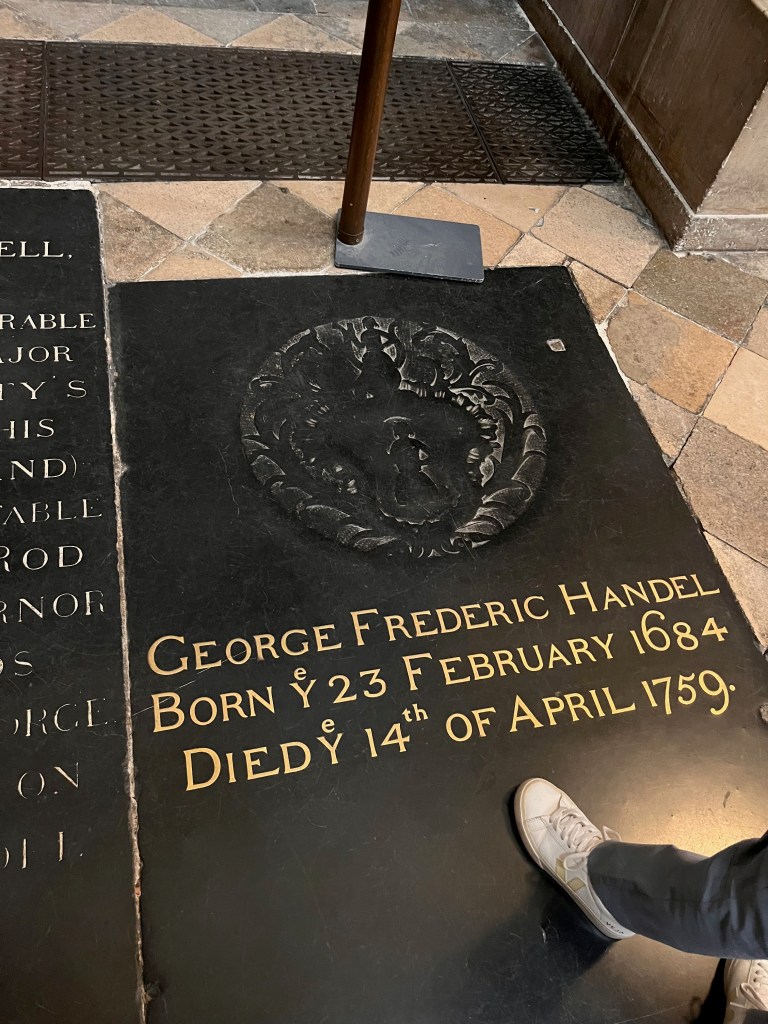
Before I wrap things up, I would also like to talk about one of the incredible people buried in Poet’s Corner, George Frederic Handel. In poet’s corner, you will find names like Shakespeare, Chaucer, Jane Austen, Lord Byron, and more. All of these people have made incredible contributions to the arts, and I was in awe at the number of people memorialized on the walls there. It really gives some perspective as to the impact English writers have had on artistic and cultural history. I chose the talk about Handel, specifically, because I am a lover of music, and his compositions are unparalleled. I also recently had the opportunity to learn all of Handel’s Messiah in choir, and I loved it so much!! That piece is beautiful, challenging, and great fun for any musician to work on. Getting to see where the composer was buried after all the hours spent with his music was amazing, and I wouldn’t trade the experience for anything. Handel composed primarily during the baroque period, and Messiah is likely his most famous work. It is a stunning example of an oratorio, something Handel made quite popular during his day. Handel grew up the son of a barber-surgeon, and his father died when he was just 11 years old. Something I found interesting in my reading is that Handel actually went to law school before finding great success as a composer. He was also different from other composers of the day because of his ability to capitalize off of what was popular at the time. He knew how to create work that would be appealing to audiences, and after finding great success in London, Handel eventually became a British citizen. Some other pieces he wrote actually included the Coronation Anthems for George II and the Funeral Anthem for Queen Caroline.

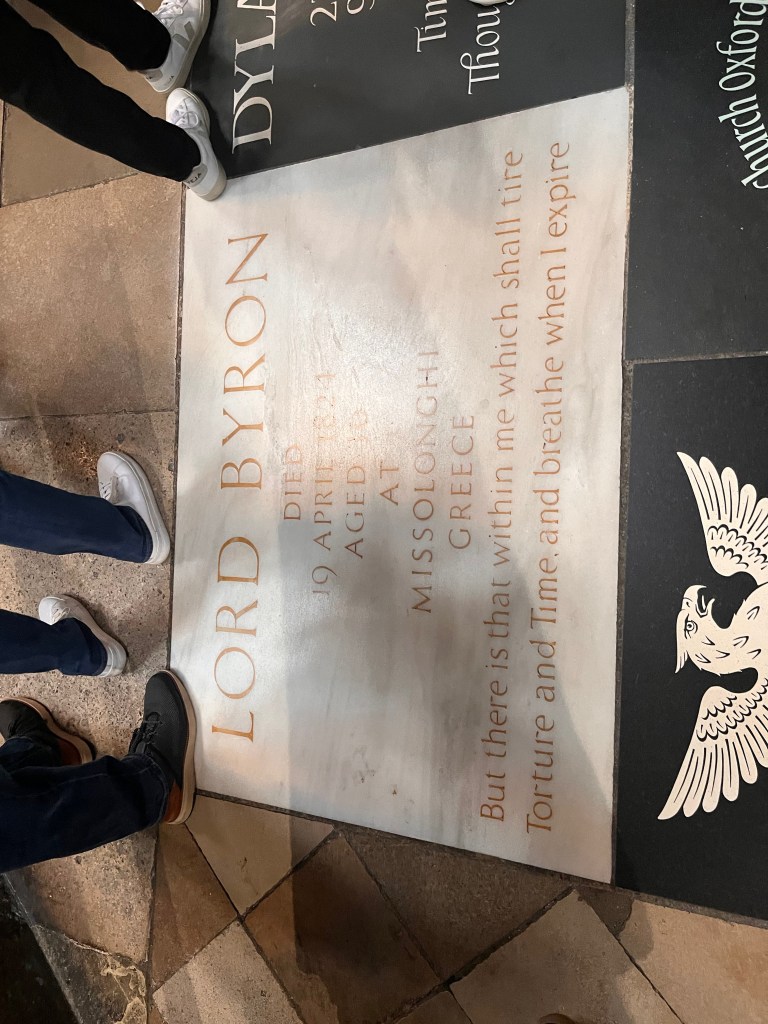
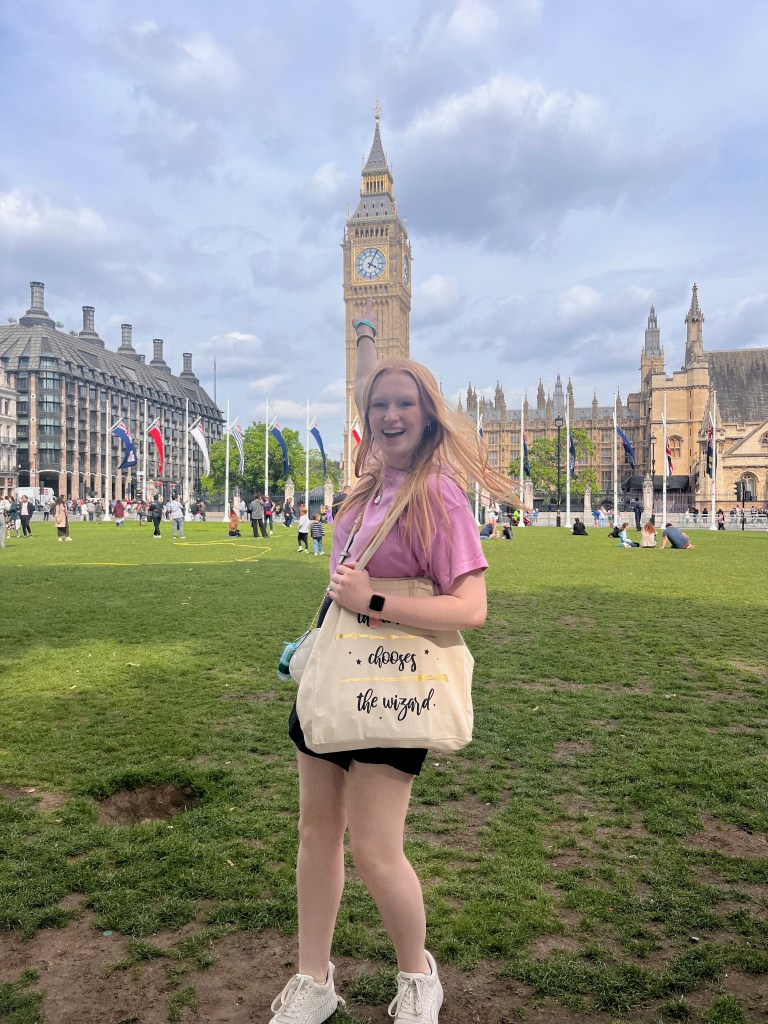
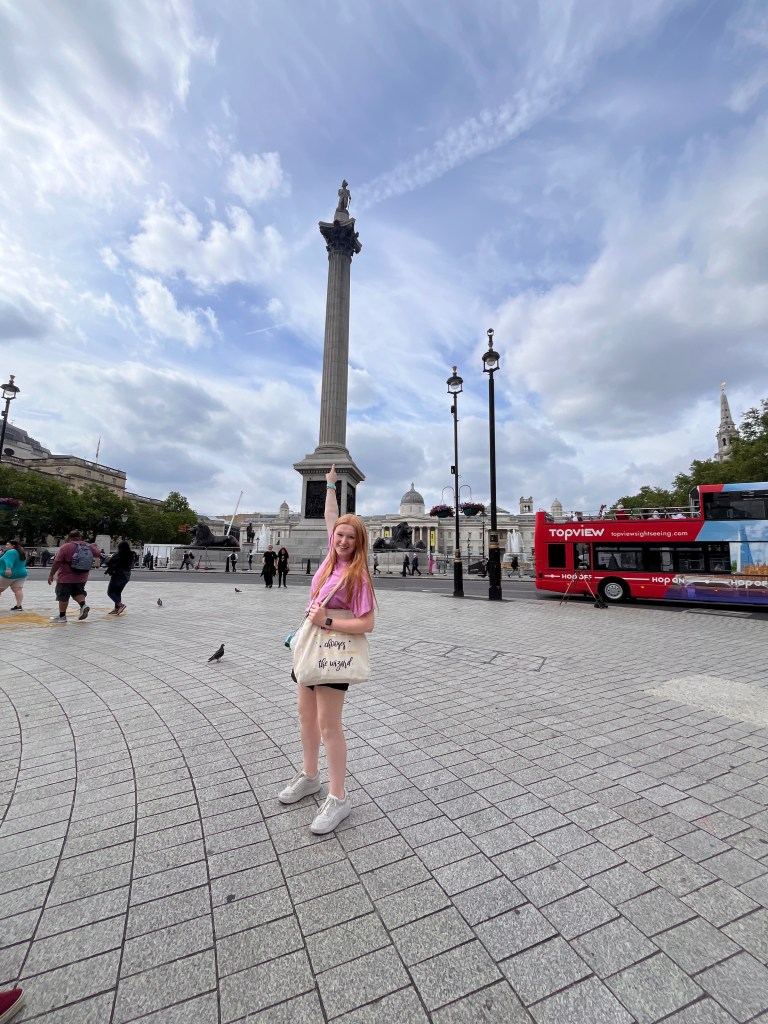
Now that I have rambled far past what anyone probably wanted, I will wrap things up by saying that Westminster Abbey was an incredible experience. It is a beautiful place, filled with rich history, and I loved my few hours there. I also enjoyed the quick walk back to Leister Square after touring Westminster. We got to see Parliament House and some other neat things, and I also finally got a picture at Trafalgar Square!! (thank you, Kaylee!!)
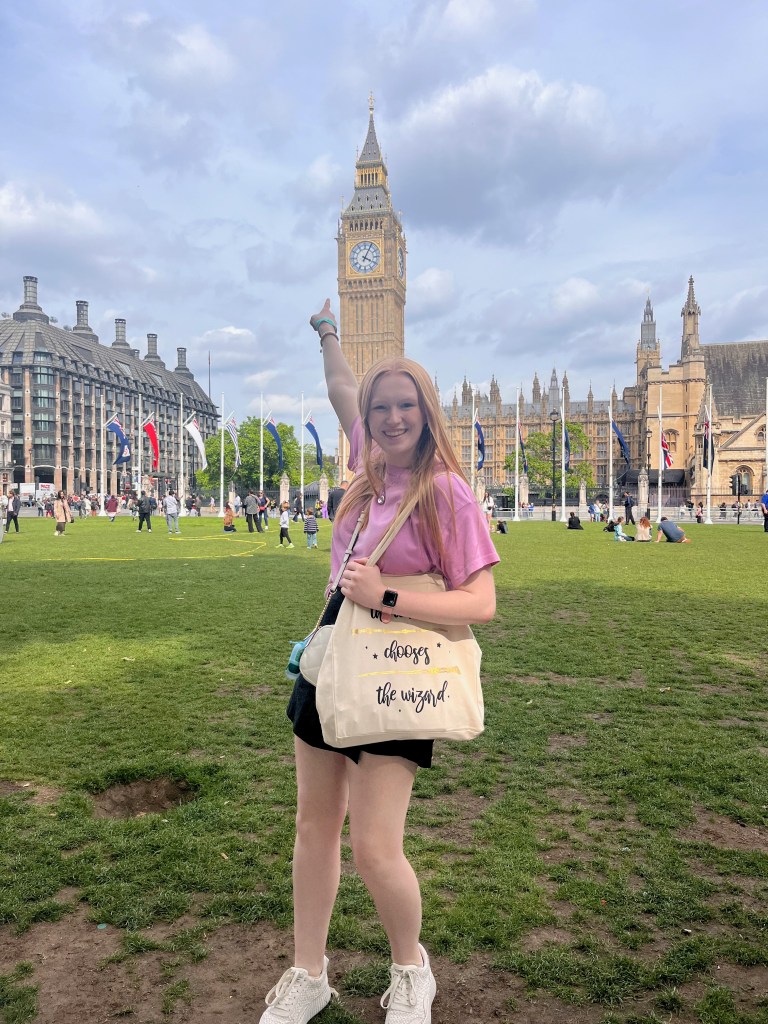
Oh! And we finally saw Big Ben!!


 Theatre in London U of A