I found the Roman Baths quite interesting. I enjoyed going from room to room and listening to the audio guide explain what every room was called and what each one was used for. I was intrigued that the Romans thought they were made of four fluids: blood, yellow bile, black bile, and phlegm. They believed that these fluids needed to be in balance in order to stay healthy and they also thought that quickly switching between hot and cold temperatures helped improve health as well.
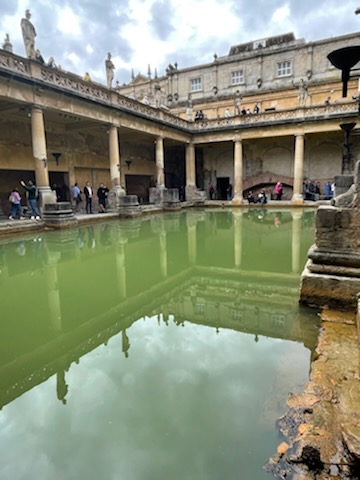
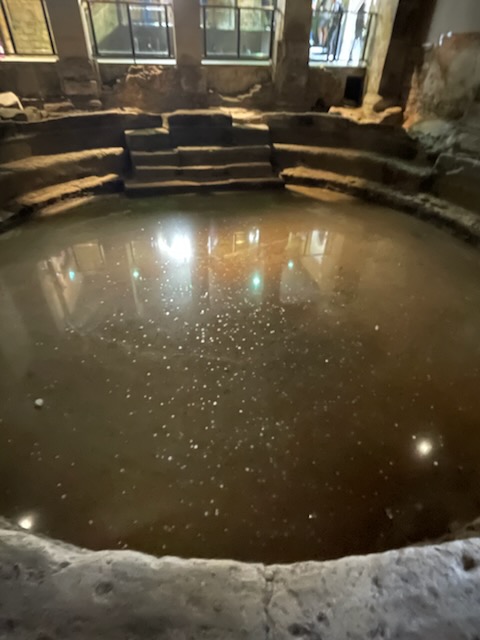
The baths were important to Roman culture. In addition to bathing, the Romans used the baths to exercise, relax, improve their health, and socialize. They exercised first then proceeded to the changing rooms to prepare for the sauna and massage. The oil used in the massage was thought to remove dirt from the skin, unclogging pores and preparing the body to sweat out impurities. After preparing their bodies for their bathing experience, they moved between the various rooms which included the cold bath, hot bath, laconicum (very hot sauna), and ended with the cold plunge pool. They did not stay in any room for too long due to the extreme temperatures. After they left the plunge pool, they covered themselves in scented oils. This water in Bath was more sanitary than other Roman bath houses due to the naturally constant flow of the hot springs, which did not give bacteria a chance to flourish.
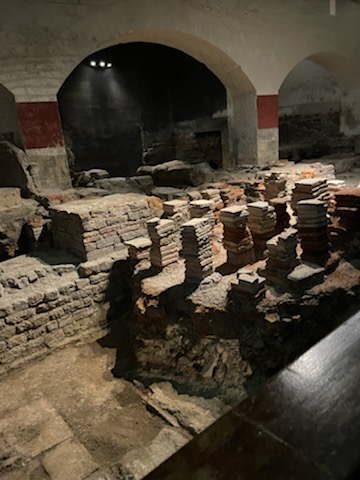
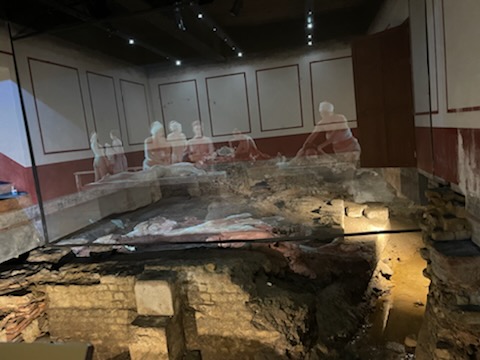
While the Romans built the baths in 70 AD and they were used for about 400 years, I found it particularly interesting that the thermal water has been used for curative purposes for the past 2000 years. The water contains 43 minerals and was first used in the ancient Romans to bathe in from the first through fourth centuries. The water has always been considered healthy to drink and at one point people were encouraged to drink up to 5 liters of water before breakfast. The museum still allows, and invites, visitors to try the water at the end of the tour.
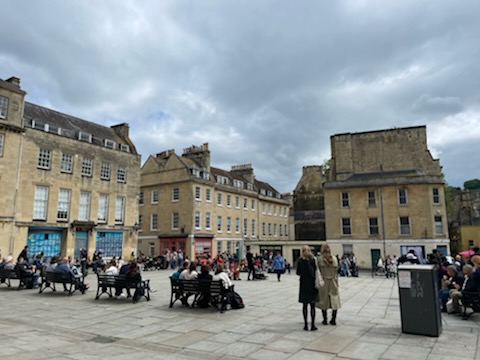
Bath and London had many similarities but were also different. Bath was similar to London in that the buildings were old, and the streets were cobbled. They both have a large variety of small shops in old buildings. The apartments that we passed in Bath were pretty similar to ones I’ve seen in London. They are both very touristy. Bath felt different from London through the style of architecture. While they both have old buildings, I have seen a lot more buildings with modern architecture in London. The part of Bath I saw had shorter intercity roads that were just big sidewalks. It felt both small but also open. While I can’t remember specific names, there are some smaller areas that I have visited in London where the streets have a very similar feeling to my experience in Bath. Overall, I think London and Bath are pretty similar, London is just bigger as well as also having the usual big city modernization.
 Theatre in London U of A