This production is given the TPRBS: 6/7.
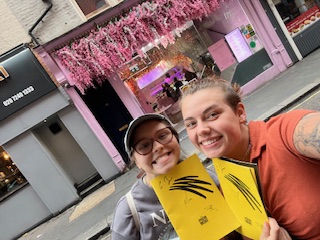
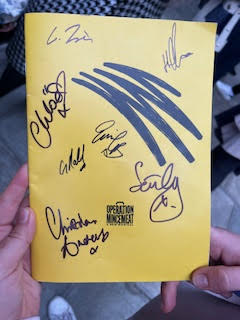
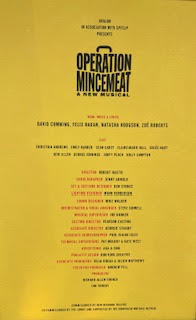
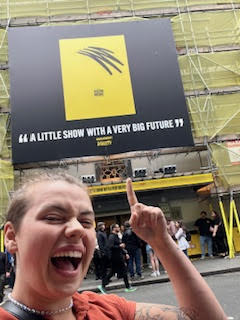
Turn Hamilton into a comedy, add a dash of satire from The Book of Mormon, sprinkle in a stolen corpse, mix in a few rapping dubstep Nazis, and you get Operation Mincemeat. Winner of the 2024 Olivier Best New Musical Award, this five-man show is going places. This particular author and critic could not get enough of this show. Honest, ridiculously
The deception operation undertaken by British intelligence in the play is somewhat a kind of theatre. Operation Mincemeat does very well to depict the visible romanticism and true values of the British government. They show how the government is portrayed in their society and how their actions affect the reality of their reputation today. The show actively tears down whatever false suave surrounding the heroism of espionage with sarcasm, asides, and clever lyrics. The agents and their plans are considered ridiculous until the very last few scenes of the play when everything works according to plan and their schemes are regarded as heroic genius. However, in this retelling, no one except the 5 people on stage knows how chaotic, impulsive, and poorly together it was planned and executed. Especially because Operation Mincemeat almost did not succeed.
In Fortune Theatre’s production of Operation Mincemeat, spying and top-secret operations are presented as silly and overpraised. The operation succeeded through luck and bets placed on the enemy. War is a game. Several components of the operation and the lives of many were gambled and moved around. During the production, men and soldiers are spoken about without consideration of their lives because they are thought of as followers and not ‘Born to Lead’ as the first musical number says. Glory and victory are portrayed as the most valuable achievements. Even the officials portrayed as women in this play wish and scramble for the recognition that comes with the glory of winning a war. Everyone wants to be regarded as a hero with cheers, a plaque, a medal, or a ceremony. However, as it is revealed later, the highest honor is power. Power to control a narrative to be recorded for all of time. It is cementing a reputation as a clever master of their lives and career. Charlie and Montegue are completely different due to their pride, accountability, and purpose for carrying out their duty. Lavish receipts, love letters, and suits that is what made Glyndwr’s body seem to be the components of a believable spy, not the man himself.
Gender and sex are other themes of this production with people playing both interchangeably, but noticeably playing roles of the opposite constantly. This was most definitely a theatrical choice I believe for the better. Women are just as important to this operation as men are. I think it has been very intentional to cast women in the role of Montegue since the beginning of this production, which has seen many cast changes. Both the current main for Montague and her understudy are female. It displays the callus reality behind tendencies that come from the performances and perks of the status quo and shows a possibility of anyone filling that performative role of the most powerful. It’s like an alternative-looking class that looks beyond sex and gender. It begs the question, what would have happened differently had there been women in the room where it all happens? Women throughout history have had very little control over their lives and opportunities, even though we are just as cunning, secretive, honorable, capable, and could be as powerful if we were given the same resources and regard.
From the end of the play, the song ‘Did We Do It?’ sums up the final theme perfectly: “When you write the book, then you’re off the hook. The lies get hidden, sins forgiven, all your misdeeds made from vision.”. This is extremely important and underlies the purpose of this play. A message about accountability and history: Operation Mincemeat came from stealing someone’s corpse and creating an entire narrative, for a ruse. A ruse that could have sentenced hundreds to death. Obtaining the corpse in that matter was illegal and so very unethical. I’m so very glad that they talked about Glyndwr Michael at the end of the production and gave some of the true details of his life and how he was disadvantaged socially and financially from the very start of his life. Even in death, he was considered to be someone who would be unmissed and uncredited.
 Theatre in London U of A