


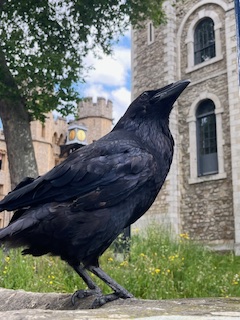
The Tower of London is full of fascinating narratives and traditions that provide all sorts of insight into British culture. Common traditional components of British culture are displays of wealth, superstition, and influence. All three have survived but adapted to this modern day as London is an icon of wealth and style. The superstition interacts with London’s history of sentencing people to punishments suspected of plotting against the crown, even if they were falsely accused. However, even to this day, we trim the wings of ravens hopping about The Tower of London to prevent the signaling death of a monarch.
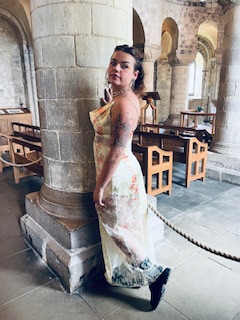
Christina and I explored the Tower of London together. We saw the White Tower, the Bloody Tower, the Torture Chamber. St. Peter Vincula Chapel, the Imprisonment Tower, and many more. The crown jewels were especially notable for both of us as we audibly gasped at the lavish (almost ridiculous) displays of wealth. Especially as they represent symbols of control and ruling based on “divine right”. It makes sense to keep the treasures to this day as they have become symbols embedded in the culture of today. The scale of jewels and riches though is astounding. I didn’t like how exotic animals used to be taken and displayed throughout every part of the outdoor courtyards. I also still can’t fathom there was a real commissioned golden punch bowl so large, it could hold 240 bottles of wine.
The ravens were some of the best parts of the experience as they comedically hopped about the courtyards and helped me settle on my trip tattoo. The very same courtyard that held the beheading of Anne Boleyn. Which was extremely cool to see as I am a huge fan of hers. I asked Christina, but I am curious to know whether she was truly guilty of the adultery, incest, and sex in which she was accused of…or if Henry just got bored again.
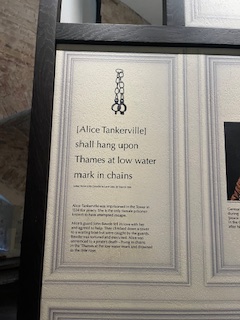
The story that I later researched to know more about was one I found in the imprisonment tower. Alice Tankerville (or Wolf as was suspected to be her real name) was arrested and executed in 1534 under the crimes of piracy. Alice lured two rich merchant men into a boat ride on the river Thames, where their throats were slit and their pockets were emptied. Her husband was accused and thrown into the Tower, but released due to insufficient evidence. It was Alice who was later declared guilty of this crime and sentenced to death. She was found guilty of piracy because it took place on the water. She was the only woman to ever escape the tower (but recaptured), dressed in a manly disguise. She compelled her guard John Bawde to fall in love with her. She and her lover made it over the wall and through the moat but were caught by an ill-timed guard patrolling. Her lover was tortured in a ‘little ease’ (a prison room so small that one cannot lay down or stand up) and hung in shackles. Alice had a much more grueling fate as she was hung with her arms chained above her head on one of the walls of the bridge over the river Thames. As the tide began to rise, Alice drowned in the water. Well-behaved women rarely make history.
Another story I found fascinating was the suspected murder of the two princes as it was told at the Bloody Tower. During the wars of the roses, the two princes sons of Edward IV and Elizabeth Woodville were brought to the bloody tower “for their protection”. However, it was over the summer that they were brought there and never seen again. Still a major debate between historians today, some believe it to be murder while others argue that it cannot be speculated. I think that could make for an excellent inspiration for a future screenplay of mine. Princes sent away only to be missing and never seen again? Horrific and fascinating.

 Theatre in London U of A