
I still find it very strange walking the grounds of people who have lived before me. When I was in Bath, it took me a while to realize that the cobblestones I was tripping over were also probably equally frustrating for someone someday. In a way, it’s a bittersweet human connection of knowing that something can withstand the tests of time, but at the same time sad to me that there are probably so many stories that won’t ever be told because they can’t last as long as brick or stone statues.
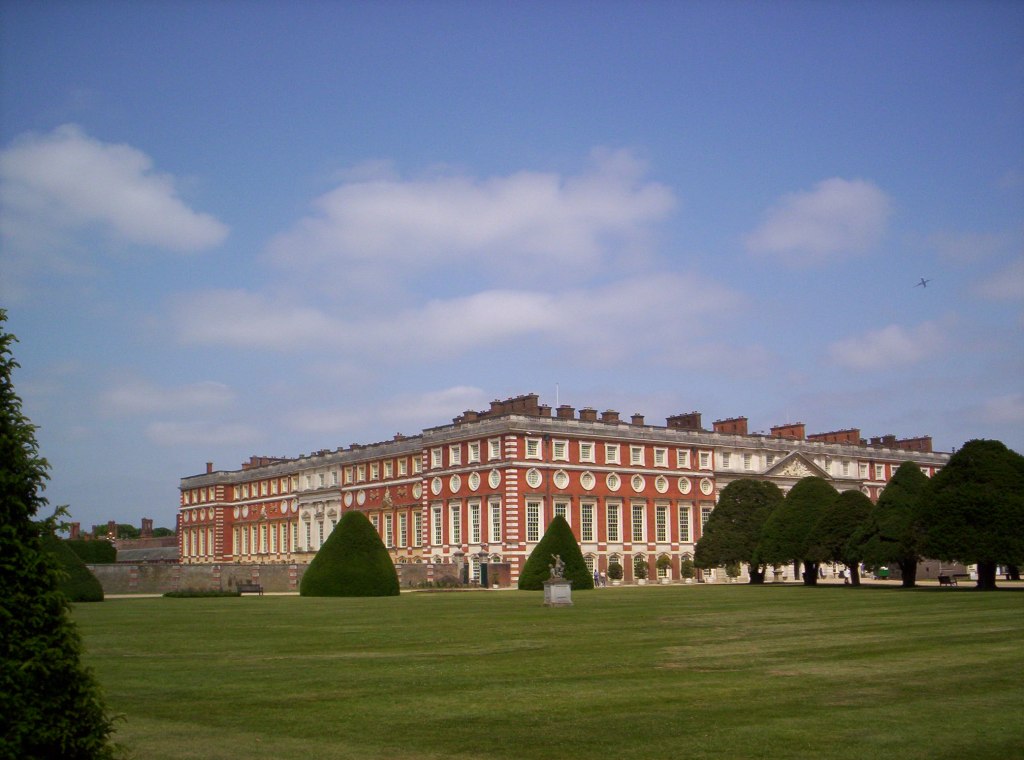
Regardless, when walking through the palace, I was amazed by how beautiful the entire collection of buildings was. Between the gardens, the maze, and the multiple sections of the palace grounds, the landscape looked like a small city. There were a grand collection of architectural styles that showed throughout the palace grounds. Most buildings had a standard style and as the palace added different sections, the style changed.
The Tudor section of the palace were very unique to me. The color itself stood out the most to me. Most historical buildings in the US are white and have a similar style as they were built in the late 1700s and early 1800s. But, the variety of architectural styles is seen throughout Hampton Court Palace due to the earliest editions starting in the 1400s all the way up to the mid-1700s. The Tudor section of the palace was almost rust or brick red and had multiple peaks that were tower-like. When I think of a castle, I think mostly of this time period. There’s plenty of windows and even the fence-like top of a castle. There’s a particular highlight of white in the details of the exterior as well. On the interior, there is much attention to detail which falls in line with the Tudor period. The ceilings of the Tudor palace are intricately designed with wood frames and accents. The furniture is wooden while the walls are stone. There is a contrast in colors that I find very visually appealing as well.
When William and Mary moved into the palace, their edition was baroque-themed due to the Restoration period, and much of their influence is seen mainly in the gardens that remain today. The Great Fountain and the Privy Garden were created during their stay to accompany their new palace addition. The attention to detail didn’t stop with the Tudor period, but the detail moves to wood. The crown moulding and decadent tapestry/art/furniture reflect very different vibes as the other parts of the palace. My favorite edition though have to be the gardens.
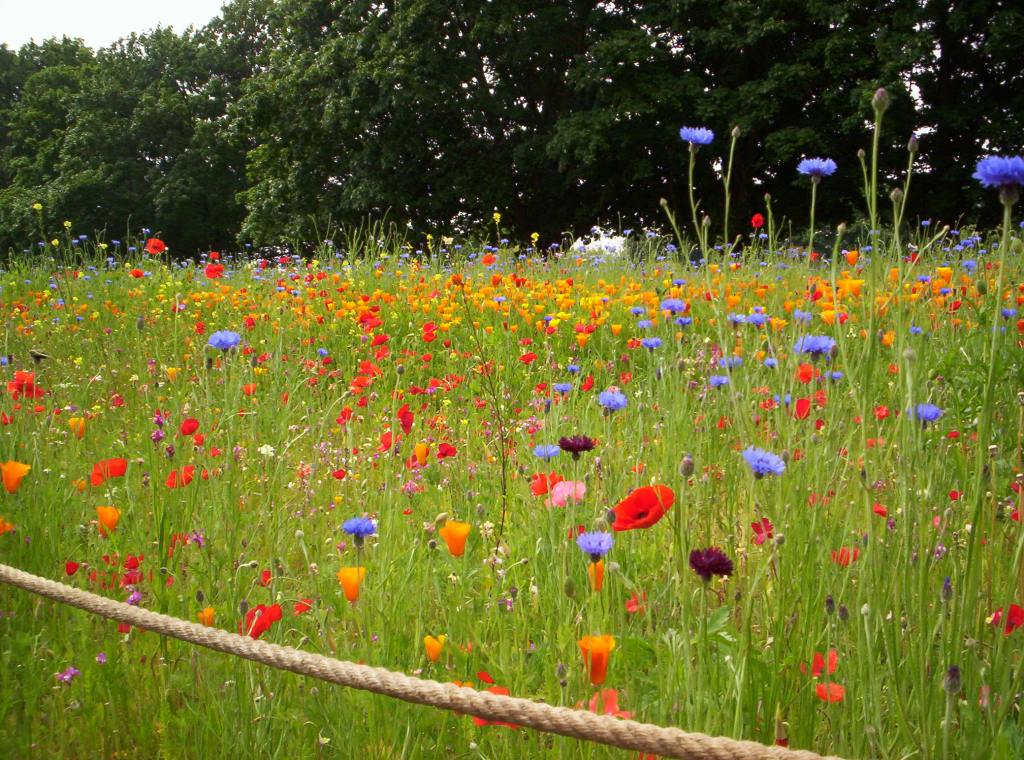
I think I walked the gardens longer than I walked the palace. I loved walking through the great kitchen, the old dining hall, and the chapel (which I am told happens to be the filming location of season two of Bridgerton), my favorite thing by far is the greenery and views of the gardens. There were so many varieties of flowers and other plants that just brought a smile to my face. The second we walked onto the palace grounds, there was a collection of different colored flowers that I was very eager to run through. Although, when we were leaving, when walking through the flowers, the number of bees grew exponentially.
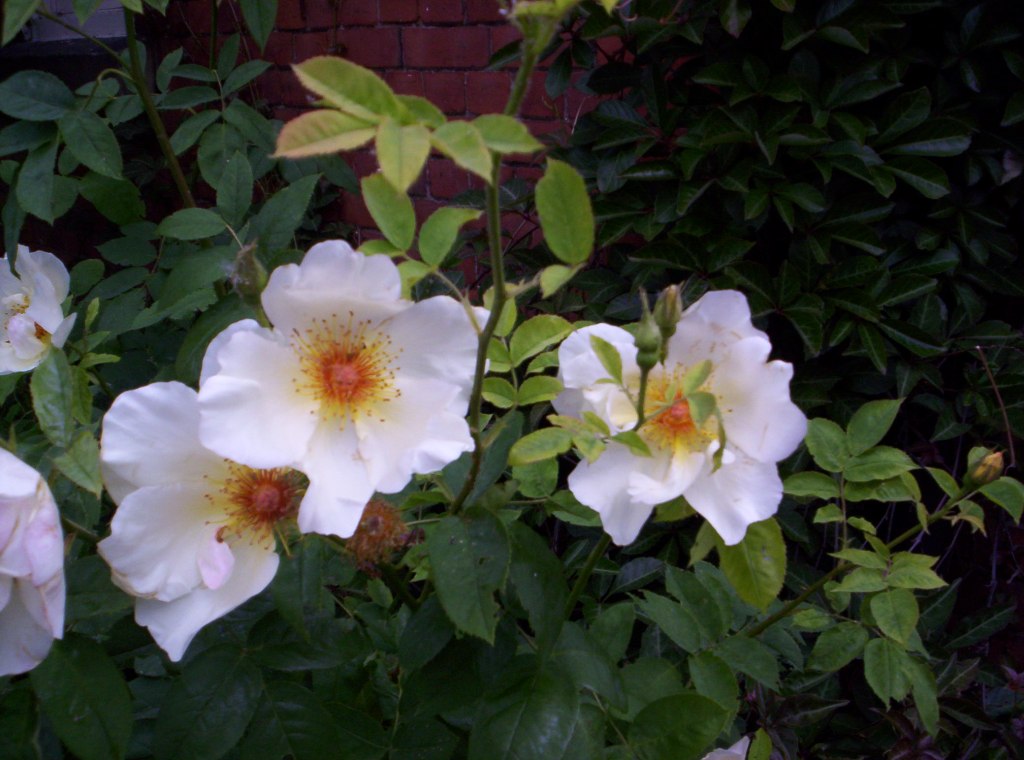
Nevertheless, I got lost in the very small maze which is a very confusing feeling. I walked in so sure I would get through the maze easier than the children tour groups…. I was sadly mistaken. The roses that climbed the walls were larger than my palm. There was a tree that had flowers growing straight towards the sky on the top-side of each branch, which is something straight out of a Dr. Suess book. I wish I could have explored longer than I did. I realized after leaving the grounds to get lunch that I should have stayed a little longer. But, I did have a very yummy “cheese toastie” and experienced the sweetest old couple with the spunkiest old dog in an antique shop nearby so I had fun regardless.
 Theatre in London U of A